Newsletters




A senior adviser to Iran's new supreme leader dismissed Iraqi Prime Minister Ali al-Zaidi as an inexperienced young man on Thursday, calling the premier's recent visit to Washington a source of profound shame, in some of the sharpest Iranian rhetoric directed at Baghdad since al-Zaidi took office in May.
Ali Akbar Velayati, international affairs adviser to Supreme Leader Mojtaba Khamenei, leveled the broadside against the 40-year-old prime minister in remarks that laid bare Tehran's alarm over the direction of Iraq's foreign policy under its new leadership.
The source of Velayati's statements appeared to originate in Iranian state or semi-official media; an original Persian-language publication had not been independently verified at the time of writing.
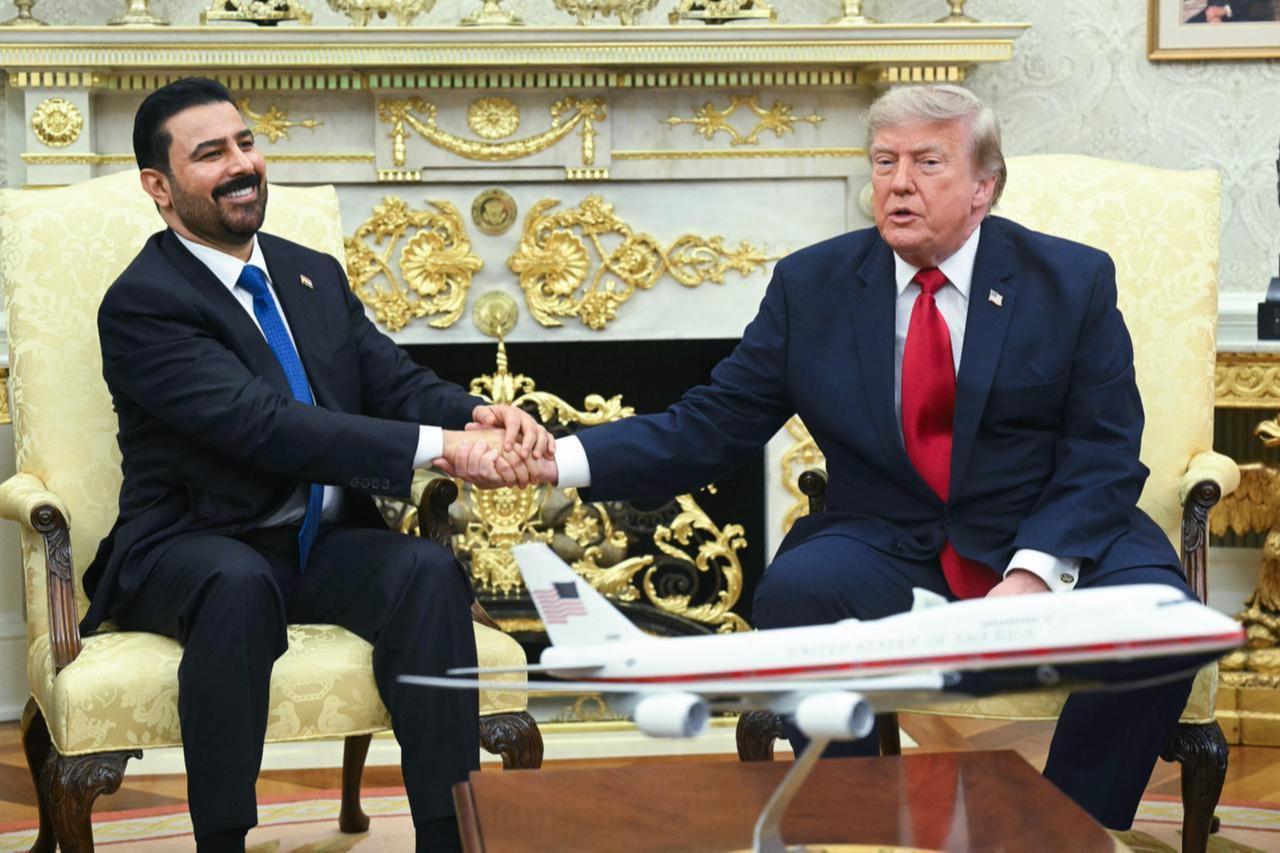
The comments came days after al-Zaidi met U.S. President Donald Trump at the White House on July 14, a visit that drew sustained Iranian pressure to cancel and that Tehran ultimately failed to stop.
According to Axios, Iranian officials had lobbied al-Zaidi and pro-Tehran Iraqi leaders to abandon the trip, a move that U.S. officials said only confirmed the prime minister's intent to pursue what they called an "Iraq First" agenda.
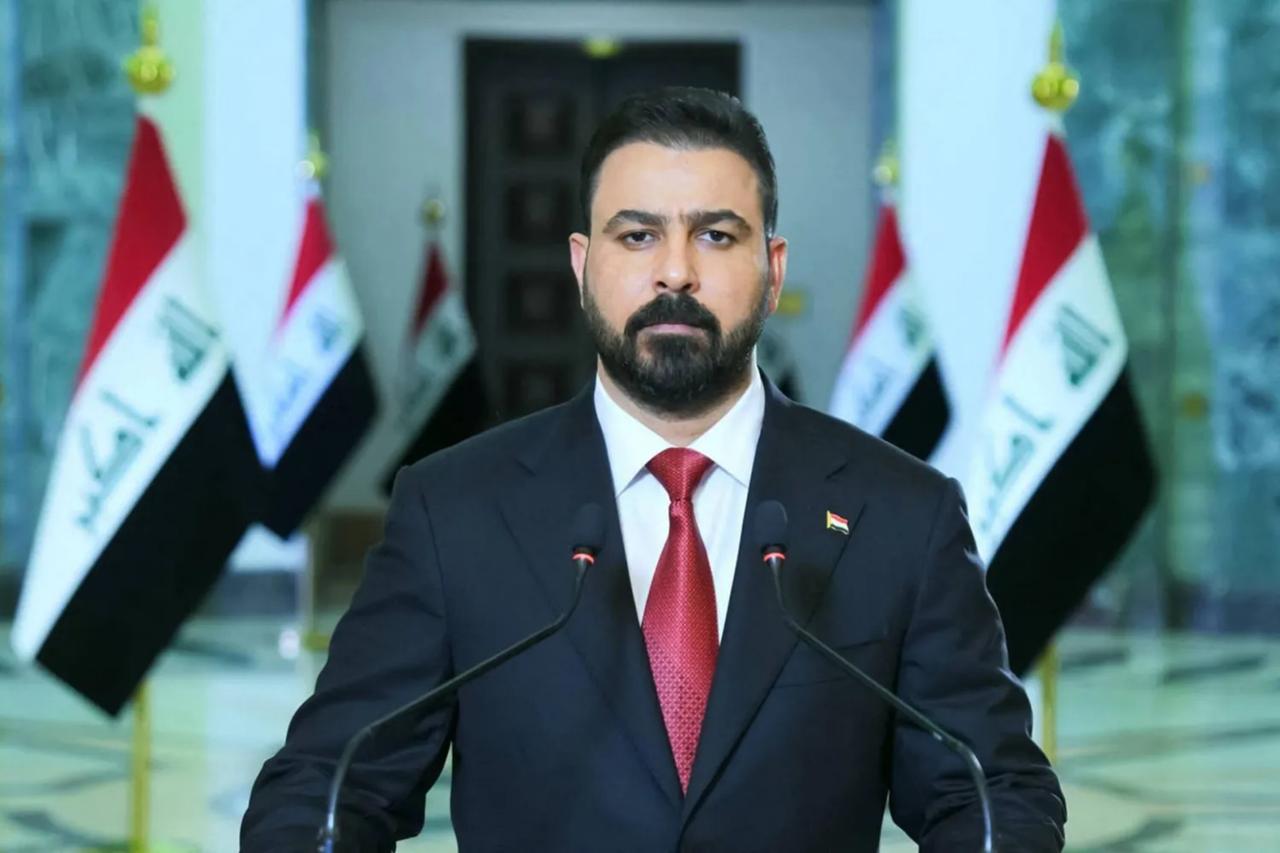

Al-Zaidi, a banker with no prior political experience who was sworn in as Iraq's youngest prime minister on May 14, made Washington the destination of his first foreign trip since taking office, a deliberate signal of where he sees Iraq's priorities. He arrived on July 13 at the head of a delegation of more than 20 officials drawn from Iraq's political, security and economic sectors.
Seated beside Trump in the Oval Office as the U.S. president discussed ongoing military operations against Iran and the naval blockade of the Islamic Republic, al-Zaidi conspicuously declined to be drawn into the conflict.
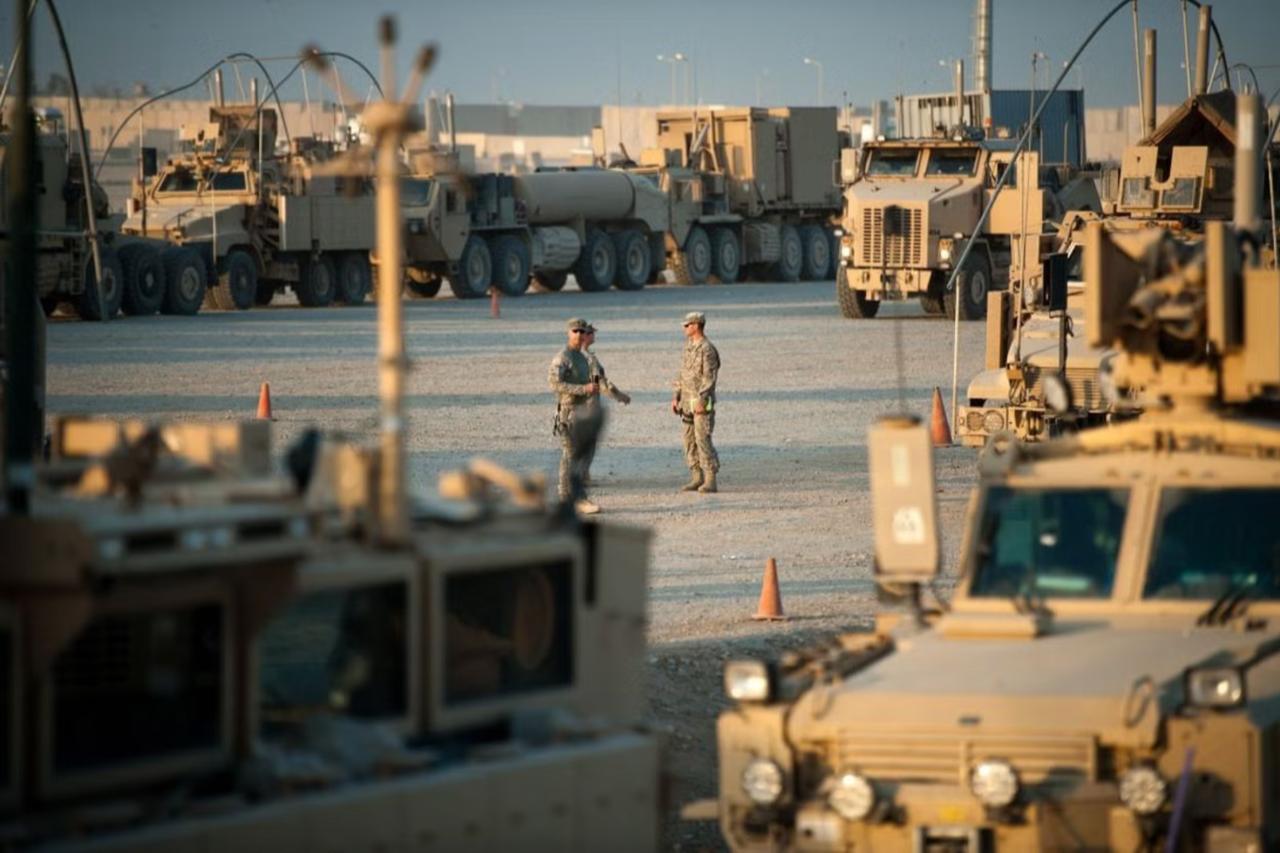
He focused instead on economic cooperation, a timetable for the withdrawal of remaining U.S. troops from Iraq by September 30, anti-corruption measures and the disarmament of factions operating outside state control.
Trump, who had thrown his backing behind al-Zaidi's premiership early, lavished praise on his guest, adding an unscheduled lunch to their programme.
The visit carried sharp symbolism. Only days before flying to Washington, al-Zaidi had received the funeral procession of the late Supreme Leader Ali Khamenei as it passed through Iraq's holy cities of Najaf and Karbala en route to burial in Mashhad, illustrating the diplomatic tightrope Baghdad continues to walk between its two most powerful neighbors.
 2 min read
Velayati's attack on al-Zaidi personally sits alongside a broader analytical framework he has been advancing in recent months.
In a May 10 essay carried by Iran's official IRNA news agency, the veteran diplomat, who served as foreign minister under the late Ali Khamenei for 16 years, argued that recent regional developments mark a decisive turning point signaling the decline of U.S. influence across West Asia.
He wrote that Trump "no longer holds credibility or influence across West Asia" and that U.S. threats toward countries such as Iraq lacked real backing.
He pointed to widening fractures between Washington and some of its traditional NATO allies, several of whom have scaled back their presence in Iraq in recent years, as evidence of American strategic drift.
Iraq, he argued, exemplified this shift. Velayati cited Baghdad's formation of a government despite U.S. opposition, its appointment of the heads of all three branches of power and what he described as Iraq's demonstrated ability to resist external pressure.
He characterized Iraq as the most important member of the Axis of Resistance alongside Iran, invoking centuries of shared Shia religious heritage and the presence of major shrines in Najaf and Karbala as the bedrock of that relationship.
He also drew on more recent history, pointing to the Badr Brigade's cooperation with Iranian forces against Saddam Hussein's government during the Iran-Iraq war of the 1980s, uprisings against British colonial rule in Iraq in 1920 and Iranian resistance to Russian imperial intervention in the early 20th century as part of a continuous pattern of joint resistance to foreign domination.
On the origins of regional instability, Velayati argued that U.S. military interventions in Afghanistan and Iraq following the September 11, 2001 attacks were part of a broader strategy to reshape the region, and that extremist groups including al-Qaeda and later the Islamic State emerged within those circumstances, with Washington indirectly benefiting from the instability such groups produced.


 Set as preferred source
 Set as preferred source


 1 min read