Newsletters


Serbia’s culture minister and three other senior officials appeared before a Belgrade court on Wednesday to face corruption charges linked to a scrapped luxury hotel project associated with the son-in-law of U.S. President Donald Trump.
Serbian Culture Minister Nikola Selakovic and the other defendants were jeered as “thieves” by dozens of protesters as they arrived at the court.
Prosecutors allege the officials forged key documents that would have cleared the way for a Trump-branded hotel to be built on the site of the bombed former Yugoslav army headquarters in the Serbian capital.
Selakovic waived his right to ministerial immunity, allowing the trial to proceed. All four defendants pleaded not guilty.
“It is not clear to me what wrongdoing I am accused of,” Selakovic told the Special Court for Organized Crime.
Plans to demolish the former army headquarters sparked fierce opposition in Serbia. The site is regarded both as a memorial to victims of the 1999 NATO-led bombing campaign and as a rare example of modernist architecture.
Despite public outcry and an ongoing investigation into the project’s approval, the government moved to fast-track the process by issuing a document allowing the removal of the site’s cultural heritage status.
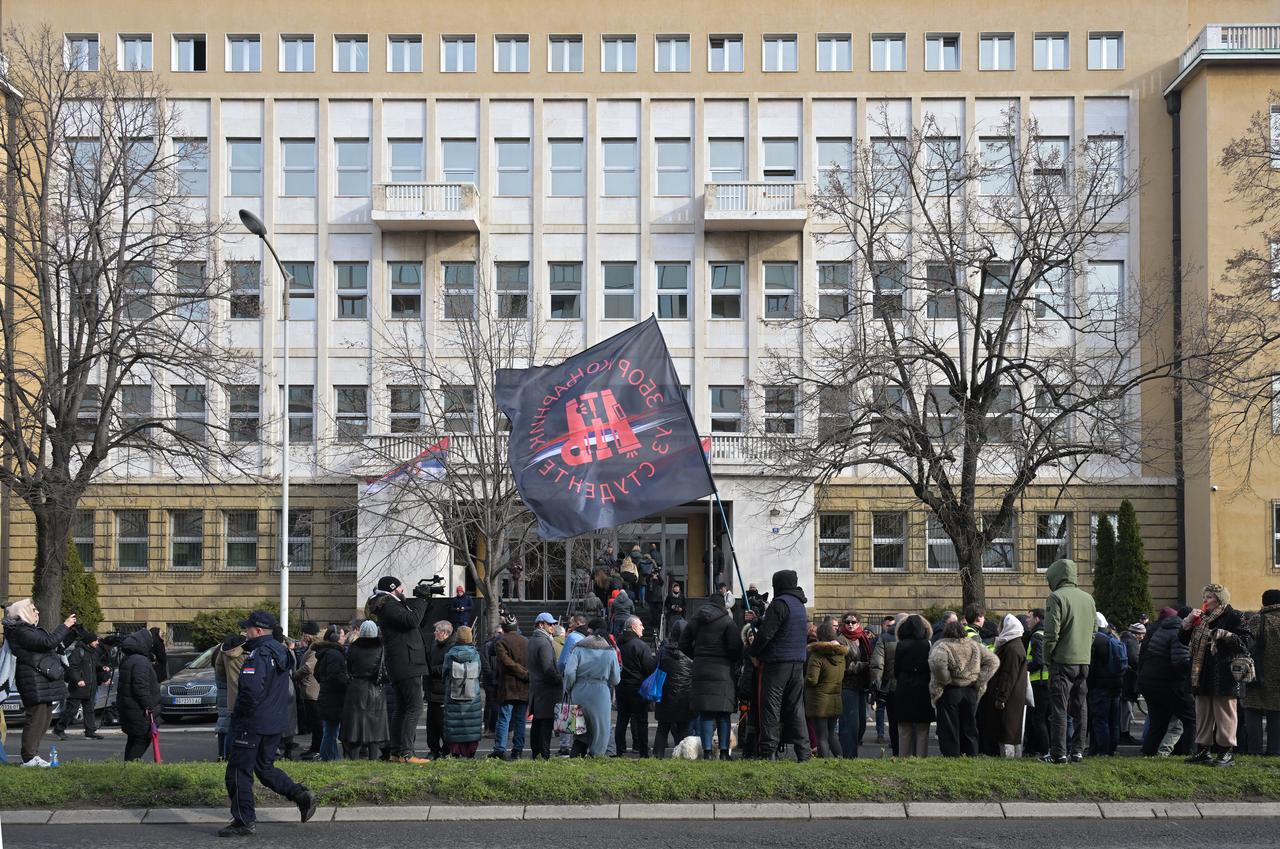

The project was backed by Jared Kushner, Trump’s son-in-law, but was abandoned in December after prosecutors indicted Selakovic and three others on charges of abuse of office and forgery.
“Because meaningful projects should unite rather than divide, and out of respect for the people of Serbia and the City of Belgrade, we are withdrawing our application and stepping aside at this time,” Kushner’s investment firm, Affinity Partners, said at the time.
 1 min read
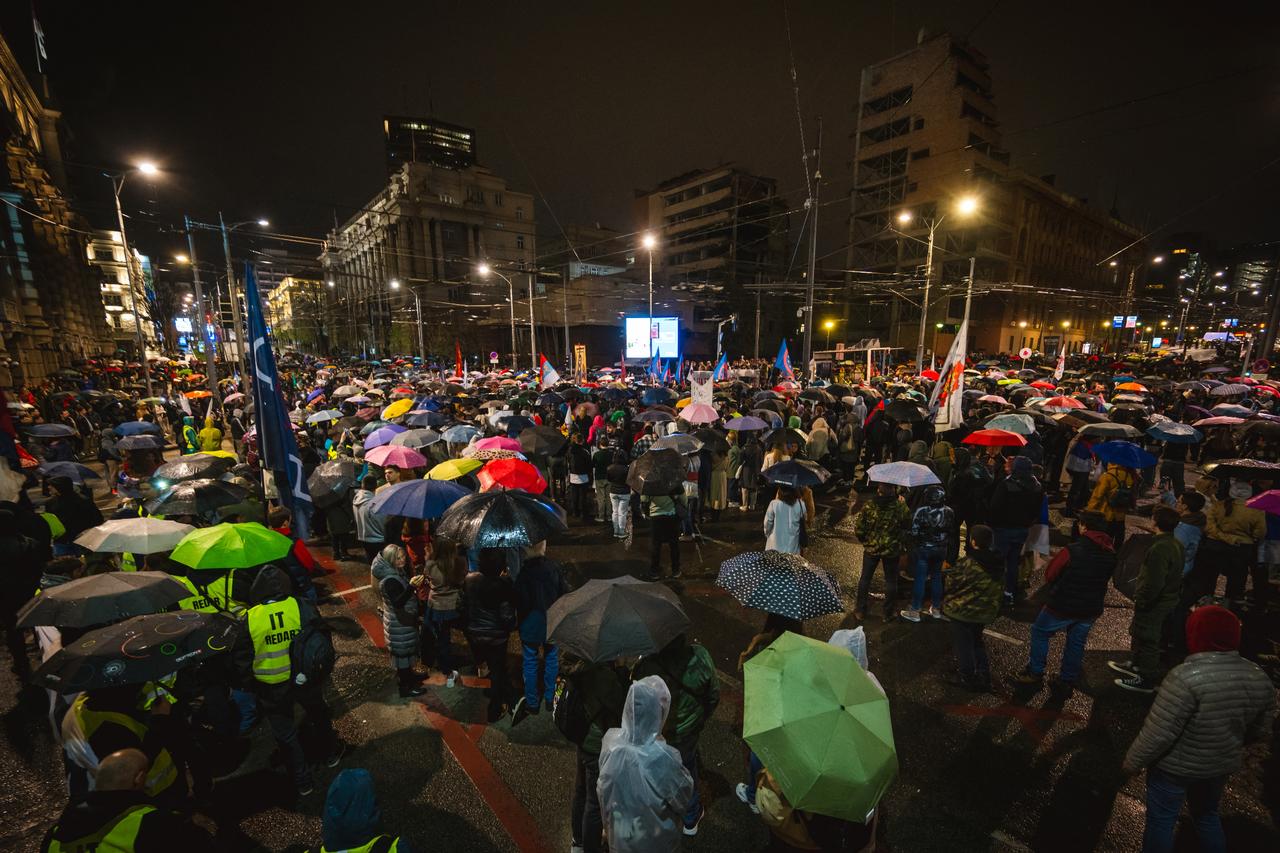
The case marks the first trial of a sitting Serbian minister in decades and has triggered vehement reactions from both supporters and critics of President Aleksandar Vucic.
Vucic and senior government figures have publicly criticized prosecutors over the hotel case as well as over a separate trial linked to a deadly train station roof collapse in November 2024.
That disaster fueled a broad, student-led anti-corruption movement and renewed calls for early elections, demands that Vucic has rejected.


 Set as preferred source
 Set as preferred source


 1 min read