Newsletters


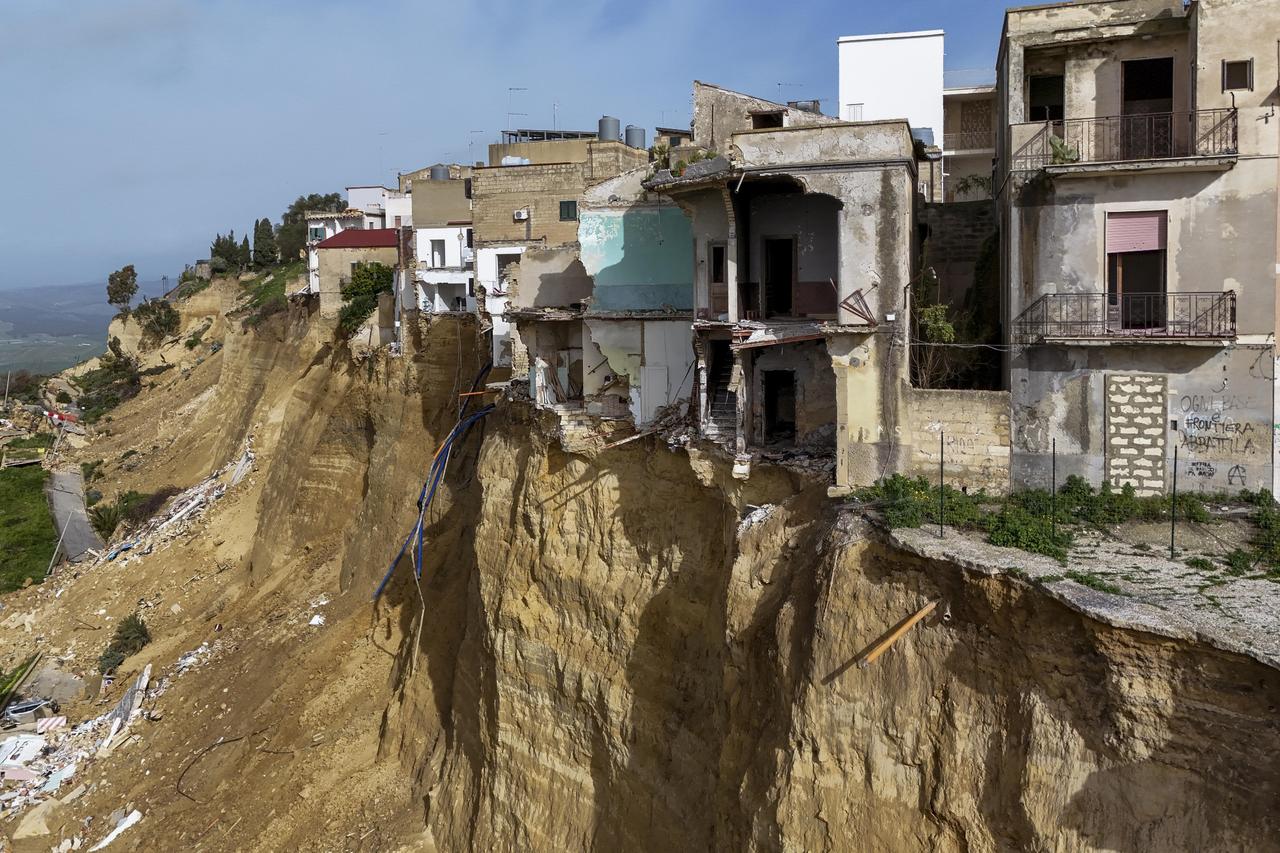


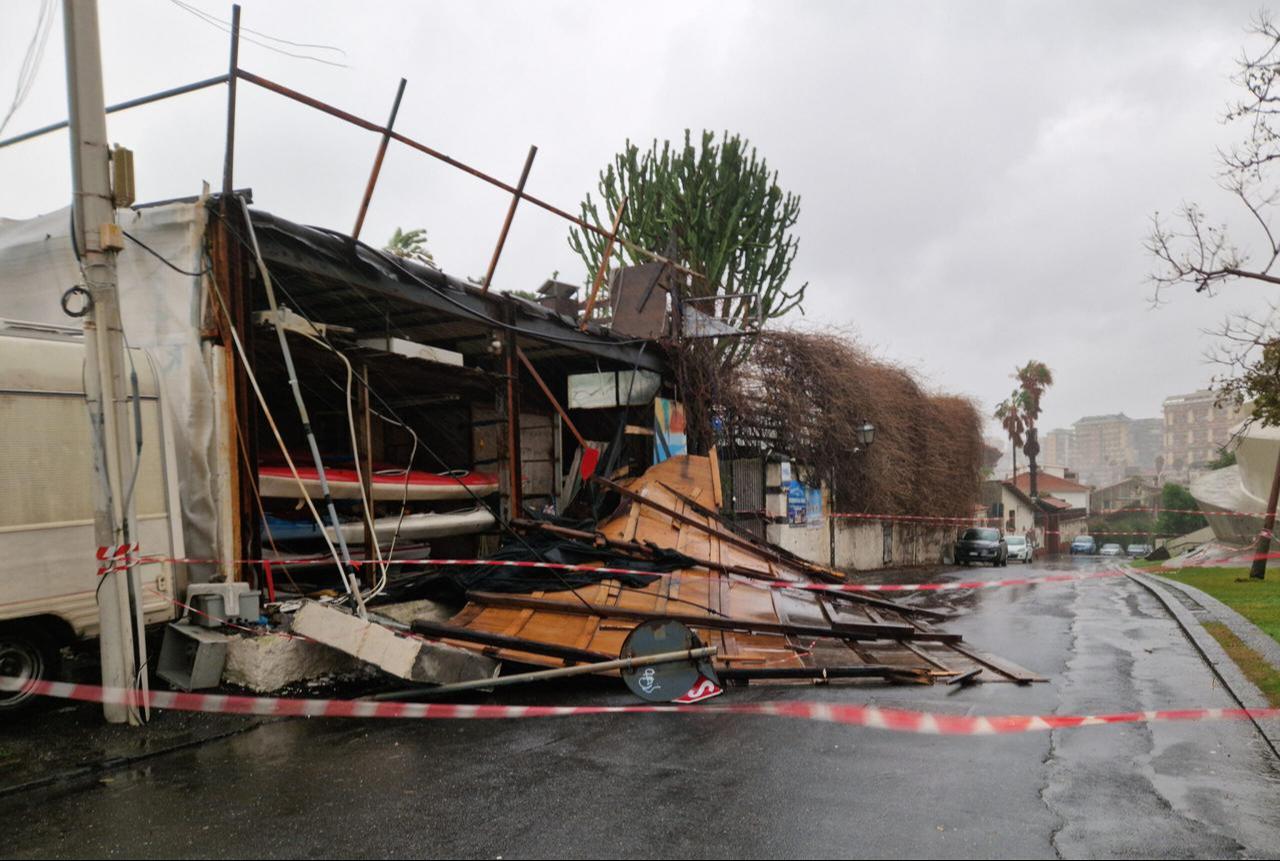
A large landslide that struck the town of Niscemi in Sicily, southern Italy, has continued to pose a serious risk, as ground movement has not yet fully stopped.
Located in the Caltanissetta province on the island of Sicily,
Niscemi has been facing ongoing uncertainty since parts of the town were engulfed by shifting earth following intense rainfall linked to Hurricane Harry, which affected Italy’s southern coasts between Jan. 18 and 25.
Local authorities have declared wide sections of the affected area a “red zone,” a term used in Italy to describe zones where entry is strictly prohibited due to immediate danger.
As a result, more than 1,600 residents have been forced to leave their homes, while hundreds of buildings remain unusable due to the high risk.

The landslide unfolded along a four-kilometer stretch on the western side of Niscemi on Jan. 25, abruptly changing everyday life in the town.
Longtime resident Maria, who has lived in Niscemi since birth, described the event as deeply distressing and unexpected.
She said the rain came suddenly and that many residents were left unsure about what exactly happened, while also facing the painful question of whether they would ever be able to return home.
Despite the uncertainty, she made it clear that she would rather go back to her hometown than start over elsewhere, pointing to her deep roots and personal ties in Niscemi.
Another resident, Salvatore, said he had never seen a landslide of such scale in his lifetime. He explained that the movement affected an entire hillside, tearing through soil, trees, and farmland, and leaving the ground visibly split and impassable.
While the landslide stopped just short of newer residential areas, he stressed that the destruction had already been extensive and frightening.
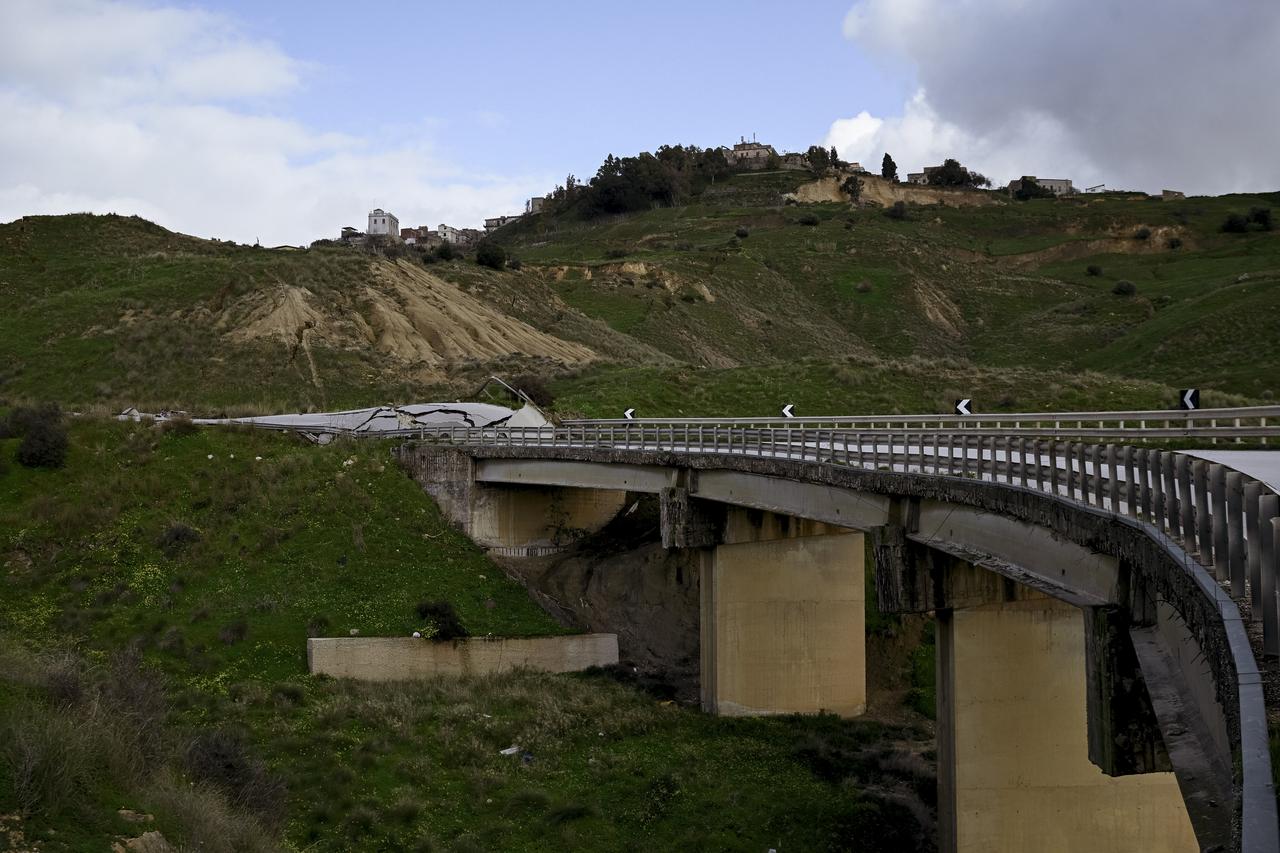
Salvatore also suggested that the event might not be just a landslide caused by rain, raising the possibility of deeper geological factors. He recalled that the same area had been hit by a similar event in 1997 and argued that such disasters were bound to happen again sooner or later.
In his view, long-standing failures by politicians and planners to prevent construction in fragile zones had made the situation worse, even though the risks were well known.
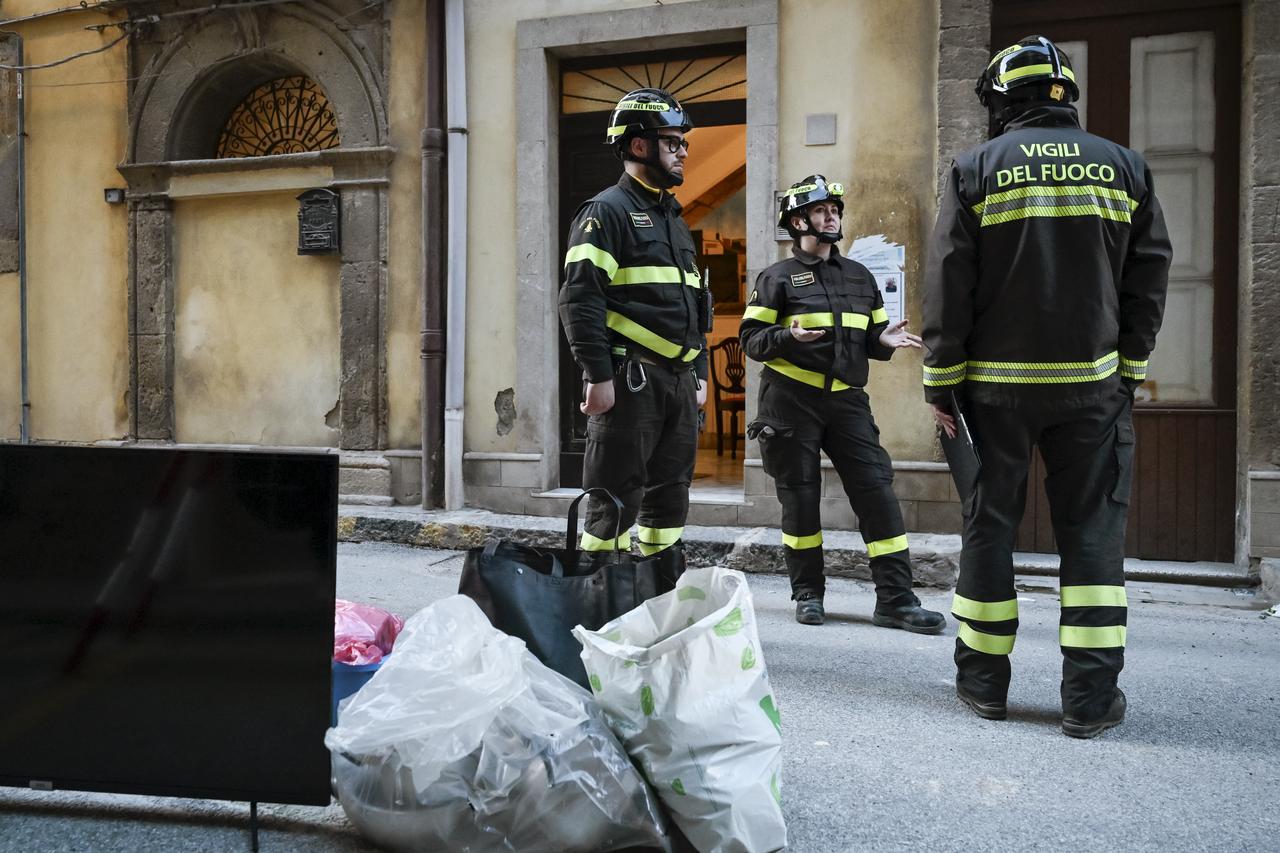
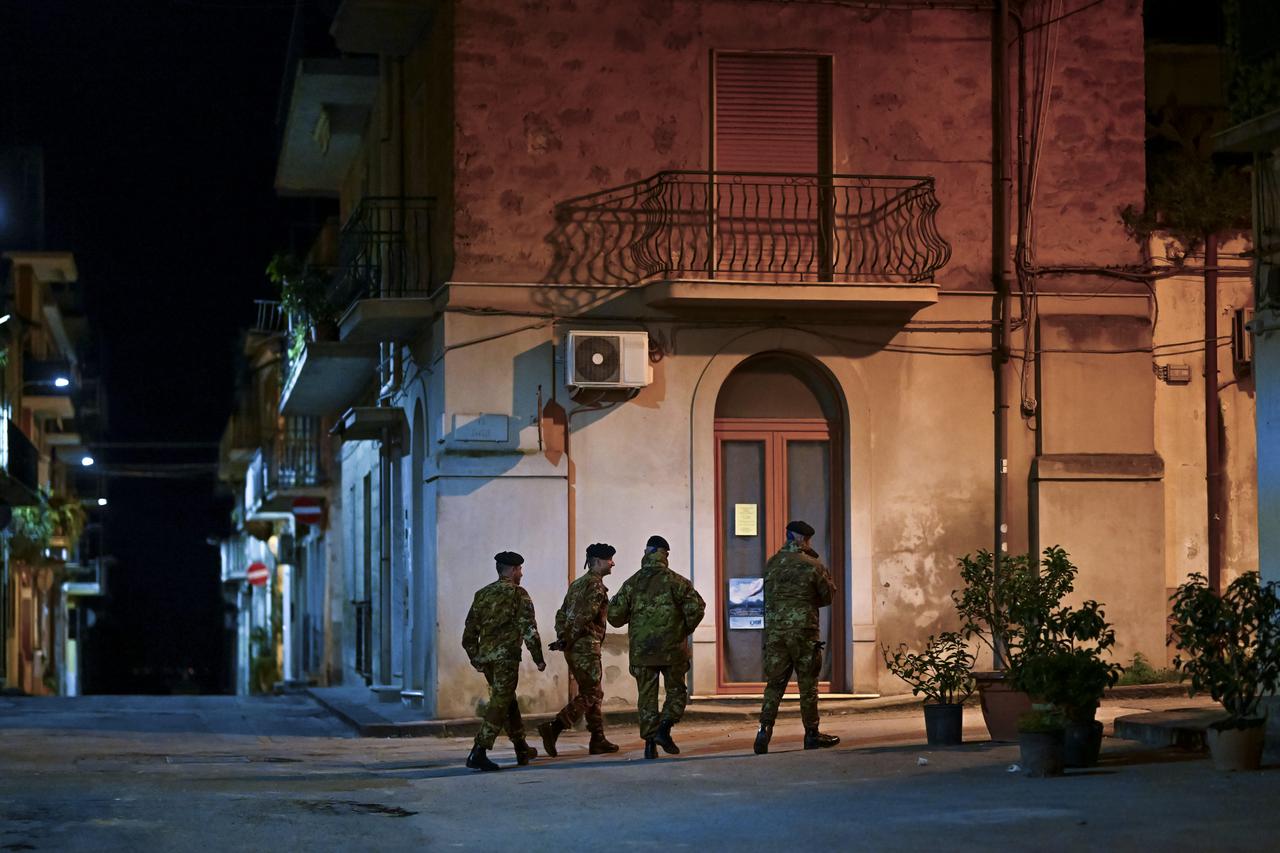
Firefighters from the provincial command in Caltanissetta have been working inside the red zone to help evacuated residents recover essential belongings from their homes.
According to officials, operations are carried out under strict safety limits, with teams staying well away from the active landslide front.
Italy’s civil protection authorities are closely tracking the landslide using satellite data, which allows experts to measure ground movement over time.
These data are currently being analyzed by specialists at the University of Florence, a leading center for geological risk assessment.
In the meantime, officials have set up a 150-meter buffer zone around the affected area. The first 50 meters closest to the rupture are completely off-limits, while the remaining section serves as a precautionary evacuation area until the situation becomes clearer.
Authorities have stressed that the boundaries of the red zone could change depending on how the ground continues to behave.
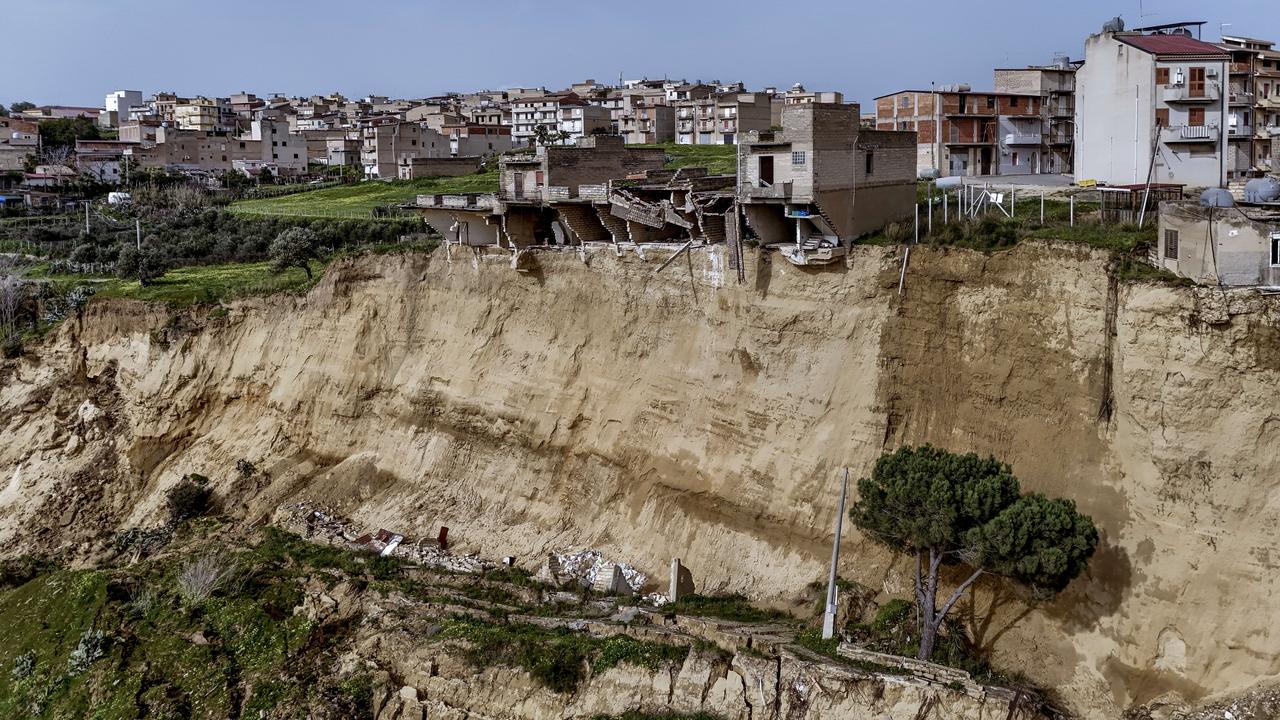
The prefect of Caltanissetta recently confirmed that over 1,600 people have been displaced and that around 880 buildings fall within the high-risk red zone.
National leaders, including Prime Minister Giorgia Meloni, visited Niscemi after the disaster, with the government pledging support and assistance.
At the same time, the public prosecutor’s office in nearby Gela has opened an investigation into possible negligence and damage caused by the landslide, focusing on construction practices in a known fragile area.
Italy’s Civil Protection director later noted that while the speed of the landslide has slowed, ground movement is still ongoing, making it too early to set a timeline for a return to normal life in Niscemi.


 Set as preferred source
 Set as preferred source


 4 min read