Newsletters


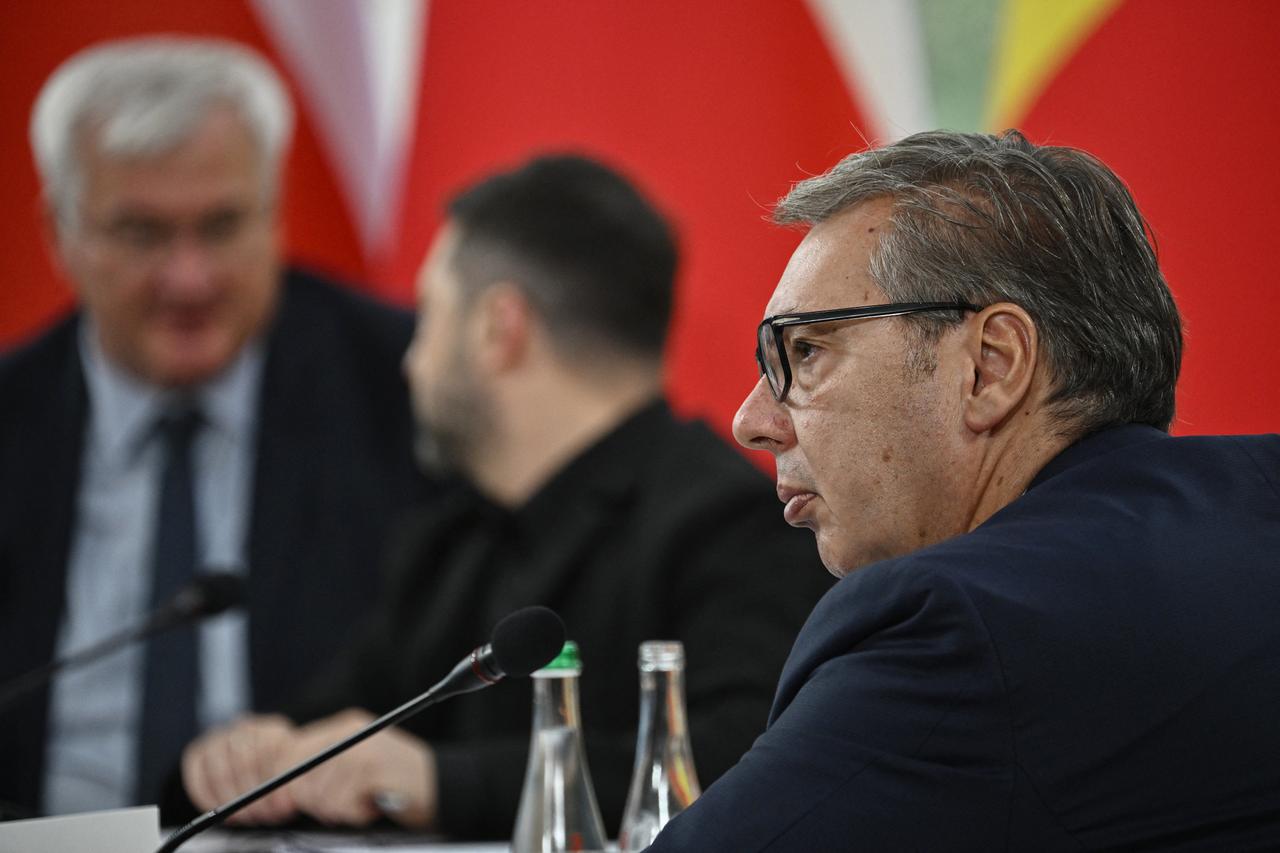


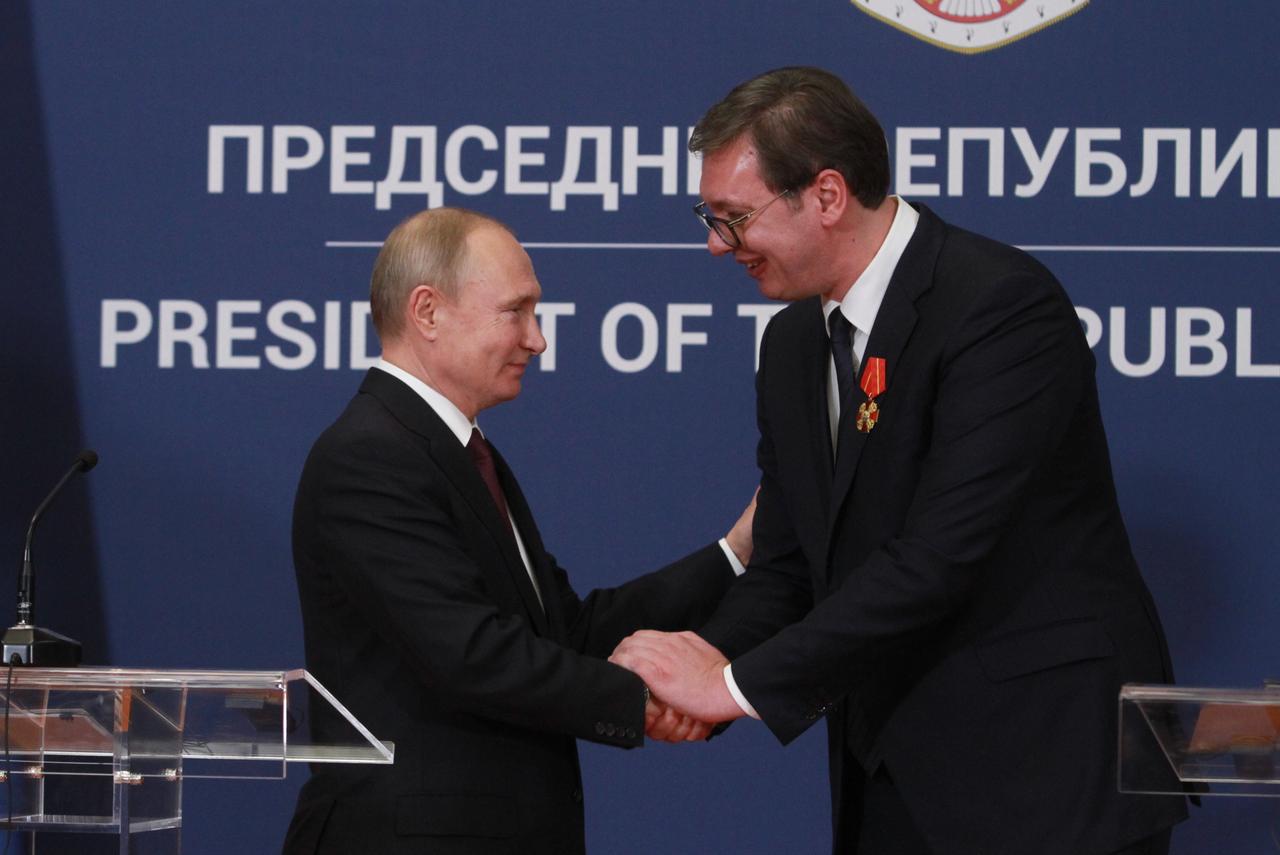
Serbia hopes to secure another extension of its gas deal with Russia, President Aleksandar Vucic said Saturday after a call with Russian President Vladimir Putin, as Belgrade seeks a longer-term agreement.
The Balkan nation remains heavily dependent on Russian gas but has failed to secure a long-term contract since its previous three-year deal expired in summer 2025, relying instead on short-term extensions.
“The gas arrangement expires on September 30. I believe that, following today’s conversation, it will be extended and that we will secure stable gas supplies,” Vucic wrote on Instagram after the call.
He said Serbia would continue to benefit from a “good, low gas price of 318 euros ($362) per 1,000 cubic meters, instead of paying the market price, which today stands at 868 euros.”
Despite its EU membership aspirations, Serbia remains one of the few European countries to maintain close ties with the Kremlin since Russia’s invasion of Ukraine.
Serbia also imports gas from Azerbaijan and has some domestic production, but not enough to offset the loss of Russian supplies.

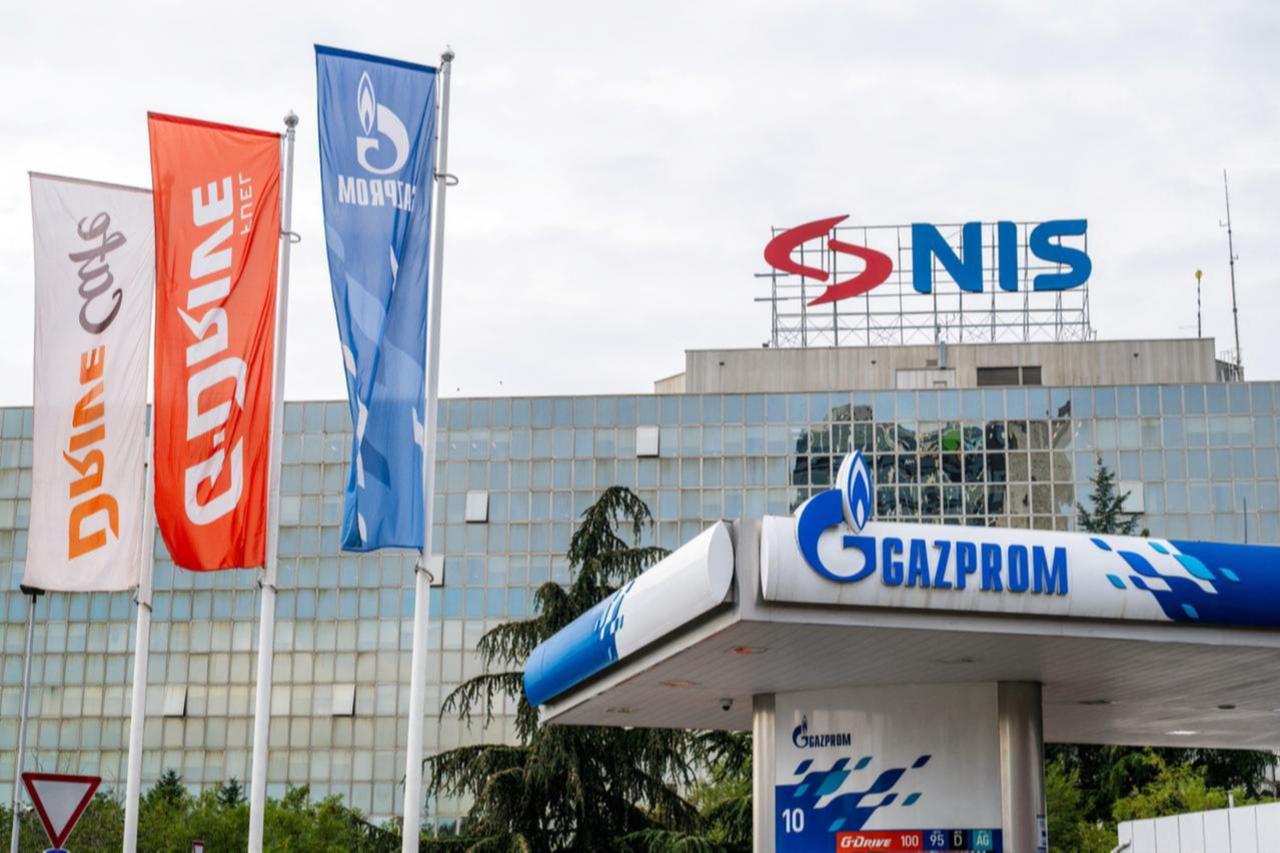
Belgrade is also grappling with U.S. sanctions on its largest oil company, Petroleum Industry of Serbia, or NIS, over its majority Russian ownership.
A full Russian exit is required for the sanctions to be lifted, while talks on the sale of the 56% Russian stake to Hungarian energy giant MOL have been underway for months.
The latest U.S. sanctions waiver expires Sept. 30, the same deadline Washington has set for the sale to be completed.
NIS, which runs Serbia’s only oil refinery, said Thursday that it had applied for a new U.S. sanctions waiver to continue operations after Sept. 30, when the current one expires.
The U.S. Office of Foreign Assets Control imposed sanctions against NIS last October over its Russian ownership, part of broader measures targeting Moscow’s energy sector over its invasion of Ukraine.
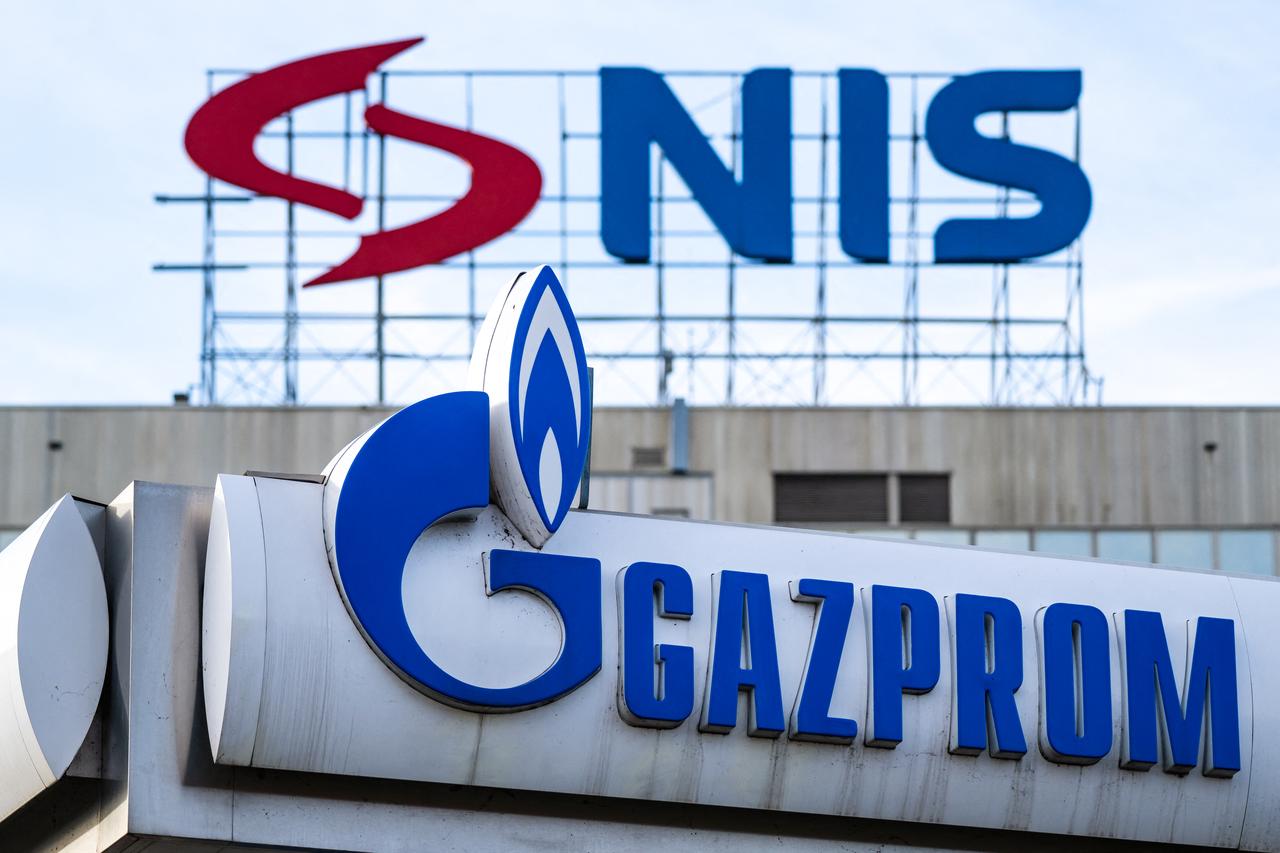
A new waiver would allow NIS, which supplies up to 80% of the Serbian market and is majority owned by Russia’s Gazprom Neft and Gazprom, to continue importing crude oil until the planned sale of the Russian stake to MOL.
NIS said “the regular functioning of the oil refinery, and a stable market supply are of crucial importance for maintaining energy stability” in Serbia.
Washington has been pushing for the divestment of the Russian stake, and NIS has secured a series of temporary waivers until the sale is completed.
Gazprom Neft and Gazprom have a combined 56.16% stake in NIS, while Serbia holds 29.9%. The rest is owned by small shareholders and employees.
“We also discussed the issue of the Petroleum Industry of Serbia, in the hope of finding a solution that is good for both sides,” Vucic said.
The call was among Vucic’s final diplomatic contacts as president. He announced he would resign on Sept. 27 to run for prime minister in snap elections called after nearly two years of student-led anti-graft protests.


 Set as preferred source
 Set as preferred source


 1 min read
 1 min read