Newsletters


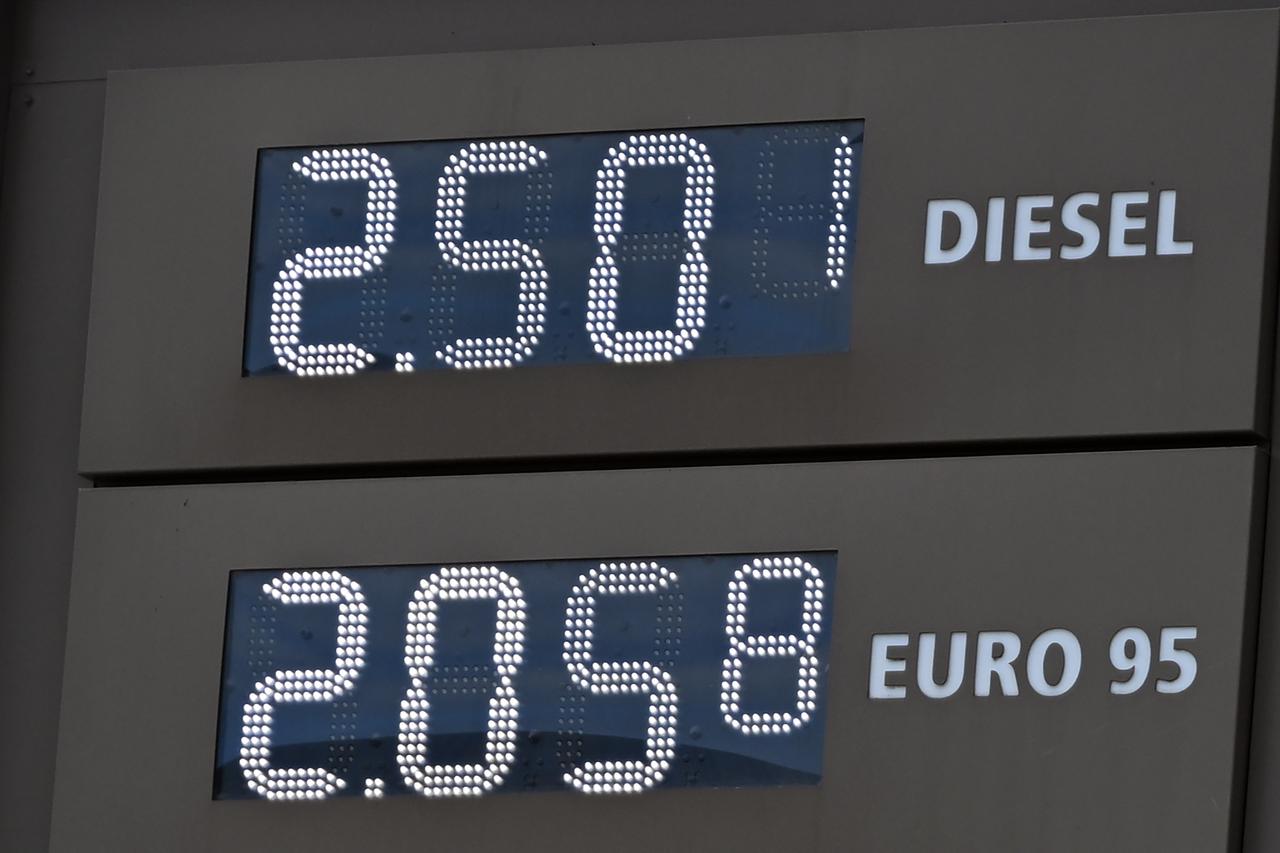


Serbia will release around 5,000 tons of diesel from state reserves, the energy minister said Thursday, hoping to ease shortages as the ongoing war in the Middle East drives a global energy crunch.
The Balkan country’s oil market is also under pressure from months of record-low Danube River water levels, which have hit river imports, and the looming threat of sanctions returning on its sole refinery over majority Russian ownership.
“The state is taking the necessary measures to protect citizens so they do not feel the consequences,” Energy Minister Dubravka Djedovic Handanovic said.
It is the latest step Belgrade has taken to cushion consumers from spiking oil prices and prevent shortages, including cutting excise duties by 20% in March and releasing around 40,000 tons of oil from state reserves earlier this year.
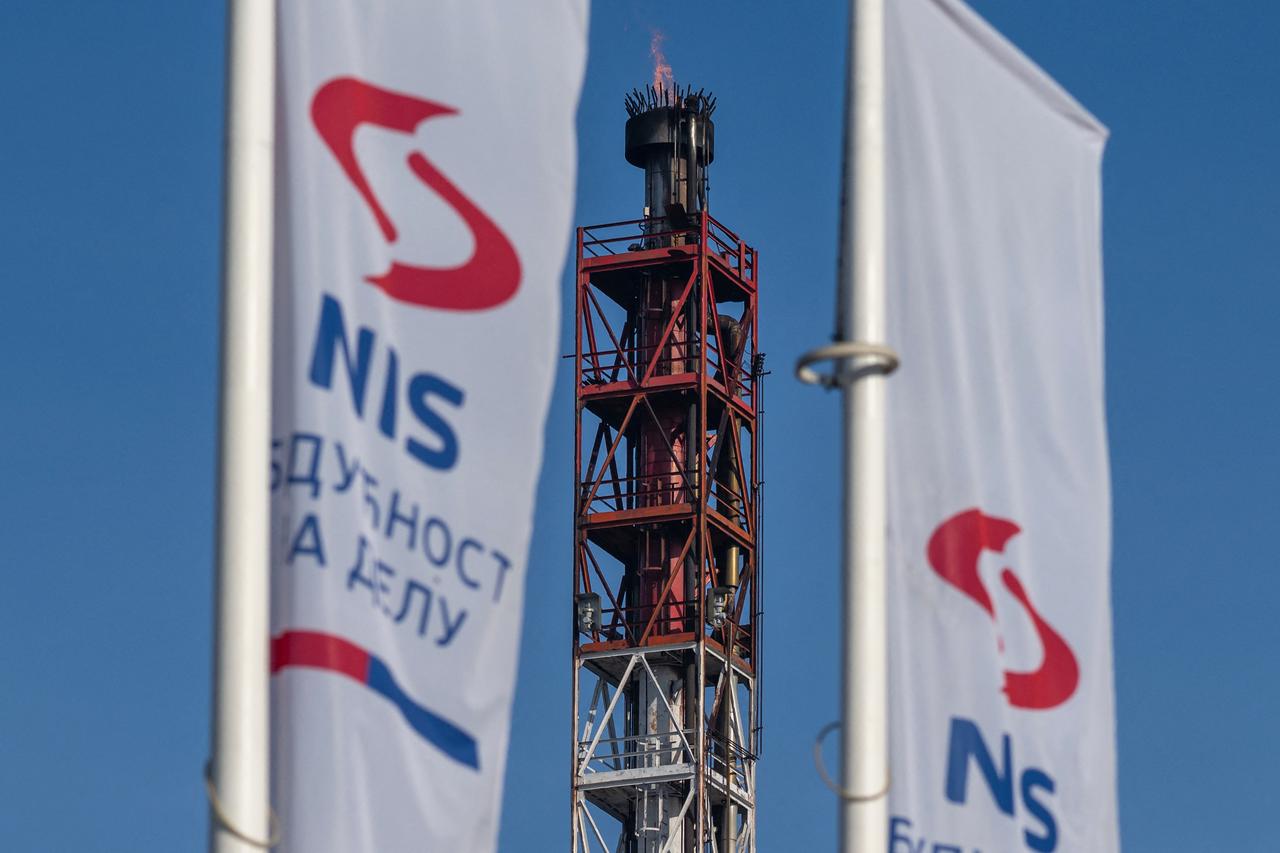
Serbia has also been seeking month-by-month license extensions for its Russian-owned and U.S.-sanctioned oil company NIS to continue operating despite U.S. sanctions targeting Russia’s energy sector.
NIS requested another extension Thursday, with a Sept. 30 deadline looming, while talks continue over the sale of the Russian stake.
“We have decided to place a portion of the Eurodiesel stock, amounting to approximately 5,000 tons from the state reserves, onto the market,” Djedovic Handanovic said in a statement.
“We expect a very high consumption in October of around 205,000 tons,” she added.
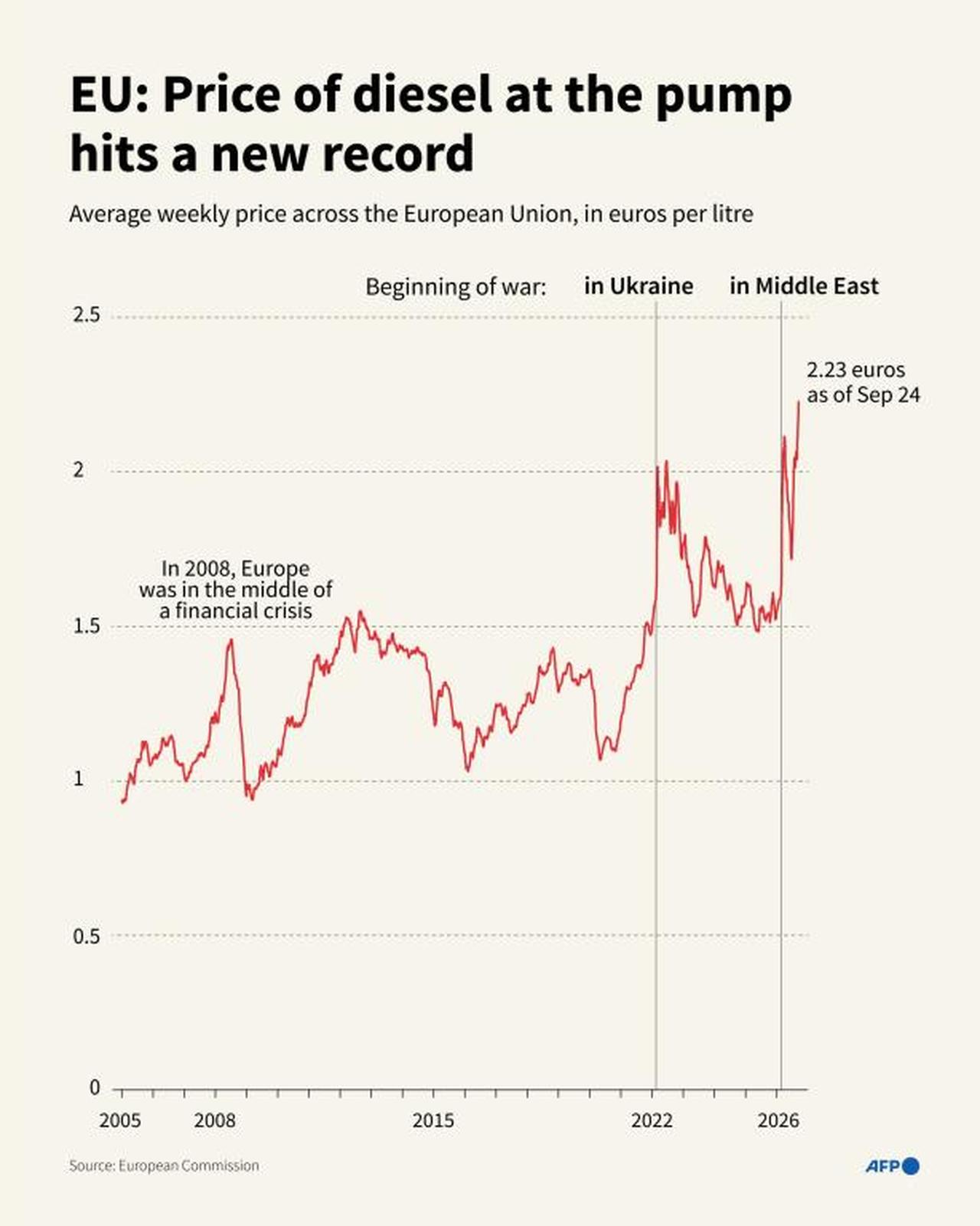

Handanovic said companies had stopped importing diesel because of high prices.
Logistics costs also remained high because of low water levels on the Danube River.
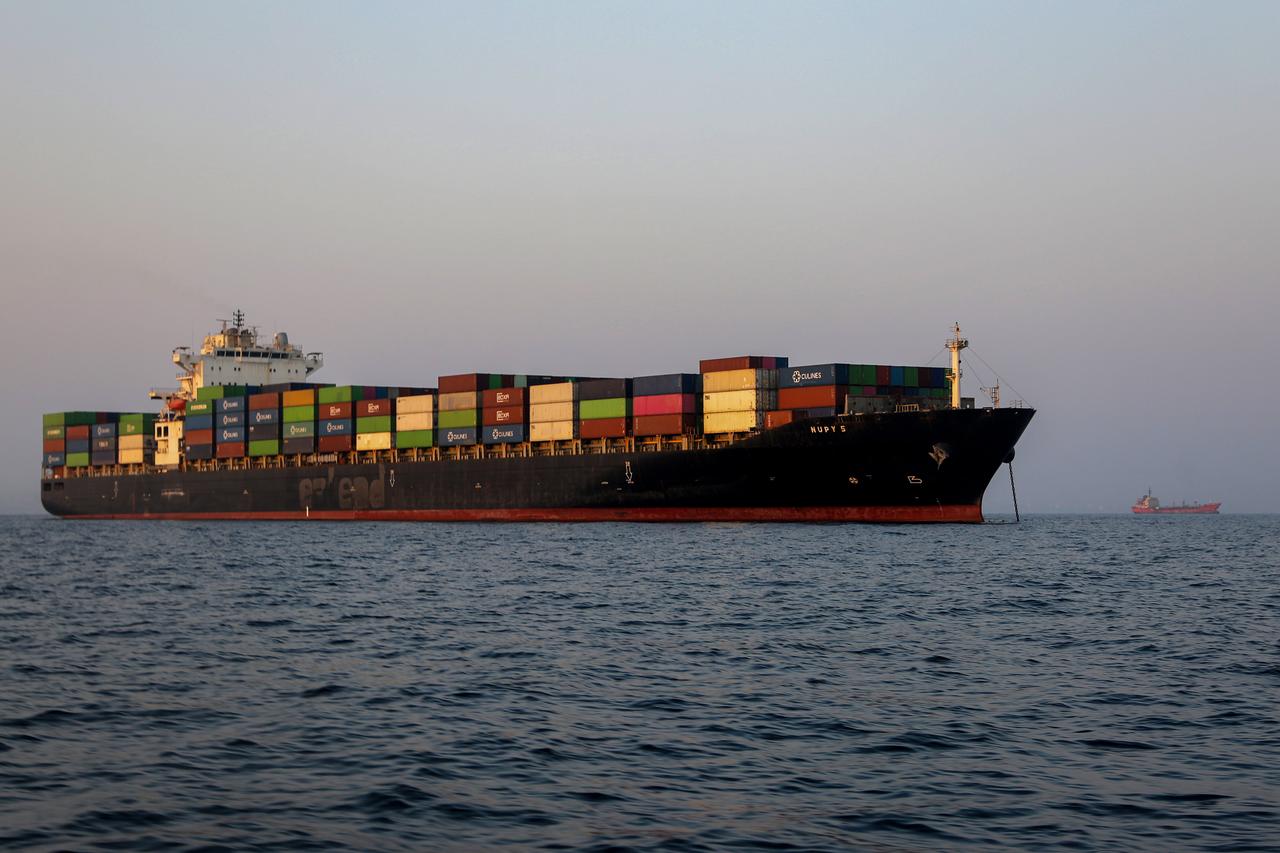
In August, Serbia’s fuel imports via the Danube fell to just 25% to 30% of planned volume as record-low water levels across Hungary, Serbia and Romania forced cargo barges and tankers to operate at only 30% to 40% of normal capacity.
NIS also produces diesel at its refinery in the northern town of Pancevo.
The facility has an annual capacity of 4.8 million tons of crude oil.
In August, the Energy Ministry ordered NIS to increase its crude processing output from 9,500 tons to 13,000 tons per day and released 23,000 tons of operational fuel reserves to other market distributors to compensate for the drop in imports.
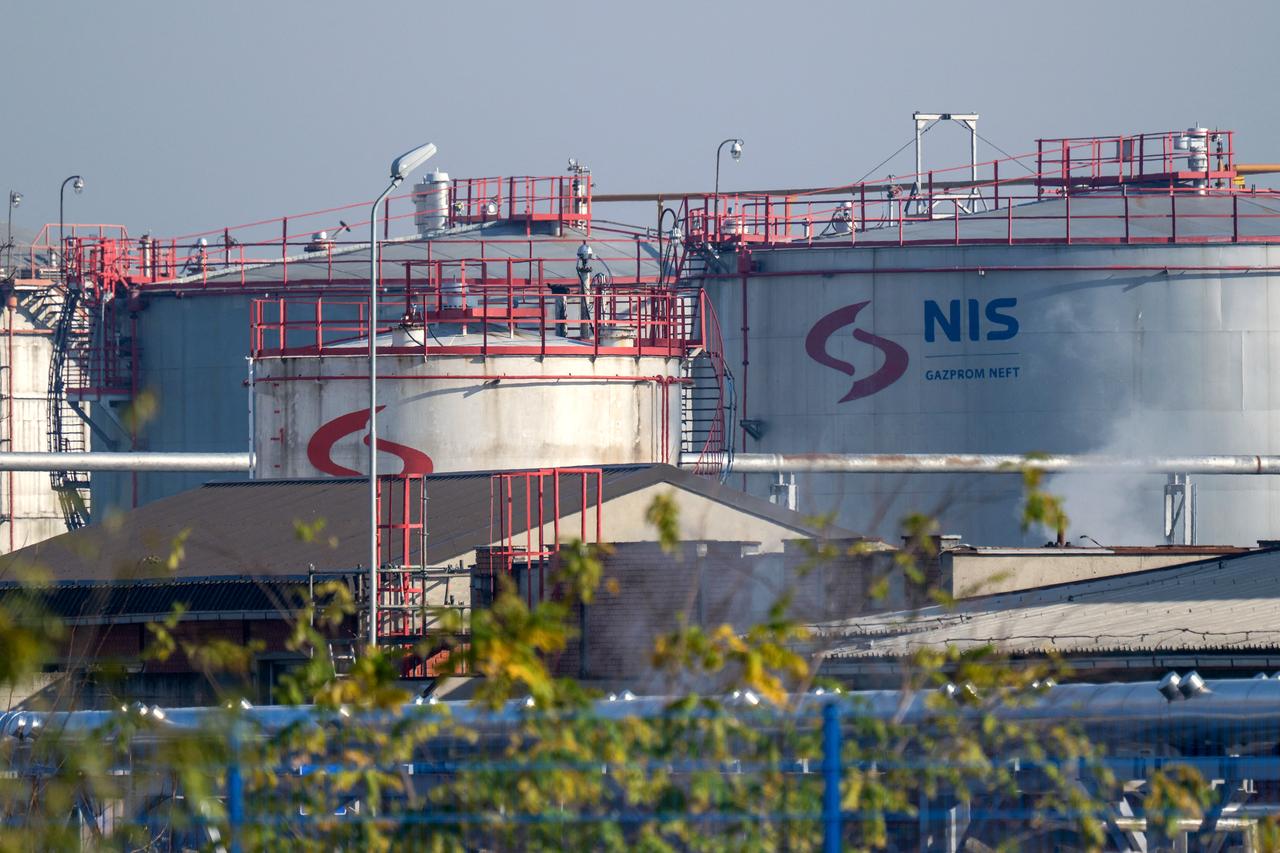
NIS, which runs Serbia’s only oil refinery, said Thursday that it had applied for a new U.S. sanctions waiver to continue operations after Sept. 30, when the current one expires.
The U.S. Office of Foreign Assets Control imposed sanctions against NIS last October over its Russian ownership, part of broader measures targeting Moscow’s energy sector over its invasion of Ukraine.
A new waiver would allow NIS, which supplies up to 80% of the Serbian market and is majority owned by Russia’s Gazprom Neft and Gazprom, to continue importing crude oil until the planned sale of the Russian stake to Hungarian oil and gas company MOL.
NIS said in a statement that “the regular functioning of the oil refinery and a stable market supply are of crucial importance for maintaining energy stability” in Serbia.
Washington has been pushing for the divestment of the Russian stake, and NIS has secured a series of temporary waivers until the sale is completed.
Gazprom Neft and Gazprom have a combined 56.16% stake in NIS, while Serbia holds 29.9%. The rest is owned by small shareholders and employees.


 Set as preferred source
 Set as preferred source


 1 min read
 1 min read