Newsletters




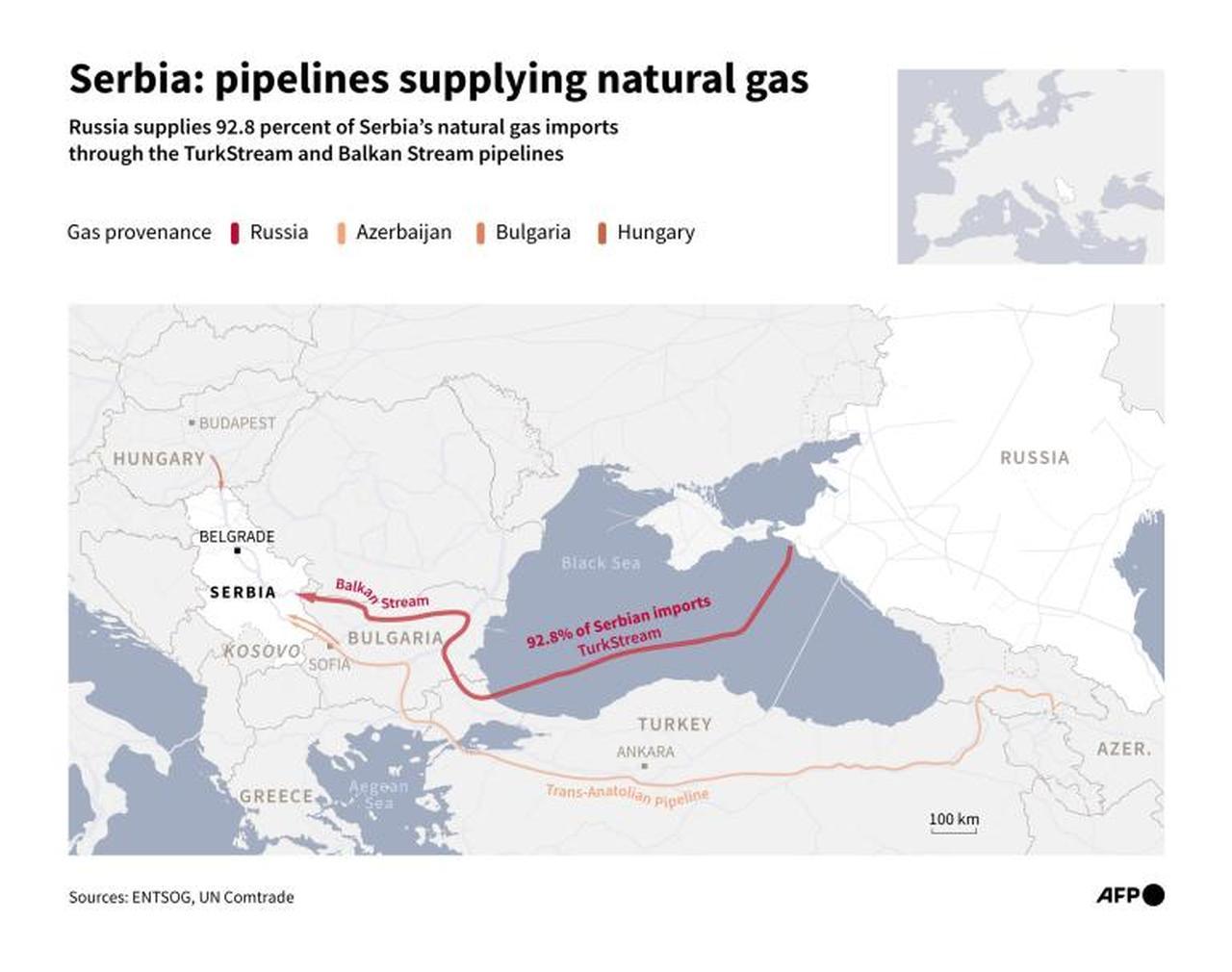
Serbia is diversifying its energy supplies away from Russia and is already in talks to purchase natural gas through a European Union joint buying mechanism, President Aleksandar Vucic told Reuters in an interview Wednesday.
Vucic said Belgrade understands the EU’s policy toward Russian energy and acknowledges the need to adapt.
“We have to adjust our energy policies to certain demands and requests,” he said.
According to Serbia’s gas company, Russia supplies about 6 million cubic meters of gas per day to Serbia at roughly €290 ($342.03) per 1,000 cubic meters, compared with a market price closer to €360. Serbia also imports gas from Azerbaijan and produces domestically, but not in volumes sufficient to offset a potential loss of Russian supply.

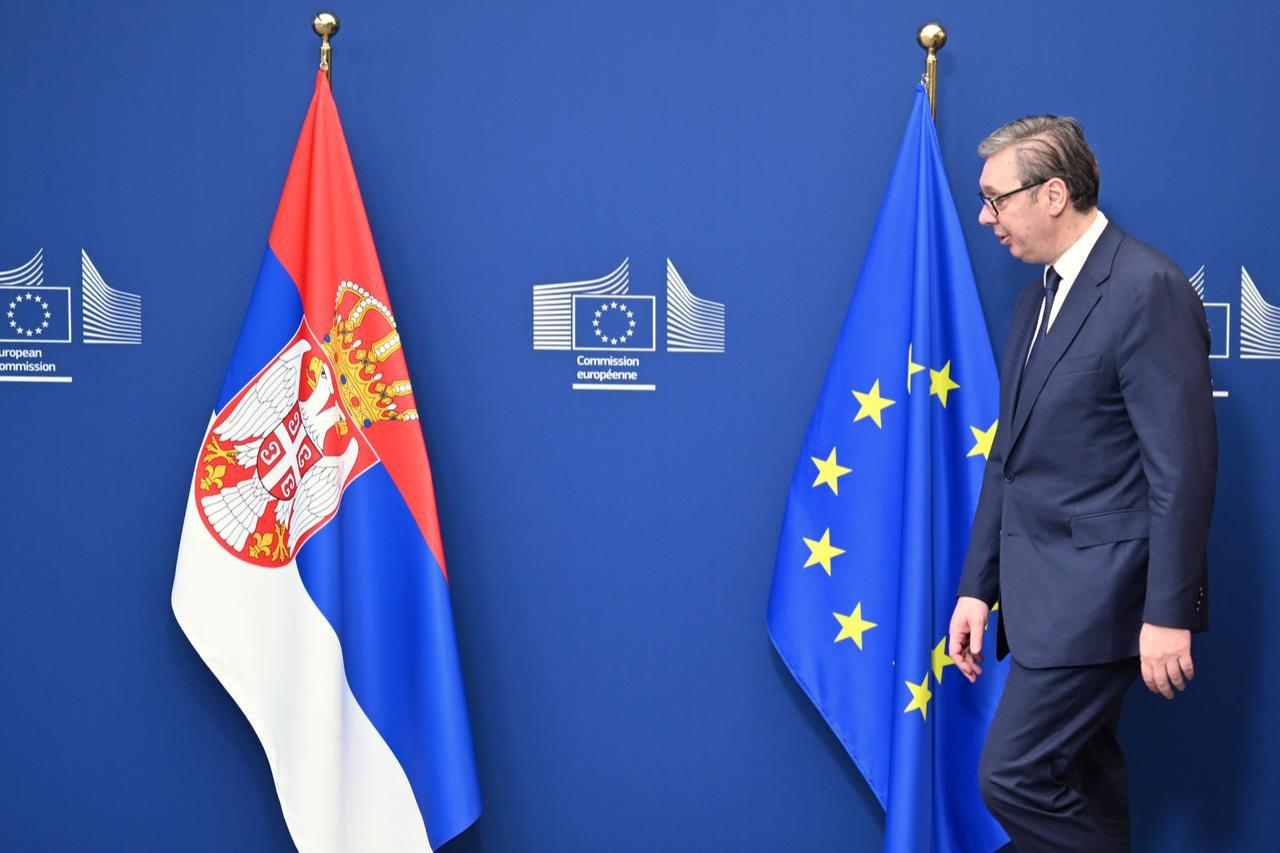
“Still we will have big quantities of Russian gas, but we are taking more and more from Europeans,” Vucic added, speaking at the presidency in Belgrade, with an EU flag visible behind him.
He said Serbia aims to secure about 500 million cubic meters of gas annually, roughly one-fifth of its total demand, through the EU’s joint gas purchasing initiative, which the country joined last year.
Serbia is already buying gas from Azerbaijan via Bulgaria. Construction of a gas pipeline linking Serbia with North Macedonia, which would provide access to liquefied natural gas from Greece, is expected to begin this year, Vucic said.
An oil pipeline connecting Serbia with neighboring Romania is scheduled for completion in 2027.
“This is a big diversification,” Vucic said.
Serbia, which is seeking EU membership, remains one of Europe’s few countries still heavily dependent on Russian natural gas, with more than 80% of its supply coming from Russia. Brussels has urged Belgrade to find alternatives as part of broader efforts to curb revenues supporting Russia’s war in Ukraine.
Serbia failed to secure a new long-term gas contract with Russia’s Gazprom last year. A short-term agreement reached in December is set to expire on March 31.
Meanwhile, Vucic reiterated his commitment to Serbia’s EU path, saying the country’s economy, living standards and debt indicators have improved.
“No doubt, since I am president, Serbia will be on its EU path,” he said.
The EU has long insisted that Serbia strengthen the rule of law, media freedoms and efforts to combat organized crime and corruption as conditions for accession. Critics argue that recent judicial reforms could weaken judicial independence, complicating Serbia’s EU bid.
Vucic said authorities are ready to “scrutinise” the disputed judicial laws with European institutions.
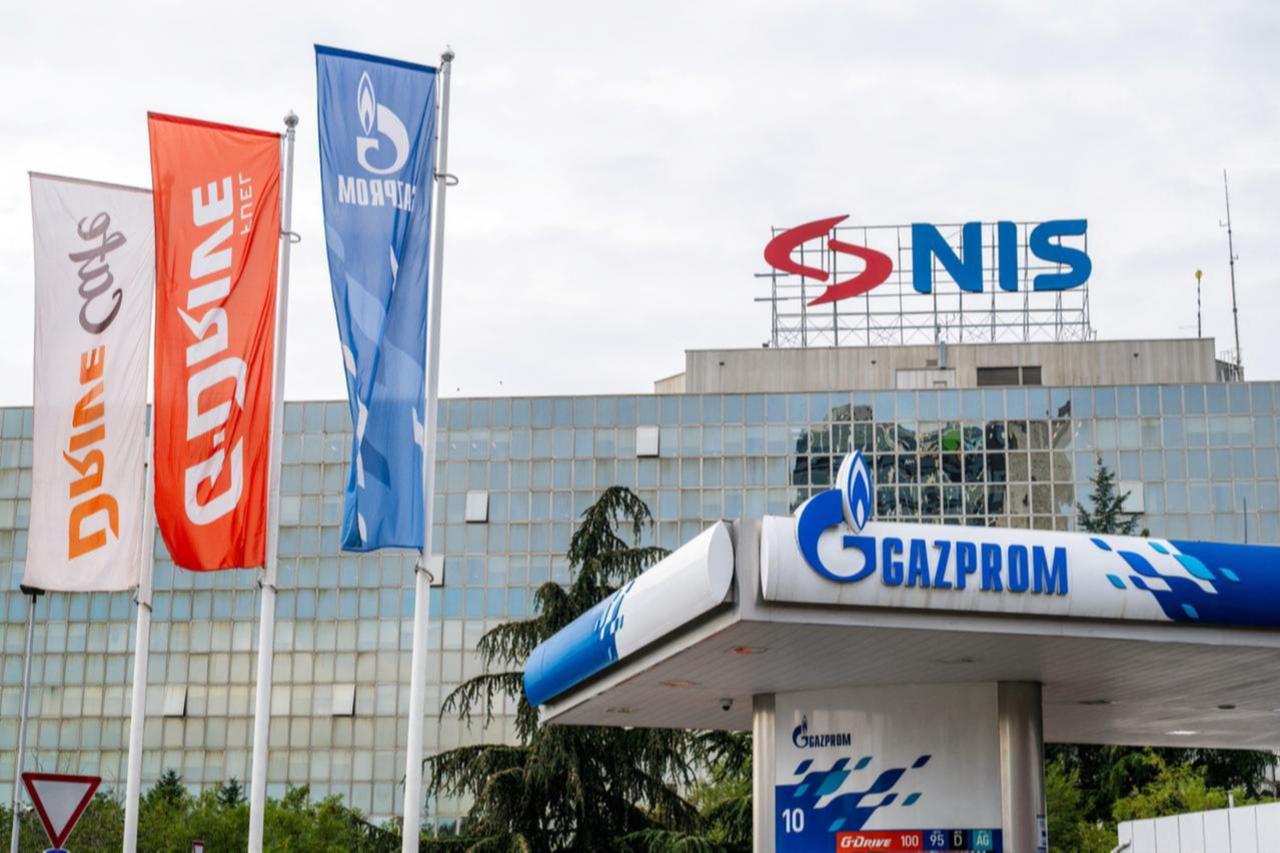
Serbia’s Russian-owned oil company NIS has been placed under U.S. sanctions, triggering negotiations over its expected sale to Hungary’s MOL.
Meanwhile, the United States has extended a temporary operating license for NIS, allowing continued operations as negotiations proceed over the exit of Russian majority shareholders.
Serbian Energy Minister Dubravka Djedovic Handanovic said Friday that the license has been extended until Feb. 20.
“We have secured almost an additional month for NIS to continue operating, to be supplied via the Adriatic Oil Pipeline, JANAF, and for crude to continue arriving in Serbia,” she told broadcaster TV Pink.
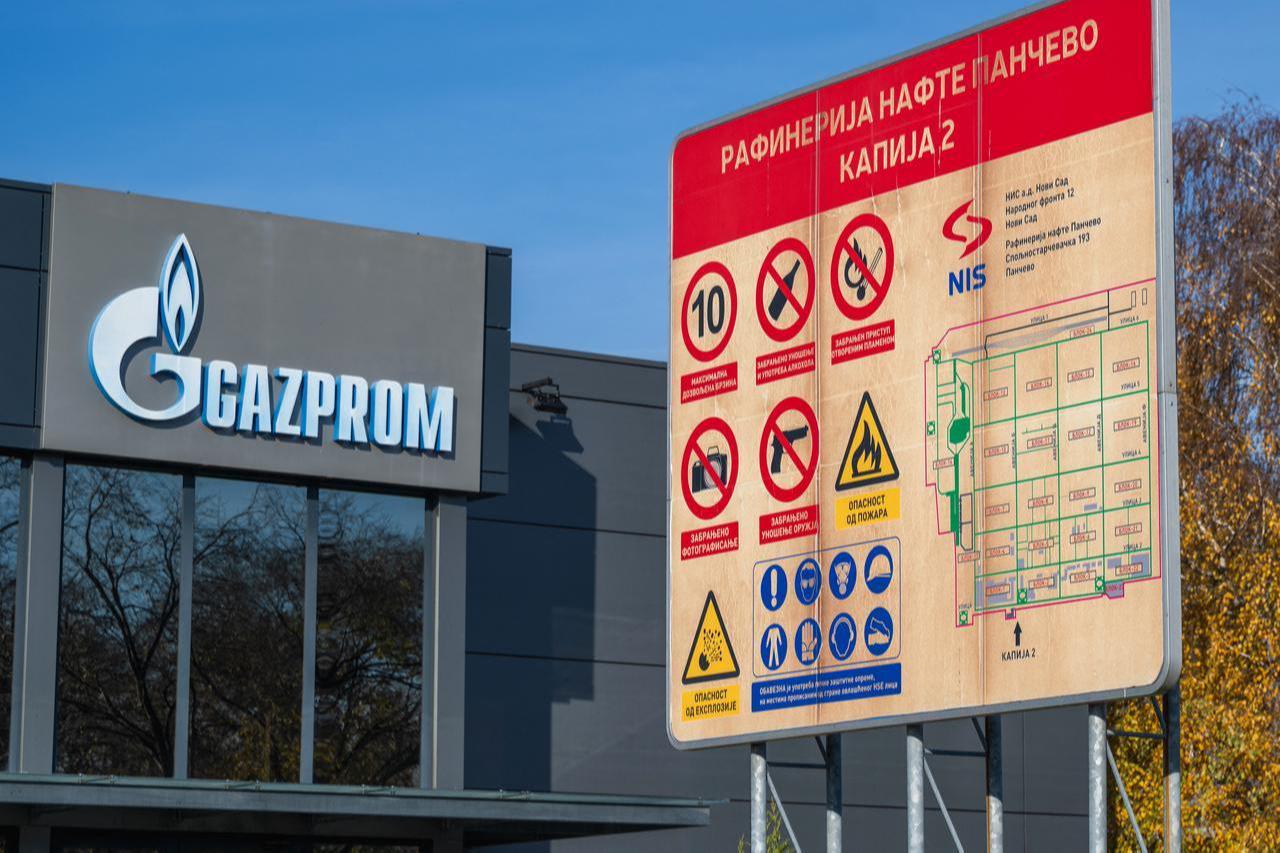
A separate March 24 deadline remains for negotiations over a full exit of Gazprom’s stake. Hungary’s MOL agreed to basic terms with the Russian firm earlier this week, according to officials.
Washington imposed sanctions on NIS on Oct. 9, forcing a months-long shutdown of Serbia’s only oil refinery. Production resumed earlier this month after a temporary waiver was granted by the U.S. Treasury’s Office of Foreign Assets Control.
The sanctions have had a significant impact in Serbia, a close ally of Moscow and one of the few European countries that has not imposed sanctions on Russia over the war in Ukraine.
NIS employs about 13,500 people in Serbia and contributed more than 2 billion euros ($2.5 billion) in tax revenue in 2024, nearly 12% of the national budget.
 1 min read
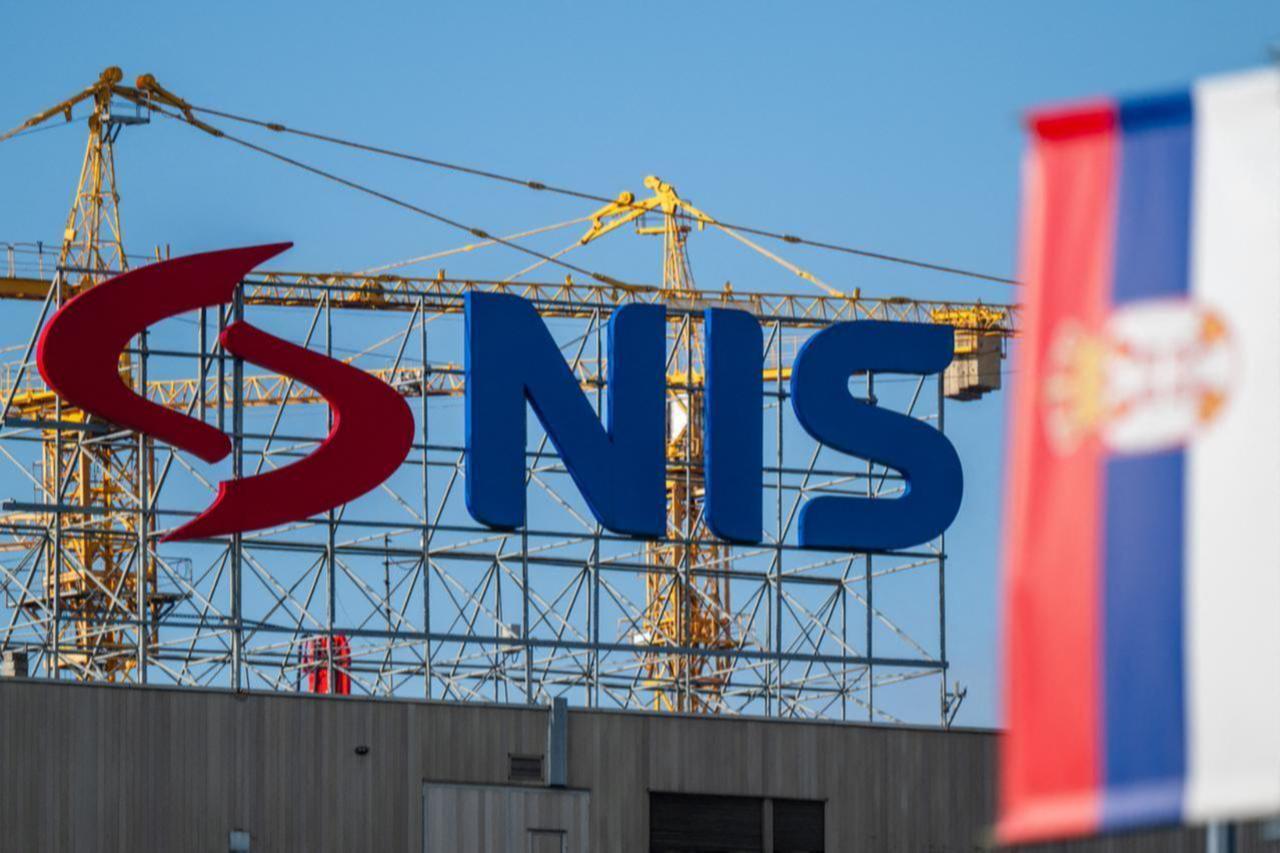
The company operates around 330 petrol stations in Serbia, roughly one in five nationwide. If acquired by MOL, the combined network would exceed 380 stations. NIS also operates in Bosnia and Herzegovina, Romania, Bulgaria and Angola.
Serbia sold a majority stake in NIS to Gazprom in 2008 for €400 million. Since then, several billion euros have been invested in the company.
NIS is currently 45% owned by Gazprom Neft, which is under U.S. sanctions. Gazprom transferred its 11.3% stake in September to an affiliated company, Intelligence. The Serbian state owns nearly 30%, with the remainder held by minority shareholders.
Officials have said the state plans to increase its stake by 5% following a sale. MOL has also confirmed talks with Abu Dhabi National Oil Company, ADNOC, over a possible minority shareholding.


 Set as preferred source
 Set as preferred source



 1 min read