Newsletters




Russian Foreign Ministry spokeswoman Maria Zakharova said Friday that Serbia is being "unceremoniously" and persistently dragged into a confrontation with Russia.
She warned that yielding to that pressure would amount to Belgrade acting against its own interests.
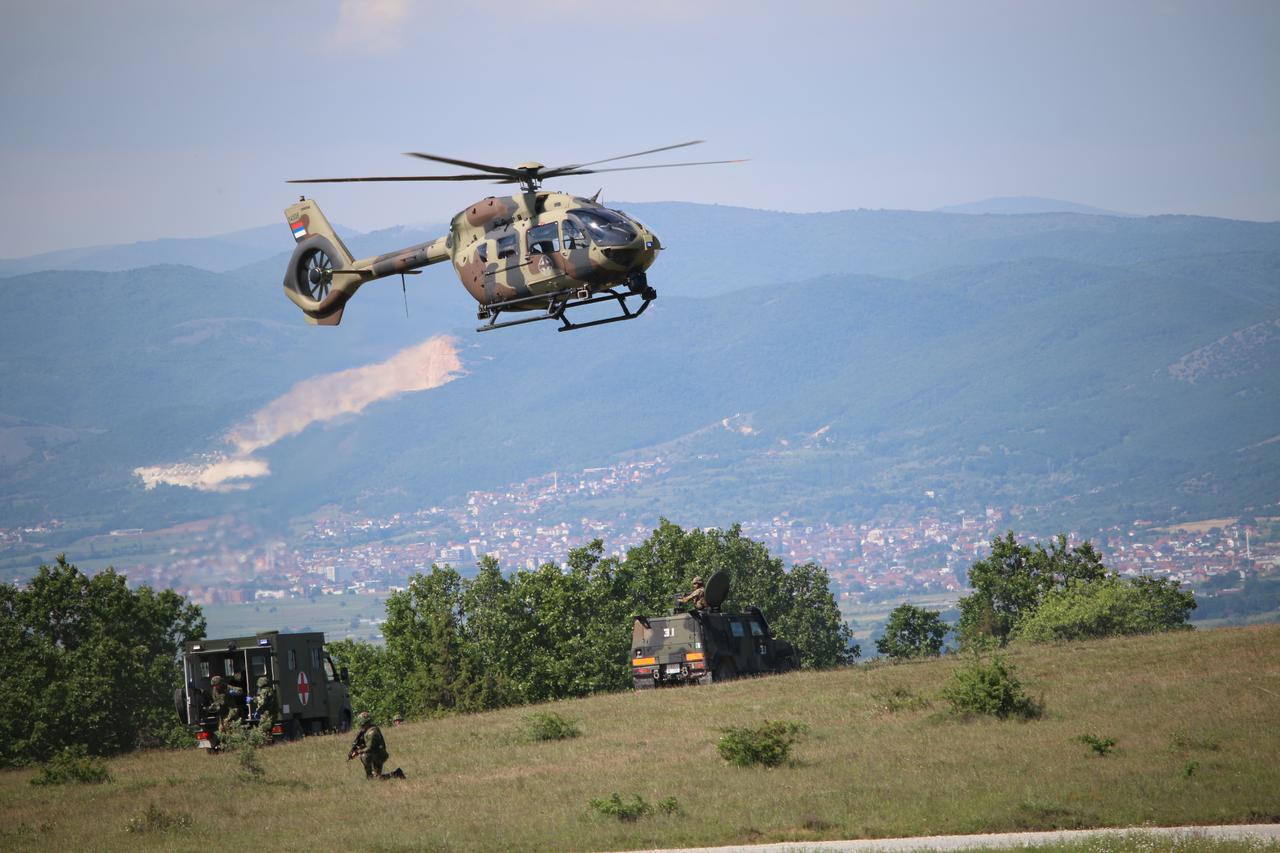
Zakharova's remarks, delivered in an interview with TASS on the sidelines of the St. Petersburg International Economic Forum, come amid ongoing Western pressure on Serbia to align with European Union sanctions policy toward Russia, a step Belgrade has so far declined to take.
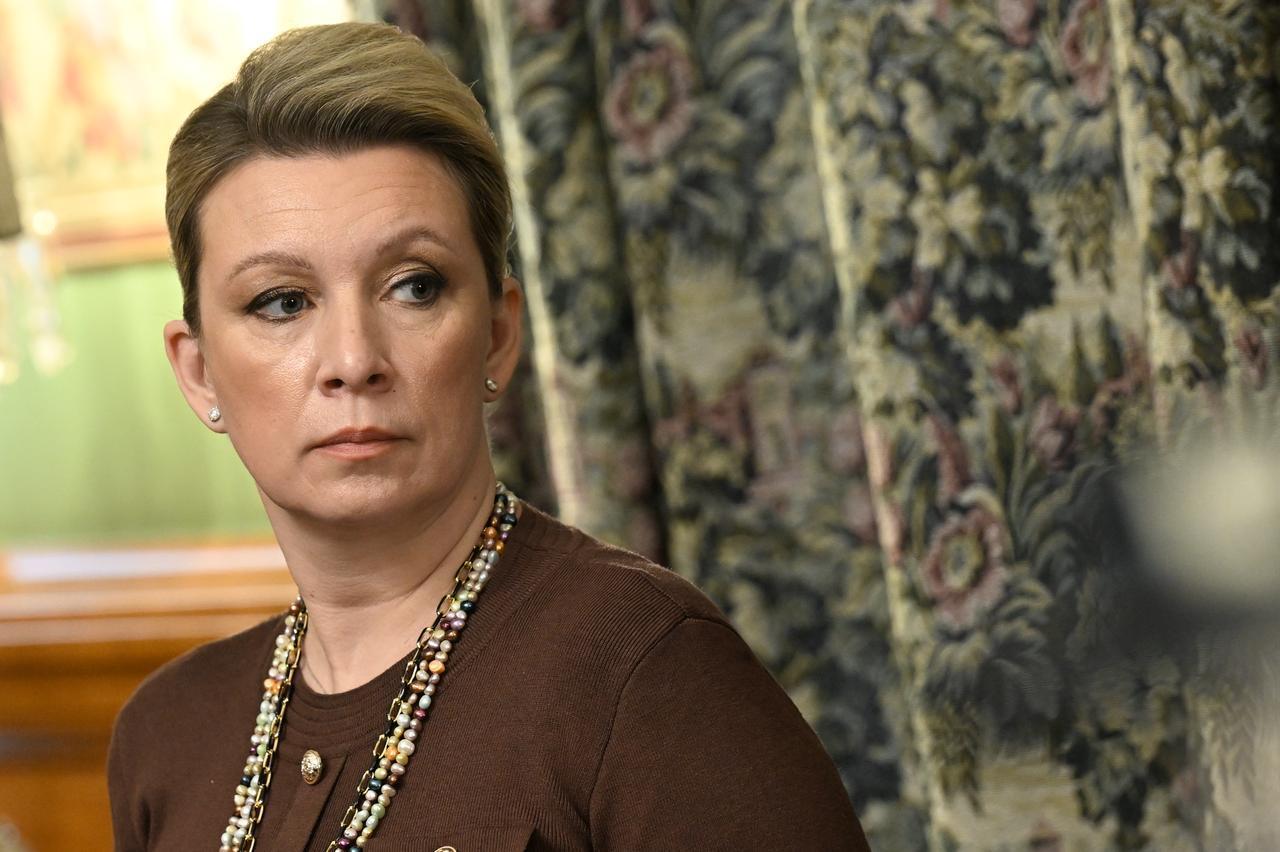

Speaking at the forum, which runs June 3–6 under the theme "Pragmatic Dialogue, A Path to a Stable Future," Zakharova said the pressure on Serbia is relentless and applied without restraint.
"We see how Serbia is essentially being endlessly dragged into a confrontation with Russia. They do it with pressure, they do it unceremoniously. The question, of course, is how much Serbia is resisting. Because this is not only about Russia, it is first and foremost about Serbia itself," she said.
Zakharova, responding to a question about the possibility of Serbia introducing a visa regime for Russian citizens, and cited Serbian President Aleksandar Vucic's stated position that no such plans exist.
Zakharova argued that Russia-Serbia relations have historically delivered concrete gains for Belgrade, including assistance, support, economic benefits and the resolution of pressing issues, and that pressure to sever those ties is tantamount to forcing Serbia to harm itself.
"When Serbia is turned against our country, Serbia is essentially being turned against itself. Not because Serbia is our advocate. And it is not only about the truly brotherly bonds that connect us," she said.
She specifically framed the prospect of Serbia joining anti-Russia sanctions as a self-inflicted economic blow rather than a political gesture.
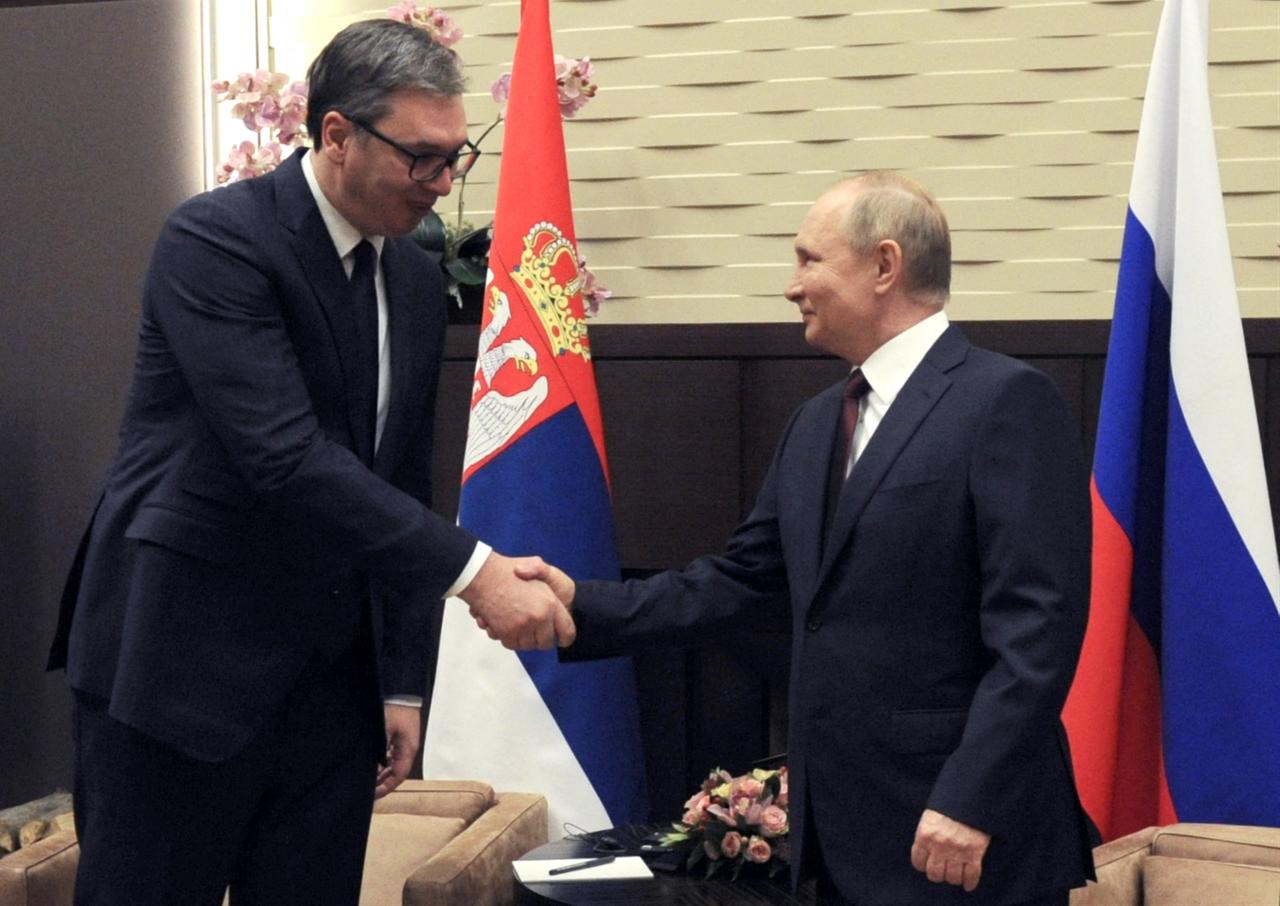
"What does it mean to drag Serbia into anti-Russia sanctions? It is not just a political gesture. It is not just about breaking some special spirit or severing the special ties we have. It is about Serbia having to, from the point of view of its, so to speak, ill-wishers, strike itself: not receive energy resources from us, not sell its goods," Zakharova said.
She dismissed recent speculation about Serbia's possible policy shift as coming from "the same spoiled dough," suggesting the reports were externally manufactured rather than reflecting genuine Serbian intent.


 Set as preferred source
 Set as preferred source


 1 min read
 1 min read