Newsletters


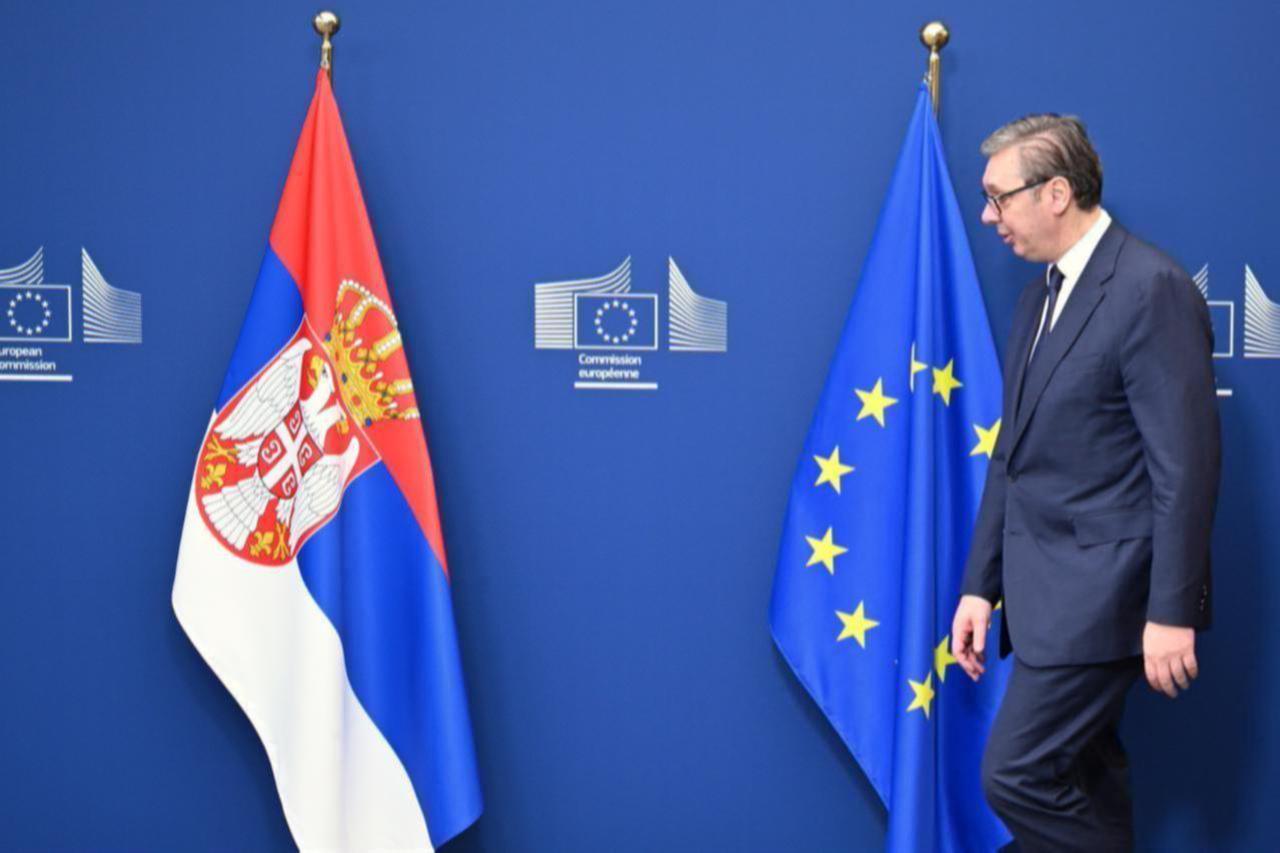


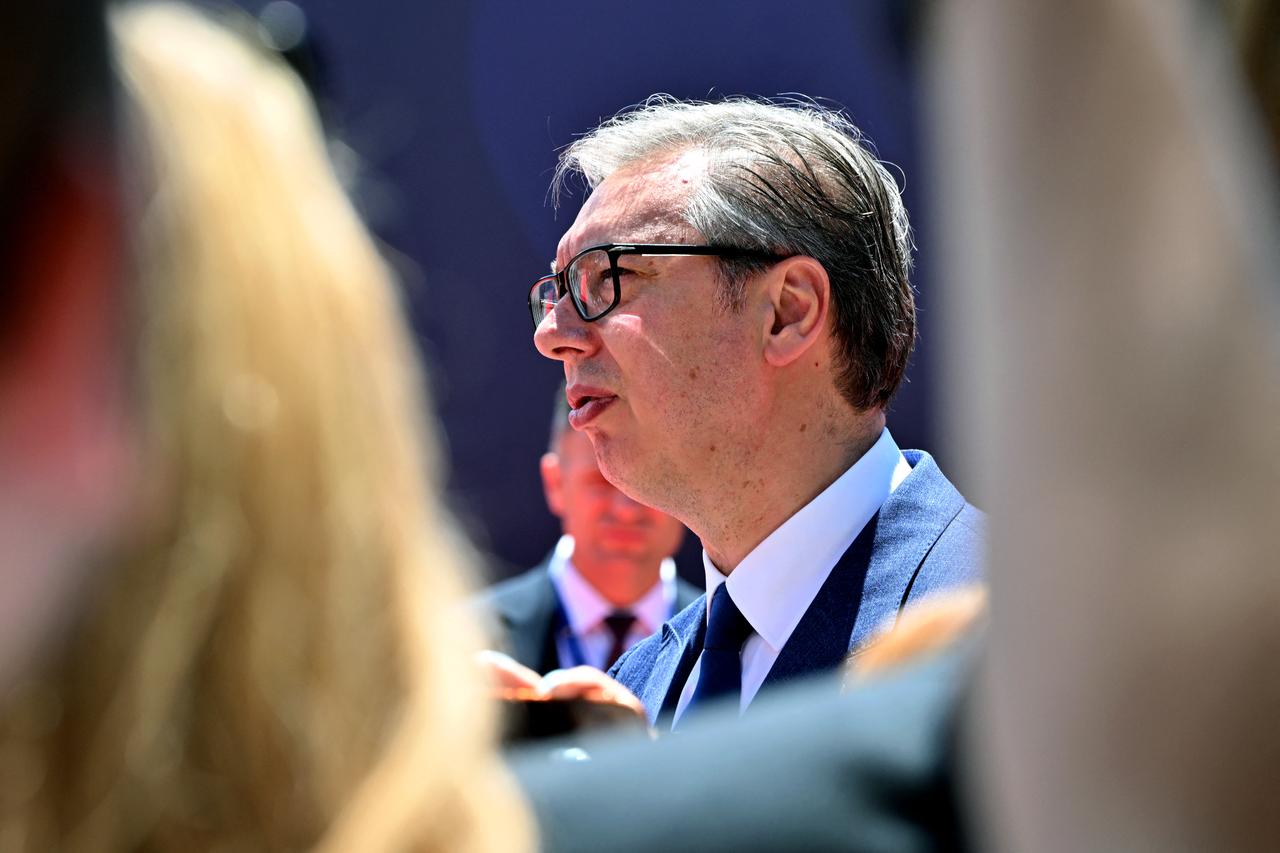
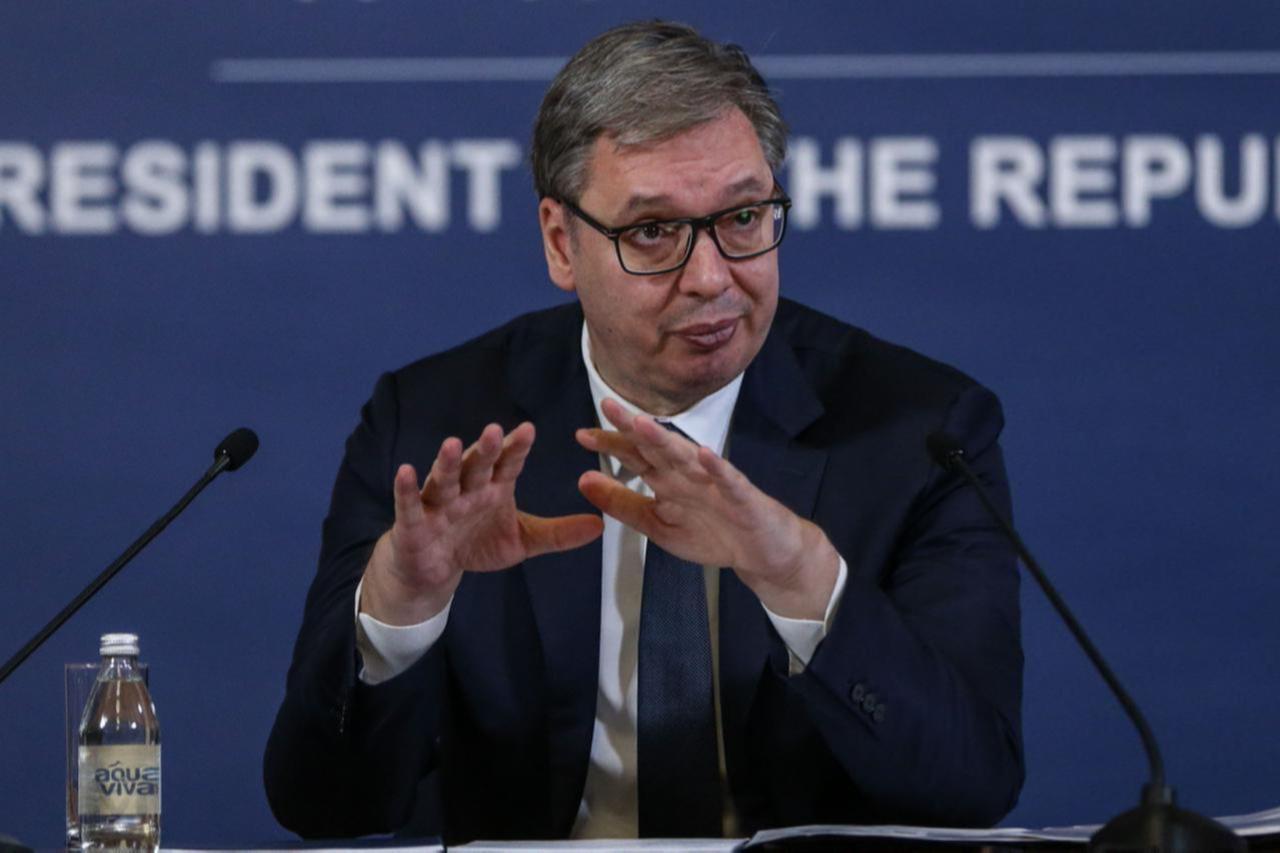
Serbian President Aleksandar Vucic announced Saturday he will resign within weeks and the country will hold early presidential and parliamentary elections, capping more than a year of anti-corruption protests that have tested his grip on power after 13 years dominating the country's politics.
Speaking to thousands of supporters gathered in scorching heat in Belgrade for a ruling party rally, Vucic said these were his "last days and weeks as president of the Republic," adding he would "be president for just a few more weeks, then will resign."
He did not specify a date for his departure or for dissolving parliament, a legal precondition for early parliamentary elections, which, along with the presidential vote, had originally been scheduled for 2027.
Vucic said he would help his Serbian Progressive Party win the trust of the public in future elections but set no election date. His second and final presidential mandate was due to expire in mid-2027.
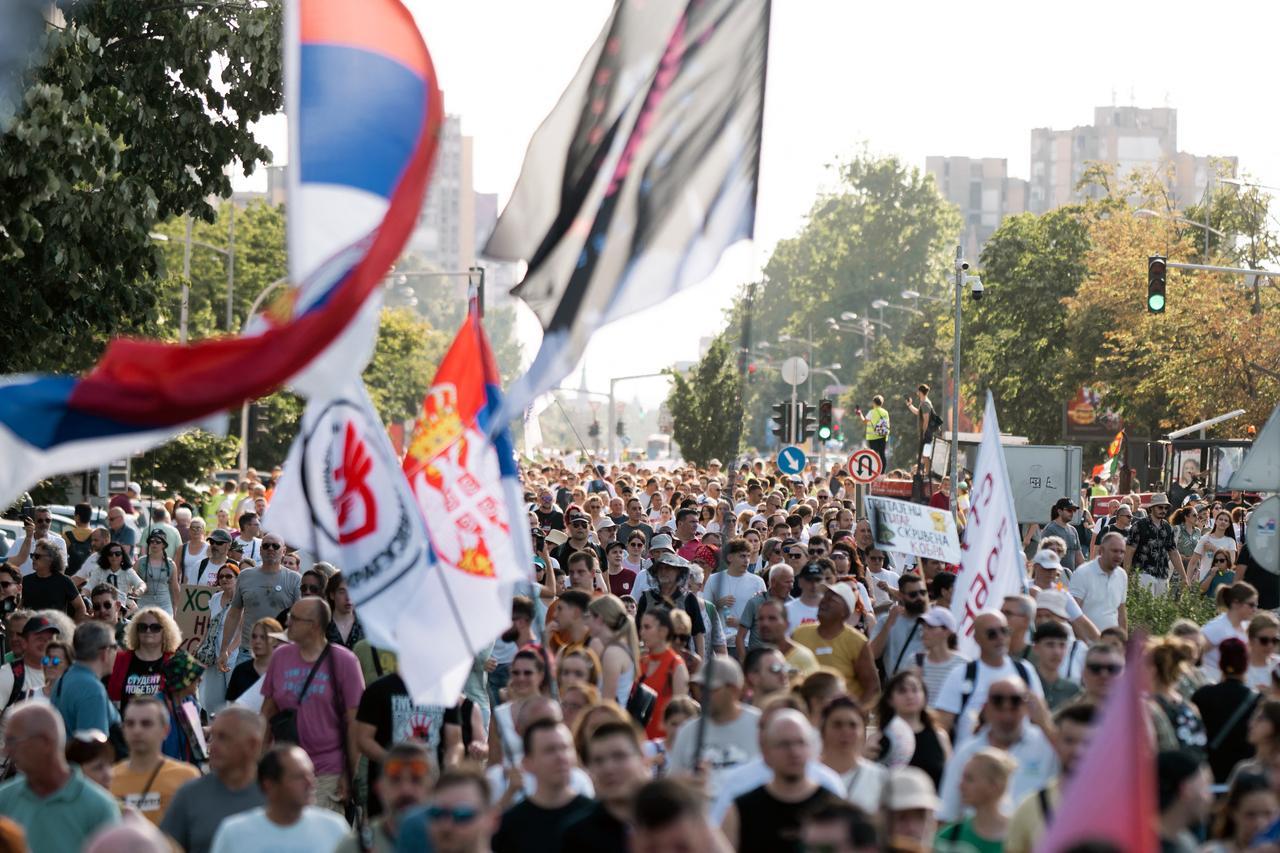

The announcement comes after roughly 18 months of sometimes violent demonstrations, triggered by the collapse of an awning at the railway station in Novi Sad, Serbia's northern hub city, in November 2024, which killed 16 people.
Protesters, opposition parties and rights groups have characterized the disaster as evidence of broader government mismanagement of construction projects and systemic corruption.
They have also leveled accusations against Vucic and his allies of violence against political opponents, ties to organized crime and the suppression of media freedoms. Vucic and his allies deny the allegations.
The movement, led largely by students, evolved from calls for a transparent investigation into the Novi Sad disaster into wider demands for governmental accountability and snap elections. Days before Saturday's rally, students gathered in Novi Sad to commemorate the victims and press those demands.
A further student rally is planned for Sunday in Kraljevo, in southeastern Serbia, timed, as was Vucic's gathering, to coincide with Vidovdan, a June 28 national and religious holiday that carries deep historical resonance in Serbia, from the 1389 Battle of Kosovo to the 1914 assassination of Archduke Franz Ferdinand in Sarajevo.
Critics were swift to frame Vucic's announcement as a tactical maneuver rather than a genuine concession. Savo Manojlovic, head of the student opposition Move-Change Movement, said Vucic was "trying to preempt his inevitable fall, because of protests and because of the student movement which has more support than he does."
Vucic has previously referred to protesting students as "foreign agents" seeking to overthrow the government through "organised action" aimed at "fuelling divisions." Saturday's speech nonetheless reflected a shift in tone, and political observers noted that rumors have circulated of Vucic potentially seeking to return as prime minister, an office he held from 2014 to 2017, a move that would allow him to retain influence outside the presidency.
 1 min read
Saturday's rally was staged with considerable theatrical flair. Supporters were offered free food and folk music throughout the day despite a heatwave gripping much of the Balkans, with temperatures surpassing 35 degrees Celsius by midday and public health authorities issuing a red alert.
Organizers carried a Serbian flag they said weighed one tonne and stretched 500 meters across the venue, billed as a symbol of national unity. Humanoid robots were displayed on stage, a reference to Vucic's visit to China last month during which he viewed prototypes and announced plans to begin manufacturing them in Serbia.
Among the crowd, supporters expressed unwavering loyalty. "I wish him lots of luck and may he lead us for as long as he can," said Milomir Cimbaljevic, 74, a pensioner from Belgrade. Darinka Avramov, 60, wearing a hat bearing the president's initials, called the moment "important for the future of our children and all our young people."
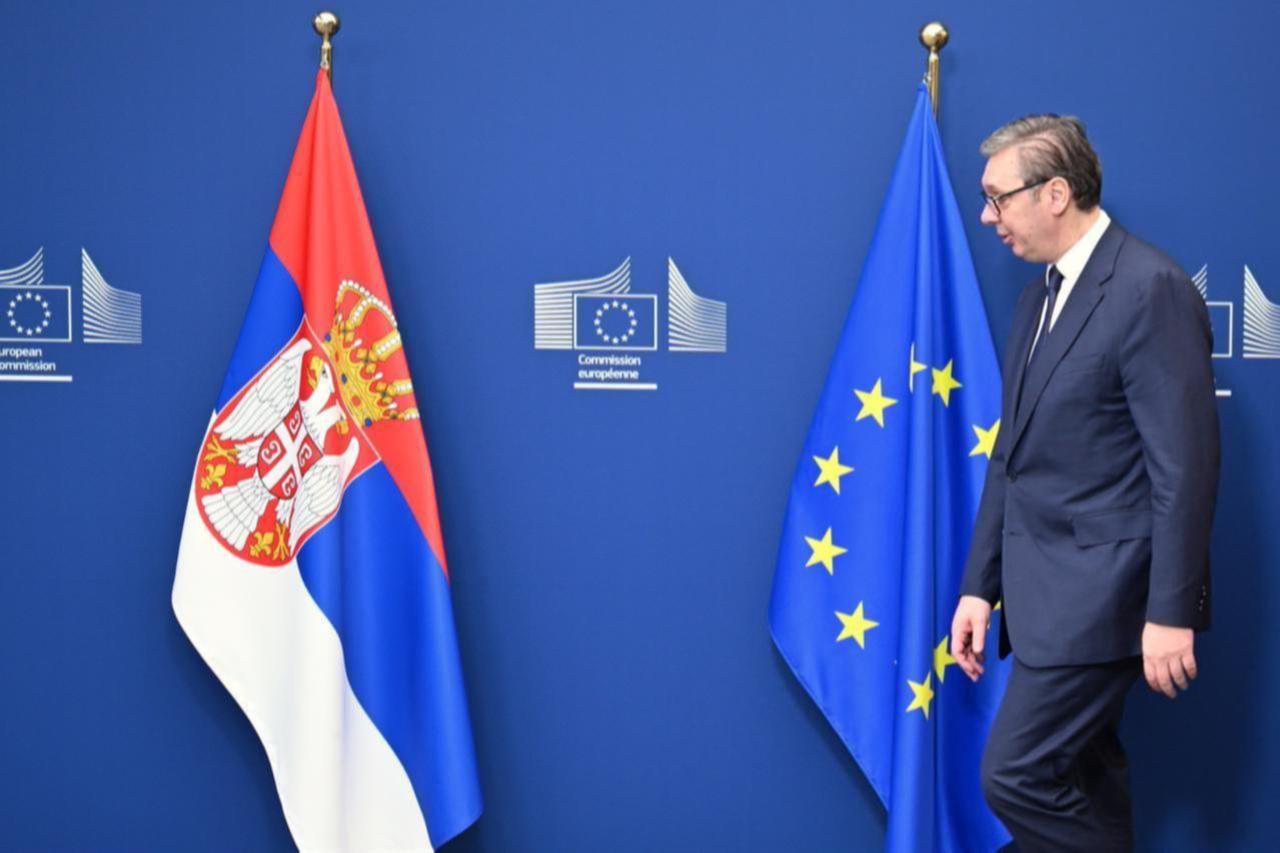
Serbia holds candidate status for European Union membership, though accession remains contingent on a series of reforms that Belgrade has yet to complete. These include strengthening the rule of law, ensuring conditions for free and fair elections, dismantling corruption and organized crime networks, and aligning its foreign policy with the EU's, among them adopting sanctions against Russia over its invasion of Ukraine.
The ongoing political crisis, and the conditions under which any early elections would be held, are likely to draw scrutiny from Brussels as Serbia navigates a period of significant political uncertainty.


 Set as preferred source
 Set as preferred source


 1 min read