Newsletters


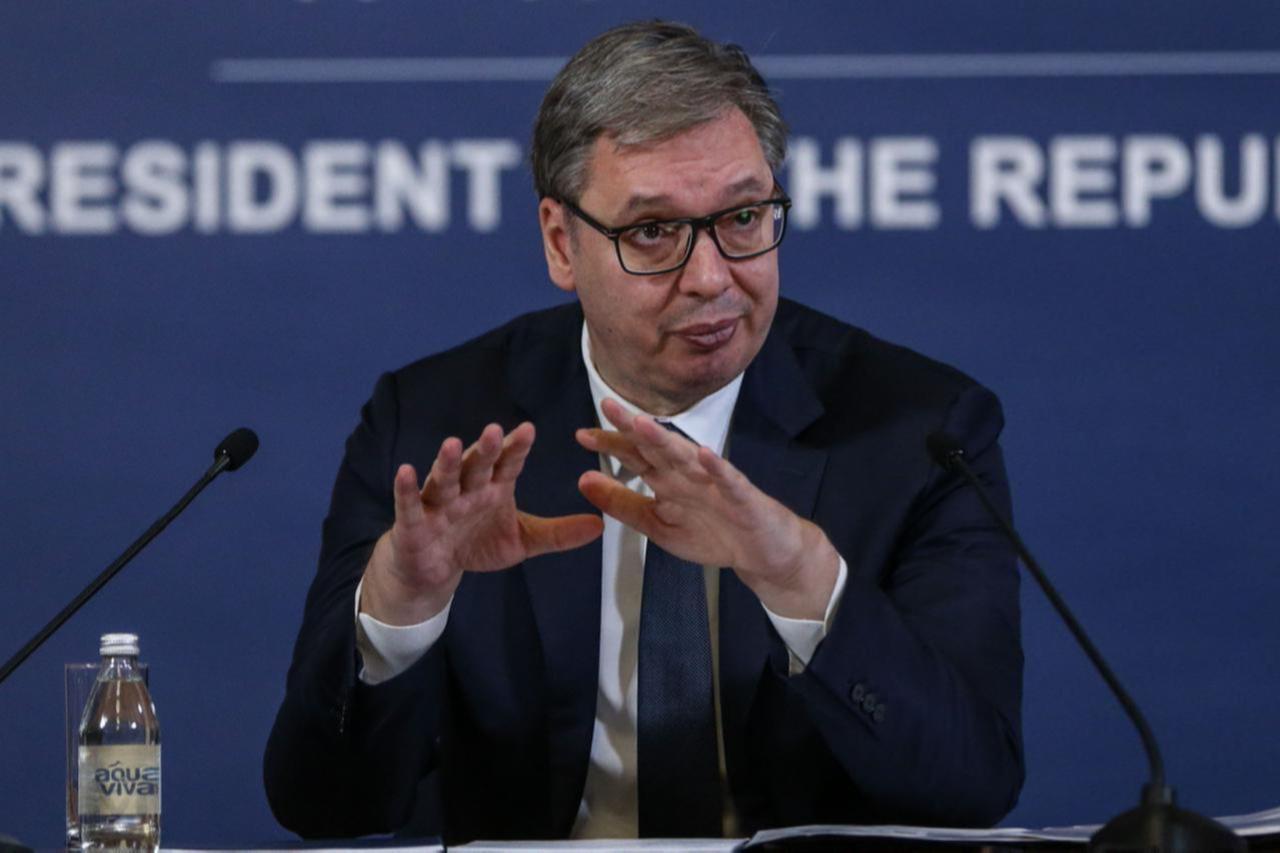


Serbian President Aleksandar Vucic warned that Europe risks economic decline because of complacency, weak productivity and growing protectionism, after returning from Beijing with more than $1 billion in new Chinese investment pledges for Serbia.
In an interview with Bloomberg in Belgrade, Vucic said Europe was creating obstacles that complicate investment flows between Europe, China and the U.S., arguing that protectionist policies are damaging the continent’s competitiveness.
“Protectionism is killing, in the end, Europe,” Vucic said.
He added that productivity and work culture would become one of the biggest challenges facing the continent.
“How we are going to handle this,” Vucic said. “We all live nicely. We don’t see what’s happening around us.”
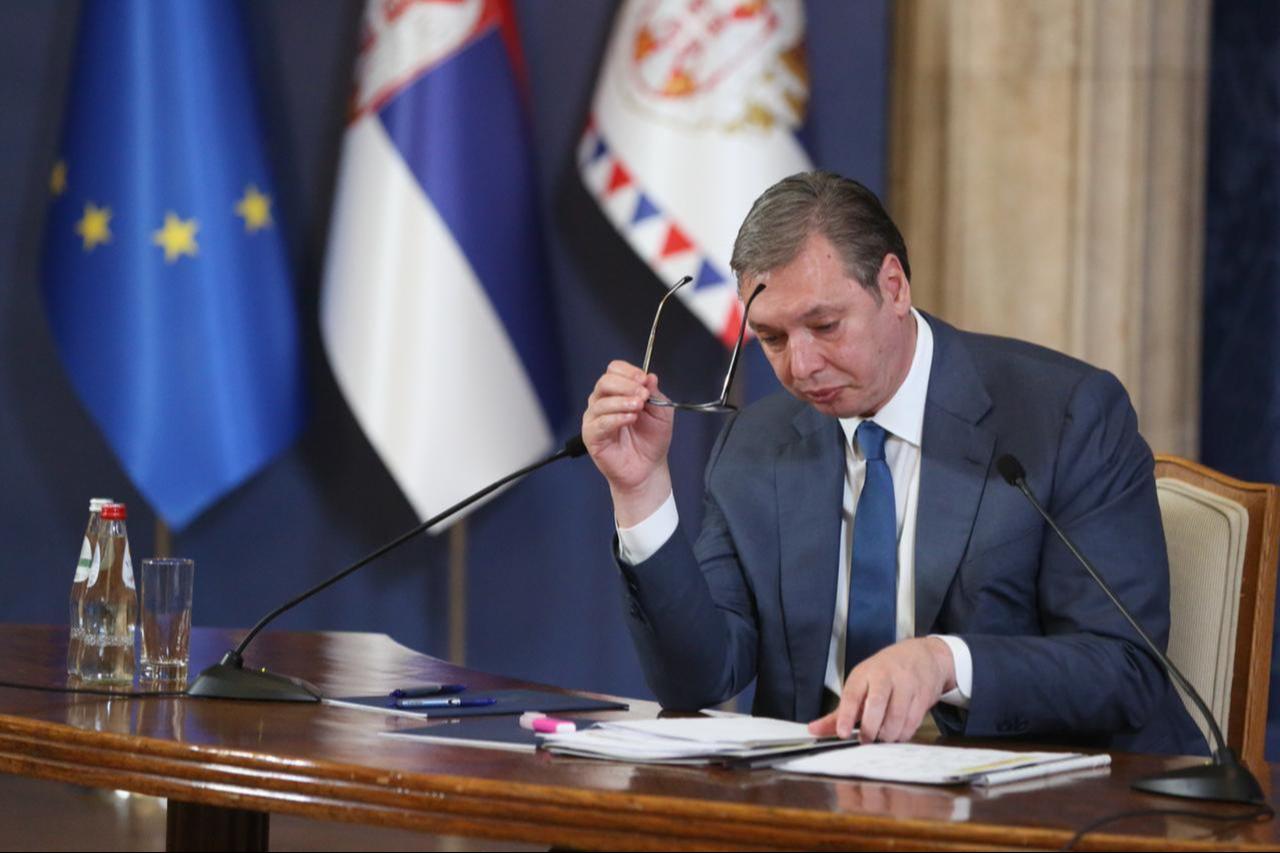

During Vucic’s 12 years in power, Serbia has emerged as one of China’s main entry points into Europe, attracting billions of dollars in investment across sectors ranging from mining to humanoid robots.
Chinese President Xi Jinping has described relations between the two countries as an “ironclad friendship.”
According to Vucic, Chinese investment in Serbia has nearly caught up with investment from the European Union, despite Belgrade continuing to pursue EU membership.
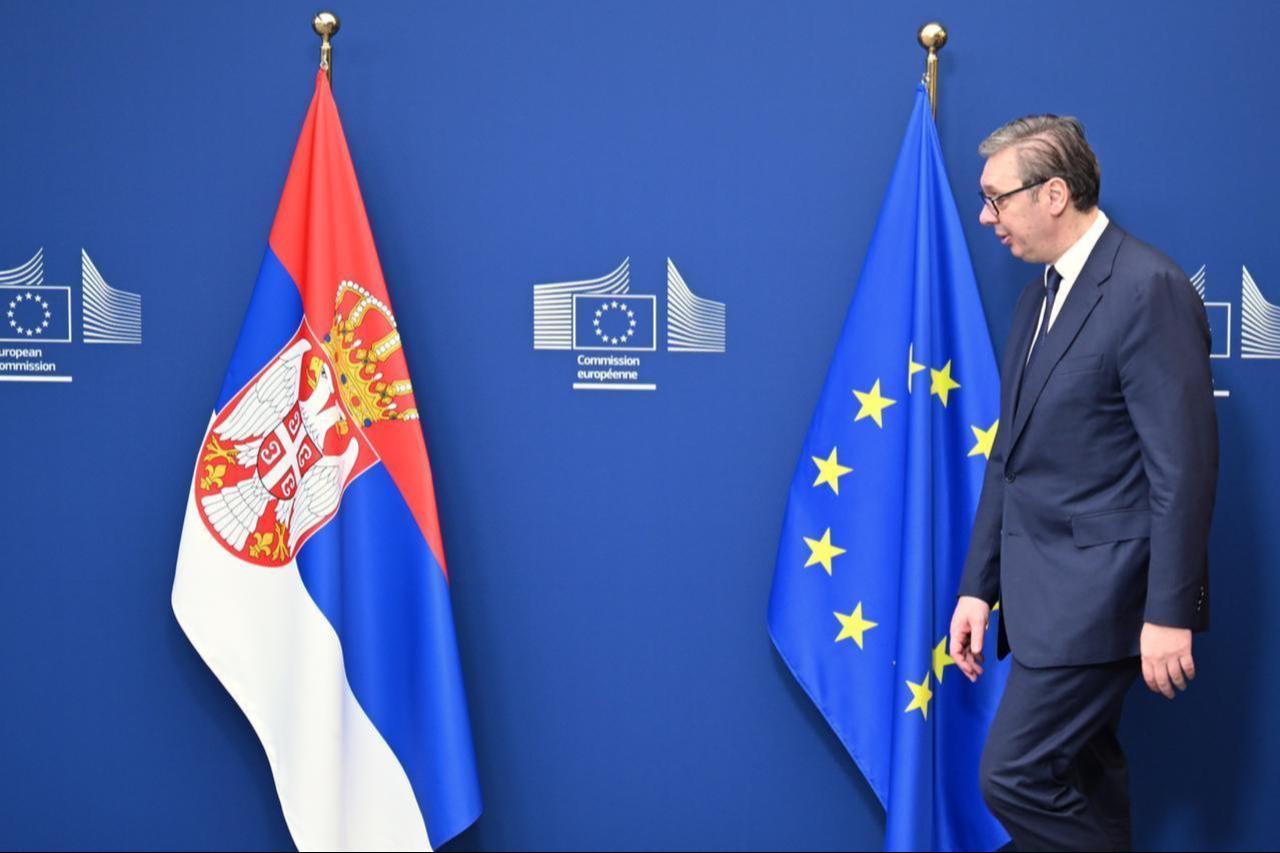
The Serbian president said his government would continue meeting EU requirements but stressed that Serbia could not afford to wait indefinitely.
“We’ll do our job” regarding EU criteria, Vucic said. “But in the meantime, we have to take care of ourselves. We cannot wait forever.”
Vucic emphasized that Serbia remains on the EU path despite growing public skepticism toward membership.
He said support for joining the bloc among Serbia’s 6.6 million citizens has fallen to a record low of 35% this year because of uncertainty surrounding the accession process.
“We are on the EU path, and it doesn’t matter what kind of pressure we’ll be facing about that,” Vucic said. “We will remain on the path.”
Vucic has positioned Serbia as an EU candidate country while simultaneously maintaining close relations with China, Russia and the U.S.
He said Serbia has received nearly €8 billion in direct Chinese investment and almost the same amount in loans supporting infrastructure projects carried out by Chinese contractors.
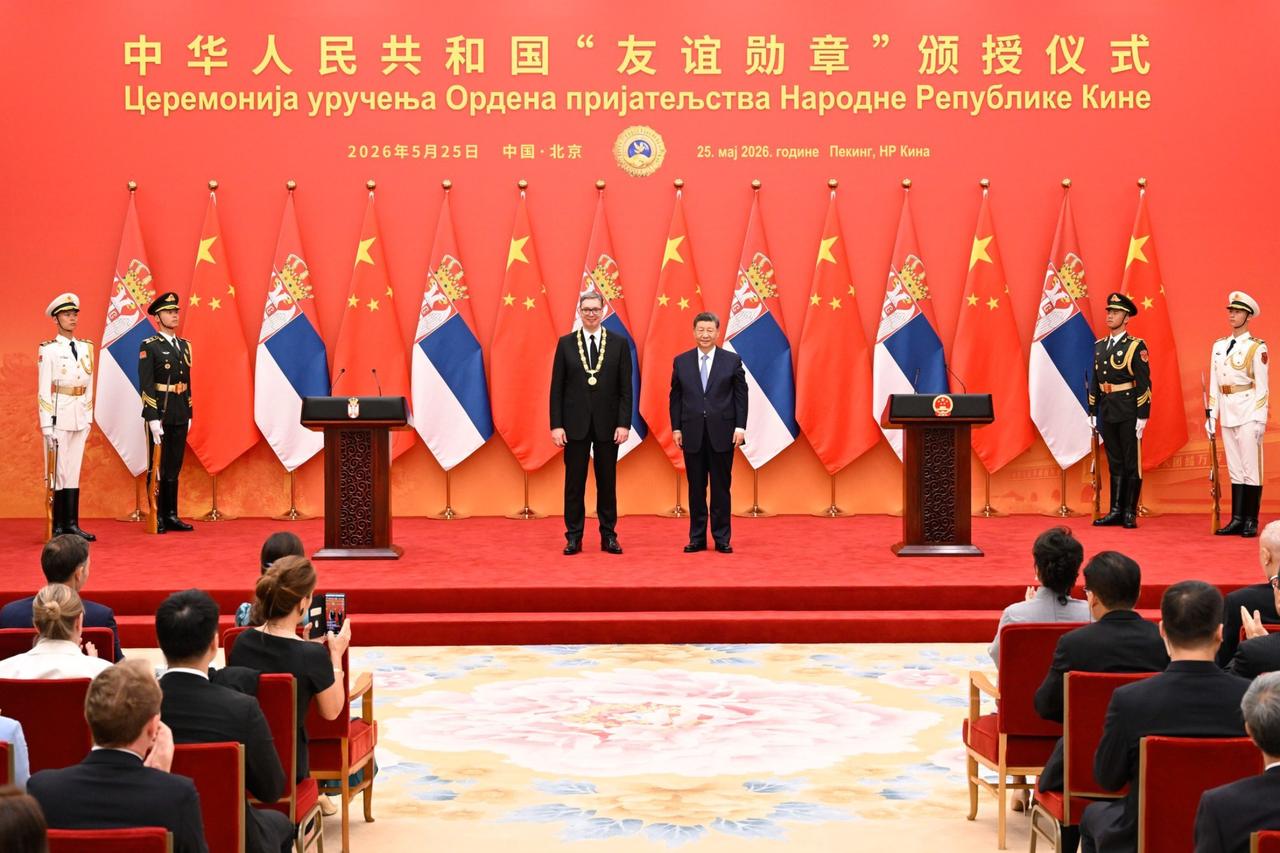
During his latest visit to Beijing, Xi awarded Vucic the Friendship Medal, China’s highest honor for foreign nationals, after welcoming him with a state ceremony at the Great Hall of the People.
Vucic also said Serbia remains open to deeper economic cooperation with the U.S.
Despite longstanding distrust of Washington linked to NATO’s bombing campaign during the Kosovo war, Vucic described U.S. President Donald Trump as “a kindred spirit” who prioritizes national interests.
He said the U.S. could potentially invest as much as $15 billion in Serbian energy and construction projects, although he provided no further details.
Vucic said Serbia will hold parliamentary elections this year.
He ruled out seeking another presidential term after his current mandate ends in 2027, citing constitutional limits, but said a future return as prime minister was possible if his Serbian Progressive Party required his leadership.
The Serbian leader has faced months of protests driven largely by students following a deadly November 2024 railway station canopy collapse on a route being upgraded by Chinese companies.
The demonstrations have focused on allegations of cronyism and authoritarian governance, while protesters have called for early elections.
Despite the unrest, Vucic said his party remains the leading political force, polling at more than 40% support.
On foreign policy, Vucic described the war between Russia and Ukraine as a “stalemate” involving “our Slavic brothers, very close friends,” and said he did not expect the conflict to end soon.
He also urged European leaders to continue the EU enlargement process and provide greater clarity to candidate countries about future membership prospects.


 Set as preferred source
 Set as preferred source


 1 min read
 1 min read