Newsletters



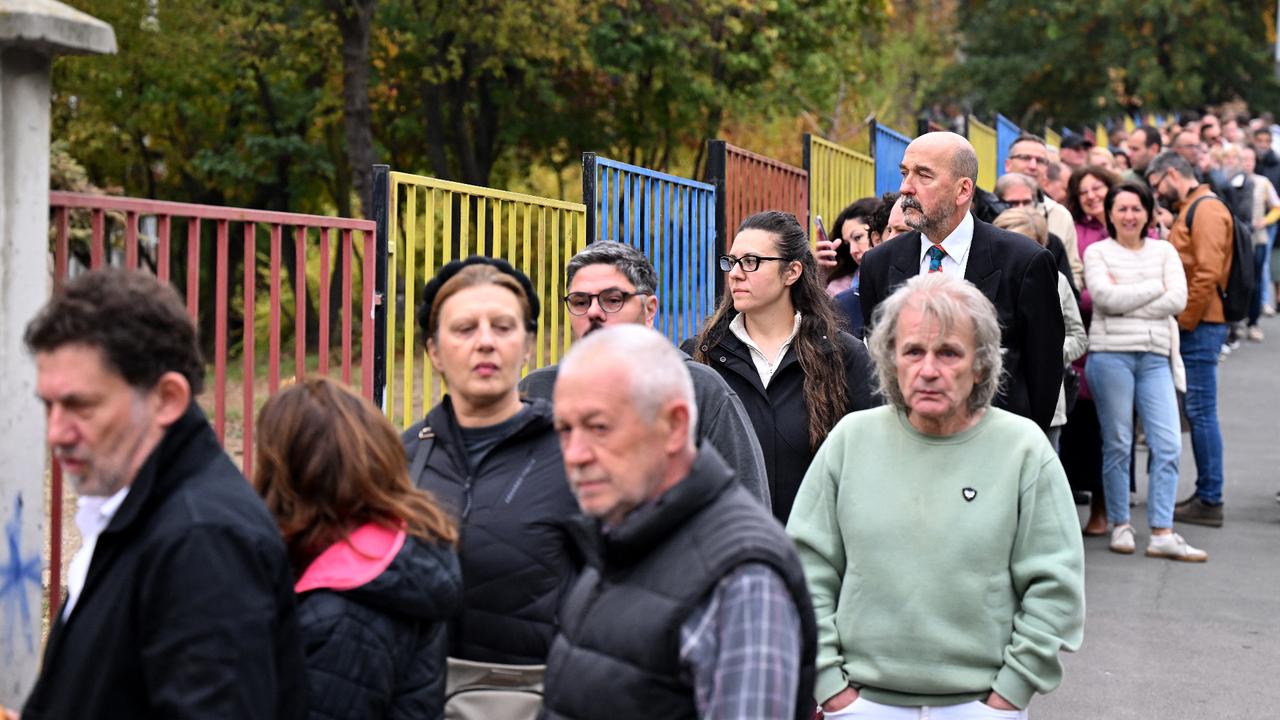
Serbians began voting Sunday in a parliamentary election shaping up as the country’s tightest in over 14 years, with a student-led movement aiming to unseat longtime leader Aleksandar Vucic and his party.
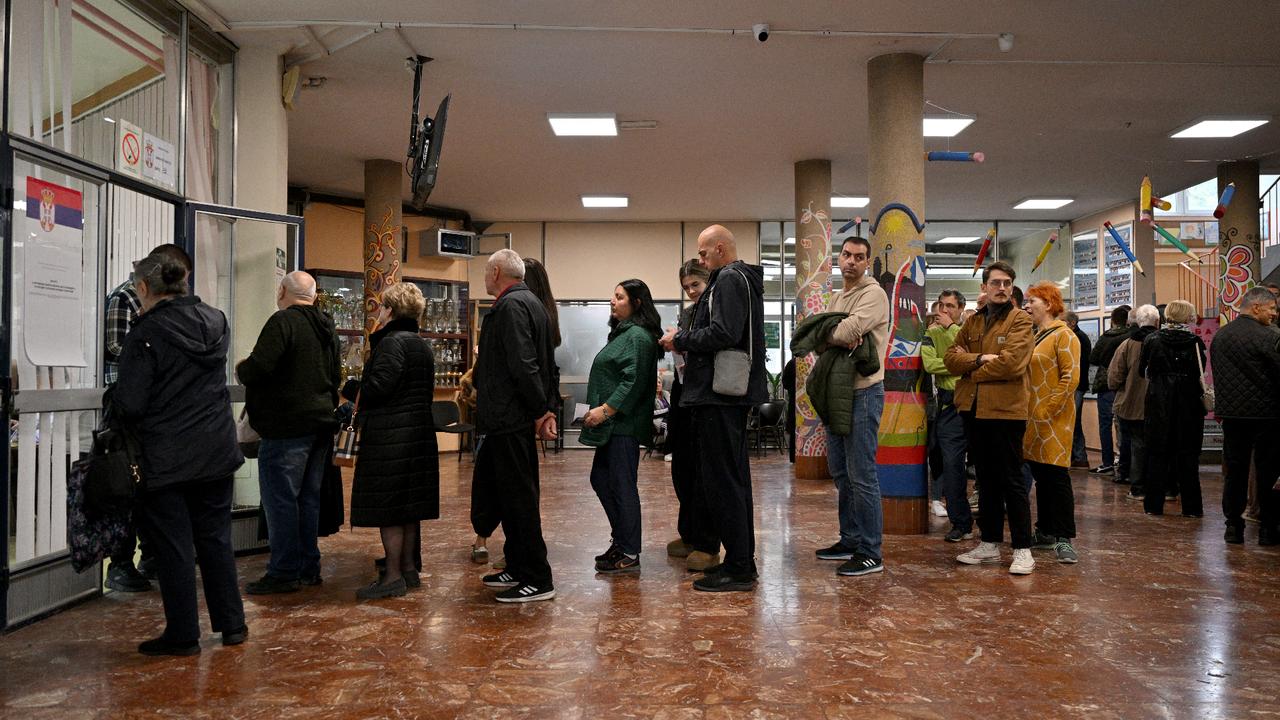
The early vote follows almost two years of demonstrations triggered by a 2024 canopy collapse at Novi Sad railway station that killed 16 people.
Many blame corruption for the tragedy. The unrest produced Serbia’s biggest street protests since Slobodan Milosevic fell in 2000.
Backed by the largely leaderless movement, the Students’ List poses the biggest challenge yet to Vucic’s Serbian Progressive Party (SNS).
The SNS has controlled national politics throughout its time in office.
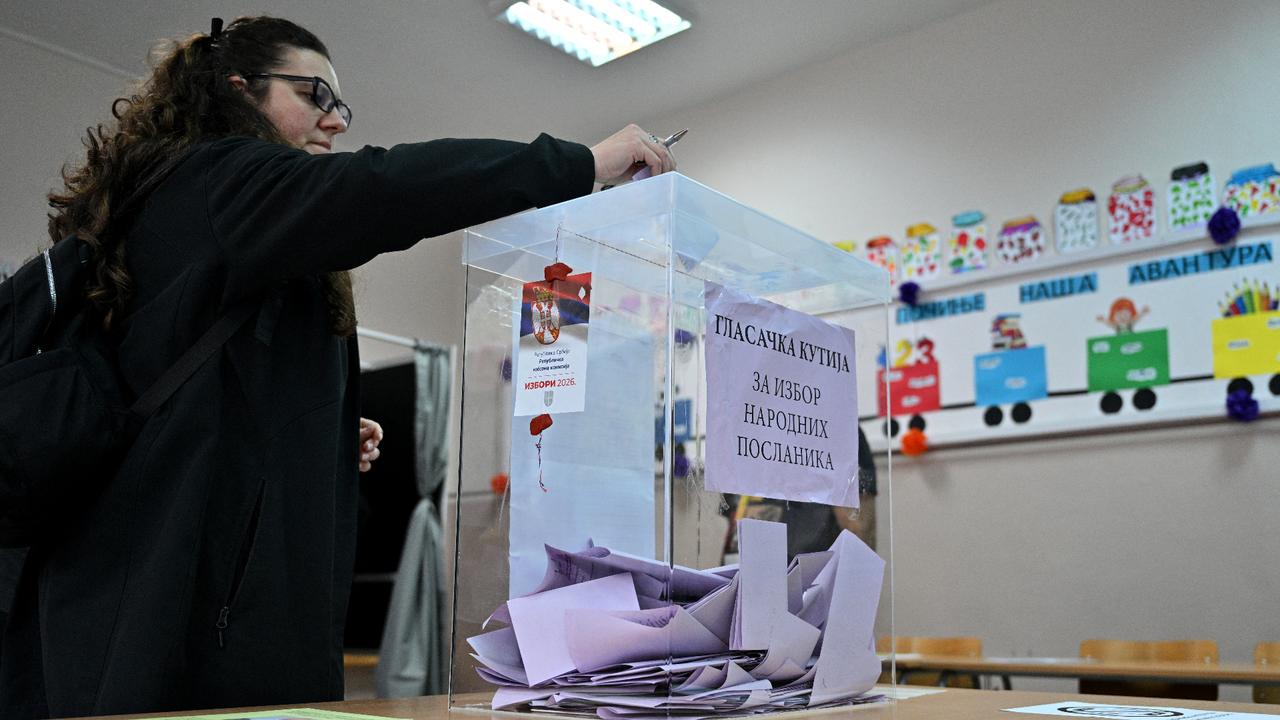
18 lists compete for seats in the 250-member parliament, though surveys suggest voters mainly face a choice between the incumbents and the student ticket.
Several major opposition parties skipped the race and urged their backers to support the students.
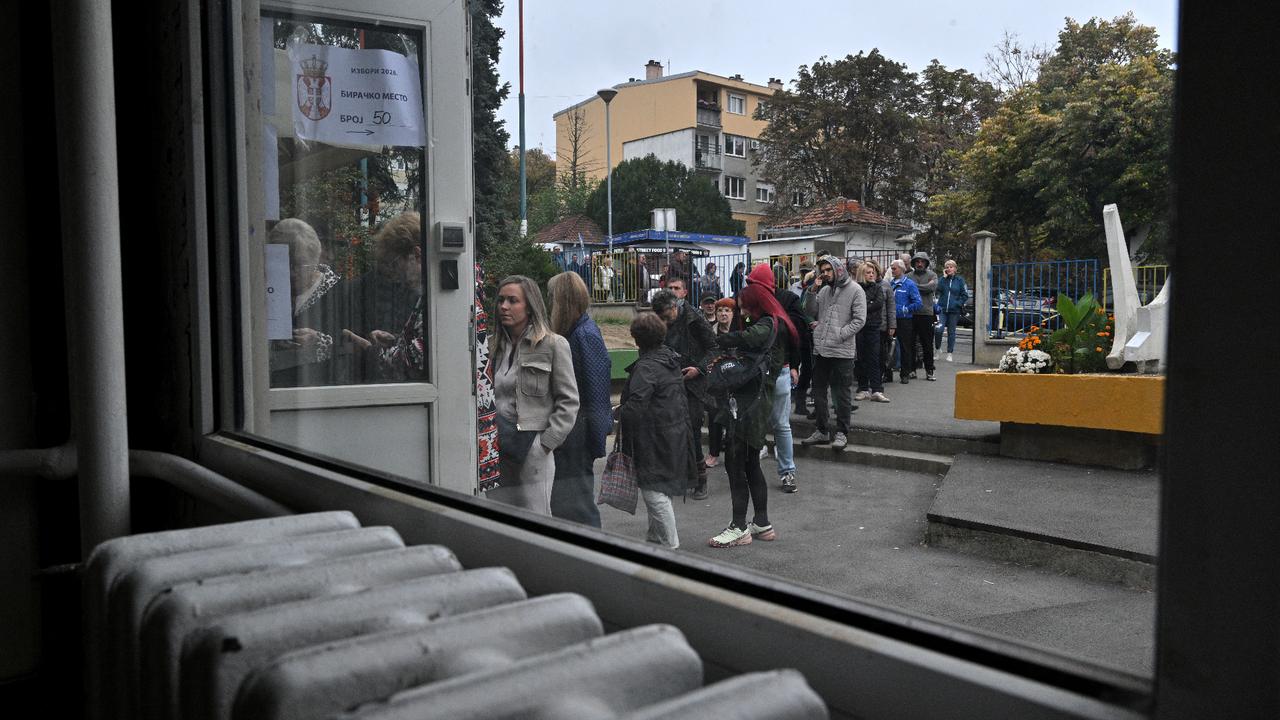
Turnout is expected to run unusually high among Serbia’s 6.4 million registered voters.
Participation has declined since 2000, when about 70% cast ballots to topple Milosevic, averaging just over 55% under SNS rule.

Over the past two years, students have rallied and trekked through towns nationwide, aiming to speak with voters in person and offset the SNS’s media reach.
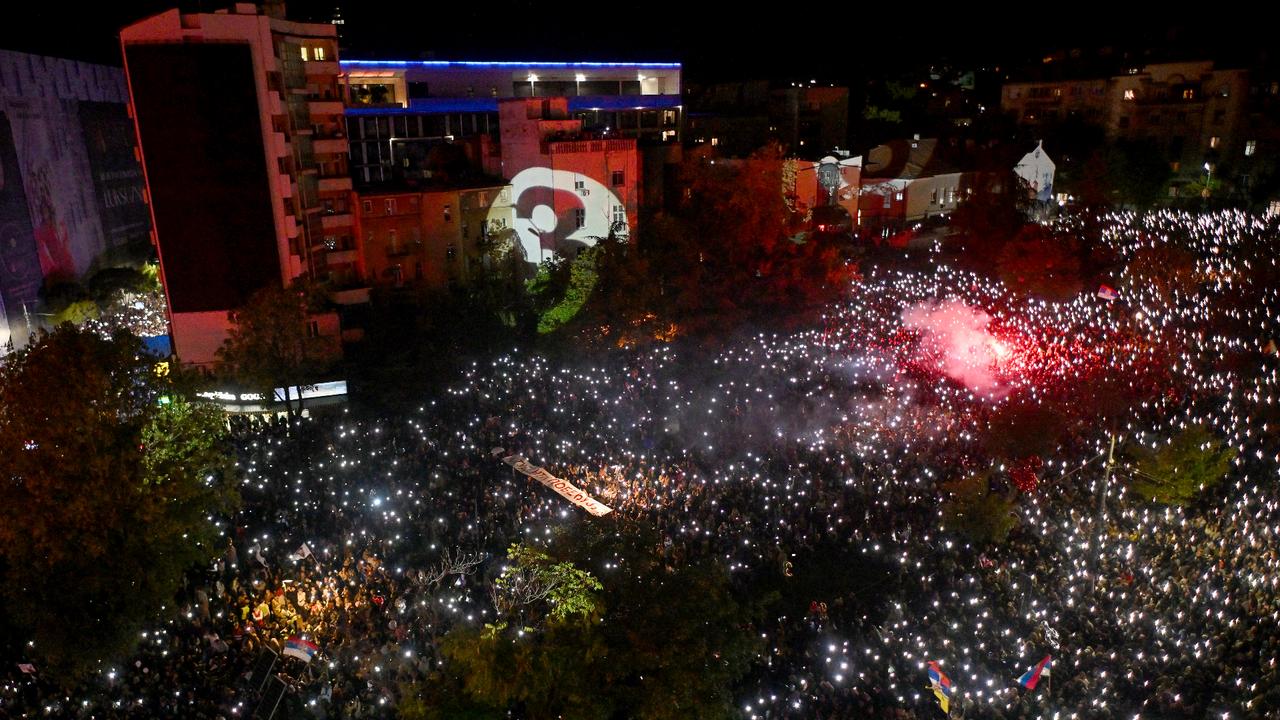
Their demonstrations have regularly attracted huge crowds.
An independent monitor estimated that about 150,000 people packed Belgrade’s streets for a final pre-election rally Thursday.

Polling stations opened at 7:00 a.m. (6:00 a.m. GMT) and close at 8:00 p.m.


 Set as preferred source


 2 min read