Newsletters


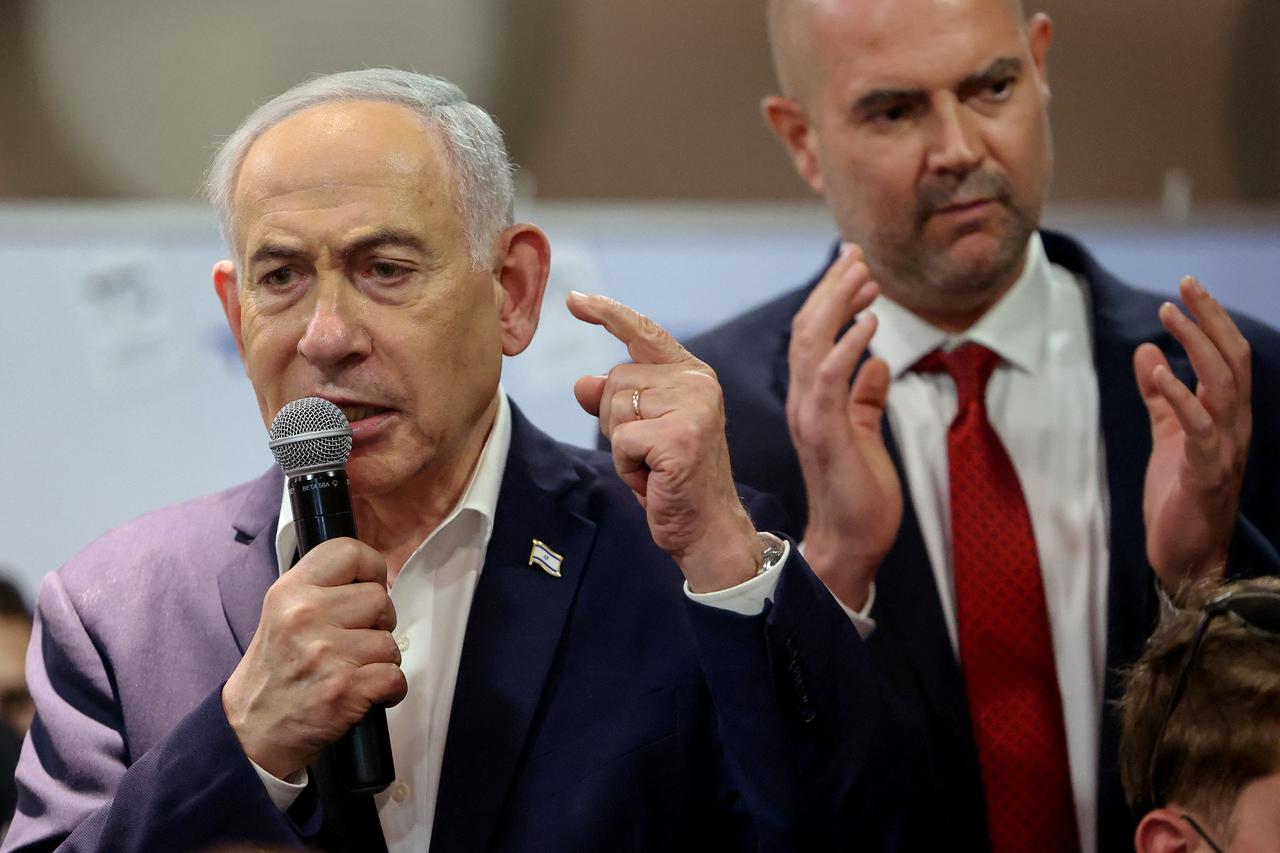


The Bank of Israel said Saturday that cryptocurrencies cannot be used to circumvent potential economic sanctions in response to Prime Minister Benjamin Netanyahu’s proposal to prepare alternative financial arrangements, according to a media report.
The public broadcaster said the central bank’s response followed Netanyahu’s interview on Friday with an Israeli business channel, during which he proposed using cryptocurrencies as part of contingency plans for possible economic and banking sanctions.
The bank said cryptocurrencies “cannot be used as a route for bypassing sanctions,” according to the broadcaster.
“The right thing for Israel’s economy is preserving the economic relationships with our principal trade partners and focusing on preventing sanctions and their negative influence on the economy,” said the bank.
It stressed that the issue fell within the political leadership’s responsibilities, urging efforts to prevent sanctions and limit their consequences.
Netanyahu expressed concern about possible economic and banking sanctions. He made the remarks to Channel 10 after 12 Western countries, including France, Spain, Britain and Canada, announced a trade ban on Israeli settlements Sept. 8.
He explained that one contingency plan he had ordered officials to prepare involved cryptocurrencies. “Yes, that’s one of the ways. And I’ve already asked for a plan to be prepared for this,” Netanyahu said, when asked whether blockchain was the alternative.
Netanyahu also warned that U.S. aid could end and Washington’s position toward Israel could change after President Donald Trump leaves office. “America has changed,” he said, without giving a date or announcing a formal U.S. decision. Under a 2016 agreement, Israel receives $38 billion in U.S. military assistance over 10 years, ending in 2028.
Opposition leader Yair Lapid criticized Netanyahu’s remarks.
“Netanyahu’s statement is insane, but it is true: If his government is elected, security assistance will stop and severe economic sanctions will be imposed on Israel,” said Lapid.
Yoav Horowitz, a former head of the Prime Minister’s Office and a co-founder of the opposition Yashar party, also warned of economic consequences.
In an interview with the public broadcaster, Horowitz said reactions to Netanyahu’s remarks would become apparent Sunday and Monday.
“We will see entities withdrawing their money from here,” he said. “Instead of telling us how he will prevent sanctions and ensure they are not imposed, he explains what should be done when sanctions are imposed.”


Horowitz added that “Netanyahu, Ben-Gvir and Smotrich equal sanctions,” referring to National Security Minister Itamar Ben-Gvir and Finance Minister Bezalel Smotrich.
He warned that Netanyahu’s remarks could discourage people from living in Israel, establishing businesses, opening bank accounts or investing, prompting them to look abroad instead.
The exchanges come three days before Tuesday’s Knesset elections, amid growing debate about the potential economic consequences of Netanyahu’s policies and Israel’s international trade and financial relations.
European calls for punitive measures against Israel have intensified during its war on the Gaza Strip and illegal settlement activity in the occupied West Bank. European Union members, however, remain divided about the scope of the measures.
The Jewish People Policy Institute has mapped 121 sanctions and restrictive measures against Israel in 62 countries, 93 of them in force, with financial measures the largest category at 40.
In September 2025, the European Commission proposed suspending some trade preferences granted to Israel under the bilateral Association Agreement, alongside sanctions against extremist Israeli ministers and violent occupiers.
The proposals also included freezing bilateral EU support for Israel, except for assistance to civil society and the Yad Vashem center.
In May 2026, EU foreign ministers agreed on sanctions targeting Israeli occupiers and organizations supporting settlement activities, while disagreements about broader economic measures against Israel continued.


 Set as preferred source
 Set as preferred source


 1 min read


 1 min read