Newsletters




This article was originally written for Türkiye Today’s bi-weekly Balkans newsletter, BalkanLine, in its May 31, 2026 issue. Please make sure you are subscribed to the newsletter by clicking here.
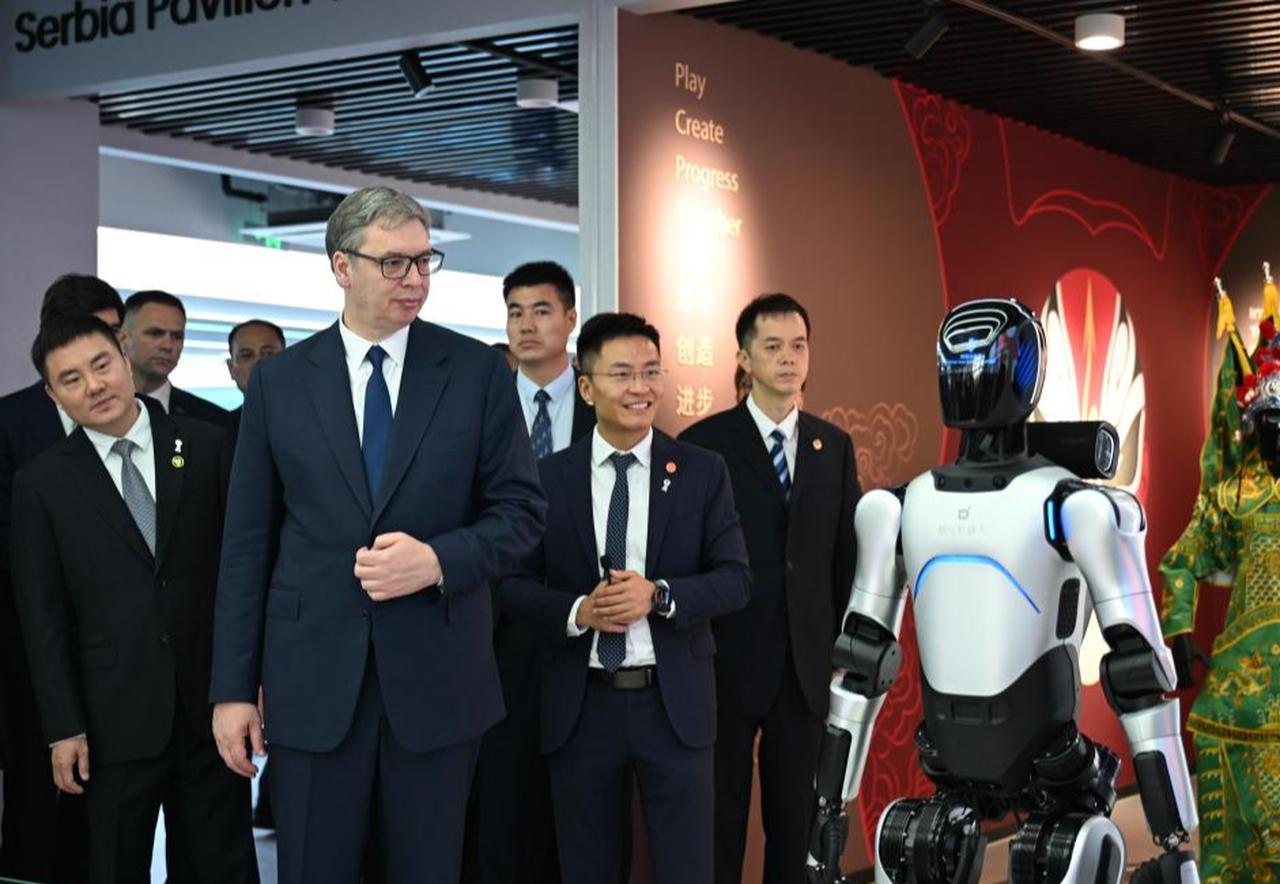
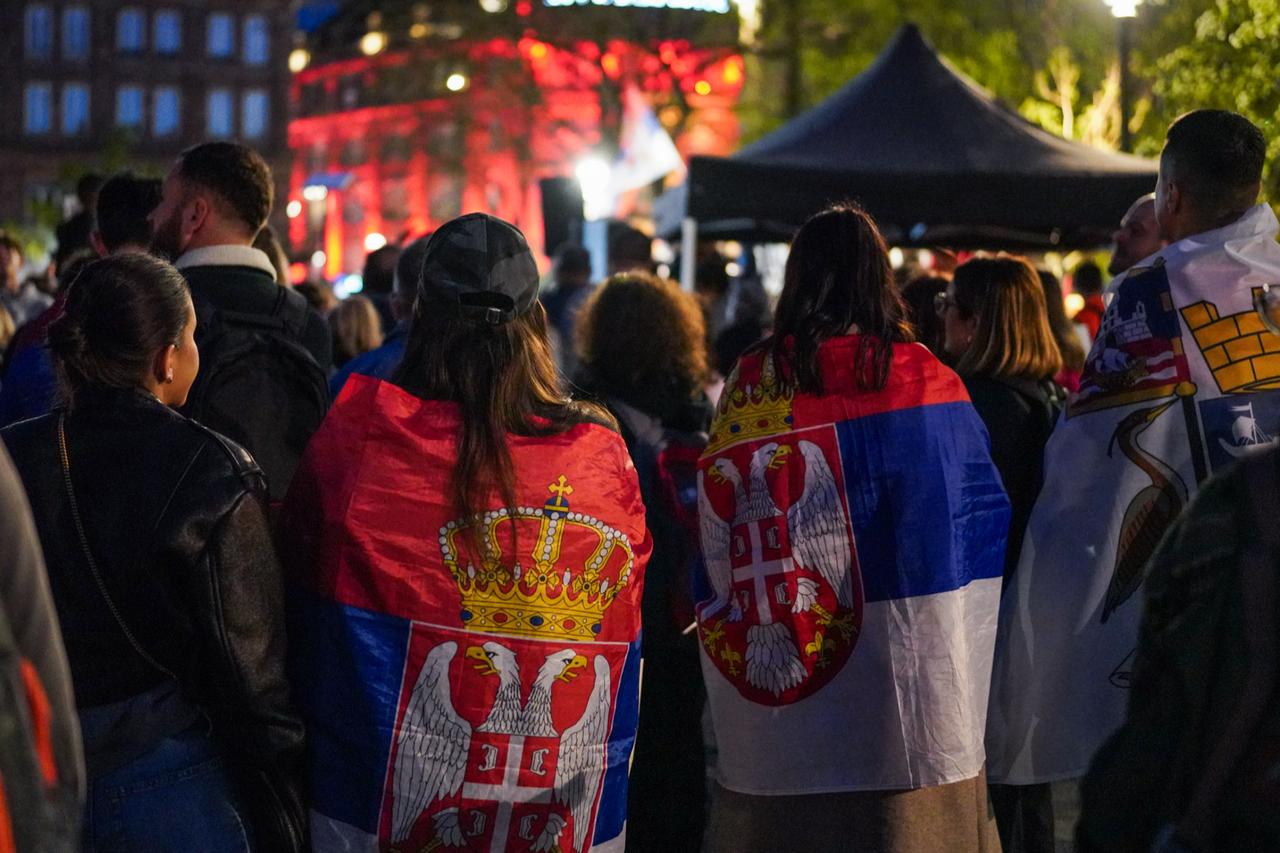
As more than 180,000 people gathered in Belgrade for what an independent monitor, Arhiv javnih skupova, described as the second-largest protest since the fall of Slobodan Milosevic, President Aleksandar Vucic was in Beijing strengthening ties with one of Serbia's most important partners.
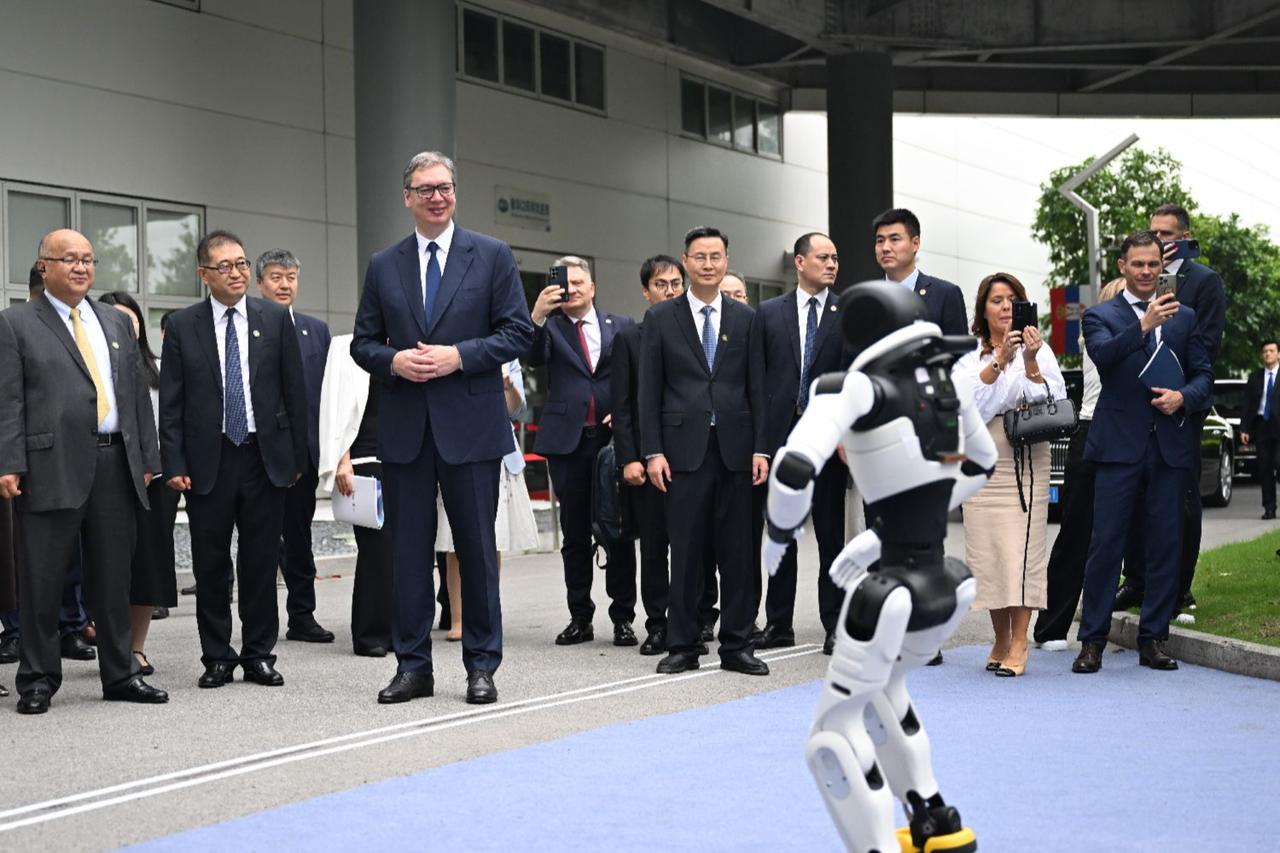
During his state visit, Vucic and Chinese President Xi Jinping signed more than 20 agreements covering trade, technology, education and infrastructure, while Xi awarded the Serbian leader China's Friendship Medal.
Vucic also announced that Chinese companies would invest an additional €940 million ($1.1 billion) in Serbia, targeting sectors including artificial intelligence, energy, advanced manufacturing and auto parts production.
The timing was striking. More than a year after the Novi Sad railway station tragedy that sparked the student-led protest movement, public dissatisfaction with Serbia's government remains visible.
Yet while facing pressure at home and growing friction with parts of the West, Vucic continues to find in China a partner willing to expand economic cooperation without the political conditions often attached by Brussels.
The visit also highlighted a broader shift that has been unfolding for years. While Serbia continues to balance relations with the European Union, the United States, Russia and China, Beijing has increasingly emerged as Belgrade's most predictable major-power partner.
Chinese investments now span everything from transport infrastructure to emerging technologies, while political relations remain largely free from the tensions that have complicated Serbia's ties with both Brussels and Moscow.

Romania, meanwhile, faced a very different challenge.
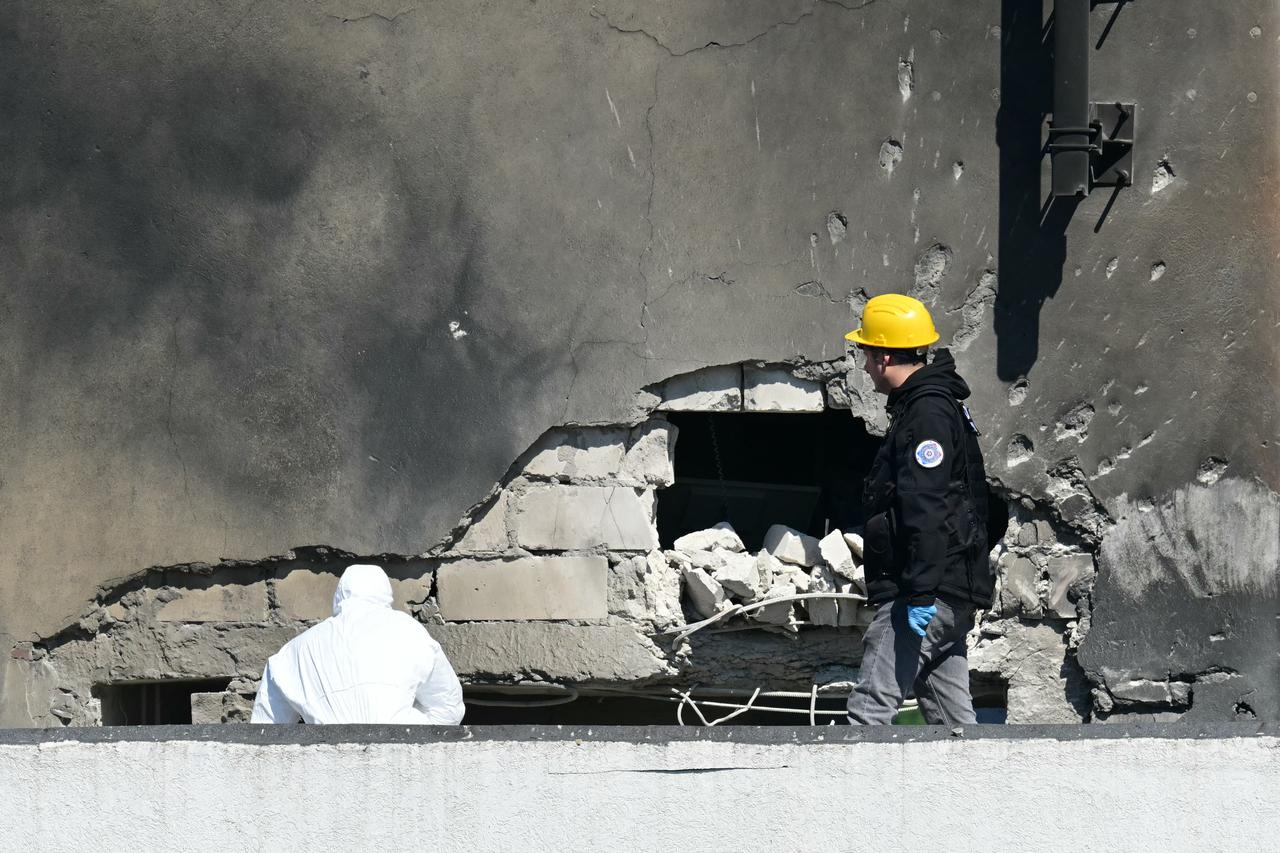
A drone struck a residential building in the city of Galati near the Ukrainian border. European Commission President Ursula von der Leyen said Russia’s “war of aggression” had “crossed yet another line,” pledging to strengthen deterrence along the EU’s eastern border. But Galați sits not only on the EU’s frontier with the war but also on NATO’s eastern flank.
Romanian authorities said the drone was Russian and responded by saying they would expel Russia's consul general in Constanta and close the consulate. The incident triggered strong reactions from NATO and European leaders while raising difficult questions about air defense preparedness along the alliance's eastern flank.
What we’re looking at here is a dangerous, tangible spillover. For over two years, NATO countries have watched the war from the sidelines, dealing mostly with stray debris in empty fields.
A drone hitting an occupied apartment block in Romania completely changes the math. I think the real anxiety is that the conflict is inching uncomfortably close to NATO territory and testing the alliance's red lines.
Following the incident, NATO chief Mark Rutte wrote on social media that “Russia’s reckless behavior is a danger to us all” and declared that "NATO stands ready to defend every inch of Allied territory."
In Slovenia, former premier Janez Jansa returned to power after securing parliamentary backing for a new coalition government.
The comeback of the nationalist politician, known for his frequent clashes with Brussels during previous terms and his admiration for U.S. President Donald Trump, comes only weeks after Hungarian Prime Minister Viktor Orban's electoral defeat.
Whether Jansa's return signals a broader resurgence of right-wing politics in Central Europe remains unclear. What is certain is that Slovenia's political direction will once again be closely watched in both Brussels and neighboring capitals.
Greece may also be heading toward a more fragmented political landscape.
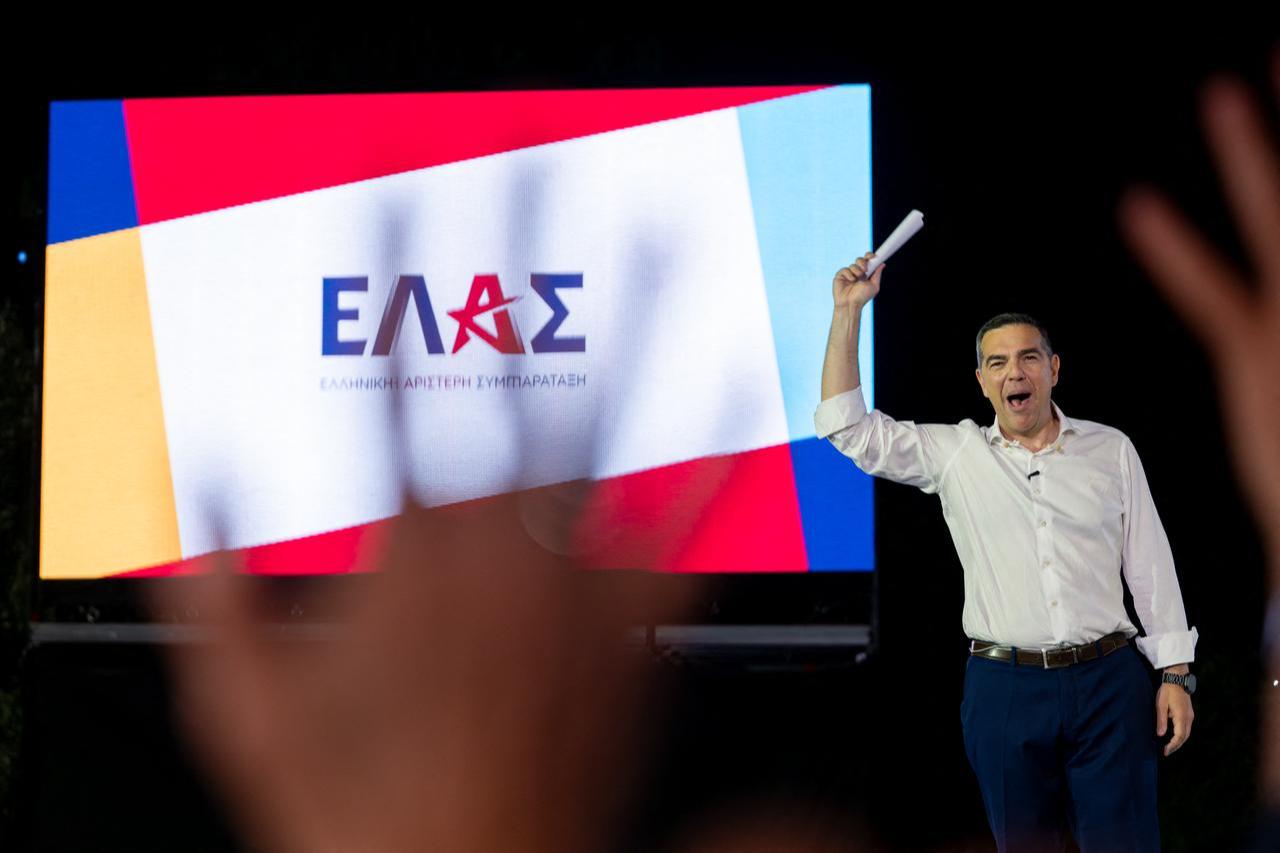
Former Prime Minister Alexis Tsipras announced a new political movement, the Greek Left Alliance (ELAS), marking his return to frontline politics nearly two years after stepping down as leader of Syriza.
Once the face of Greece's anti-austerity movement and a fierce challenger of European creditors, Tsipras now seeks to capitalize on growing public frustration with Prime Minister Kyriakos Mitsotakis' government amid rising living costs and a series of scandals.
Whether the new party can seriously challenge Mitsotakis remains uncertain. But its emergence reflects a broader trend visible across parts of Europe: political fragmentation is creating space for new challengers, even when incumbent governments remain ahead in the polls.


 Set as preferred source
 Set as preferred source


 2 min read
 1 min read