Newsletters


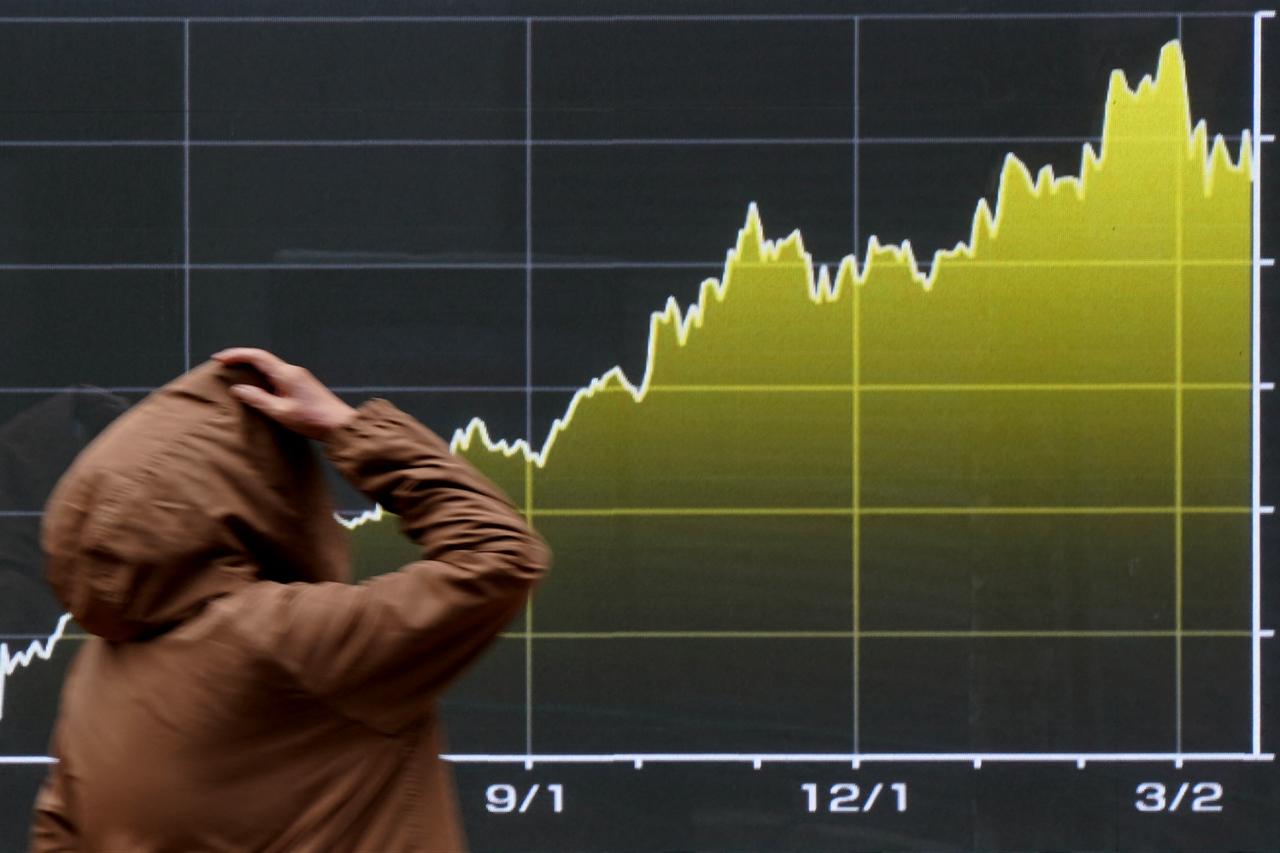


Gold extended its losses on Monday, falling a further 7% to around $4,160 per ounce, while Asian stocks also tumbled as rising energy costs fueled inflation concerns amid escalating tensions over the Strait of Hormuz during the Iran war.
As of 6:50 a.m. GMT, spot gold was trading at $4,161.89, its lowest level since December 2025, reversing a rally that had previously pushed prices above $5,600 at their peak.
Other precious metals echoed the sell-off, with spot silver falling over 8.7% to around $62 per ounce, palladium dropping over 5% to about $1,321, and platinum declining about 9% to roughly $1,738.
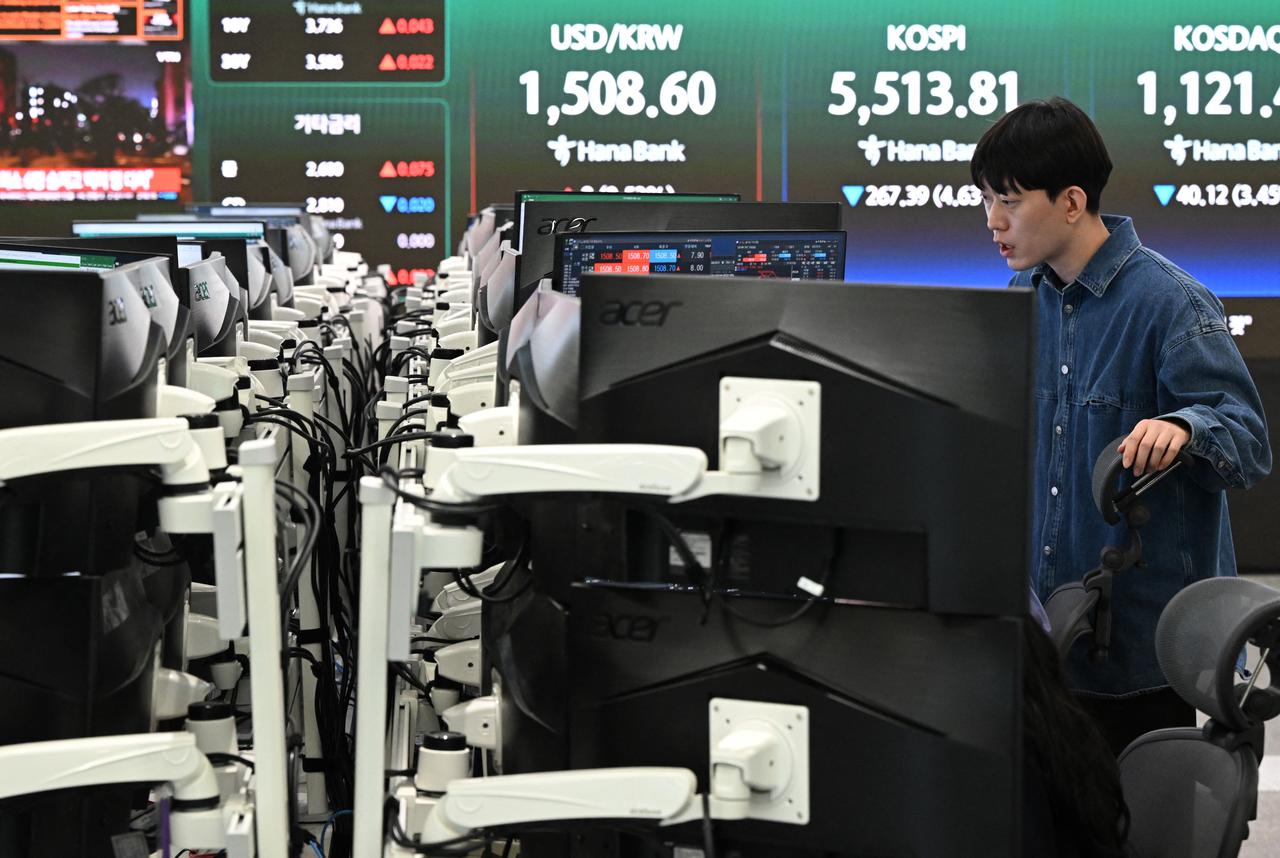
The selling wave hit Asian markets hard, with Japan’s Nikkei 225 index closing down 3.48% at 51,515.49, while South Korea’s Kospi fell 6.49% to 5,405.75. Hong Kong’s Hang Seng and Chinese markets also dropped more than 4%.
Futures for major U.S. stock indices declined, with S&P 500 futures down 0.75%, while the pan-European STOXX 600 fell 1.5%. Türkiye’s benchmark BIST 100 index also dropped 1.5% to 12,853.05 points, with the banking index falling more than 3%.

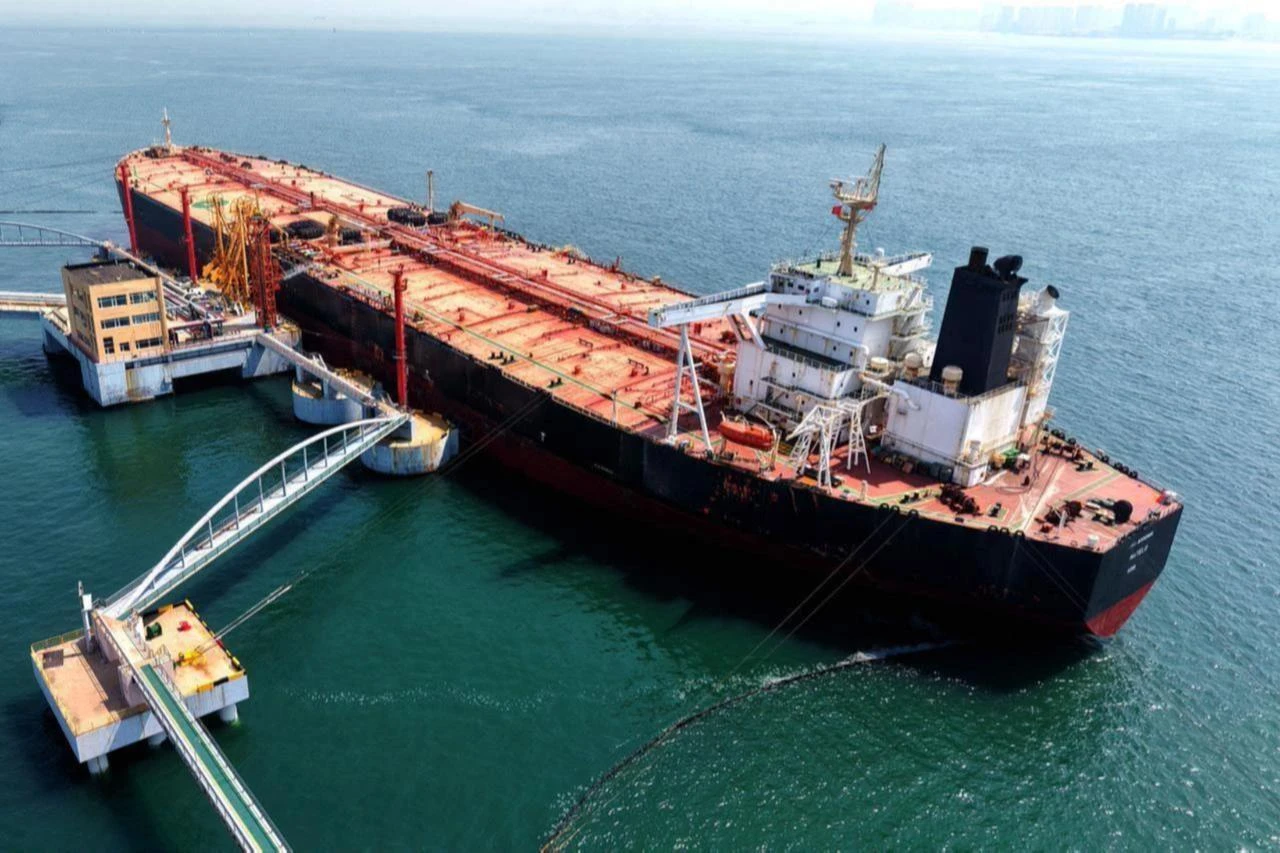
The market sell-off came amid fears that shipping through the Strait of Hormuz could be effectively halted. The route carries about one-fifth of global oil and liquified natural gas (LNG) flows, keeping markets on edge as tensions between Iran and the United States continue to rise.
The international benchmark Brent crude rose to $113 per barrel as Donald Trump and Iranian leaders exchanged threats over the strategic strait, while Israel said the conflict in the Middle East could last several more weeks.
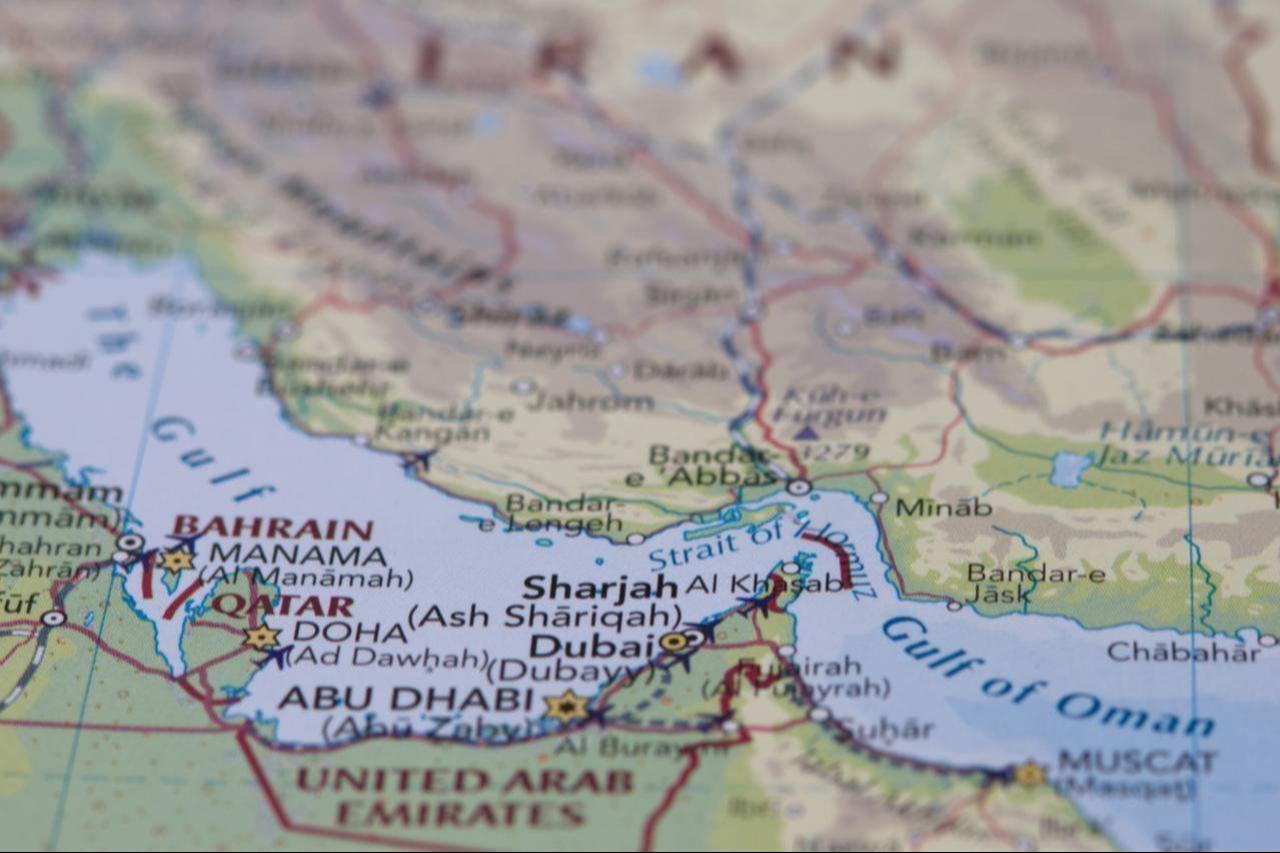
Washington escalated pressure over the weekend, giving Tehran a 48-hour window to allow shipping through the Strait of Hormuz while warning that failure to comply could lead to strikes on its energy sector.
Iran signaled it would move in the opposite direction, indicating the strategic waterway would be fully shut if such action were taken.
Amid rising tensions, International Energy Agency head Fatih Birol said on Monday that the standoff was putting the global economy at risk, noting that the consequences would not be limited to one region and calling for a collective response.
He also added that talks are ongoing with member countries on the possibility of further releases from strategic oil reserves if market conditions worsen.
At the same time, central banks began rethinking their monetary stance as the surge in oil prices increased expectations of renewed inflationary pressure.


 Set as preferred source
 Set as preferred source


 1 min read
 1 min read