Sign in
 Newsletters


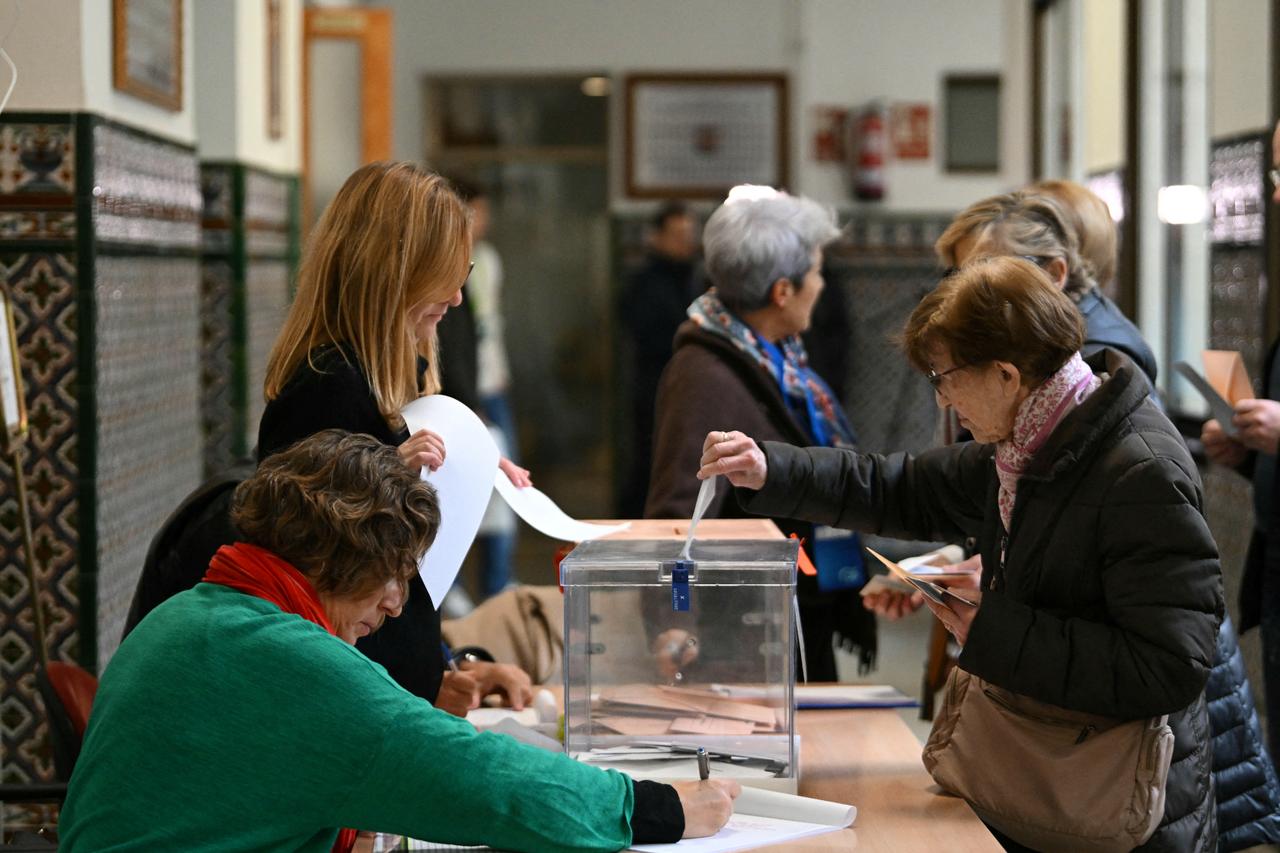


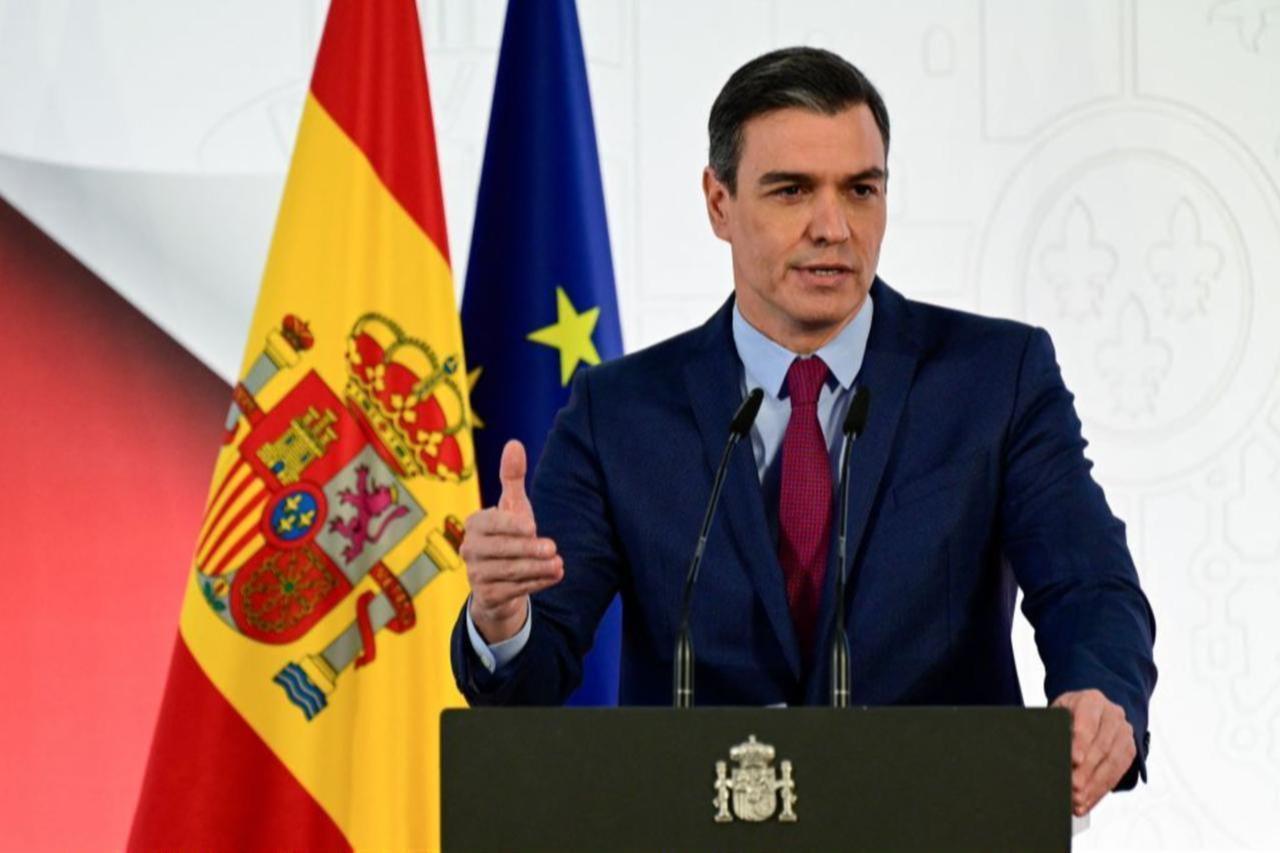
Spaniards headed to the polls Sunday, Nov. 29, in a general election that could end Socialist Prime Minister Pedro Sanchez's eight years in office as the conservative Popular Party (PP) and far-right Vox seek a parliamentary majority.
Voting began at 9 a.m. local time (8:00 a.m. GMT) across mainland Spain and the Balearic Islands, with polling stations in the Canary Islands opening an hour later.
Over 38.6 million people are eligible to elect the 350-seat Congress of Deputies and 209 senators. Sanchez was among the first to cast his ballot.
Most pre-election polls suggested the PP and Vox could together secure a majority, potentially bringing the far right into Spain's national government for the first time since the country's transition to democracy following Francisco Franco's dictatorship.
However, surveys also indicated the possibility of a hung parliament, leaving the PP dependent on Vox's support.
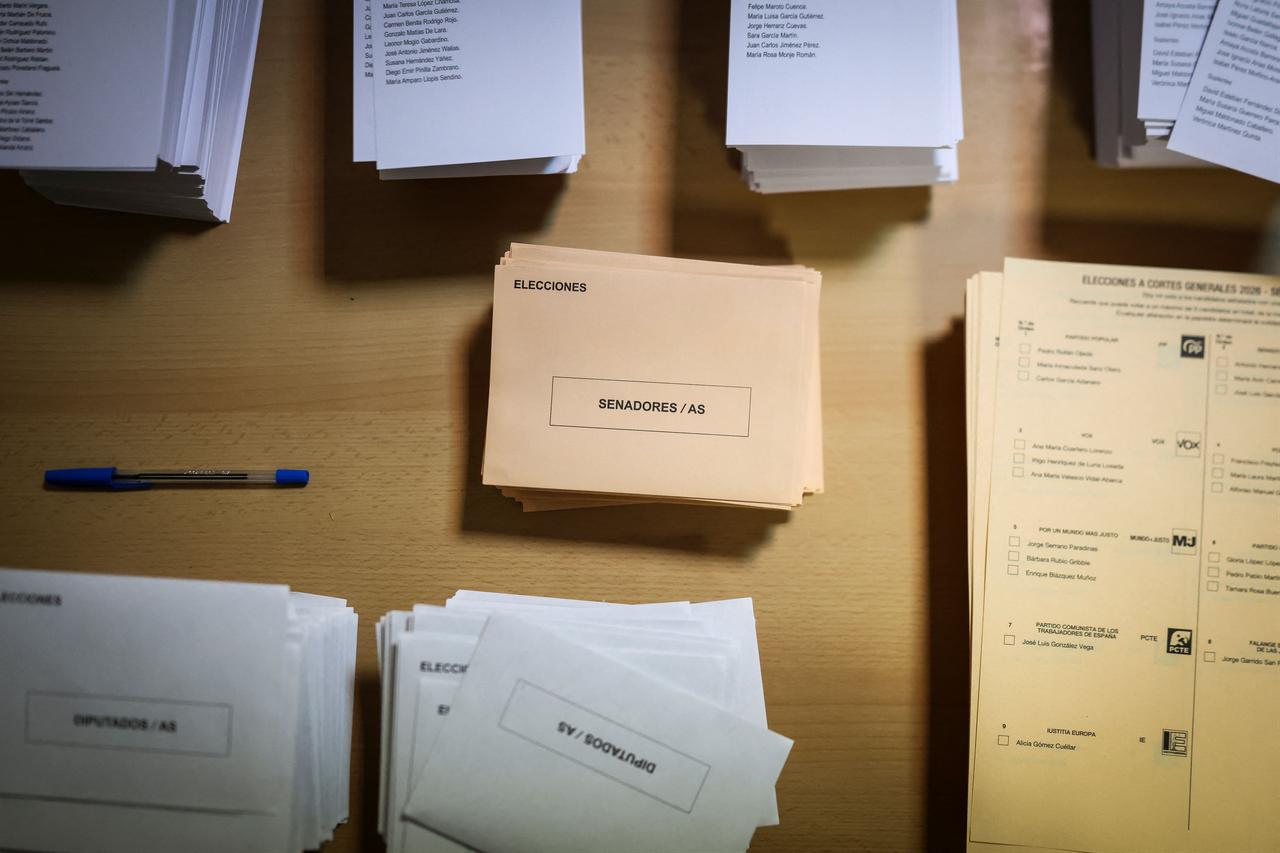

At his closing rally in Madrid, Sanchez told supporters that "a progressive majority is within sight," urging voters to defend his government's social policies and prevent the right from reversing them.
PP leader Alberto Nunez Feijoo, campaigning in Seville, pledged to turn an electoral victory into power.
"This time we are going to do it—not just win, but govern," he said.
Vox leader Santiago Abascal, speaking in Valencia, urged supporters not to assume victory based on opinion polls.
"I hope to come out on Sunday and tell you: 'Mission accomplished, Pedro Sanchez is leaving,'" he said.
The PP won the most seats in the 2023 election but failed to form a government, allowing Sanchez to remain in office through agreements with left-wing and regional parties.
Spain's five-day ban on publishing election polls meant available surveys did not reflect Thursday's only four-way televised debate.
Left-wing parties hoped their debate performances and concerns about Vox entering government would mobilize voters.
Frente Amplio leader Ada Colau, whose debate performance was considered the strongest by many analysts, told supporters, "We know what is at stake. People's lives are at stake, and we will never give up."
The campaign also featured disputes over electoral integrity, with Sanchez urging Feijoo and Abascal to accept the results after they questioned overseas voting, postal ballots and citizenship procedures.
Campaigning ended Friday, followed by Saturday's mandatory day of reflection.
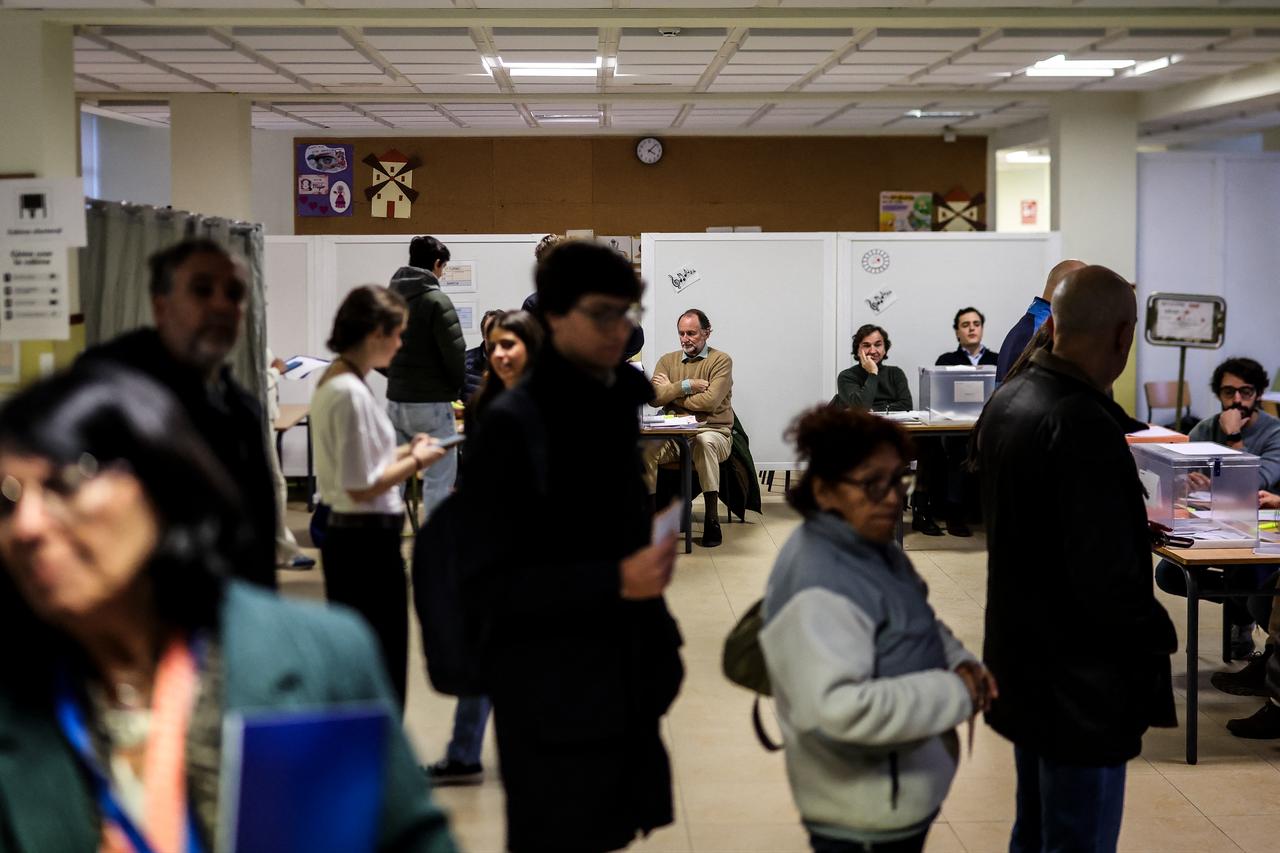
Polls close at 8 p.m. local time on the mainland, with voting in the Canary Islands ending at 9 p.m. mainland time (8:00 p.m. GMT).
The Interior Ministry will release provisional results as counting progresses, with most ballots expected to be counted by midnight. Close contests and overseas ballots could leave some seats unresolved.
The election is being closely watched across Europe ahead of presidential voting in France and parliamentary elections in Poland and Italy over the next year.
Sanchez, one of Europe's few left-wing leaders, has gained international support among progressives while remaining a polarizing figure at home.


 Set as preferred source
 Set as preferred source


 2 min read

 1 min read