Newsletters


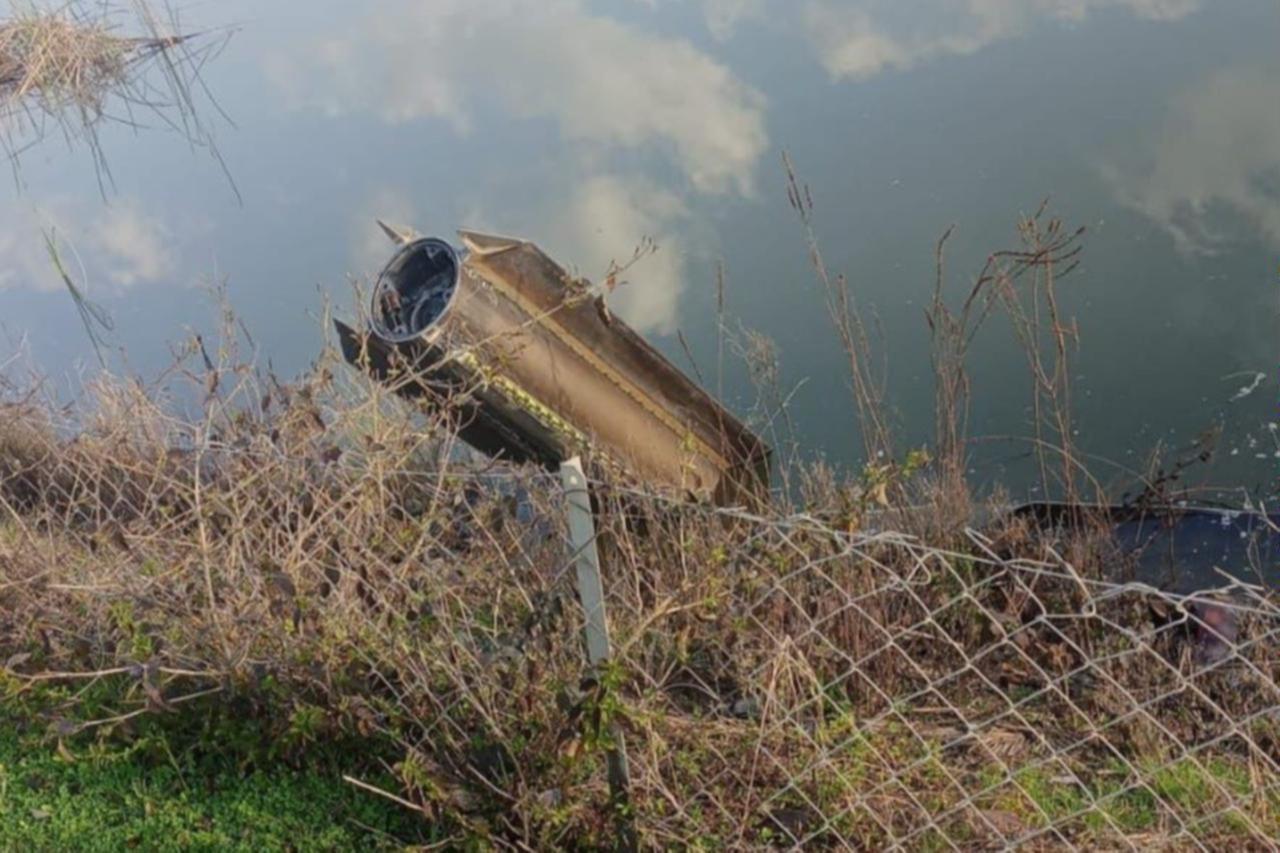


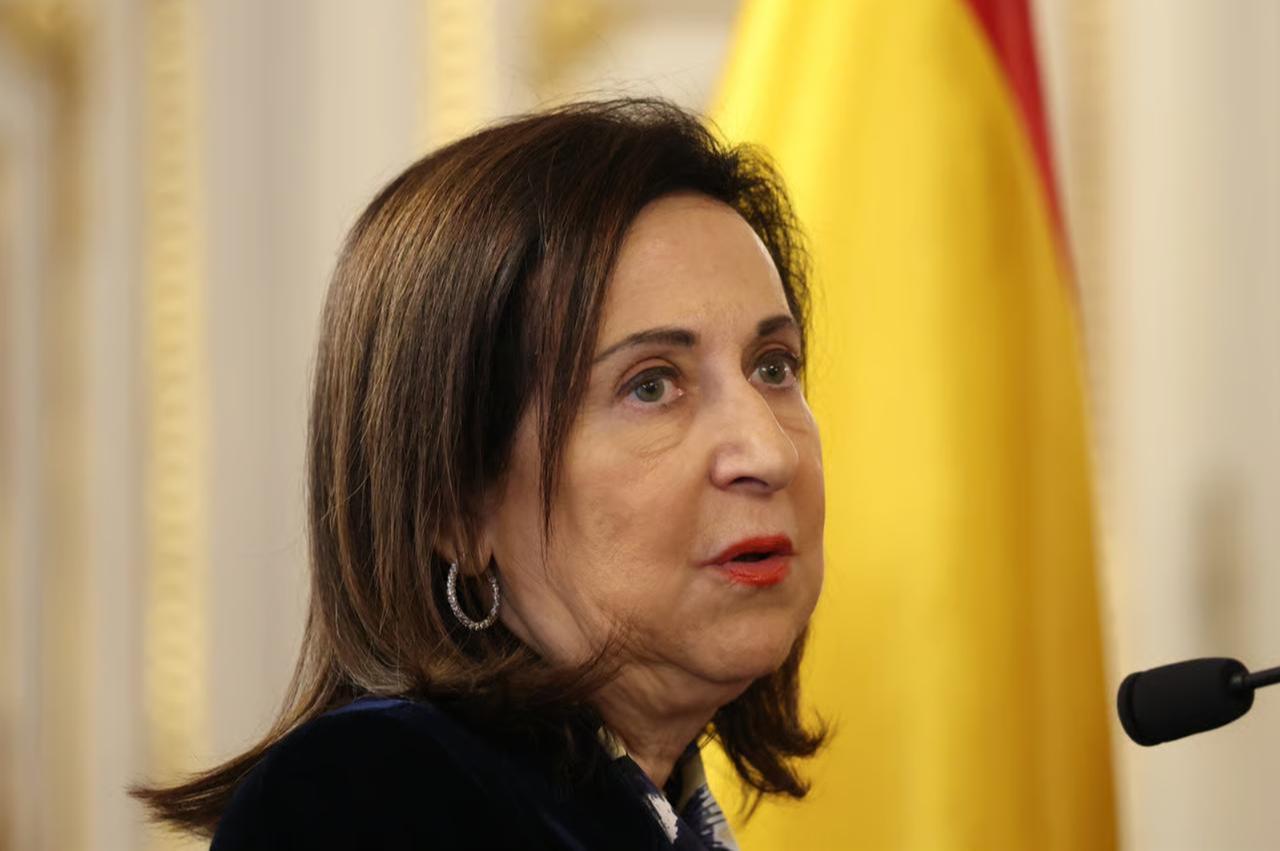
Spain's Defense Minister Margarita Robles confirmed on Tuesday that Spanish military personnel stationed at a NATO base in Türkiye were instrumental in the interception of a ballistic missile that had been launched from Iran and was heading toward Turkish airspace. The missile, which traversed Iraqi and Syrian airspace before being neutralized on March 4, marked the first known instance of an Iranian projectile entering the airspace of a NATO member state since the current conflict began.
"We have military personnel at the base in Türkiye, and I mentioned yesterday that thanks to them a ballistic missile was intercepted," Robles said during an appearance in Barcelona on Tuesday .
The minister's remarks, made at the Metafuturo forum organized by Atresmedia, offered the most detailed Spanish account yet of Madrid's involvement in the incident. Robles had earlier told Cadena Ser radio that a Spanish Patriot battery was key to bringing down the missile that flew over Turkish airspace, though she clarified that the Spanish unit itself did not destroy it, instead providing critical tracking and intelligence data.

According to multiple reports, the actual shootdown was carried out by the USS Oscar Austin, an Arleigh Burke-class guided-missile destroyer operating in the eastern Mediterranean. The Spanish Patriot battery, stationed at Incirlik Air Base in the southern Turkish city of Adana, shared detection and tracking information that enabled the intercept, illustrating the layered, multinational nature of NATO's integrated air and missile defense architecture.
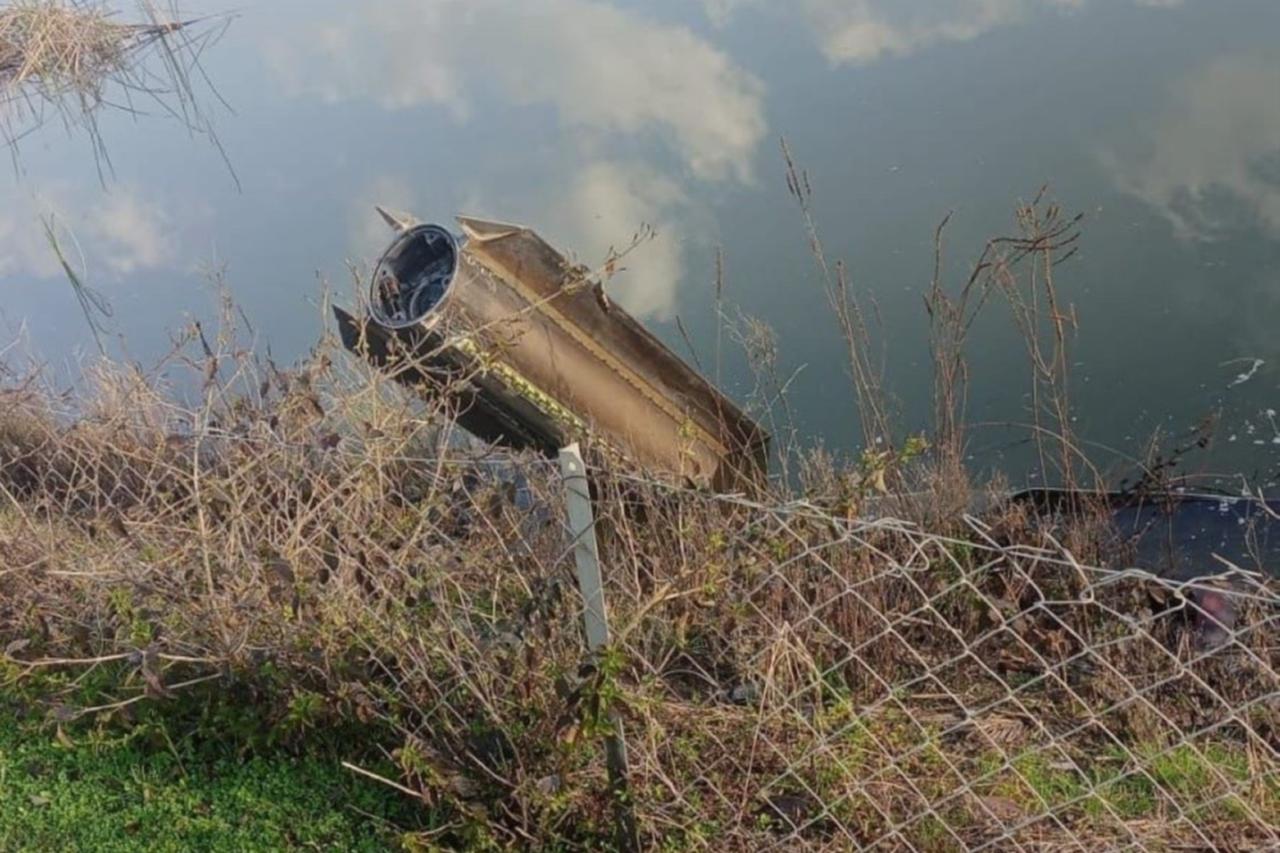
Türkiye's Defense Ministry confirmed that the missile debris fell in the Dortyol district of Hatay province, near the Syrian border. There were no casualties or injuries. Turkish officials told AFP they believed the missile was not aimed at Türkiye itself but may have been intended for a base in Cyprus before veering off course. Iran's armed forces subsequently denied firing any missile toward Turkish territory, insisting they respect Türkiye's sovereignty.
 1 min read
Robles used her appearance to underscore the broader scope of Spain's military commitments abroad. She said nearly 1,000 Spanish military personnel are currently deployed across the region, carrying out missions under international mandates.
"There are countries that have an absolutely impressive level of armament," she said, citing the situation in Iraq, where Spanish forces are also taking security precautions, as well as Spanish frigates and vessels deployed in the Baltic Sea, the Indian Ocean, and elsewhere.
"Those of us who believe in peace, those of us who believe in coexistence, must always work toward a legal framework. The legal framework is what makes democrats great and important," Robles said.
The minister's comments come at a moment of acute tension between Madrid and Washington. Spanish Prime Minister Pedro Sanchez has refused to allow the United States to use the Rota and Moron air bases in southern Spain for operations against Iran, prompting President Donald Trump to threaten to sever all trade with Spain. Robles appeared to push back on American accusations of noncooperation, telling Cadena Ser: "President Trump says that Spain does not collaborate, but Spain is in Türkiye with NATO."


 Set as preferred source
 Set as preferred source


 1 min read