Newsletters





The Iranian missile directed toward Turkish airspace on Wednesday has raised a series of questions, which the Turkish Defense Ministry addressed in an official statement.
While the situation has not escalated into a broader military confrontation, the details contained in the official announcement shed light on NATO’s defensive posture in the Eastern Mediterranean and Türkiye’s current missile defense capabilities.
The incident also points to the delicate balance Ankara seeks to maintain between deterrence and neutrality during a period of heightened tensions across the region. Several technical and diplomatic details in the statement offer insight into how the incident was managed and what it means for regional security.
Despite the seriousness of a missile being directed toward a NATO member state, the conditions required to trigger NATO’s Article 5 collective defense clause have not been met. Article 5, which treats an attack on one member as an attack on all, is typically invoked only in clear cases of direct and confirmed aggression requiring a collective response.
In this case, the available information suggests that the situation did not escalate to that level. The missile was intercepted before it could create a direct military crisis, allowing the matter to be handled through existing defensive mechanisms.
However, another NATO mechanism could still become relevant. Article 4 allows member states to request consultations if they believe their territorial integrity or security is under threat. Türkiye could potentially initiate such consultations to coordinate assessments and responses with its NATO allies.
Such consultations are frequently used to share intelligence and discuss deterrence measures without formally escalating the situation into a collective defense scenario.
One of the most notable details in the defense ministry’s statement is the reference to the missile being destroyed by “NATO defense elements in the Eastern Mediterranean.”
This wording strongly indicates that the interception was carried out by naval assets operating in the region.
In practical terms, this likely points to a U.S. warship stationed in the Eastern Mediterranean conducting the interception. The United States deploys destroyers and cruisers equipped with the Aegis ballistic missile defense system, which can detect and intercept missile threats in real time.
These ships operate as part of NATO’s broader missile defense architecture and regularly patrol strategic maritime corridors in the region. Their presence allows the alliance to respond quickly to missile threats originating from nearby conflict zones.
The interception, therefore, demonstrates how NATO’s integrated defense systems operate across multiple platforms, combining naval, land-based, and radar assets to address emerging threats.
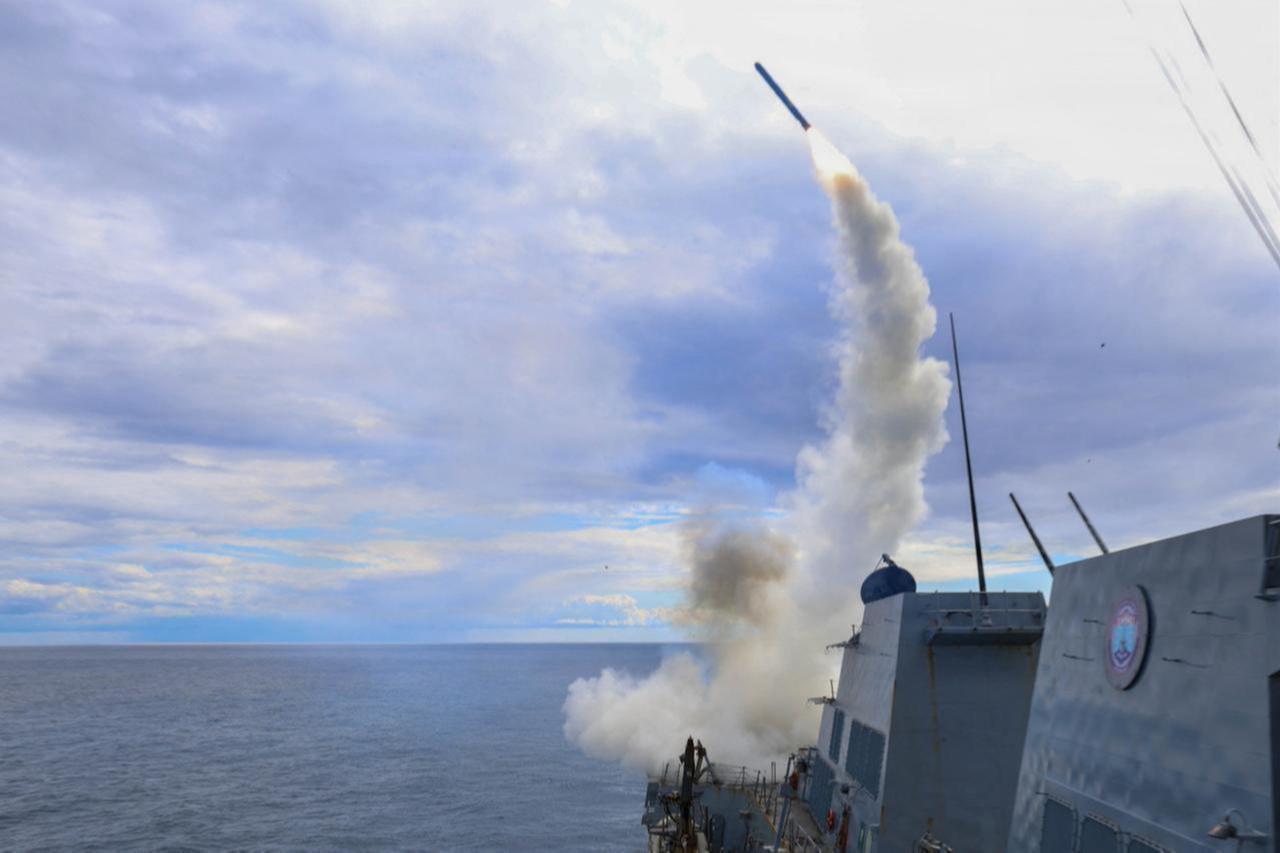

The Turkish Defense Ministry’s emphasis that “NATO elements destroyed the missile” carries clear diplomatic and strategic messaging. By highlighting the alliance’s involvement, Ankara signals that any attack directed toward Türkiye could potentially involve NATO forces.
This serves as a deterrent message to Iran, reminding it that actions affecting a NATO member could trigger broader security consequences. The statement reinforces the idea that Türkiye remains protected by the alliance’s collective defense infrastructure.
At the same time, the wording conveys another message: Türkiye itself is not currently a direct party to the broader regional conflict. By framing the interception as an action carried out by NATO elements, Ankara underscores that it continues to maintain a position of neutrality in the ongoing hostilities.
This approach allows Türkiye to reinforce deterrence while preserving diplomatic flexibility during a volatile period in the region.
The incident has also brought attention to Türkiye’s missile defense capabilities. Türkiye remains integrated into NATO’s missile defense architecture. The system combines radar networks, early-warning infrastructure, and interceptor platforms distributed across multiple allied countries.
This layered defense structure allows missile threats detected in one area to be tracked and intercepted by assets located elsewhere within the alliance network. The integration significantly expands defensive coverage for member states.
Therefore, NATO’s missile shield remains an important component of Türkiye’s overall air and missile defense posture.
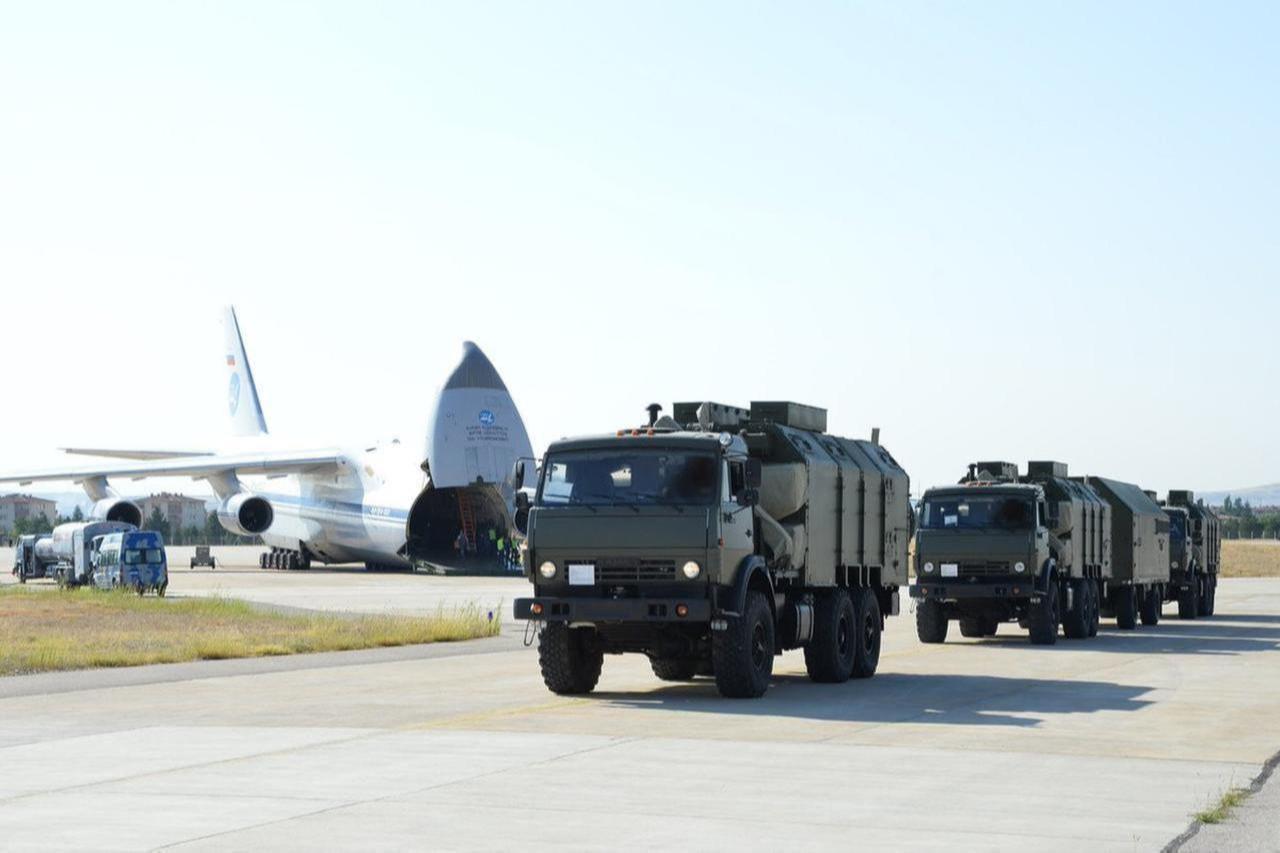
Türkiye’s acquisition of the Russian-made S-400 air defense system has long been debated within NATO circles.
The S-400 batteries in Türkiye are not integrated into NATO’s early-warning and radar networks. This means they operate largely as standalone systems rather than as part of the alliance’s broader defense architecture.
Ballistic missile interception requires early detection, continuous tracking, and coordination between multiple sensor systems. Without integration into a wider radar and command network, the effectiveness of individual systems can be limited against high-speed ballistic threats.
Hence, the S-400 alone is not structured to provide comprehensive nationwide protection against such attacks.

At this stage, there appears to be no indication that Türkiye will respond militarily to the missile incident. The interception prevented damage or casualties, and the situation has been contained without triggering an immediate escalation.
Instead, Ankara has reportedly issued a firm diplomatic warning urging caution. Such messages emphasize that any action threatening Turkish territory would carry serious consequences.
Diplomatic signaling allows Türkiye to address the situation without taking steps that could intensify regional tensions. This approach reflects a broader strategy of maintaining deterrence while avoiding direct involvement in ongoing conflicts.
The current response suggests that Ankara prefers to manage the situation through diplomatic channels rather than military retaliation.
The incident has also revived a common debate about the status of the Incirlik Air Base in southern Türkiye. Contrary to widespread perception, the base is not owned by or serves only the United States.
Incirlik is a Turkish military installation that can be used by NATO allies under specific bilateral agreements. This arrangement allows allied forces, including the United States, to operate from the base while it remains under Turkish sovereignty.
The facility has long served as a key logistical hub for NATO operations in the Middle East. It has supported missions ranging from counterterrorism operations to broader regional security activities.
Understanding this distinction is important, particularly in a moment when Iranian regime elements target U.S. bases across the Middle East.


 Set as preferred source
 Set as preferred source


 1 min read


 1 min read