Newsletters


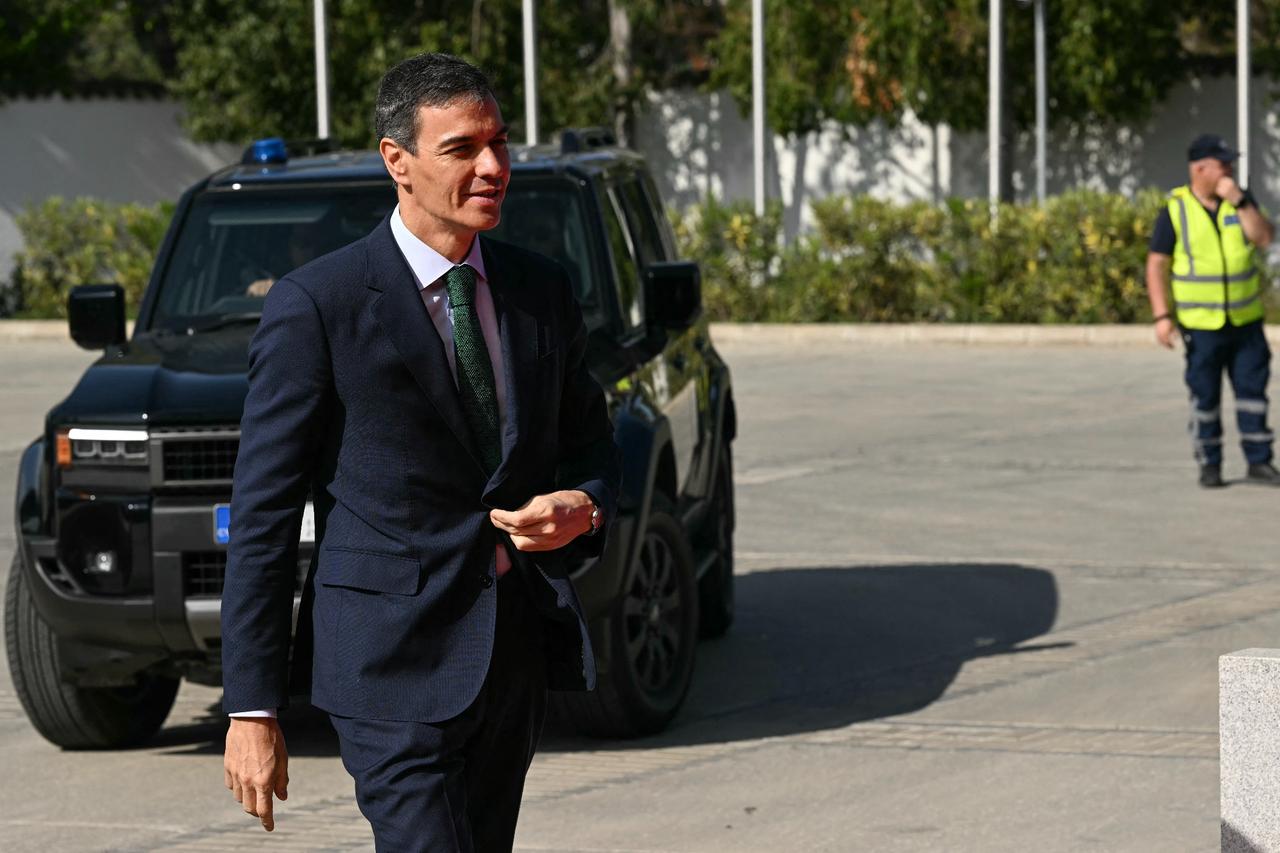


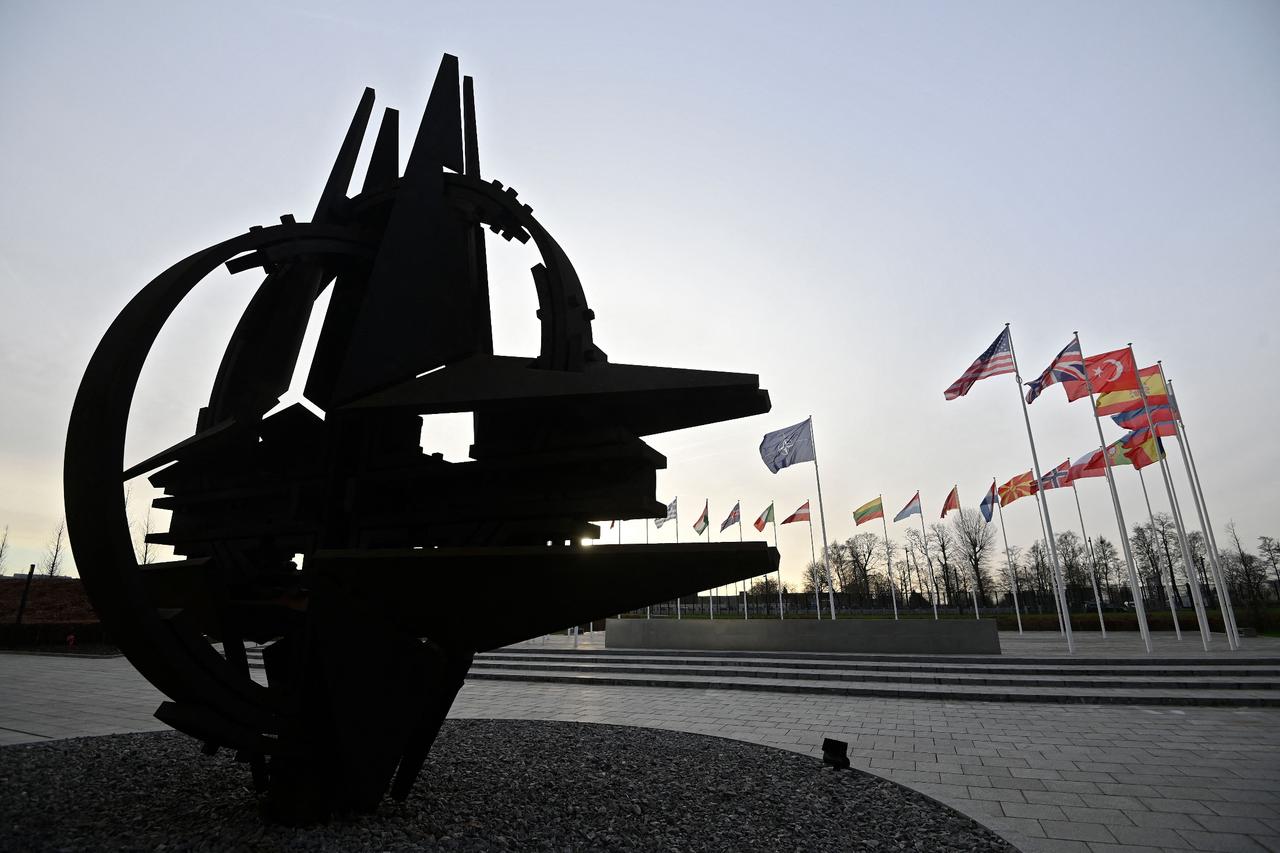
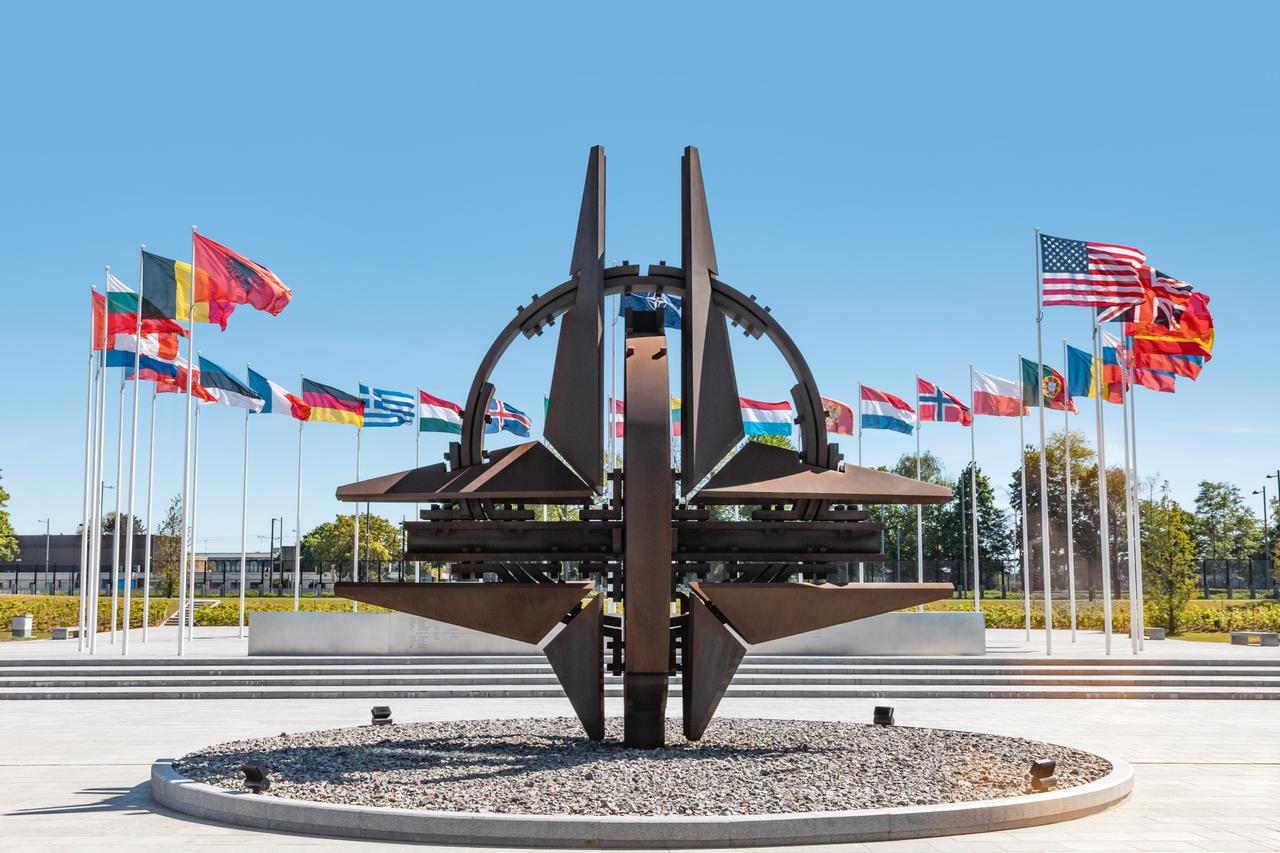
Spanish Prime Minister Pedro Sanchez said Friday that Spain remained a “reliable member” of NATO after a report said the U.S. was considering ways to punish allies that refused to support military operations against Iran, including a possible attempt to suspend Madrid from the alliance.
Sanchez made the remarks during a visit to Cyprus for an EU summit, after Reuters cited an anonymous U.S. official as saying the Pentagon had outlined the suspension option in an email.
“Spain is a reliable member within NATO” and is fulfilling all its obligations, Sanchez told reporters in English.
“As a result, I am absolutely not worried,” he said.
Speaking in Spanish, Sanchez added: “We don't work on the basis of emails, we work off official documents and the position that the United States government has set out in this case.”
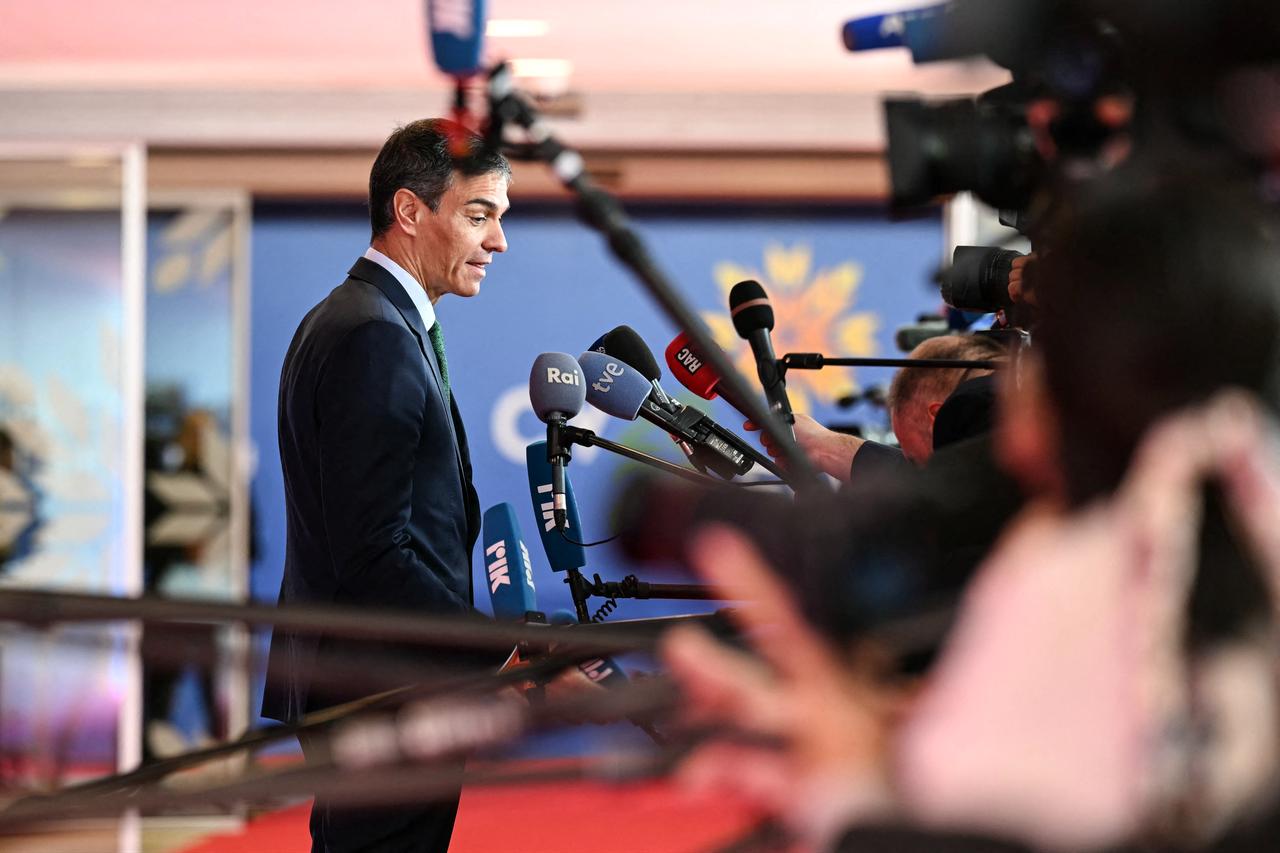

According to the Reuters report, the Pentagon email examined options to punish NATO allies that avoided involvement in the U.S.-Israeli war against Iran.
The same email also suggested the U.S. could review its position on the Falkland Islands in retaliation for U.K. Prime Minister Keir Starmer’s lack of support in the war.
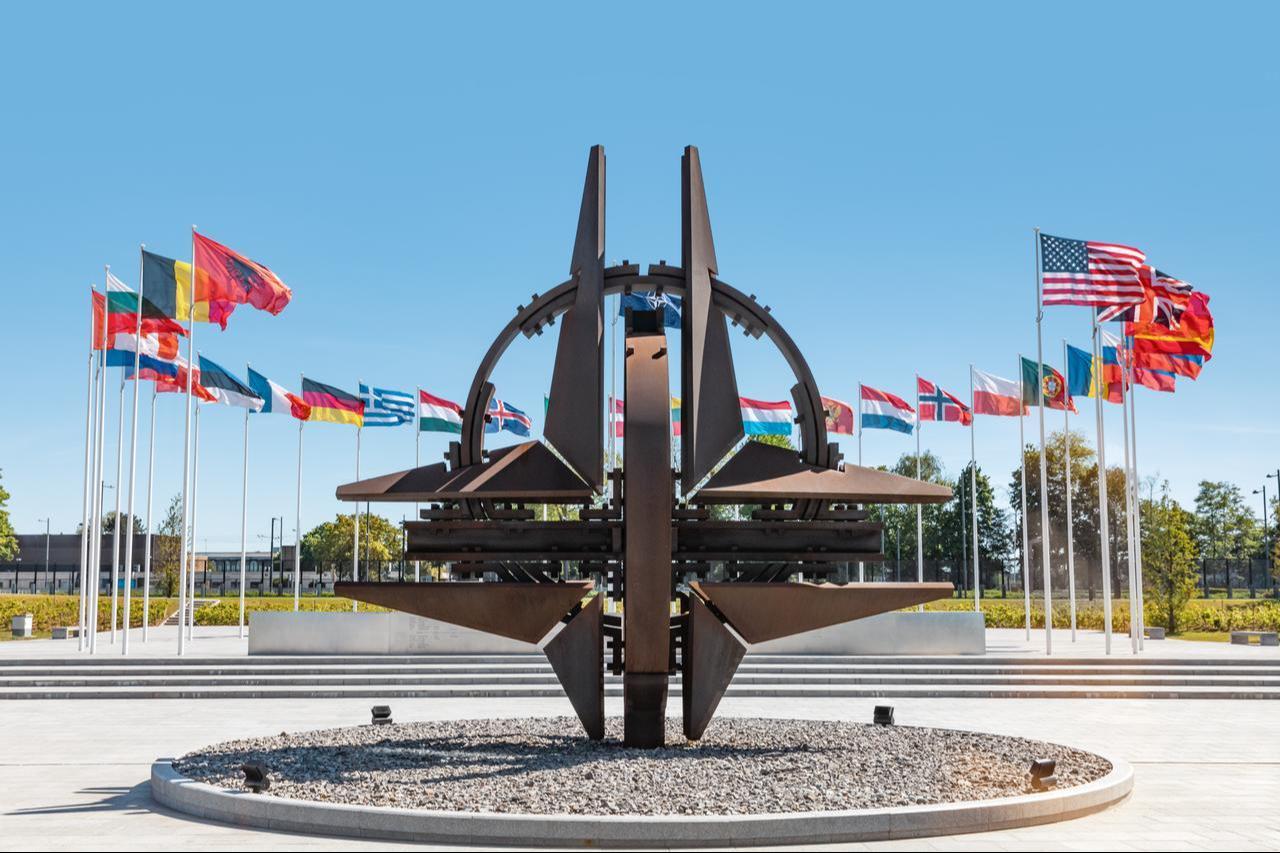
There is no provision in the NATO treaty allowing for the suspension or expulsion of a member of the alliance.
Asked about the Reuters report, Pentagon Press Secretary Kingsley Wilson said the Defense Department “will ensure that the president has credible options to ensure that our allies are no longer a paper tiger and instead do their part,” but did not provide further details.
A U.S. State Department spokesperson told AFP on Friday that Washington remained neutral on the disputed sovereignty of the Falkland Islands, the South Atlantic archipelago claimed by both Argentina and the United Kingdom.
“Our position on The Islands remains one of neutrality. We acknowledge that there are conflicting claims of sovereignty between Argentina and the U.K.,” the spokesperson said.
The spokesperson added that the U.S. recognizes “de facto United Kingdom administration” of the islands without taking a position on sovereignty claims.
U.S. President Donald Trump has repeatedly criticized NATO allies for refusing to join the war in the Middle East, calling their stance a betrayal.
France, Spain and Italy did not allow U.S. military aircraft deployed for the war to overfly their territories or use their bases.
Trump also sought, unsuccessfully, to persuade European NATO members to send warships to the Strait of Hormuz, a key route for Gulf energy exports that Iran has effectively closed through military threats and attacks.
Washington’s expectation that NATO members’ facilities and territories should be available to the U.S. without question has added to tensions within the alliance.
Italian Prime Minister Giorgia Meloni, also speaking in Cyprus, said NATO unity should be preserved.
“NATO must remain united. I believe it is a source of strength,” Meloni told reporters.
Sanchez said Spain’s position was based on “absolute cooperation with allies, but always within the bounds of international law.”
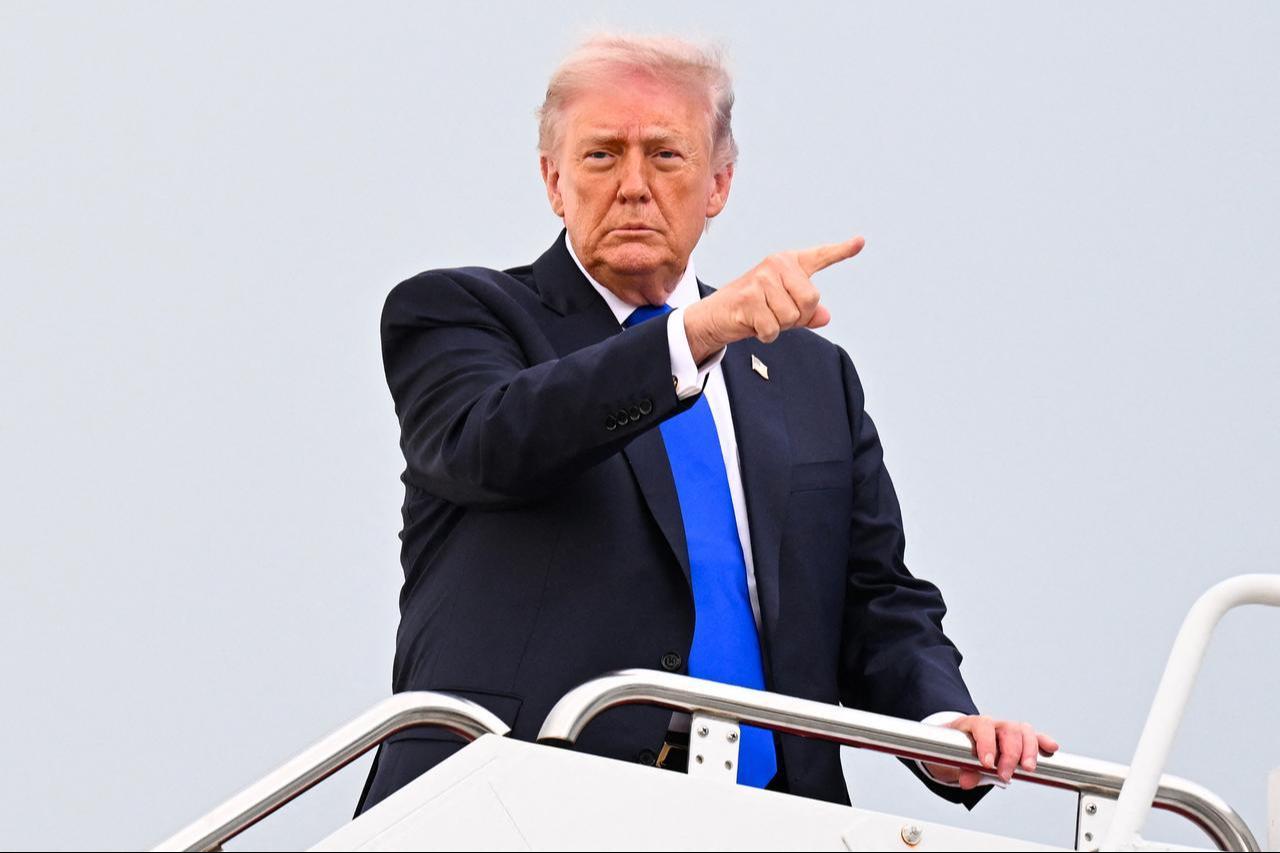
Sanchez has repeatedly drawn criticism from Trump since the U.S. president returned to office in January 2025.
Last year, Sanchez refused to support Trump’s demand that NATO members raise defense spending to 5% of GDP. Trump later suggested expelling Spain from the alliance.
Sanchez also condemned the U.S. military intervention in Venezuela on Jan. 3, which captured socialist leader Nicolas Maduro, and has been a strong critic of Washington’s ally Israel.
NATO is scheduled to hold its next summit in Türkiye on July 7-8.


 Set as preferred source
 Set as preferred source


 1 min read
 1 min read