Newsletters




In Washington, a document reportedly circulating behind closed doors has begun to reshape expectations for the transatlantic alliance.
Informally described as a “naughty and nice” list, it categorizes NATO members based on their perceived loyalty, contributions, and alignment with U.S. strategic priorities. The framing may sound informal, but its implications are structural.
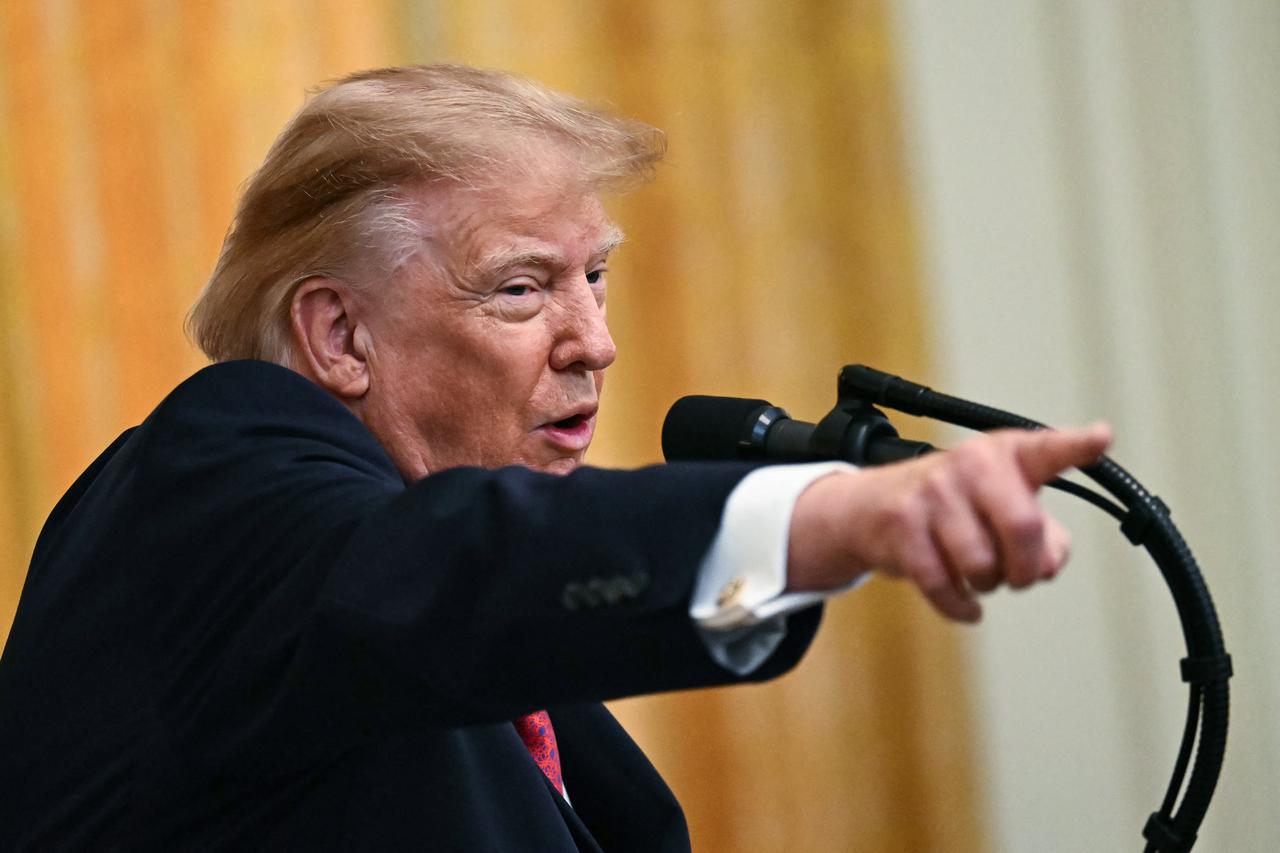
Whether or not a formal list exists on paper, President Donald Trump has repeatedly and publicly signaled that allies who did not align with his administration’s war priorities should expect a response. The language has been consistent: support will be remembered, and so will hesitation. The implication is clear enough to shape behavior, even in the absence of a formal policy document.
Against the backdrop of the alliance's biggest friction, Türkiye’s foreign minister has set the tone, calling the upcoming meeting potentially “the most consequential summit” in NATO’s history.
What distinguishes Ankara is not simply geography, but timing. Its current political alignment with Washington, while not frictionless, runs deeper than that of several major European capitals.
At the same time, Ankara's security focus remains tied to Europe, especially as it pushes back against Russian influence on multiple fronts. This overlap in interests makes Türkiye a partner that neither the West nor Russia can easily replace.
Amid this battle of priorities, and not principles, attention is now turning to Ankara, where NATO leaders are scheduled to meet on July 7–8, 2026. This meeting is expected to be the first real test of whether these new alliances will actually turn into concrete policy and shared decisions.
The beef between President Trump and the EU establishment predates his return to the White House and cuts to the very heart of how the West defines its strategic priorities. But recent developments have proved to be the drop that finally stirred the water in the glass. At the center of the recent separation lies not only defense spending but also participation in recent U.S. military operations.
The Pentagon’s Iran-focused campaign, known as Operation Epic Fury, has become a key benchmark for assessing allied support before the Trump administration. Countries that offered operational, logistical, or political backing are viewed differently from those that declined or hesitated.
This distinction has introduced visible divisions within the alliance. Some European powers, including Spain, France, and the United Kingdom, have been associated with reluctance—either limiting involvement in U.S. initiatives related to Iran, or sometimes resisting actively.
Though their position reflects both domestic constraints and strategic differences with Washington, as well as a certain lack of American readiness, they nonetheless provided the first real-world fodder for the Trump administration’s burgeoning skepticism toward Europe.
In contrast, countries such as Poland, Romania, and several Baltic states have aligned more closely with U.S. expectations. These states have increased defense expenditures and, in some cases, facilitated U.S. military operations by granting access to bases or logistical networks. Their posture has elevated their standing within the alleged emerging hierarchy.
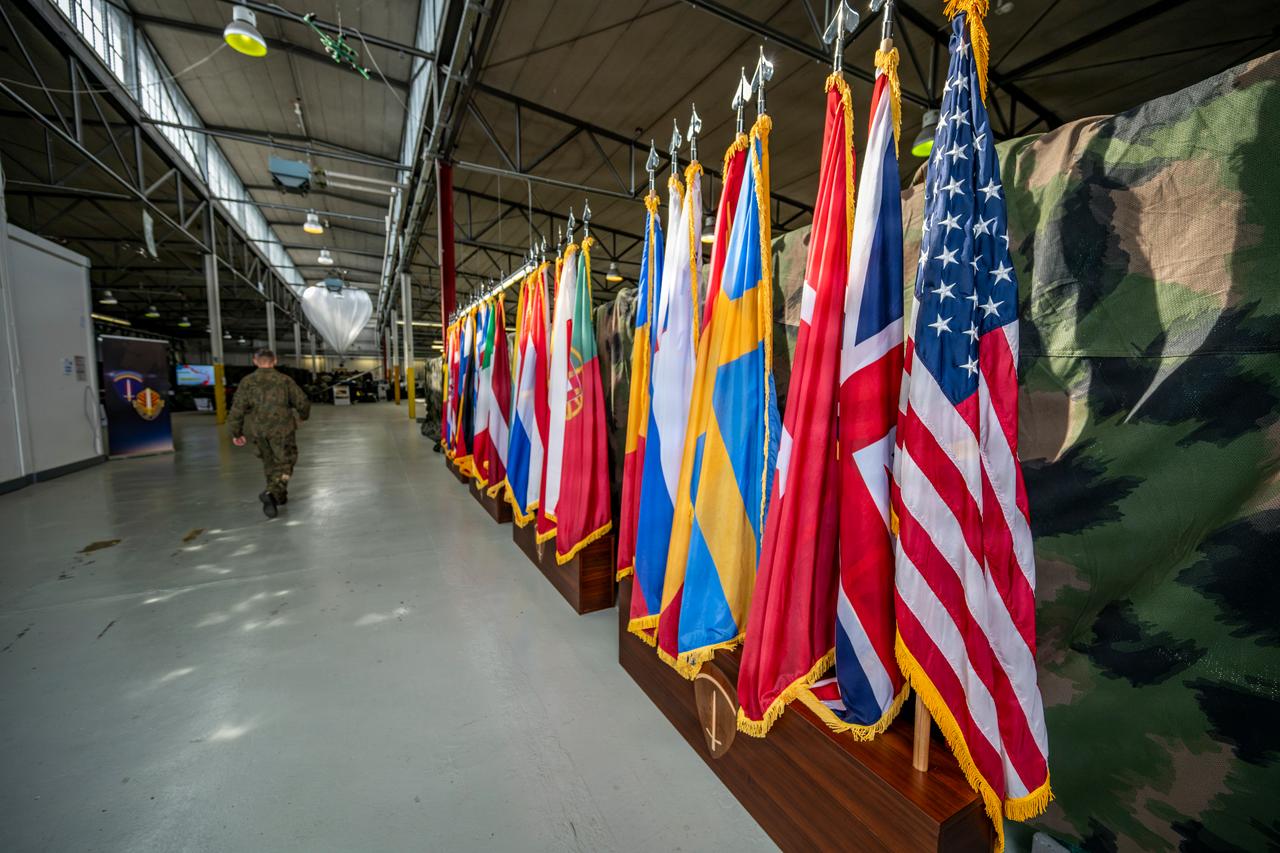
The implications extend beyond political signaling. Military infrastructure in countries like Romania, particularly the Mihail Kogalniceanu Air Base, has gained renewed importance as a potential hub for the redeployment of U.S. forces. Any shift in troop positioning away from less-aligned allies could materially reshape NATO’s military footprint in Europe.

The choice of Ankara as the summit location reflects both timing and strategic necessity.
The alliance is navigating multiple pressures simultaneously. Russia’s ongoing war in Ukraine continues to anchor NATO’s traditional mission of deterrence in Europe. At the same time, U.S. strategic priorities are expanding toward the Indo-Pacific, Western hemisphere and the Middle East at the same time, creating new expectations for allied engagement beyond the Euro-Atlantic area.
This divergence has produced a fundamental question: what is NATO’s primary purpose in its current form?
While European members largely prioritize the Russian threat, Washington increasingly frames China and Iran in the Middle East as central challenges requiring broader alignment.
“The argument that NATO is collapsing is not very sustainable,” notes Ali Aslan, an associate professor at Ibn Haldun University. “We are seeing the rise of Russia again, and at the same time, the rise of China. NATO was originally built to contain a major power in Eurasia—now there are two.”
Aslan points to a deeper structural divide: “There is no clear agreement between the United States and Europe on who the main systemic rival is.” That lack of consensus—whether the focus should remain on Russia or shift toward China and the Indo-Pacific—sits at the core of current tensions.
Ankara, in this context, offers something closer to strategic bilingualism. Like its European counterparts, it treats Russia as the immediate and non-negotiable threat. Unlike many of them, it maintains a comparatively functional political alignment with Washington. That dual positioning makes it less a neutral host than an interpreter, one of the few actors capable of translating between two increasingly distinct strategic vocabularies inside the alliance.
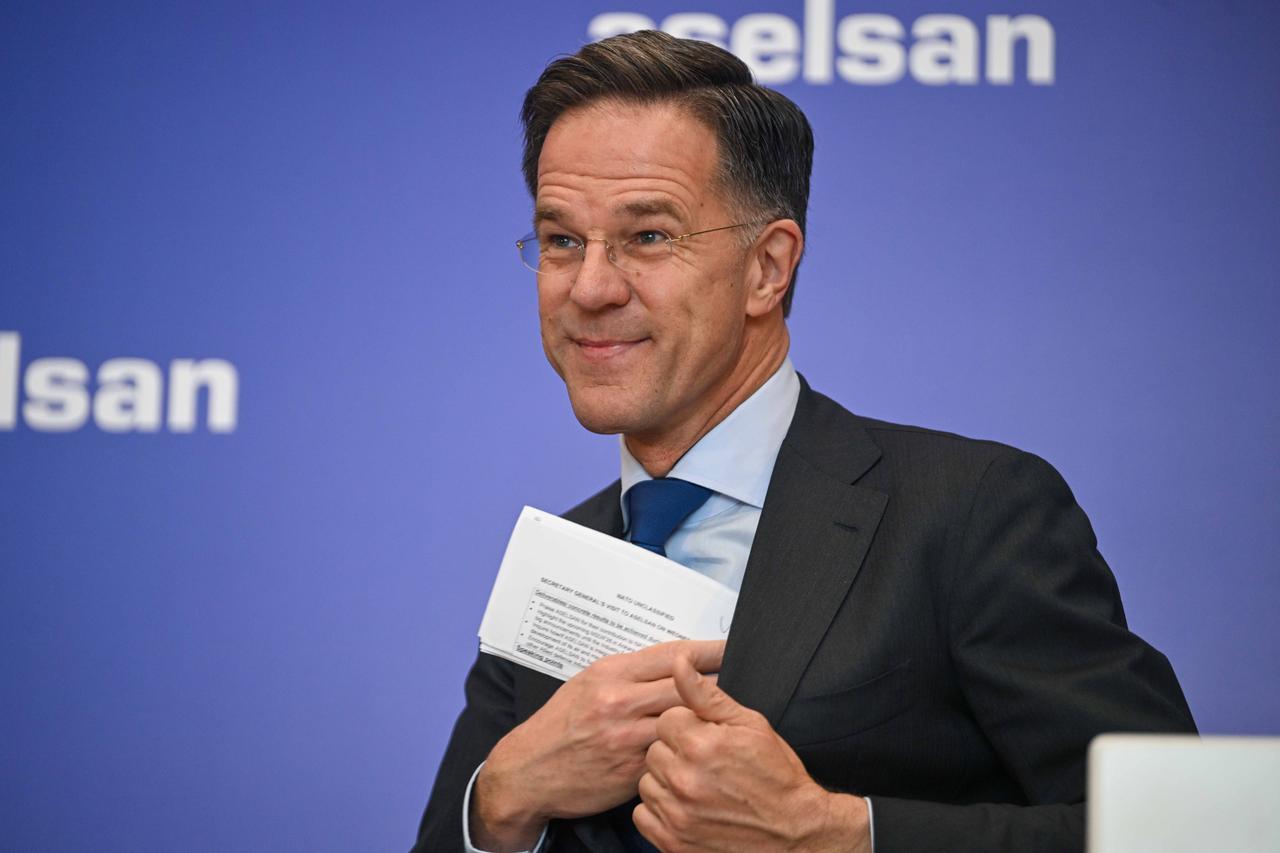
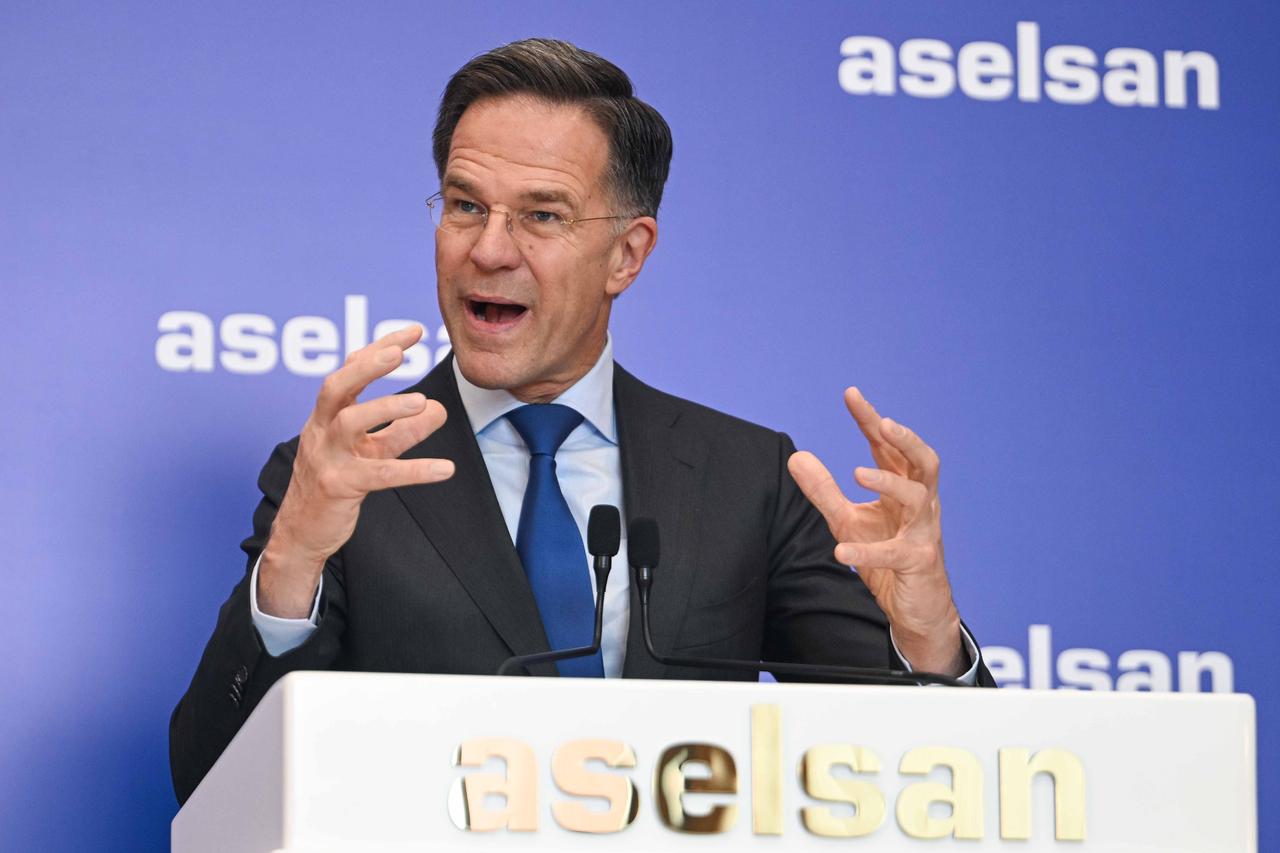
Yet these rifts don't necessarily signal a terminal institutional decline. The organization, seemingly going through a period of transformation, as NATO Secretary-General Mark Rutte’s own choice of expression, also shares that view.
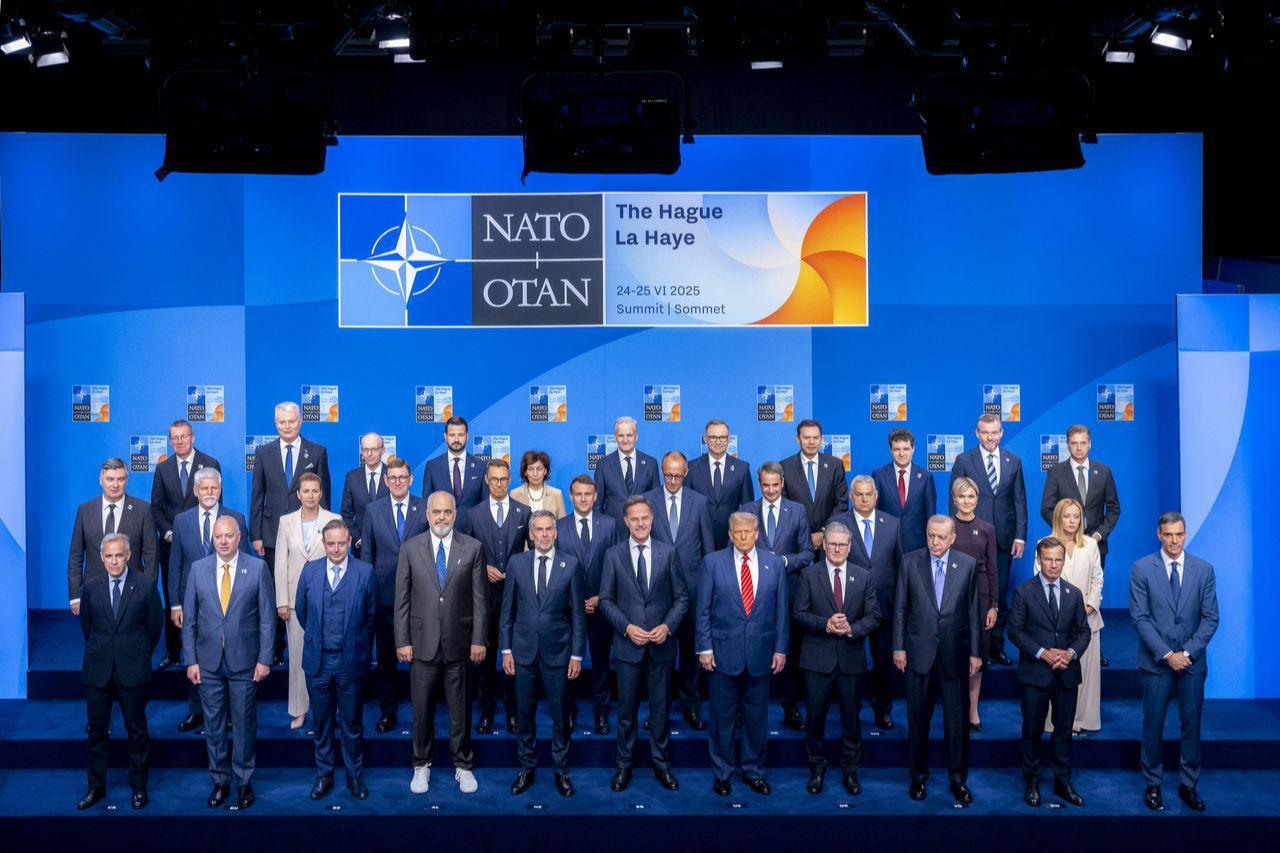
Despite the formal agenda, the Ankara summit is expected to revolve less around policy checklists and more around a strategic negotiation over alignment, particularly between the United States and its Western European allies.
Long-term support for Ukraine remains a central item, including military assistance, financial mechanisms, and resilience planning; yet, the burden of sustaining that support is increasingly shifting toward NATO’s European members themselves, with intra-European burden-sharing becoming a defining feature of this phase.
Another important question is whether key European states are prepared to work through Ankara as part of that cooperation, given its distancing posture on many occasions and on a rhetorical level.
Whether that response takes the form of tangible measures or calibrated ambiguity, the summit will be critical in setting the tone for how this new phase of transatlantic diplomacy is conducted.
As a result, the Ankara summit may function less as a venue for consensus-building and more as a forum where the terms of intra-alliance coexistence are renegotiated—among the United States, Western Europe, and a set of actors, including Türkiye, that increasingly sits at the intersection of both. Regardless of the immediate outcomes, its significance will lie in how these negotiations are conducted, and in the diplomatic framework that emerges from them.
Talks of NATO unraveling make for good headlines, but they miss the more immediate shift already underway. The alliance is unlikely to fracture in any formal sense. What looks far more plausible is a quieter rebalancing—one that moves weight, not structures.
U.S. Secretary of State Marco Rubio has been unusually direct about the frustration in Washington. Allies that restrict access to bases while relying on American security guarantees, he suggested, raise a basic question about the terms of the relationship.
A full withdrawal from Europe is neither practical nor especially likely. The U.S. still needs a forward military presence on the continent, not the least because the strategic environment hasn’t become any simpler. What can change, however, is where that presence sits, and on what terms.
That points to a more selective map of deployment.
Instead of pulling back from NATO, Washington may begin shifting assets away from countries seen as reluctant partners and toward those more closely aligned with its priorities. It is a redistribution rather than a retreat.
Countries like Poland and Romania are already positioned for that possibility. They spend more, host more, and—crucially—say yes more often. If there is a reward system taking shape, it is likely to show up first in troop placements and infrastructure decisions, not communiques.
The end result would still look like NATO, but not quite the version that became familiar over decades. Less evenly spread, more conditional in practice, and increasingly defined by where commitments are matched by access.


 Set as preferred source
 Set as preferred source


 1 min read
 1 min read