Newsletters


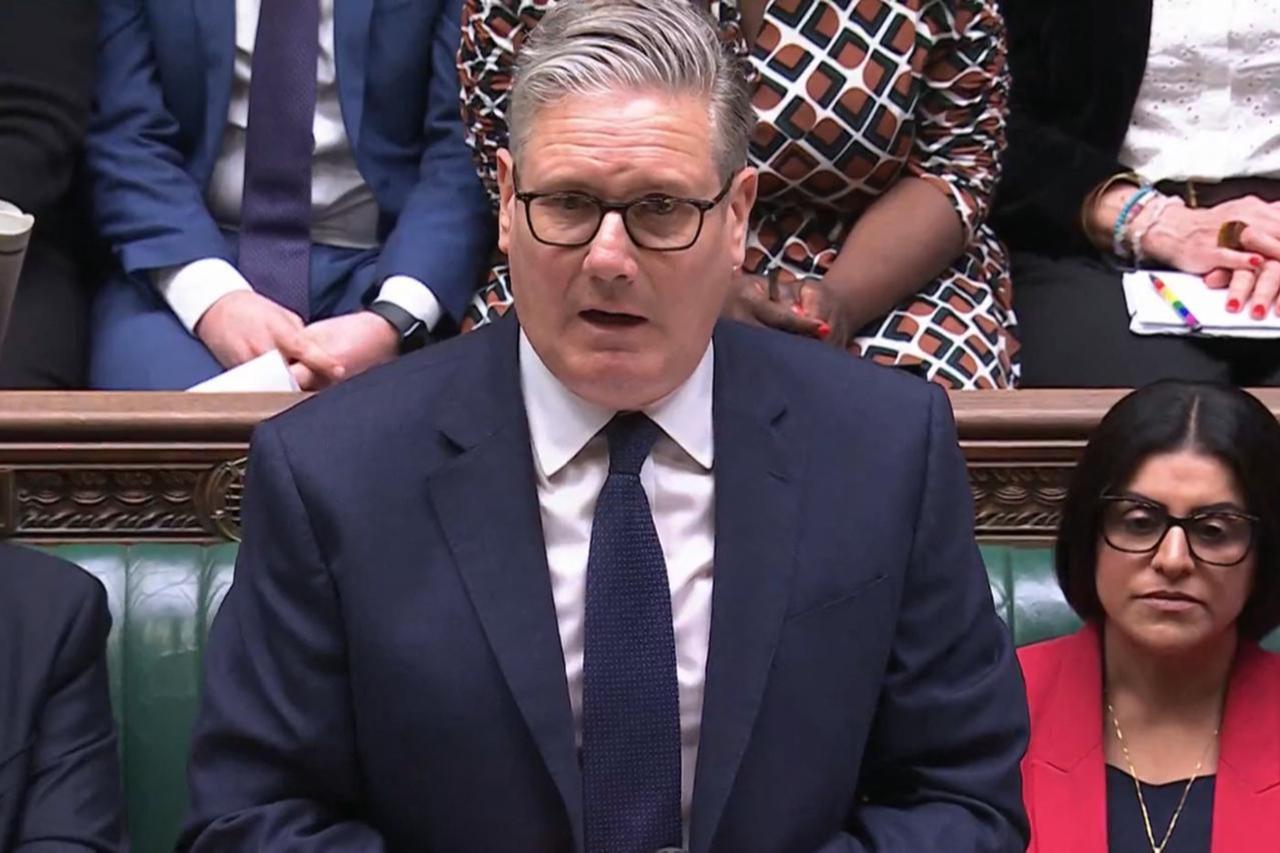


British Prime Minister Keir Starmer is fighting for his political survival after more than 60 members of his own parliamentary party called on him to set a timetable for his departure, brushing aside a defiant speech in which he pledged to prove his doubters wrong and remain in office.
The cascade of statements, which continued well into Monday evening, marked one of the most serious internal challenges to a sitting Labour prime minister in recent memory, and came just days after the party suffered sweeping losses in local and regional elections across England, Wales and Scotland.
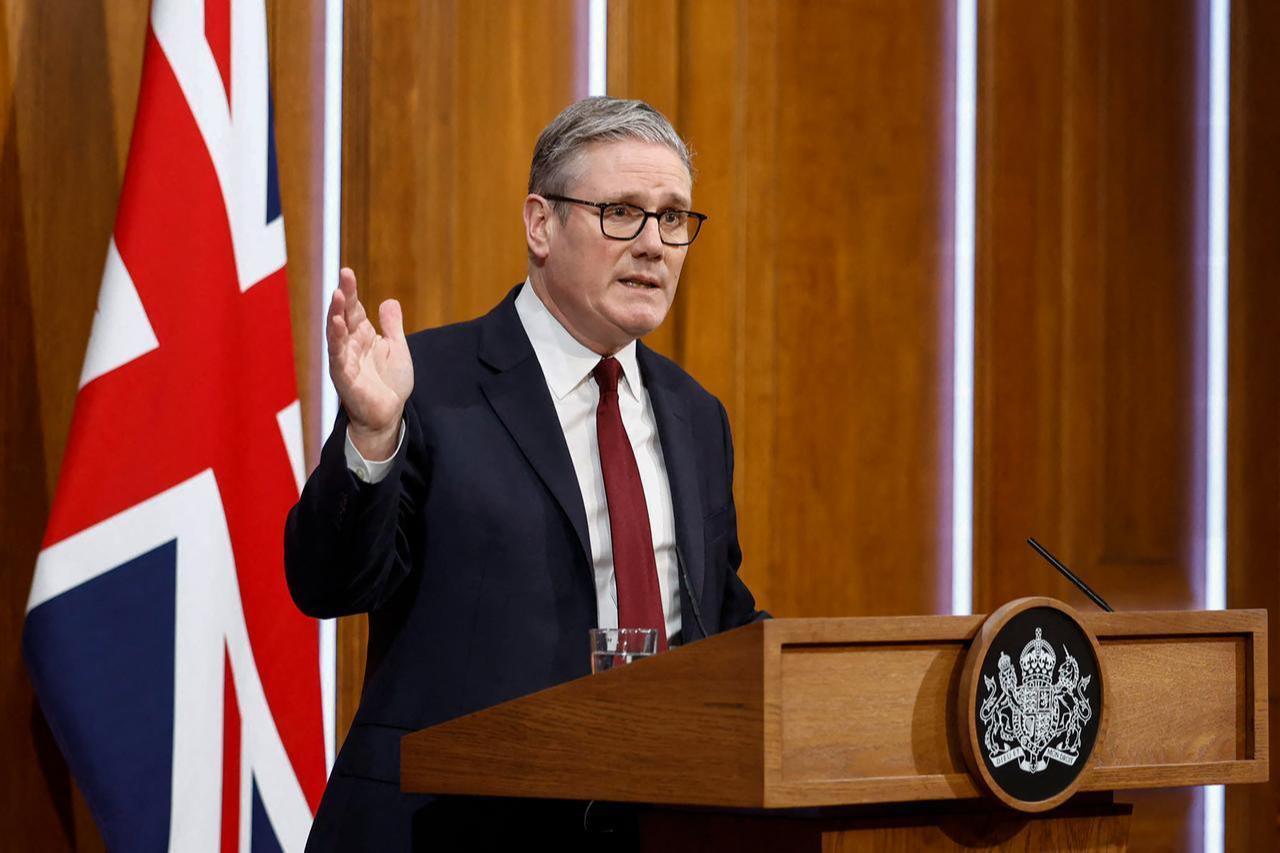

Starmer, 62, acknowledged voters' frustration in a lunchtime address, conceding that Labour had made mistakes and promising "a bigger response" rather than "incremental change" on economic growth, European ties and energy policy. He pledged to fully nationalise British Steel and delivered his sharpest critique yet of Brexit, saying Britain's 2020 departure from the European Union had left the country poorer, weaker and less secure.
He described Reform UK leader Nigel Farage as a "chancer" and "grifter" whose pro-Brexit campaign had taken Britain "for a ride," and warned that without course correction, "our country will go down a very dark path." He said Labour was facing "very dangerous opponents" in Reform UK and vowed to fight any leadership challenge.
But the speech did little to quiet dissent inside the parliamentary Labour Party. By Monday evening, at least 55 of Labour's roughly 400 MPs had publicly called for Starmer to step down or outline an orderly transition, with the number rising above 60 when backers of rival leadership figures were included. Among them were three junior frontbenchers who resigned their government positions to speak out.
The names crossing the threshold reflected the breadth of internal opposition. Chris Curtis, co-chair of the Labour Growth Group, a faction once considered a loyalist bloc, said Starmer could not deliver the change the country needed and called for "a timetable and an orderly process for a leadership election."
Joe Morris, parliamentary private secretary to Health Secretary Wes Streeting, wrote publicly that it was "now clear that the prime minister no longer has the trust or confidence of the public." Tom Rutland, an aide to Environment Secretary Emma Reynolds, said Starmer had "lost authority" among Labour MPs and would not be able to regain it. Both Morris and a third government aide, Sally Jameson from the Home Office, resigned their positions before making their statements.
Allies of Streeting, widely rumoured to be considering a leadership bid, said he had no plans to speak on Monday and reiterated his support for the prime minister. Former Deputy Prime Minister Angela Rayner stopped short of calling for Starmer to quit but said in her own speech that "what we are doing isn't working, and it needs to change."
Dozens of MPs aligned with Andy Burnham, the popular Mayor of Greater Manchester, also called for an orderly transition, though Burnham is currently ineligible to stand as he does not hold a seat in parliament.


 Set as preferred source
 Set as preferred source


 1 min read
 1 min read