Newsletters


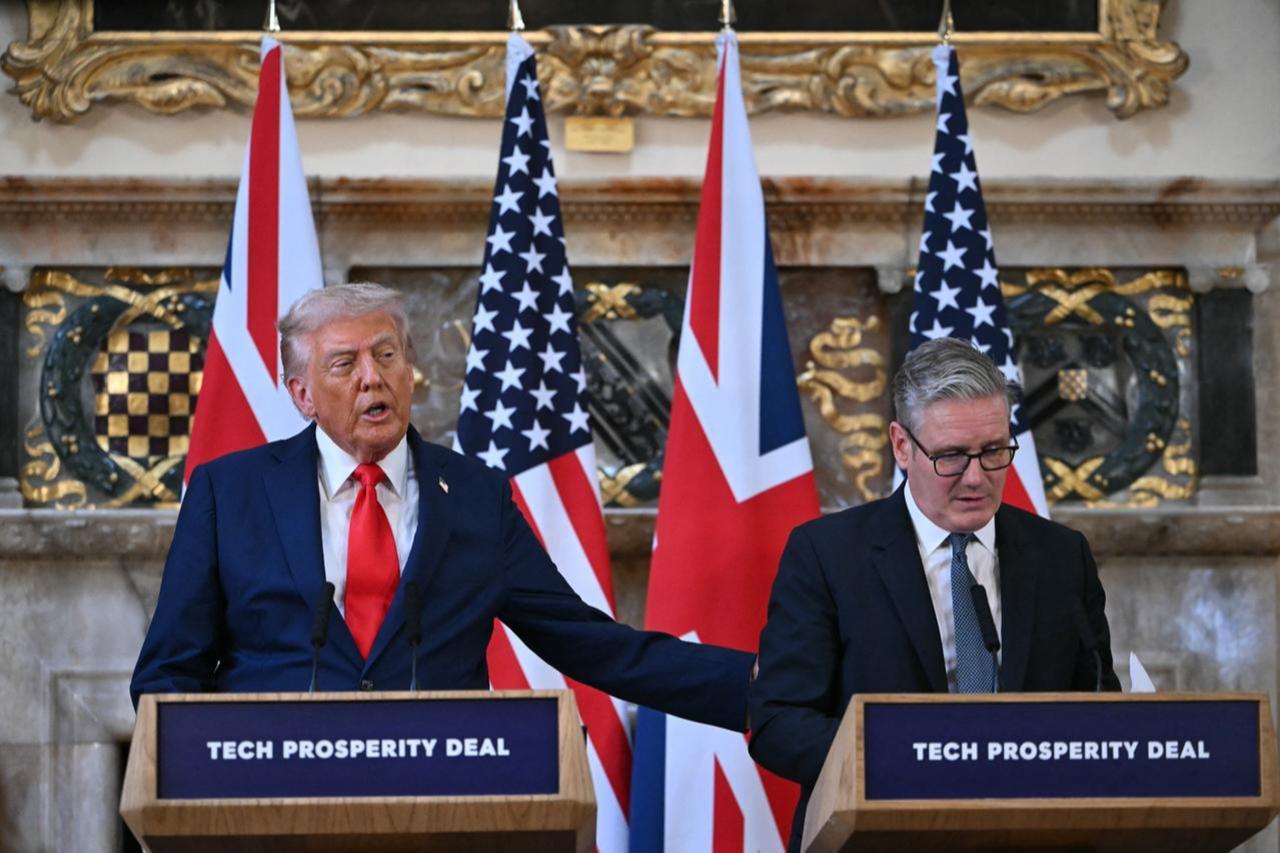


British Prime Minister Keir Starmer announced Sunday that the United Kingdom will allow the United States to use UK military bases to carry out strikes targeting Iranian missile launchers and storage depots, framing the decision as a defensive measure to protect allied forces and British citizens across the Gulf region.
The move marks a carefully calibrated escalation of British involvement in the growing confrontation with Iran, even as Starmer stressed that London would not participate in offensive military operations. "We were not involved in the initial strikes on Iran and we will not join offensive action now," he said in a video address posted to social media, adding that the UK still believes "the best way forward for the region and for the world is a negotiated settlement."
Starmer justified the base-sharing arrangement by pointing to what he described as Iran's aggressive posture across the region, saying Tehran "is pursuing a scorched-earth strategy." He argued that "the only way to stop the threat" was "to destroy the missiles at source, in their storage depots or the launchers which are used to fire the missiles."
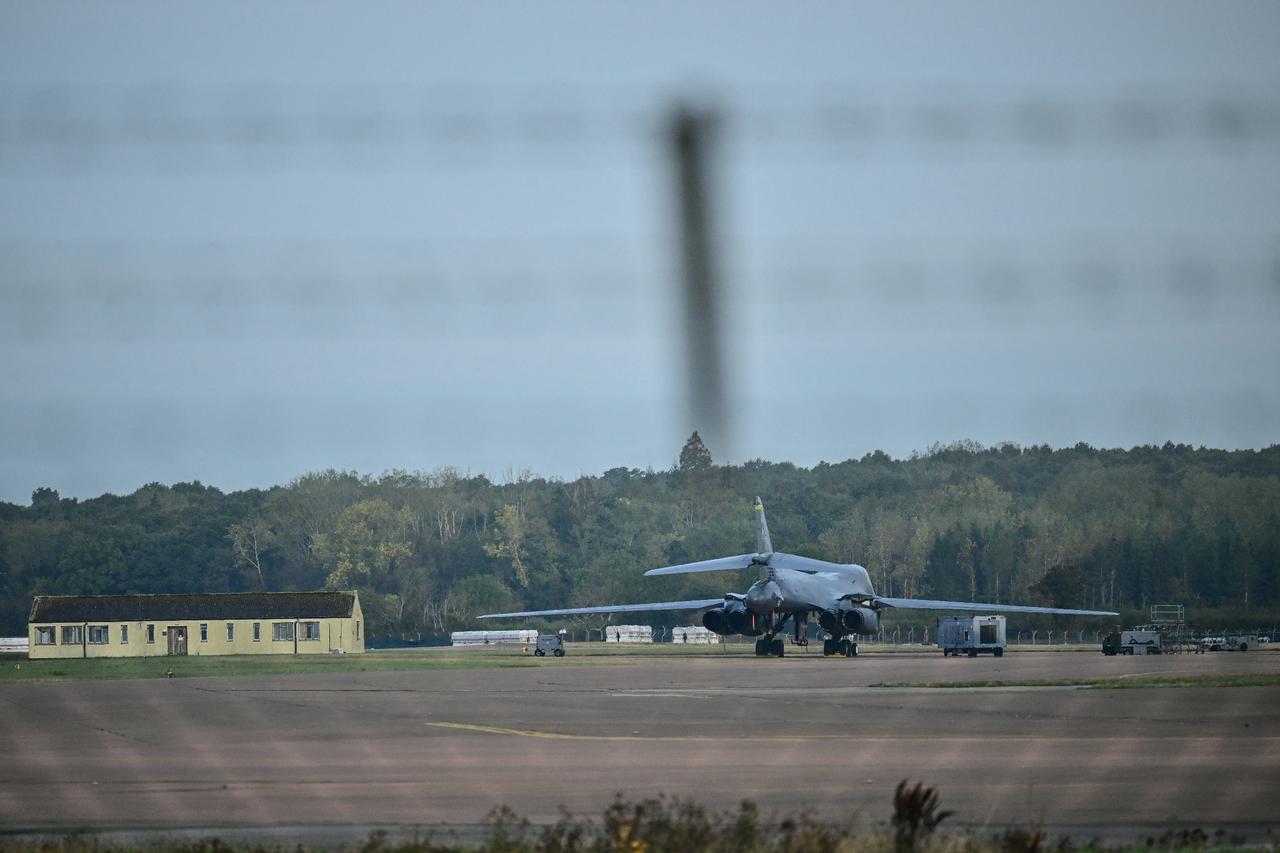
The prime minister confirmed that Washington had formally requested permission to use British bases "for that specific and limited defensive purpose," though he did not identify which installations would be involved. The UK government separately published a legal justification for the decision on its official website.
The announcement came on the same day that Britain, France and Germany issued a joint statement declaring their readiness to defend allied interests in the Gulf, including through "defensive action" against Iran if necessary. The trilateral statement signals a broadening European consensus on confronting Iranian military activity in the region.
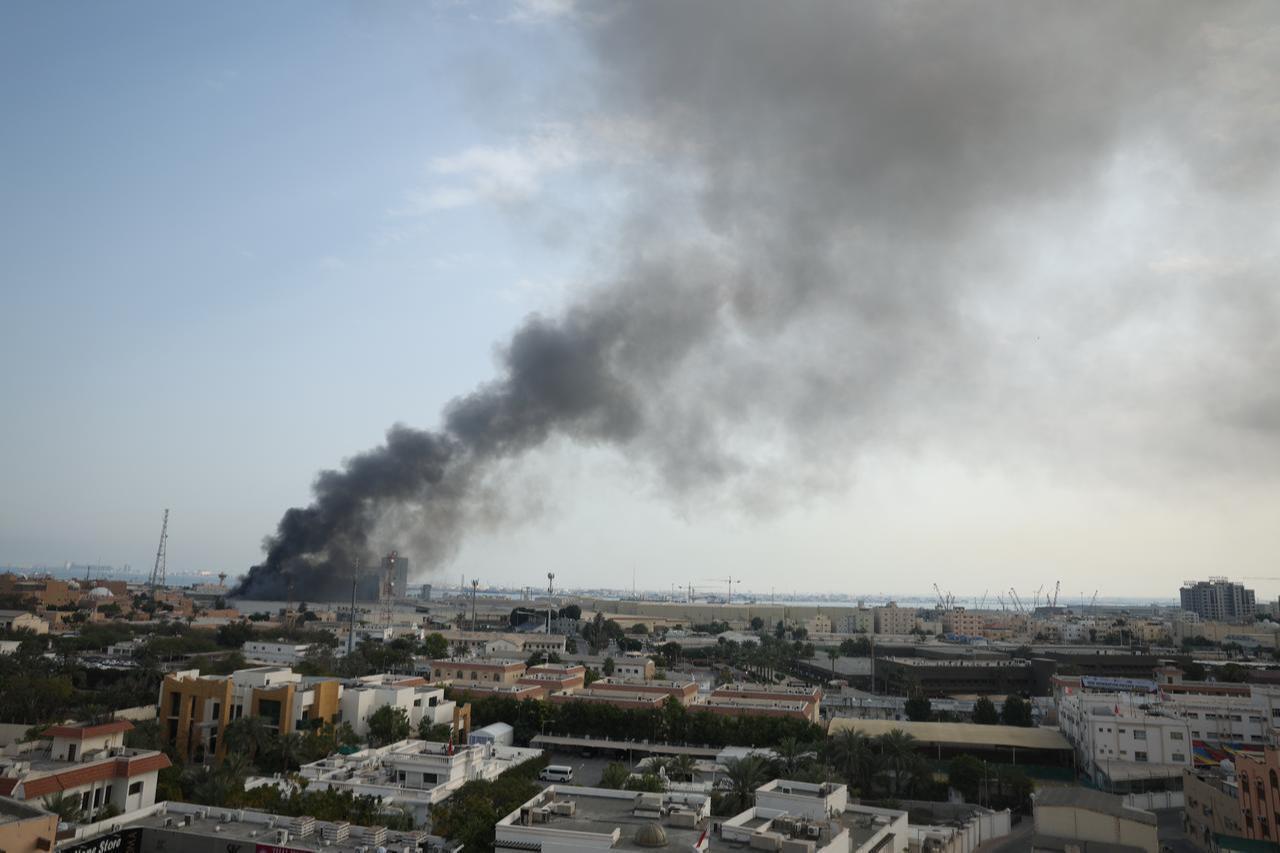

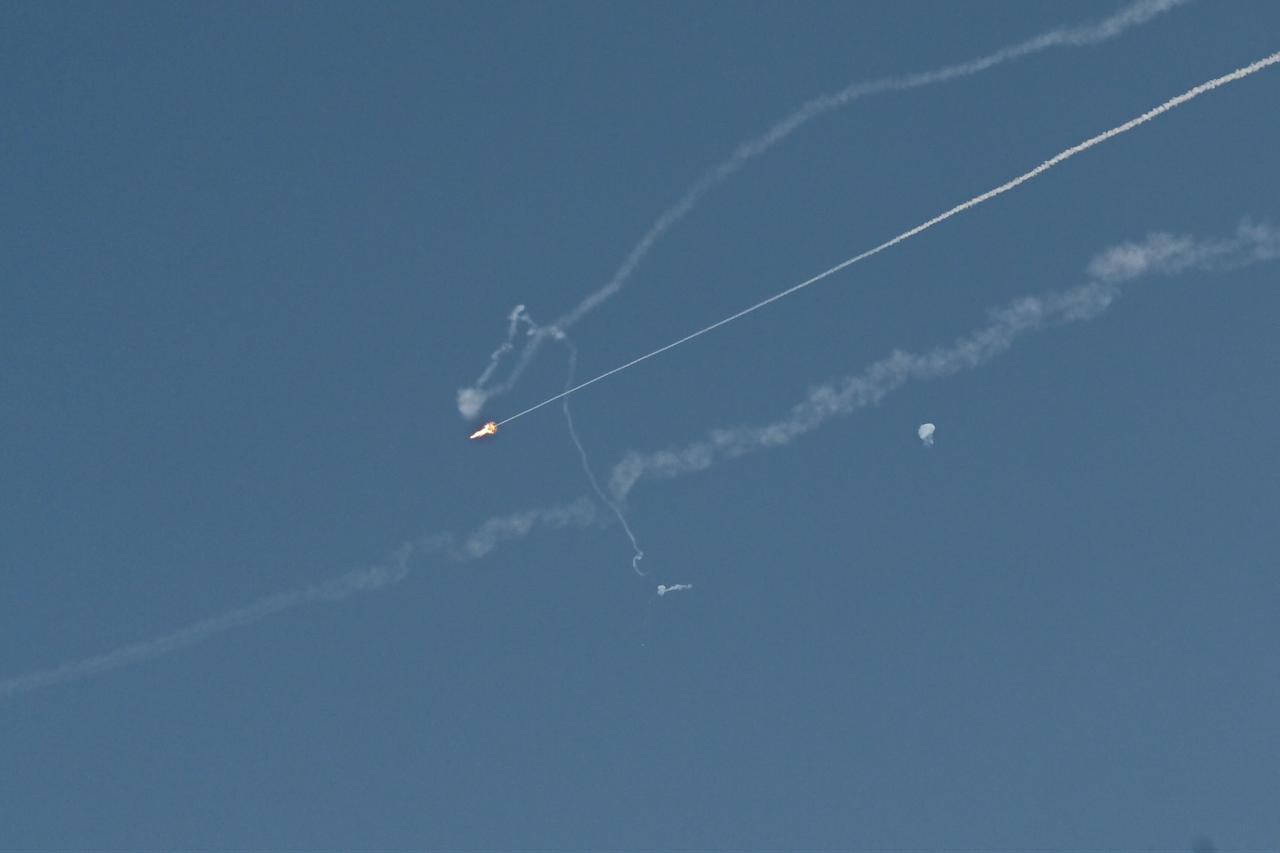
The urgency of the situation was underscored by a direct threat to British forces. Starmer revealed that an Iranian strike hit a military base in Bahrain on Saturday, "narrowly missing" UK personnel stationed there. The incident appears to have sharpened London's willingness to deepen its logistical support for American operations, even while maintaining its distinction between defensive and offensive action.
Starmer also highlighted the scale of civilian exposure, estimating that "at least 200,000" British citizens are currently in the affected area, including residents, vacationing families and other travellers. He urged them to register their presence with authorities and follow guidance from the Foreign Office, which has advised Britons in Bahrain, Kuwait, Qatar and the United Arab Emirates to "immediately shelter in place."
 1 min read
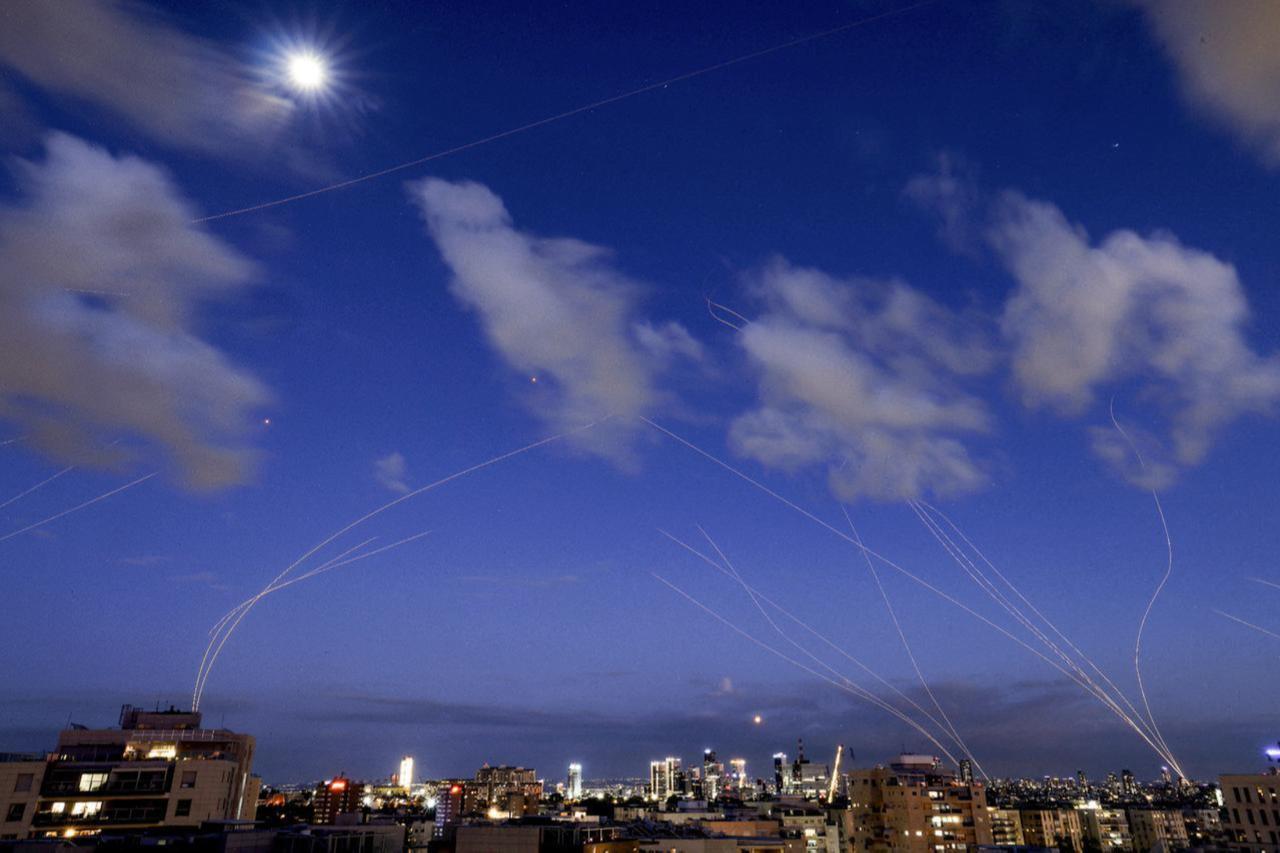
Throughout his address, Starmer was careful to frame the UK's role as limited and legally grounded. He emphasised that the decision to stay out of direct strikes on Iran "was deliberate," positioning Britain as a supportive but restrained partner in the US-led campaign. The approach reflects a balancing act between alliance obligations and domestic political sensitivity over military entanglements in the Middle East, a dynamic that has shaped British foreign policy debates since the Iraq War era.
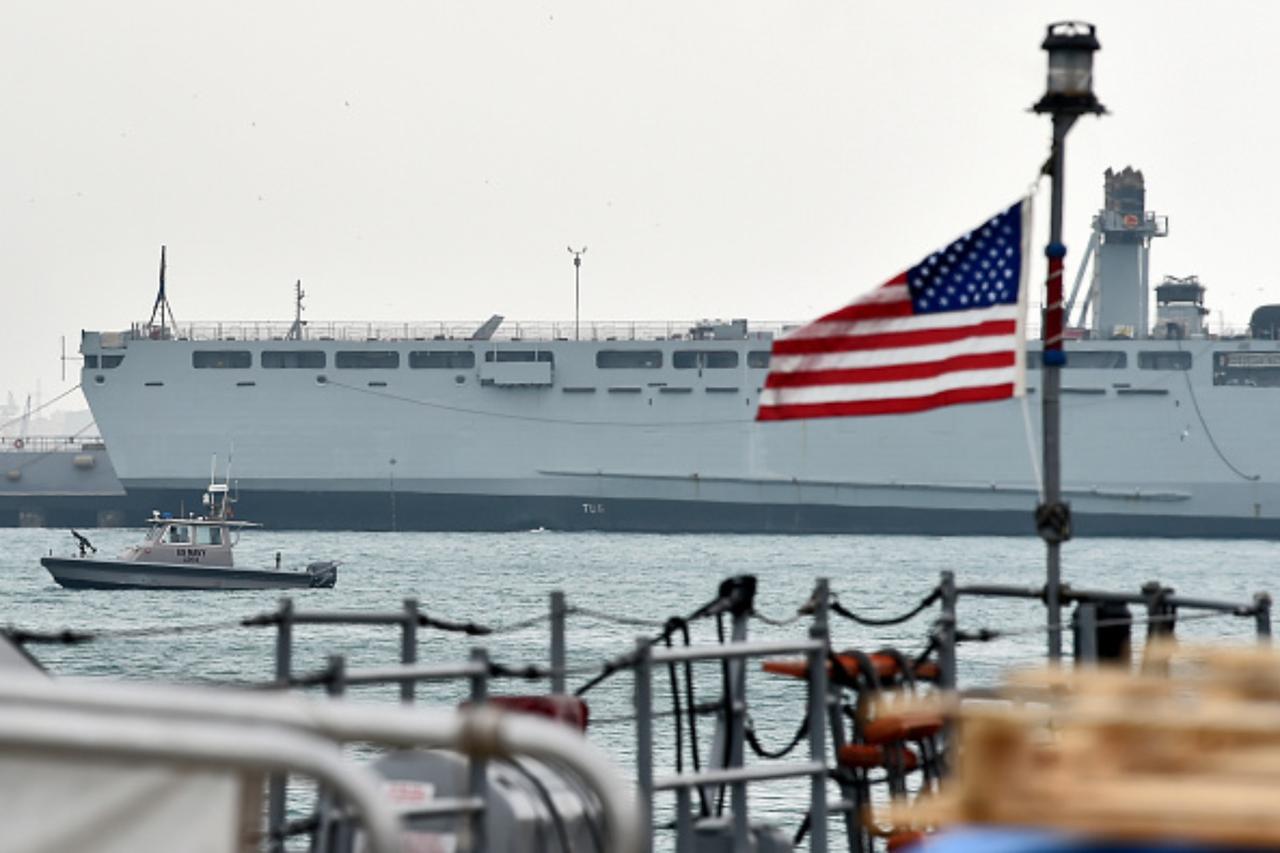
The UK maintains a network of military facilities across the Gulf region. Bahrain is home to a permanent Royal Navy base, HMS Juffair, which serves as the hub of British naval operations east of Suez. British forces also have a presence in other Gulf states, though the specific arrangements vary by country.


 Set as preferred source
 Set as preferred source


 1 min read