Newsletters


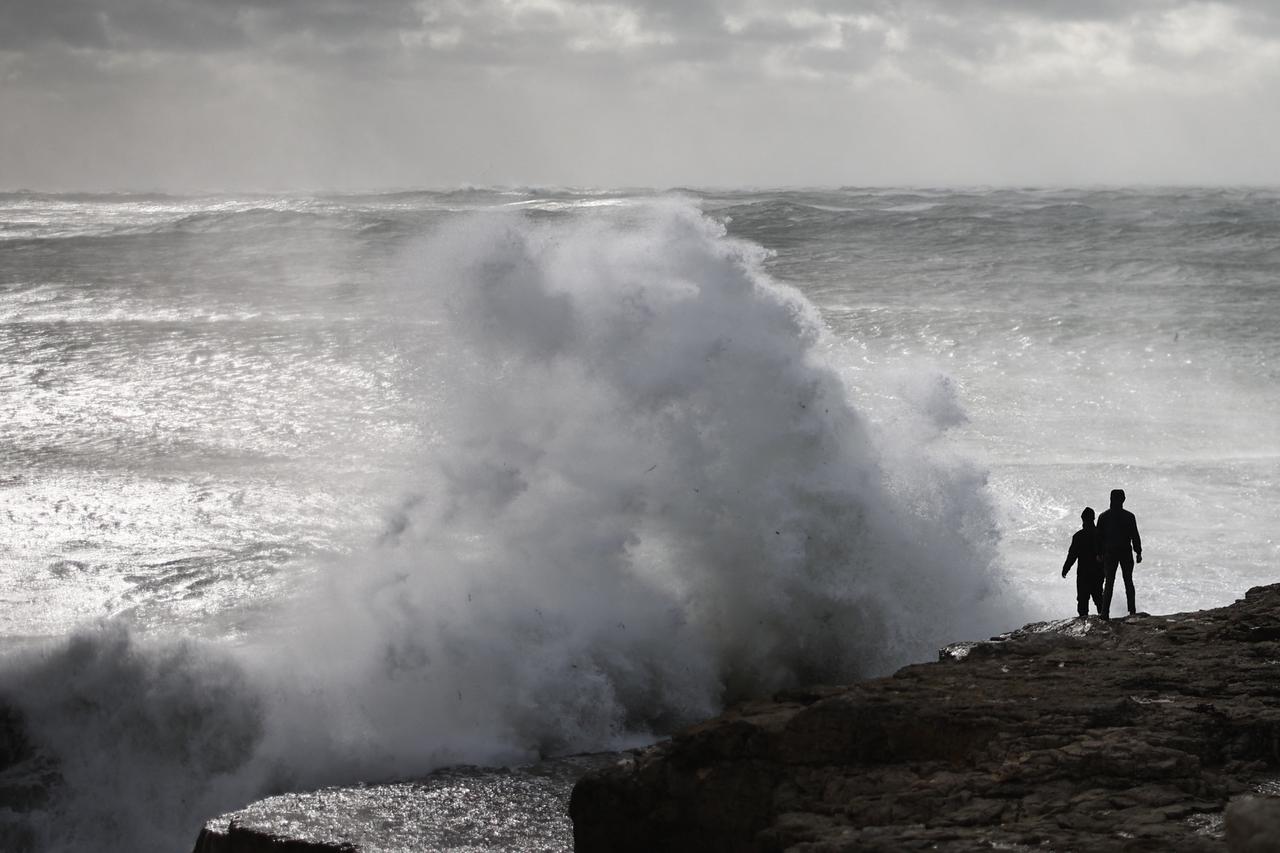


Storm Boelo battered northern England on Sunday, leaving tens of thousands of homes without power and disrupting air, rail, road, and sea travel.
As of 8:00 a.m. (0800 GMT), more than 82,000 properties had no electricity, according to the Energy Networks Association, an industry body. The association said it had reconnected almost 350,000 customers since Storm Austen hit the country on Friday.
Boelo is the second named storm of the U.K. season. Austen brought strong gusts to southern areas, where the Met Office had forecast peak gusts above 70 mph (113 kph) on exposed coasts.
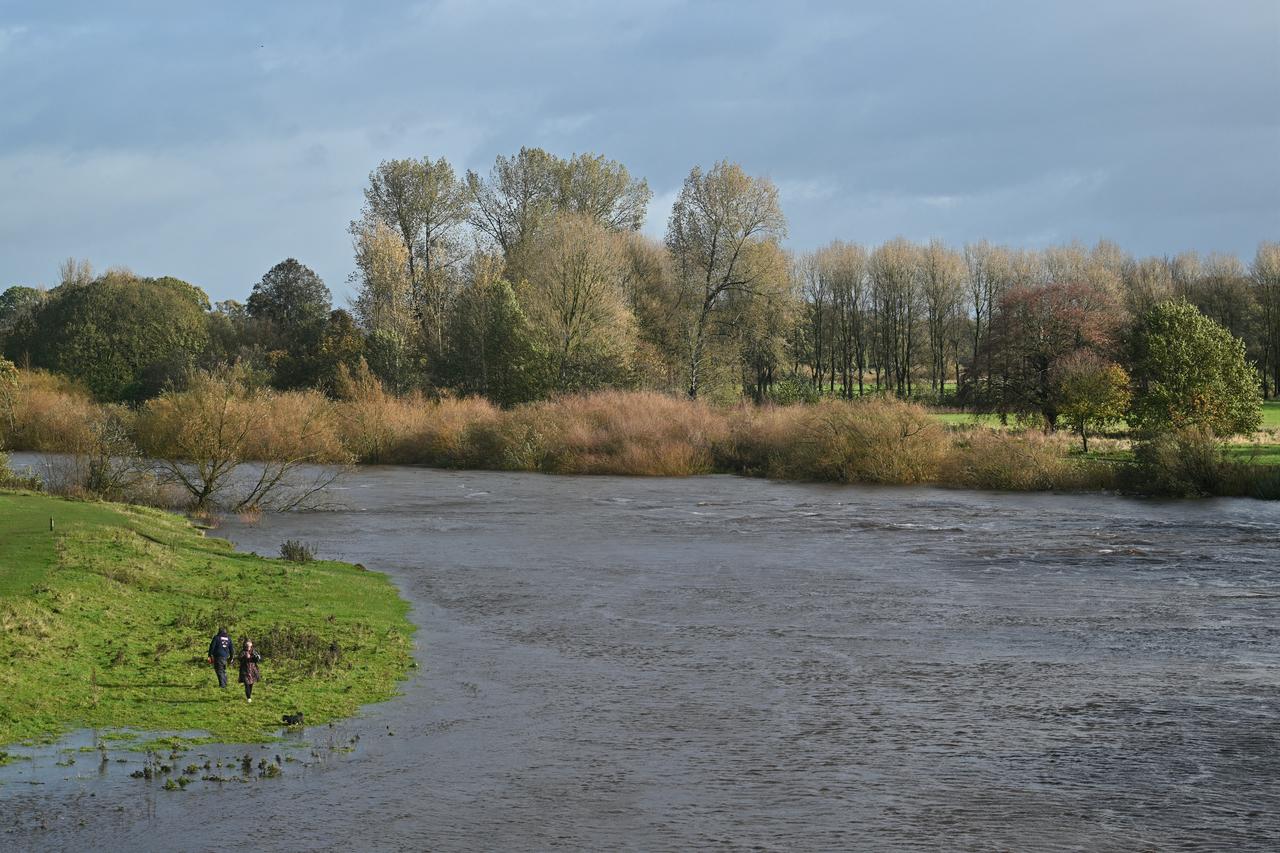

An amber wind warning was in place in Scotland, the U.K.'s northernmost part. Collapsed trees, fallen cables, and damaged surfaces prompted road and railway track closures. The Met Office, the national weather agency, recorded gusts peaking at 84 mph (135 kph) in Argyll and Bute, a council area on Scotland’s west coast.
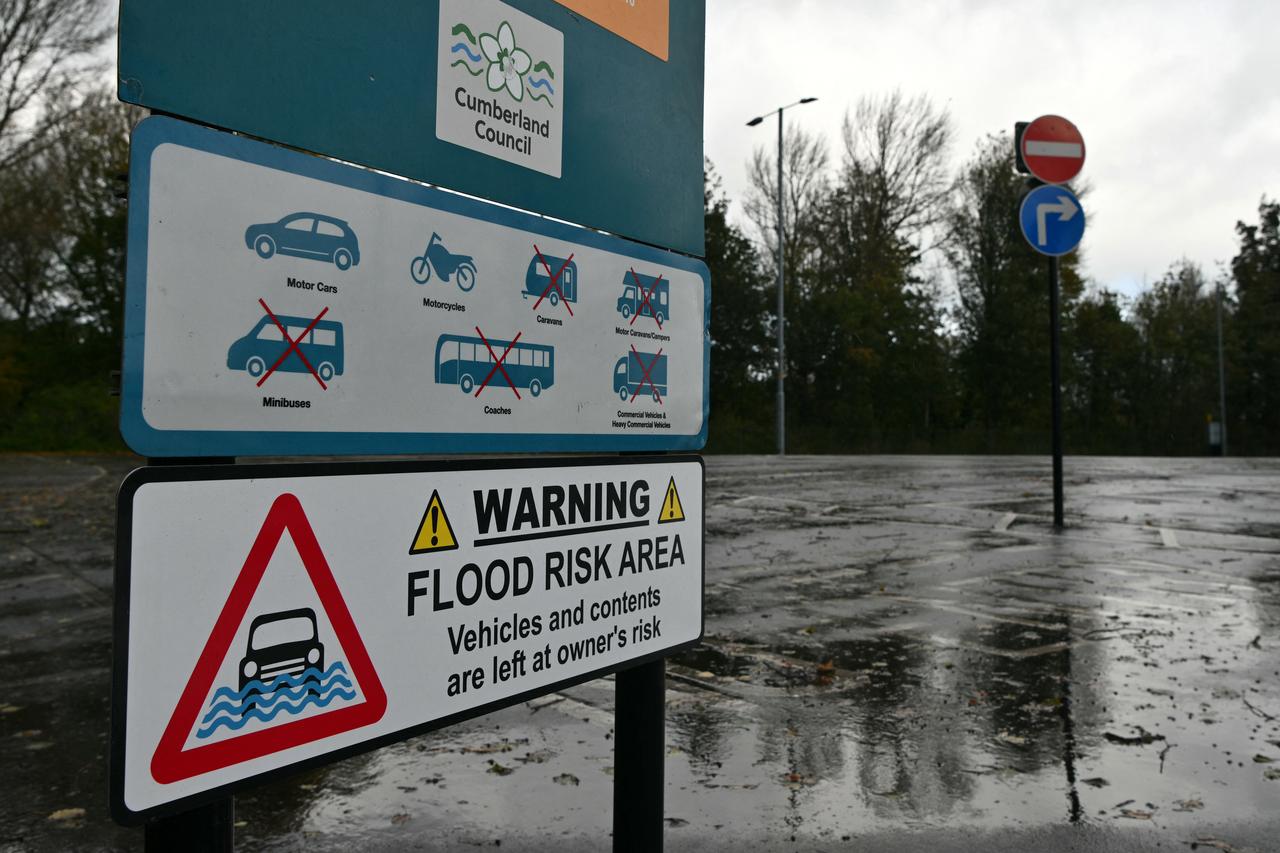
Scotland and northern England were also under a yellow rain warning, with up to 80 millimeters (3 inches) of rain expected in some areas and a chance of flooding.
The Met Office warned of a danger to life from flying debris and crashing waves and advised people to stay indoors as much as possible.
In Northern Ireland, several flights out of Belfast, the region’s capital, were canceled. Some ferry services across the Irish Sea between Belfast and northwest England were also canceled.
The Met Office, Ireland’s Met Eireann and the Netherlands’ KNMI have jointly named storms since 2015.
Boelo comes from the Dutch list, while Met Eireann proposed Austen in honor of Austen Nagle, the first director of the Irish Meteorological Service. The season runs from September to August, and the 2025-26 season produced four named storms.


 Set as preferred source
 Set as preferred source




 2 min read