Newsletters


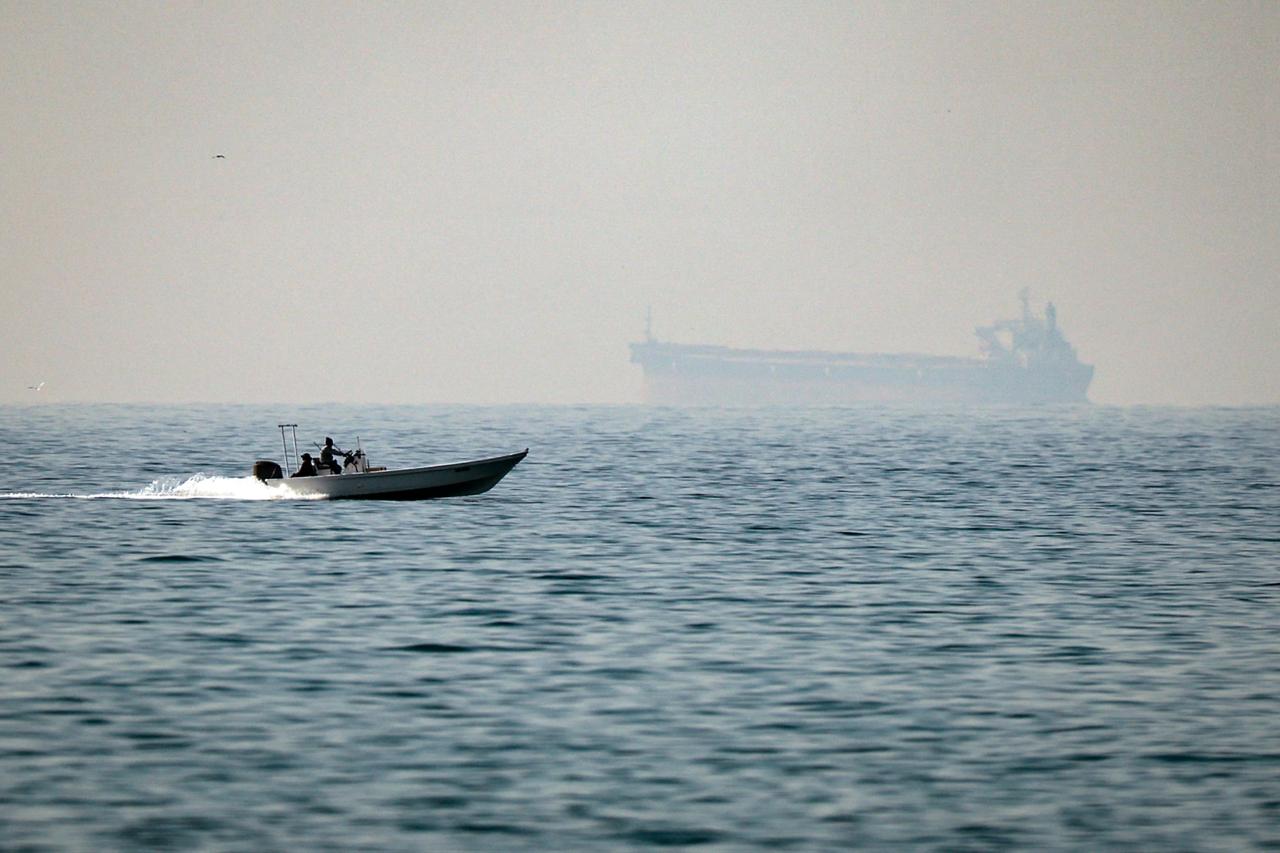


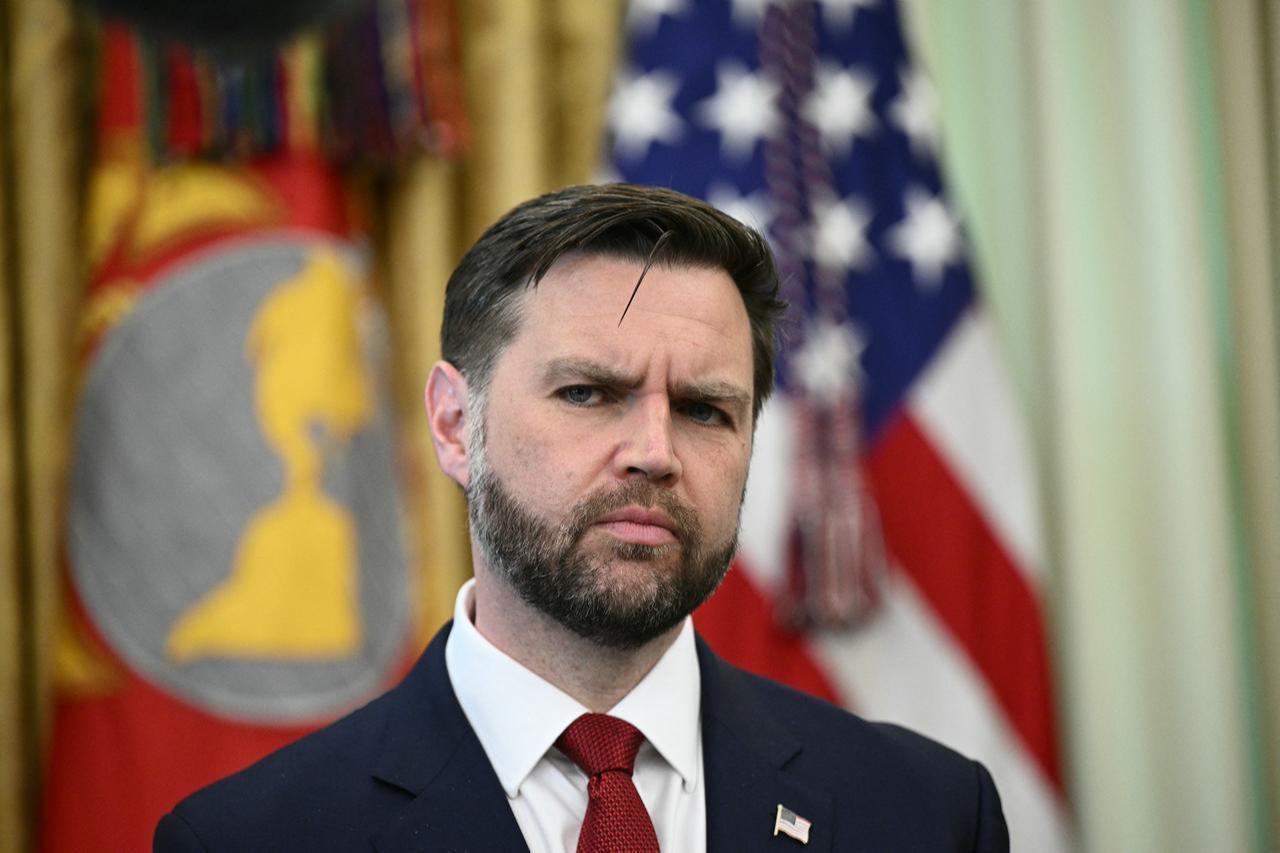
U.S. Vice President JD Vance said Monday he expects the Strait of Hormuz to be open on a toll-free basis in the long term under the framework agreement with Iran.
Meanwhile, Iranian state media disclosed plans to charge maritime service fees after a 60-day grace period.
"Our expectation is that the strait is going to be opened in a toll-free way for the long term, and that's the sort of thing that we're going to figure out in these technical negotiations," Vance told CNBC.
"You know that there are a lot of very important details to figure out that we're actually going to sit at the table and discuss together and figure out a path forward," he noted.

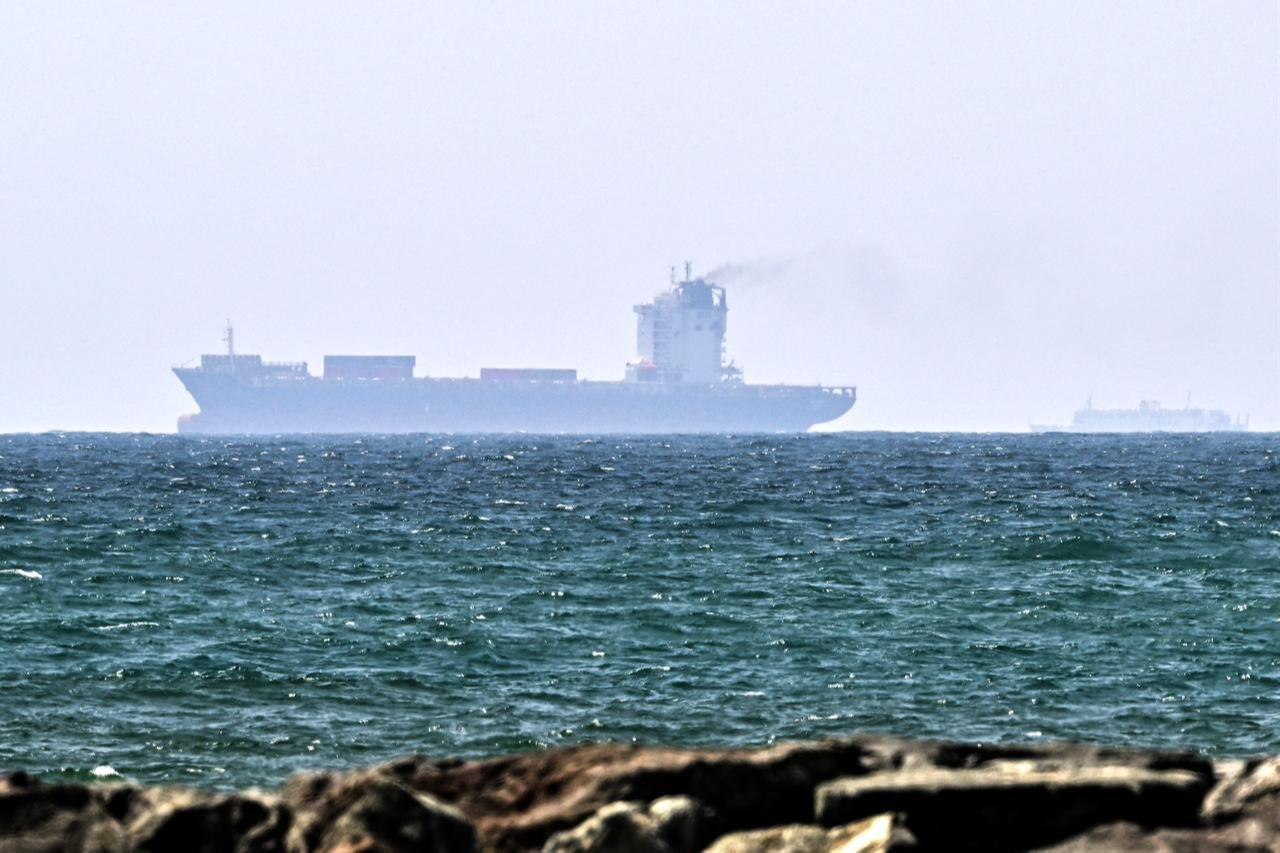
Despite Vance's optimism, the global shipping industry remained cautious. Jakob Larsen, chief safety and security officer at Bimco, the world's largest international shipping association, said statements from both the U.S. and Iran were insufficient to justify resuming transits.
"Due to lack of details and a history of overly optimistic reassurances, we believe the security situation for the shipping industry remains volatile, and we still consider it very risky for ships to commence transits at this point," Larsen said.
The threat of mines remained a major concern, he said, after Secretary of State Marco Rubio told Congress earlier this month that Iran had mined large segments of the strait.
Lars Barstad, CEO of tanker company Frontline, which operates 80 ships globally and has five tankers stranded in the Persian Gulf, told CNBC he believed "vessels will start to move very quickly once a deal is signed," but said he would have wanted "clearer language around the transit protocol."
Vance said ship traffic through Hormuz had already increased over the past 24 hours.
Iran's Foreign Minister and Parliament Speaker are expected to represent Tehran at the Friday signing in Geneva.
Vance did not say who would represent the United States.
In a separate appearance on CBS Mornings, Vance declined to rule out U.S. military involvement in ensuring Iran's compliance with the destruction of its highly enriched uranium stockpile.
"Whether we play an observer role or whether we play a more active role, these are the sorts of things that we'll figure out in technical talks," he said.
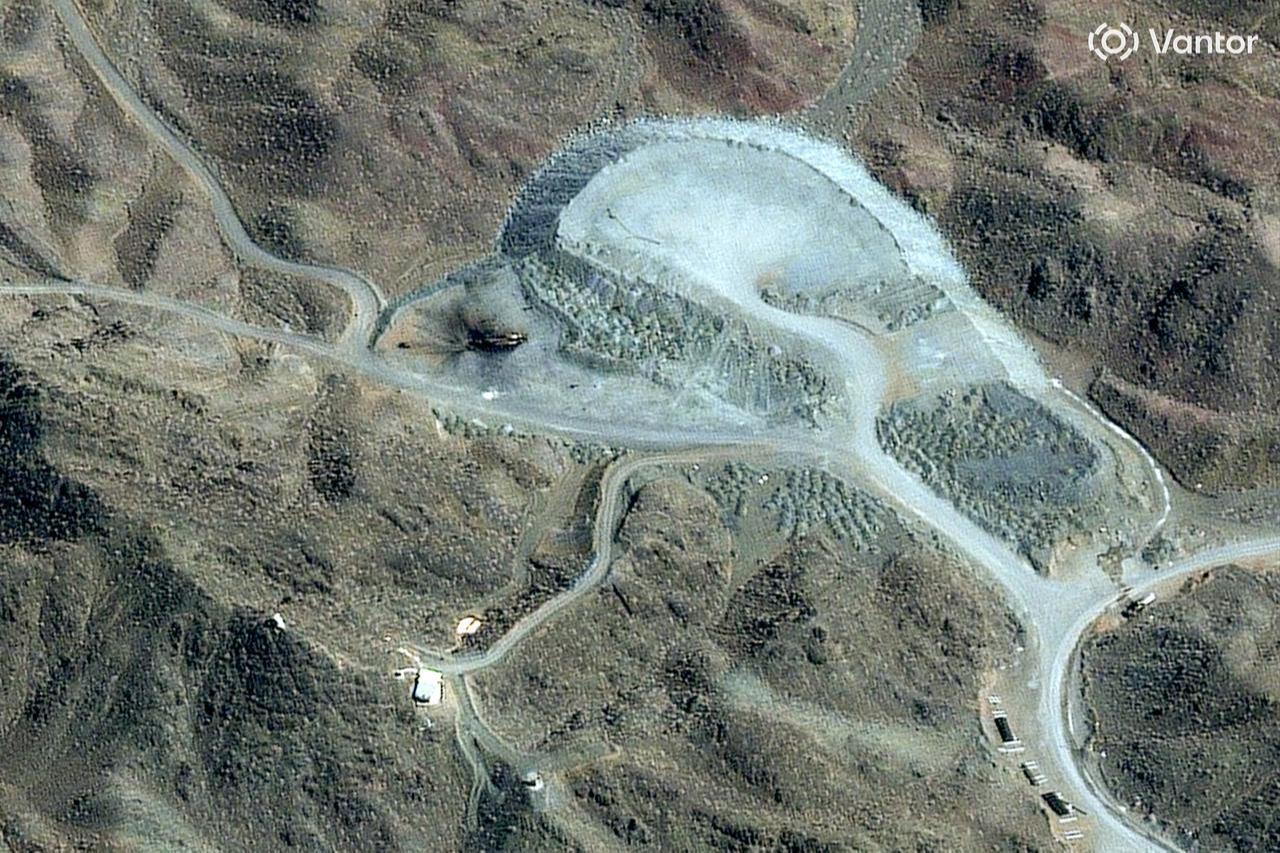
According to the International Atomic Energy Agency (IAEA), Iran holds approximately 900 pounds of highly enriched uranium, believed to be buried under the rubble of a nuclear facility hit by U.S. and Israeli strikes.
"What the President has made very clear is the United States will be there to confirm that that enriched stockpile of material is destroyed," Vance said.
He described the deal as built around "a two-step verification process," access to an unsanctioned economy in exchange for honoring nuclear commitments, with economic isolation as the enforcement mechanism if Iran pursued a weapon.
Vance pushed back on Iranian statements that the memorandum allowed Tehran to dilute rather than destroy its stockpile inside Iran, saying the U.S. had destroyed Iran's nuclear program and that Iran "now has no capacity" to pursue a nuclear weapon.
He did not address the specific divergence between the two sides' accounts of the uranium disposition arrangement.
On the financial provisions, Vance disputed reports that Iran would receive $24 billion in frozen funds upon meeting certain benchmarks.
"That figure doesn't appear anywhere in any of the texts," he said on CBS.
He acknowledged that unfreezing of Iranian assets would be among the items addressed in technical talks following Friday's signing, but described the larger prize as a full unsanctioning of Iran's economy.
"A much, much bigger deal is unsanctioning their economy, so long as they make the long-term commitments on the nuclear program," Vance said.
Vance also said Israel would have "a seat at the table" in the new Middle East order that the deal was meant to create.
"I think when people see this deal, we hope to release the text this week, they're going to realise that this is going to make the whole region safer," he said.
He added that Gulf states "love" the agreement as an opportunity to "build and create a new Middle East, not just for the next few years, but for the next generation."


 Set as preferred source
 Set as preferred source


 6 min read