Newsletters


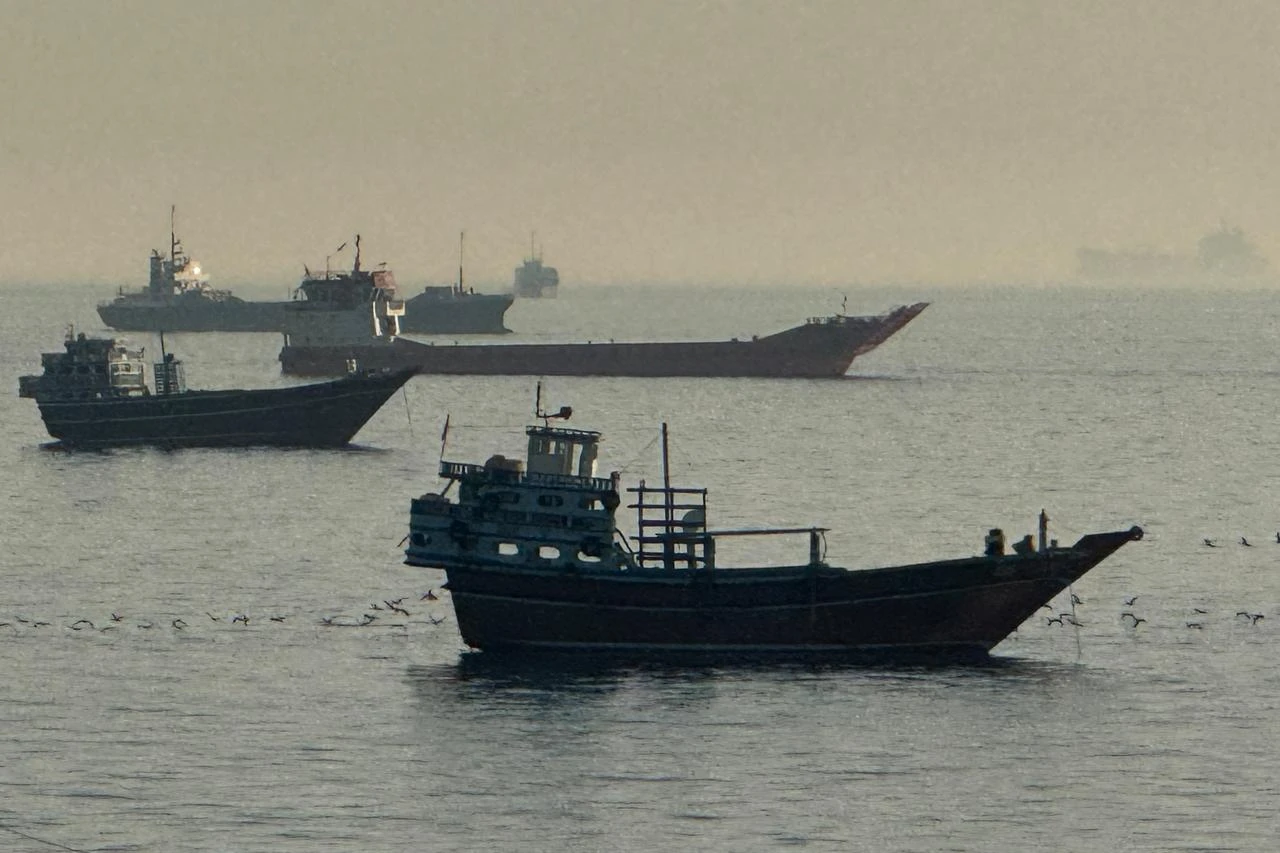
Iran's Foreign Minister Abbas Araghchi warned Friday that U.S. President Donald Trump's pledge to use frozen Iranian assets to cover damage to ships in the Strait of Hormuz sets a "dangerous precedent," as tanker crossings through the strait fell to their lowest level in more than two months.
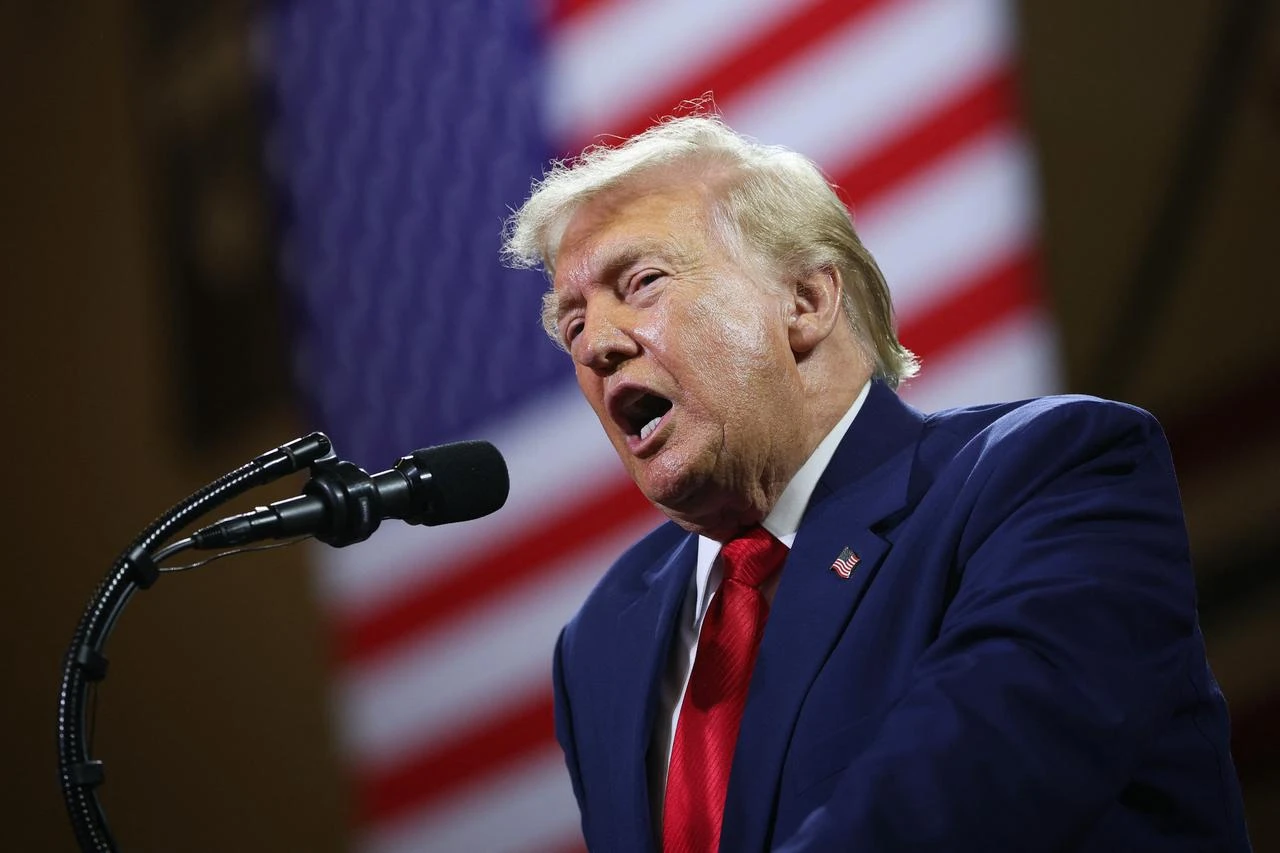
Trump said that the U.S. would use Iranian funds already under Washington's control to pay for any damage to ships, cargo or related property in the Strait of Hormuz resulting from military strikes.
"Please let this statement serve to represent, until further notice, that from this point forth, any and all damages done to Ships, Cargo, or anything related thereto, will be paid for by Iranian Money that the United States has in its possession, and controls," Trump wrote on Truth Social.
"These damages may be very substantial but, nevertheless, this is the fair and equitable thing to do," he added.
Trump did not specify the source of the funds, though billions of dollars in Iranian assets remain frozen under U.S. sanctions.

Araghchi condemned the plan in a post on X.
"Seizing another nation's assets to pay for unrelated future claims is an incendiary precedent," he wrote.
"Those who celebrate or profit from such funds should remember: once governments normalize confiscation, no one's assets are safe. Ensuing chaos will not be pretty or peaceful," the Iranian top diplomat said.
Separately, ship-tracking data showed only one tanker crossed the Strait of Hormuz on Thursday, the lowest level since May 7, according to Reuters, citing analytics firm Kpler.
That compares with three crossings the day before, and no vessels entered the strait at all on July 23.
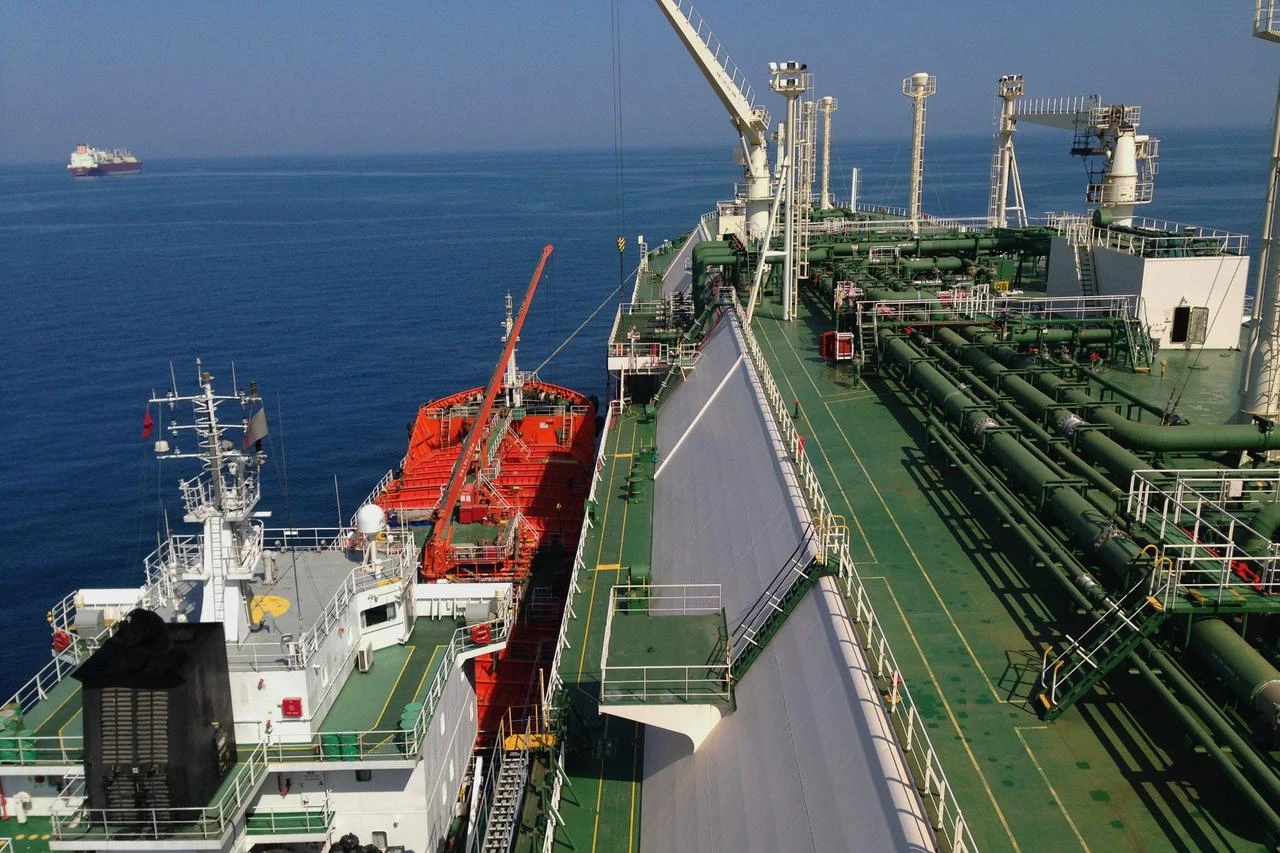
The very large crude carrier New Giant, carrying 2 million barrels of Iraqi Basrah crude, exited the strait Thursday and is due to arrive at China's Rizhao port by mid-August.
The U.S. military said Friday that it had completed a 13th consecutive night of strikes on Iran.
Meanwhile, tanker crossings at the Bab el-Mandeb strait totaled 32 on July 23, up from 26 the day before, according to Kpler data cited by Reuters, with 14 tankers entering the Red Sea and 18 exiting into the Gulf of Aden. Of the 18 exiting vessels, nine were carrying crude oil, including two loaded Chinese supertankers bound for China.
Separately, the clean tanker Torm Innovation, carrying roughly 500,000 barrels of naphtha bound for Asia, has redirected toward the Suez Canal instead of its typical Bab el-Mandeb route, according to Kpler and LSEG ship-tracking data cited by Reuters.
Regional trade sources told Reuters that rerouting ships via the Suez Canal to Asia instead of Bab el-Mandeb could nearly triple the voyage length. Separately, Saudi Aramco has begun offering additional crude cargoes for loading at Egypt's Mediterranean port of Sidi Kerir as a workaround to loading at its Red Sea ports.
The dispute over frozen assets comes amid the broader escalation between the U.S. and Iran, with both sides continuing to exchange strikes across the region despite the Pakistan-brokered framework agreement signed in June aimed at ending the war and reaching a lasting peace deal.
The conflict has driven oil prices back above $100 a barrel, as reported in this outlet's separate coverage of the market surge, and continues to disrupt shipping through the Strait of Hormuz, a critical global oil chokepoint.


 Set as preferred source
 Set as preferred source


 1 min read

 1 min read