Newsletters


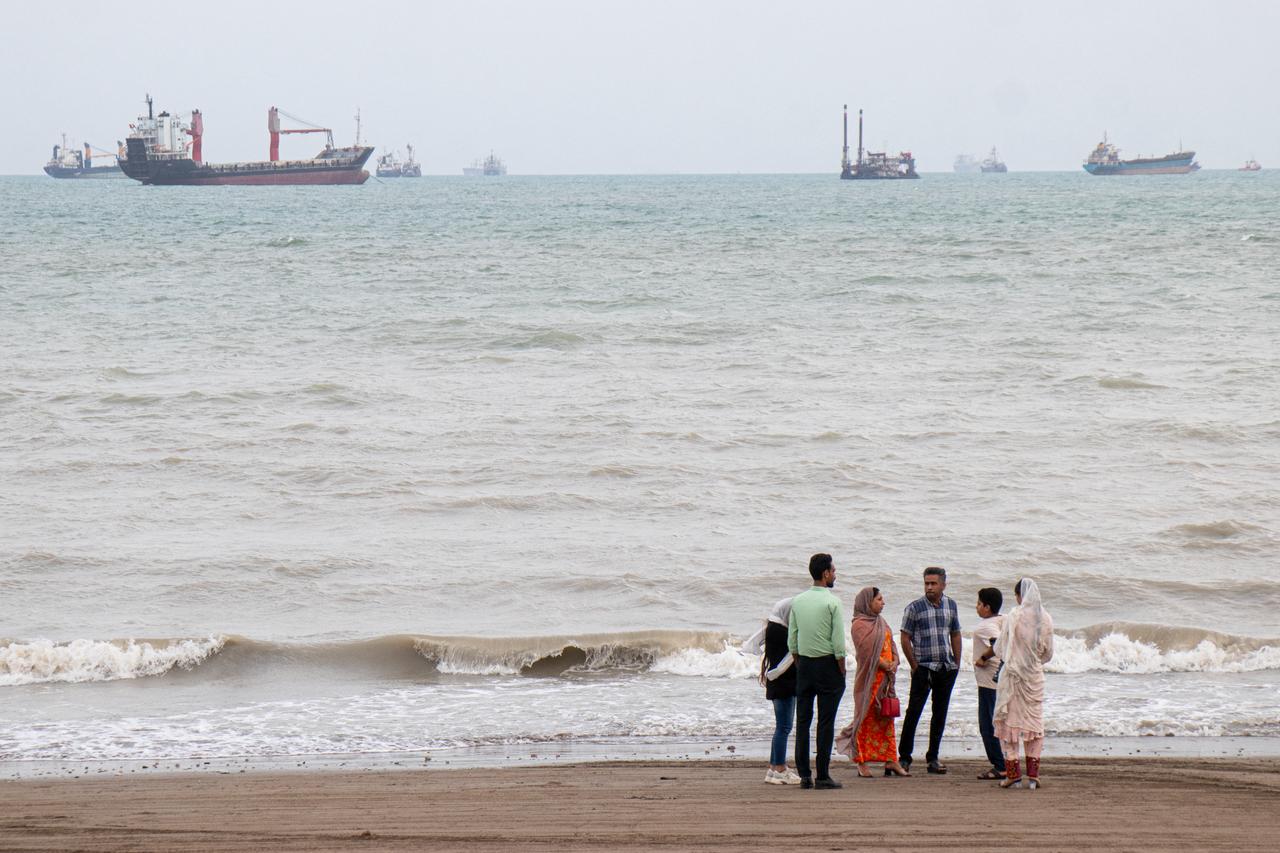


Iran's second deputy parliament speaker, Ali Nikzad, declared Sunday that the Strait of Hormuz would "by no means" revert to its pre-war state under any conditions, saying the instruction came directly from the Leader of the Islamic Revolution.
Meanwhile, an Islamic Revolutionary Guard Corps (IRGC) commander warned the U.S. that "this is not Venezuela where you can plunder resources."
Iran's Armed Forces announced readiness to respond to any new attack with "strategic deterrence," saying prisoner of war camps had been prepared for U.S. soldiers.

Speaking on Iranian television, Nikzad said, "We will by no means return the Strait of Hormuz to its previous state, because this is an order from the Leader of the Islamic Revolution."
"The United States wants to become a partner in the Strait of Hormuz instead of Oman, but they are afraid to say it openly. We will under no conditions accept this," he added, according to Mehr News Agency.
He also attacked Trump's conflicting statements on Iran's nuclear program, saying, "Didn't Trump, after bombing Fordow and Natanz, say that everything had been destroyed and Iran no longer had a nuclear program? Yet now he says he will not accept Iran having nuclear capability. Who is Trump in the world to decide this?"
Nikzad added that if Iran and its allies exercised effective control over both the Strait of Hormuz and Bab el-Mandeb, the global economy would be affected by 25%, and said, "We understood this in the last war."
Iran also said it would not surrender its enriched uranium under any conditions.
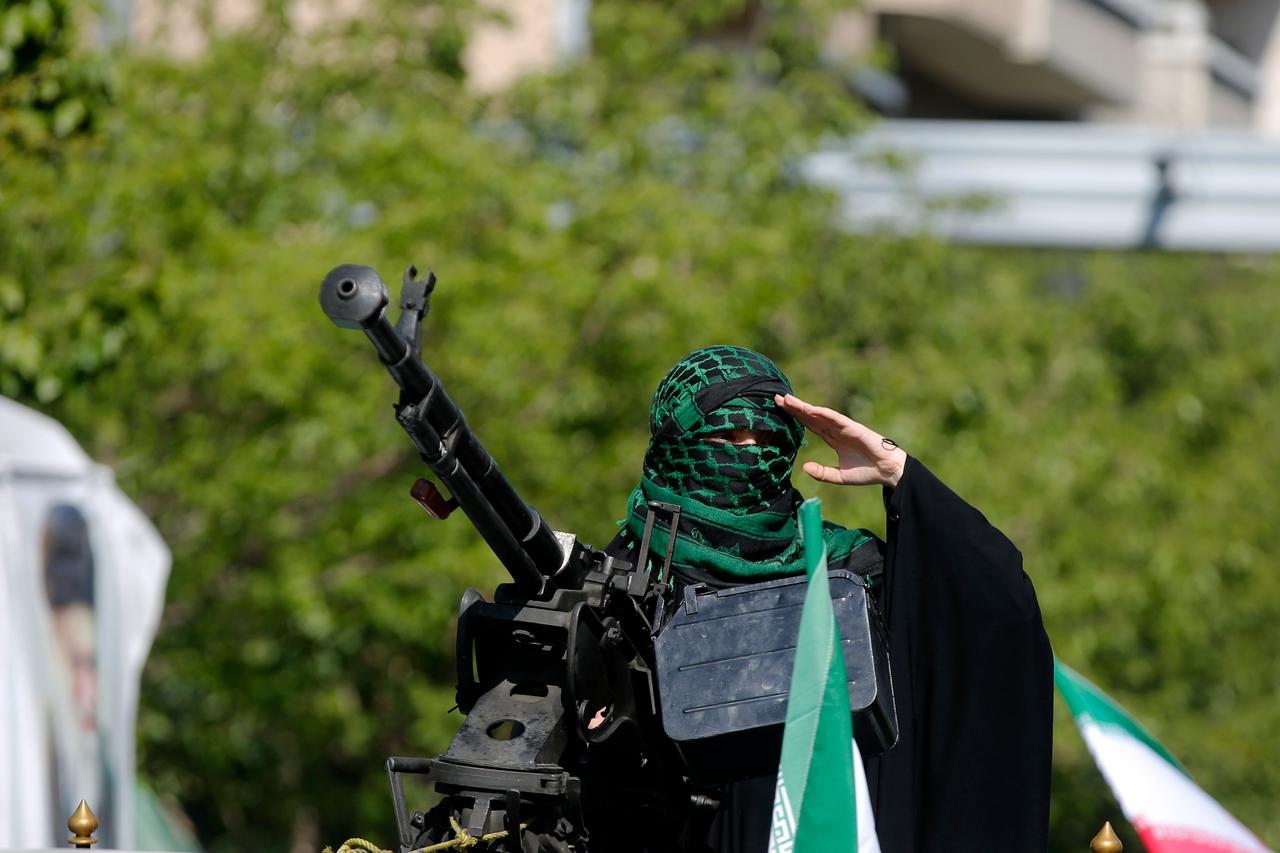
IRGC Commander Mohammad Jafar Asadi issued a pointed warning to the U.S. via Haberonline.
"We are telling the Americans: this is not Venezuela, where you can plunder resources. If you attack again, you will receive a heavier blow. The Iranian state and the Iranian people will stand against you," he said.
Asadi said the Strait of Hormuz and the Persian Gulf were matters concerning Iran and regional countries alone, and that the U.S. had no right to speak on the issue.
He said Iran had "a specific plan" for any new attack.
 1 min read
Iran's Armed Forces issued a formal statement, carried by IRNA, warning that any new attack would be met with "a strategic deterrence-level response."
The statement said the U.S. operation in Isfahan had "failed" and compared it to the 1980 Tabas disaster, when a U.S. hostage rescue attempt ended in the deaths of eight American soldiers in the Iranian desert.
The statement said Iran was "in full readiness against any type of attack" and that "prisoner of war camps have been prepared for U.S. soldiers."
It also said the U.S. should stop acting as a tool of Israeli policy and withdraw from the region with all military equipment, adding that facilitating passage for non-U.S.- and non-Israel-linked vessels through Hormuz was among Iran's stated objectives.


 Set as preferred source
 Set as preferred source


 1 min read