Newsletters


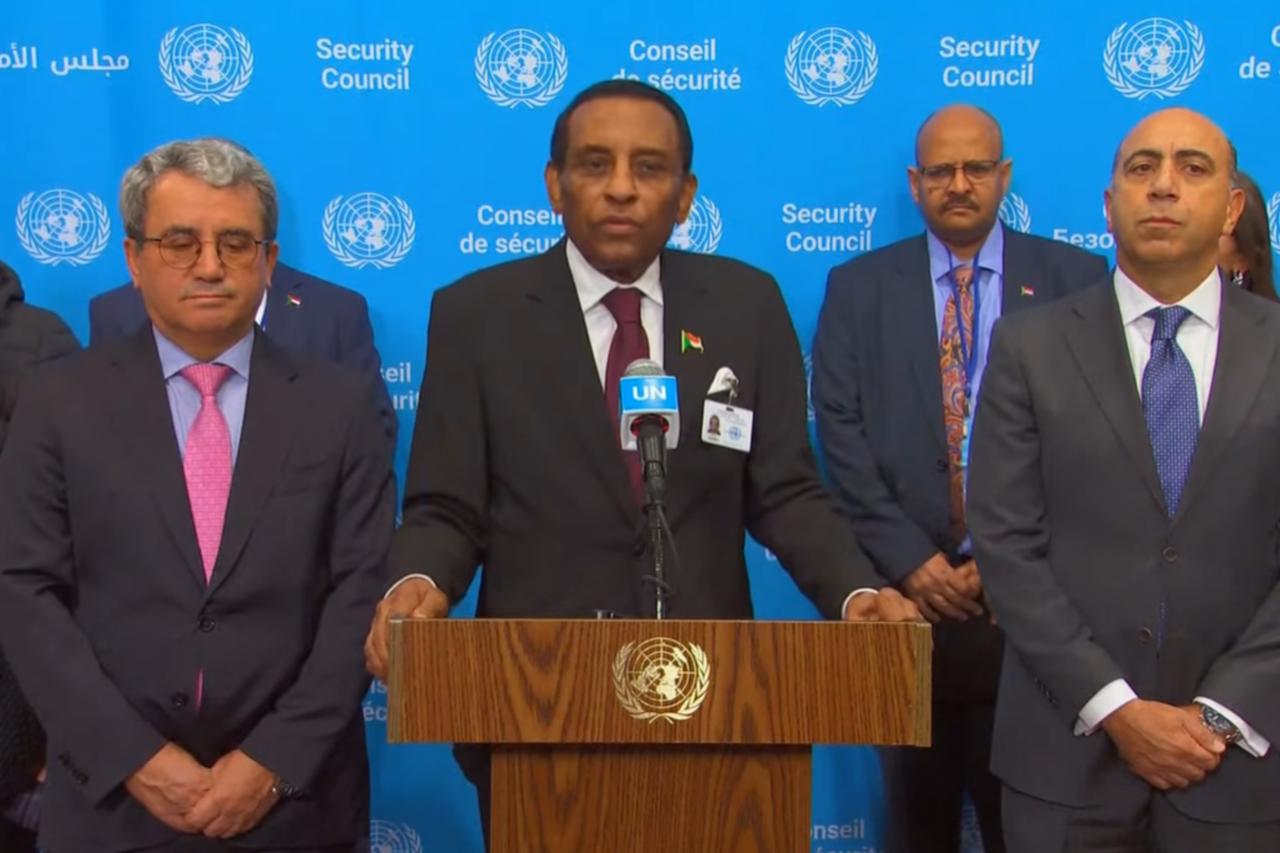


Sudan’s Prime Minister, Kamel Idris, told the U.N. Security Council on Monday that he is proposing a comprehensive ceasefire plan with international and regional oversight, while a U.S. official urged Sudan’s warring parties to accept a separate humanitarian truce as the conflict continues to drive mass displacement.
Idris said the initiative focuses on a comprehensive ceasefire under the supervision of the United Nations, the African Union and the Arab League, alongside guarantees to disarm what he described as “rebel militias.”
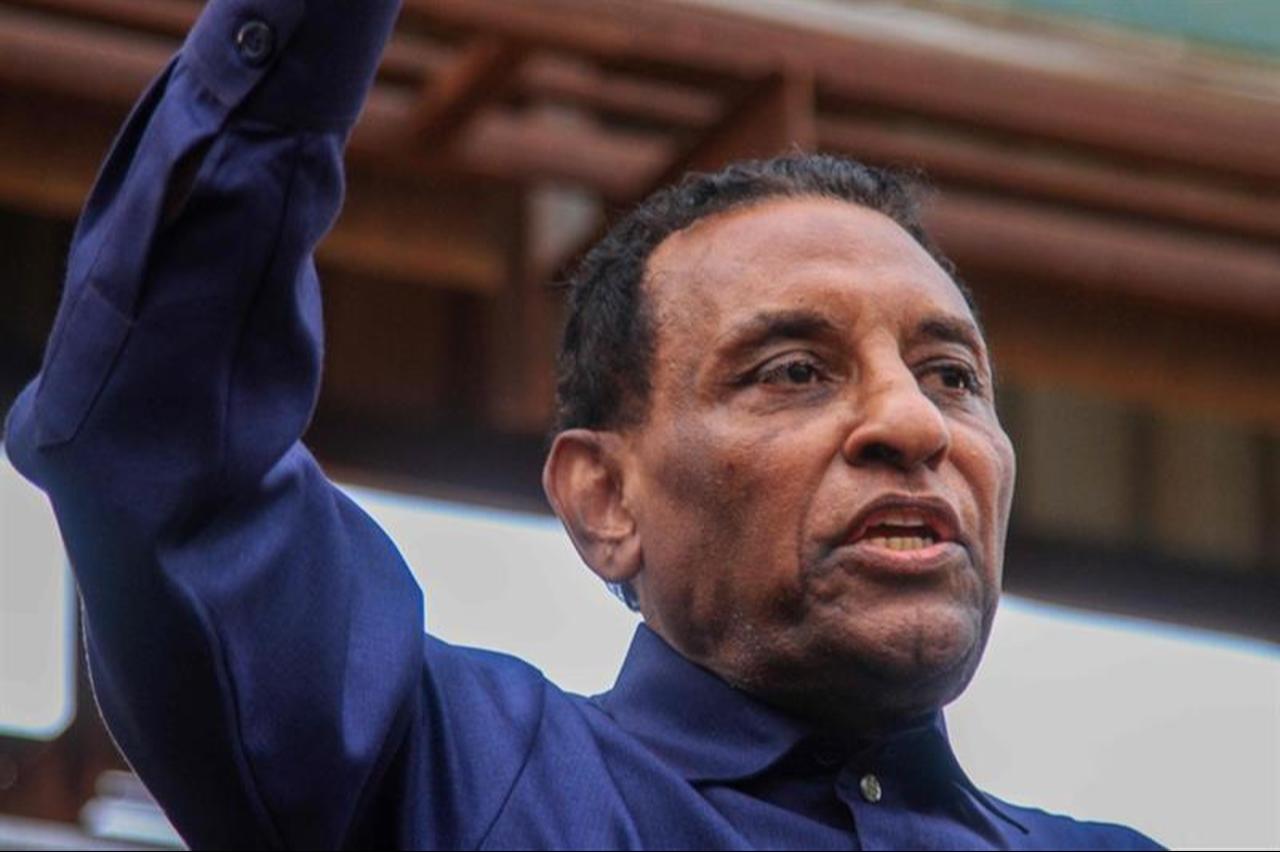

He noted that the plan includes implementing disarmament, demobilization and reintegration programs for fighters who have not been convicted to support their return to civilian life, stressing that “there is no peace without accountability.”
He also called for a Sudanese-Sudanese dialogue during the transitional period to agree on the foundations of governance, with the transition to conclude with general elections under international monitoring.
He said the initiative is “a considered option to replace chaos with order, violence with the rule of law, and despair with hope,” adding that the country has been subjected to what he described as “aggression by the Rapid Support Forces militia and its backers.”
For his part, Jeff Bartos, the U.S. deputy representative to the Security Council, said the United States, under President Donald Trump’s leadership, has put forward, through Secretary of State Marco Rubio, a plan to halt the fighting via a humanitarian truce, urging Sudan’s parties to accept it without preconditions.
Bartos said responsibility for ending the conflict lies with the Sudanese army and the Rapid Support Forces, warning that arming either side would prolong the war.
The U.S. official also stressed the need for all parties to comply with humanitarian rules, including protecting civilians and ensuring full and safe access for aid deliveries.
These moves come as U.S. attention to the Sudan crisis intensifies, with Washington seeking to secure a truce before the end of the year, amid fears it could prove as fragile as 12 previous ceasefires that collapsed in the first weeks of the war.
The humanitarian suffering in Sudan has worsened as the war between the army and the Rapid Support Forces continues since April 2023, leaving tens of thousands dead and displacing about 13 million people.


 Set as preferred source
 Set as preferred source


 3 min read