Newsletters


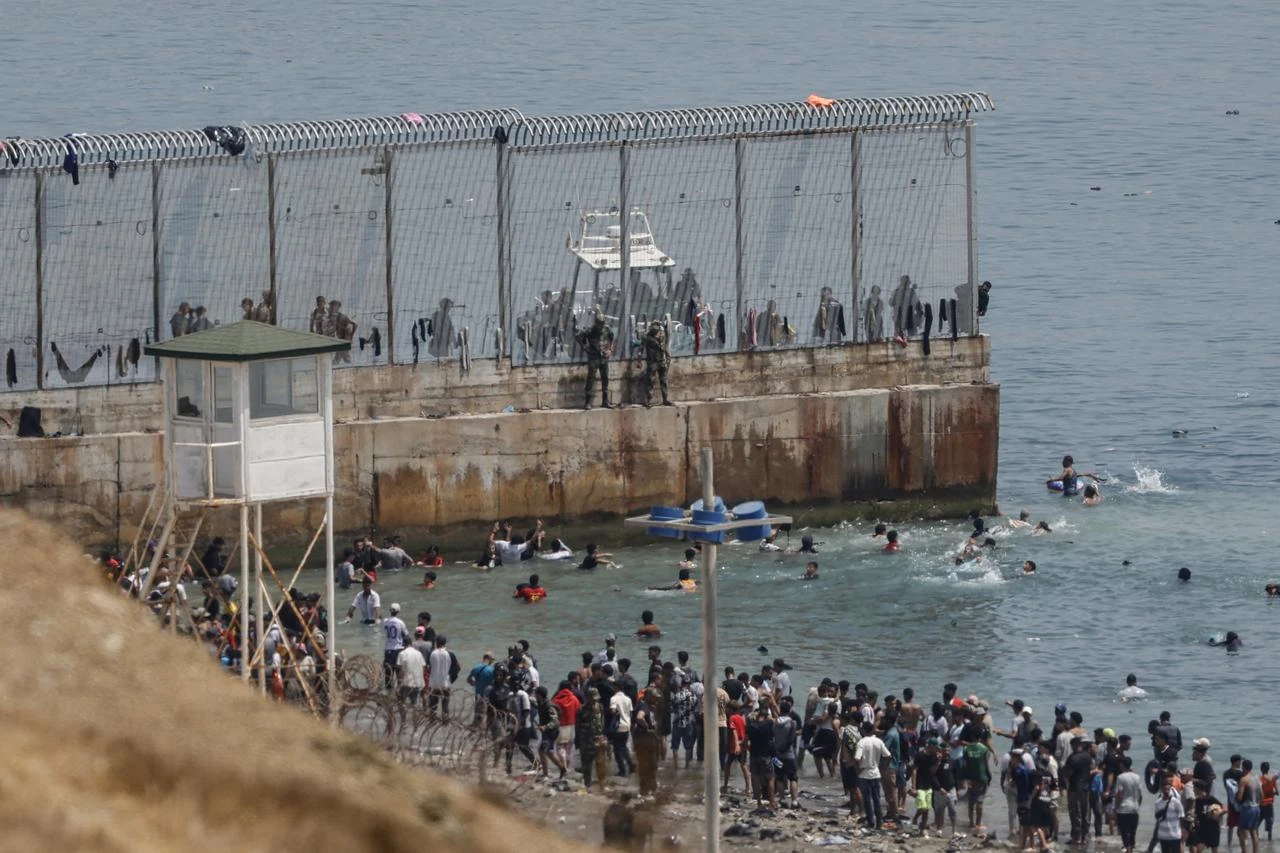


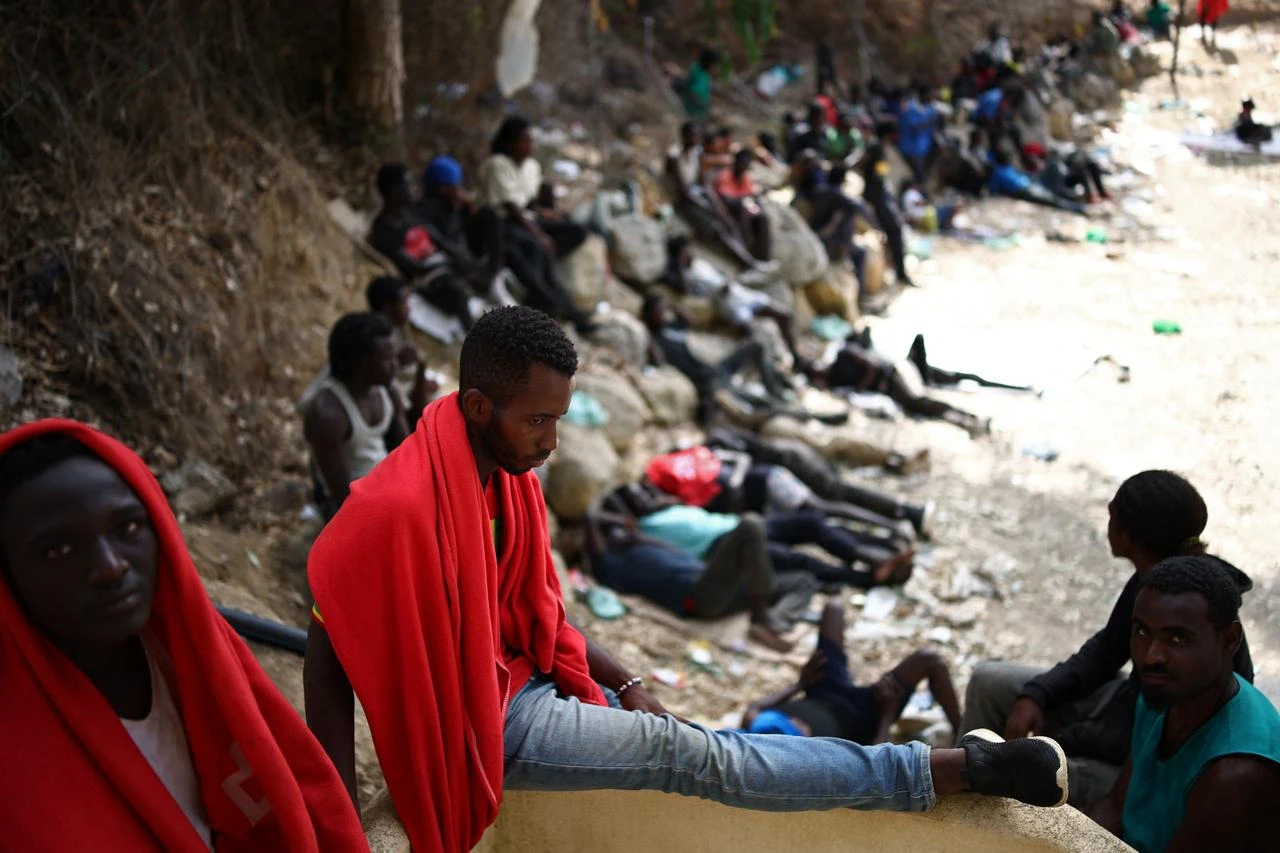
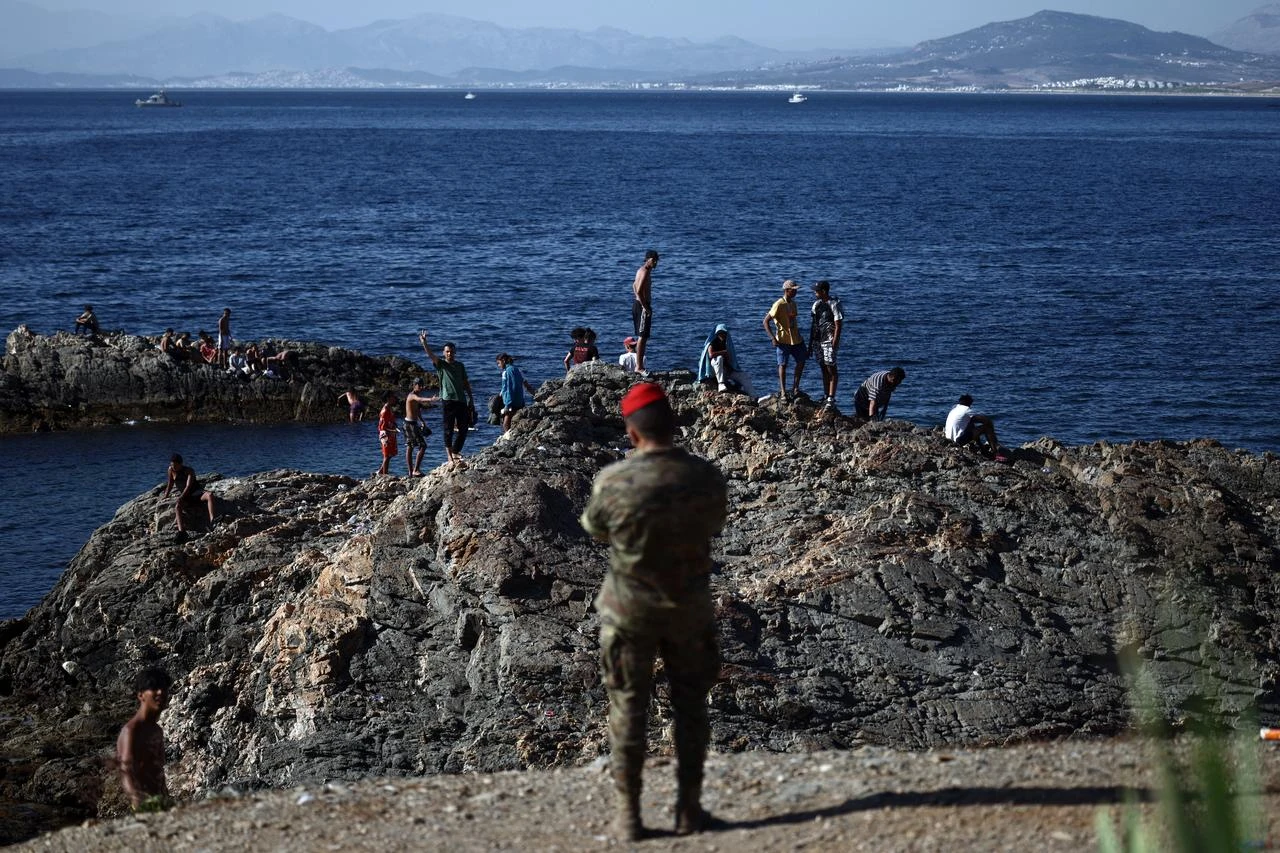
The European Union said Tuesday that online disinformation and criminal smuggling networks were key factors behind the mass migrant crossings into Spain’s North African enclave of Ceuta, while confirming that those who entered had been returned to Morocco.
Speaking after an emergency videoconference of EU interior ministers, European Commissioner for Internal Affairs and Migration Magnus Brunner said Spain had brought the situation under control and that the Schengen free-travel area had not been affected.
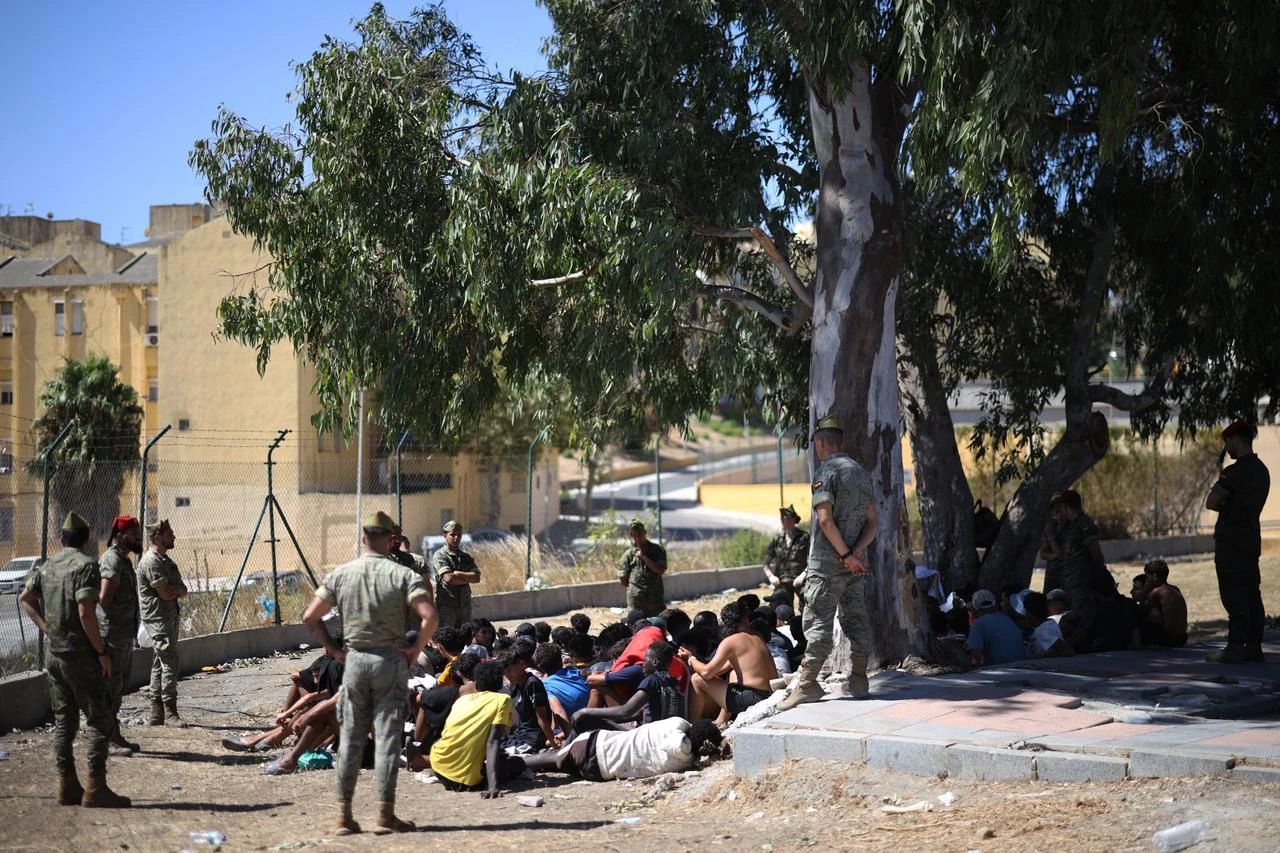
“The Spanish government has confirmed that people have returned to Morocco,” Brunner told reporters in Brussels, referring to the 50,000 to 60,000 irregular migrants who crossed into Ceuta last week.
“Now there can be no onward movements anymore,” he added.
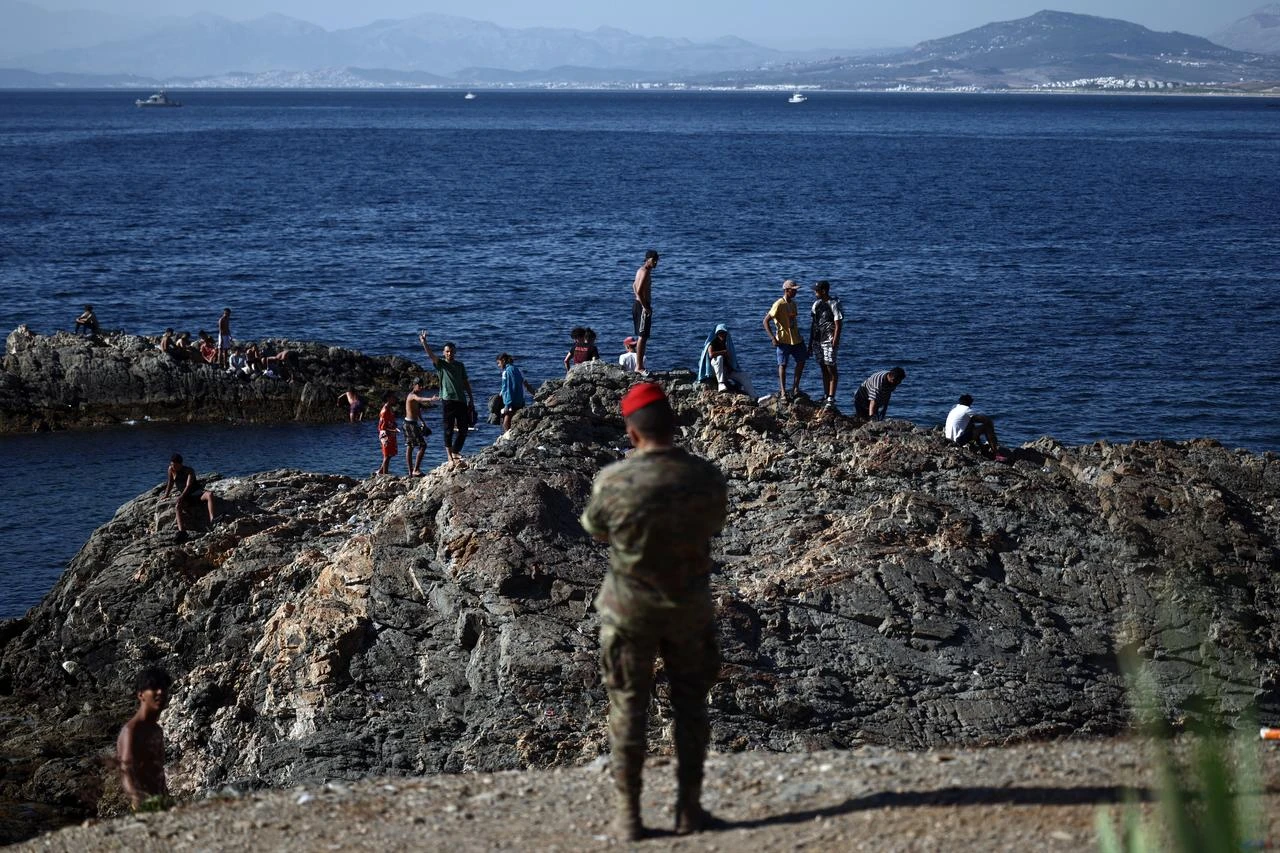

Brunner said interior ministers expressed full solidarity with Spain and welcomed the authorities’ swift response at the EU’s external border.
He said the events demonstrated the need to fully implement the bloc’s new migration and asylum rules, including border screening, accelerated asylum procedures, and faster returns.
The commissioner also outlined a five-point plan proposed by European Commission President Ursula von der Leyen.
The plan focuses on stronger cooperation with partner countries, quicker returns, reinforced external border protection, improved early-warning systems against disinformation and intensified action against migrant-smuggling networks.
Asked about Italy’s decision to suspend the Schengen agreement with Spain, Brunner said any such measure must be proportionate and temporary.
“It has to be proportionate. It has to be temporary, of course, and that’s the way we go forward. We look into that,” he said.
Spain told EU ministers that the Ceuta situation had not affected the Schengen area.
Brunner said the EU was continuing negotiations with Morocco on a comprehensive partnership agreement, with migration remaining a central part of the discussions.
He rejected suggestions that the negotiations were connected to the recent events in Ceuta.
Authorities had instead identified organized smuggling networks and online disinformation as major drivers of the crossings, he said.
“What we saw was an instrumentalization by human traffickers and smugglers. That’s for sure,” Brunner said.


 Set as preferred source
 Set as preferred source


 2 min read
 1 min read