Newsletters


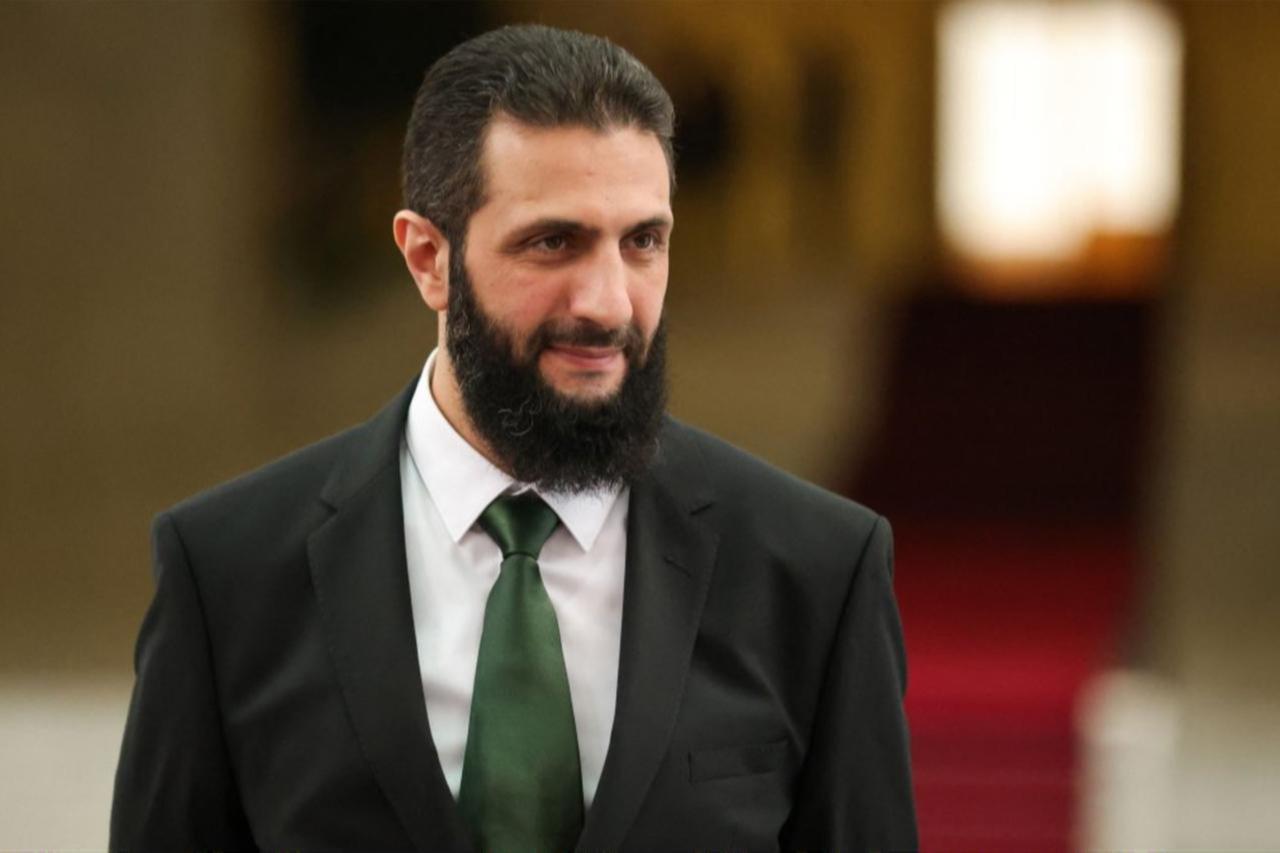


Syria's president issued a landmark decree on Friday guaranteeing cultural, linguistic and citizenship rights to the country's Kurdish population, marking a significant shift in official policy toward the minority group that makes up roughly 10 percent of Syria's population.
Decree No. 13, announced in a presidential statement, declares Syrian Kurds "an integral and original part of the Syrian people" and commits the government to protecting Kurdish cultural identity as "an inseparable component of Syria's unified yet diverse national identity."
The decree addresses decades of discrimination and statelessness that have affected hundreds of thousands of Kurds in Syria.
Syrian Foreign Minister Asaad Hassan al-Shaibani addressed the country's Kurdish population in a trilingual message posted on social media. Writing in Arabic, Kurdish, and Syriac, al-Shaibani stated that as long as the Syrian Arab Republic exists, Kurds are an inseparable part of it, enjoying all rights and preventing anyone from harming them.
He emphasized that Syria's future and strength lie in unity and preventing discord, adding that the country faces challenges that require cohesion among all its people and their aspirations.
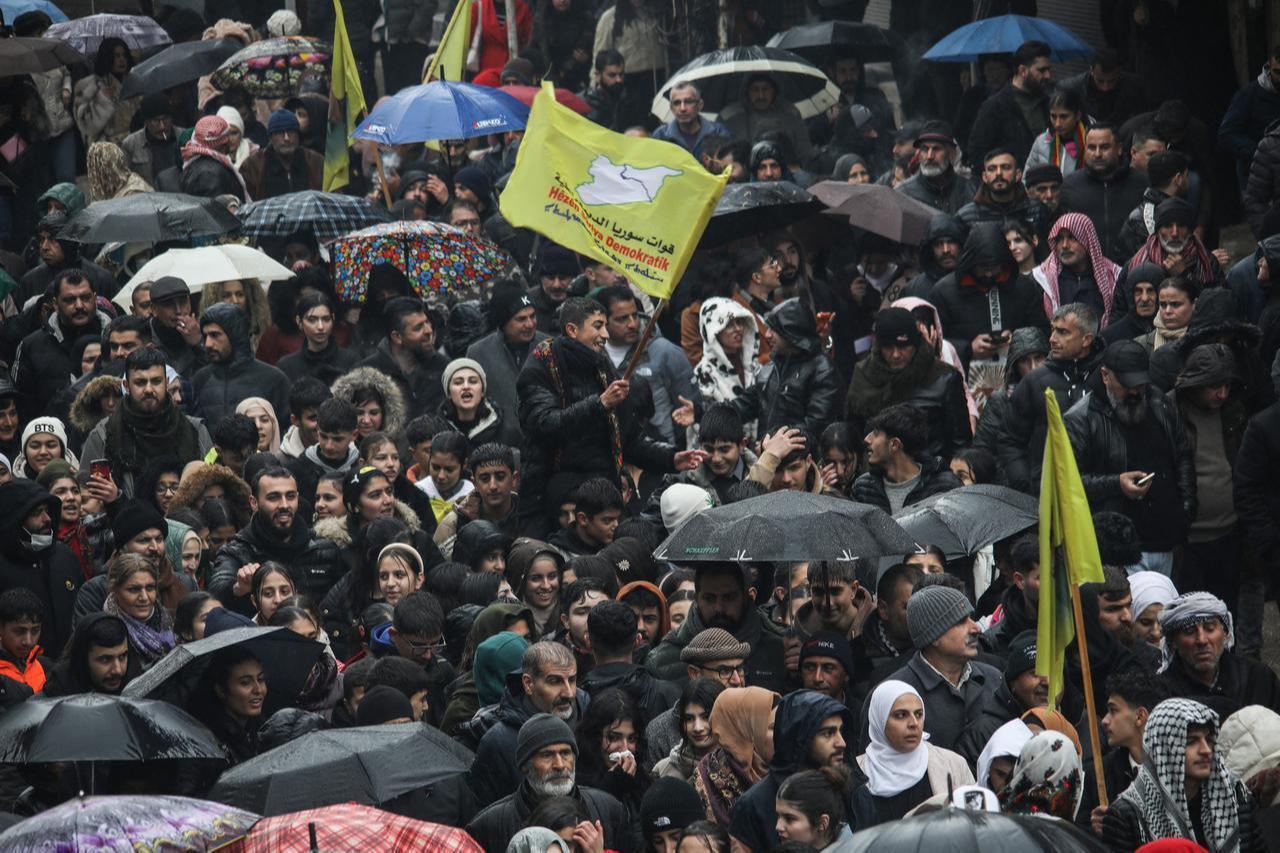

The most consequential provision nullifies all exceptional measures stemming from a controversial 1962 census in Hasakah province, which stripped citizenship from an estimated 120,000 Kurds at the time. The decree grants Syrian nationality to all residents of Kurdish origin, including those previously classified as maktoumeen, or unregistered persons, who have lived for generations without legal status or access to government services.
Under the new law, these individuals will receive full equality in rights and duties as Syrian citizens.
The decree recognizes Kurdish as a national language and permits its instruction in public and private schools in areas with significant Kurdish populations. Schools may offer Kurdish language education as optional curriculum content or through cultural-educational activities, though the framework operates within national sovereignty.
The state commits to protecting cultural and linguistic diversity and guaranteeing Kurds the right to preserve their heritage, arts and develop their mother tongue.
 1 min read
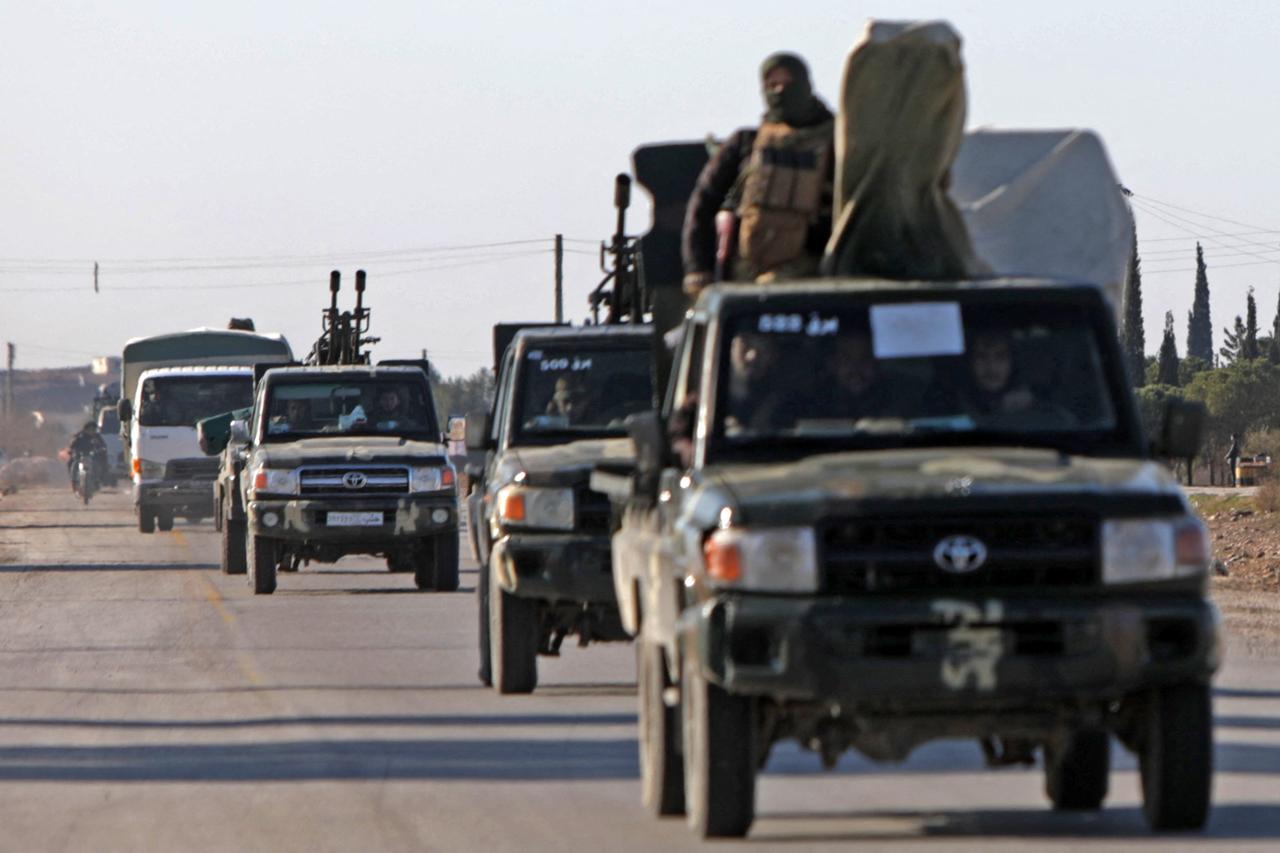
Newruz, the spring festival celebrated on March 21, becomes a paid national holiday across Syria. The decree describes the occasion as symbolizing spring and fraternity.
The law prohibits any ethnic or linguistic discrimination, exclusion or incitement, and mandates that state media and educational institutions promote inclusive national discourse. Relevant ministries must issue executive instructions to implement the provisions, which take effect upon publication in the Official Gazette.
In his Friday statement, the president addressed Kurds directly: "Do not believe the narratives of discord. Whoever harms you is our adversary." He emphasized that Syria seeks "its well-being, development, and unity" and opened the door to "safe return and full participation in building a single homeland spacious enough for all its children."


 Set as preferred source
 Set as preferred source


 1 min read