Newsletters


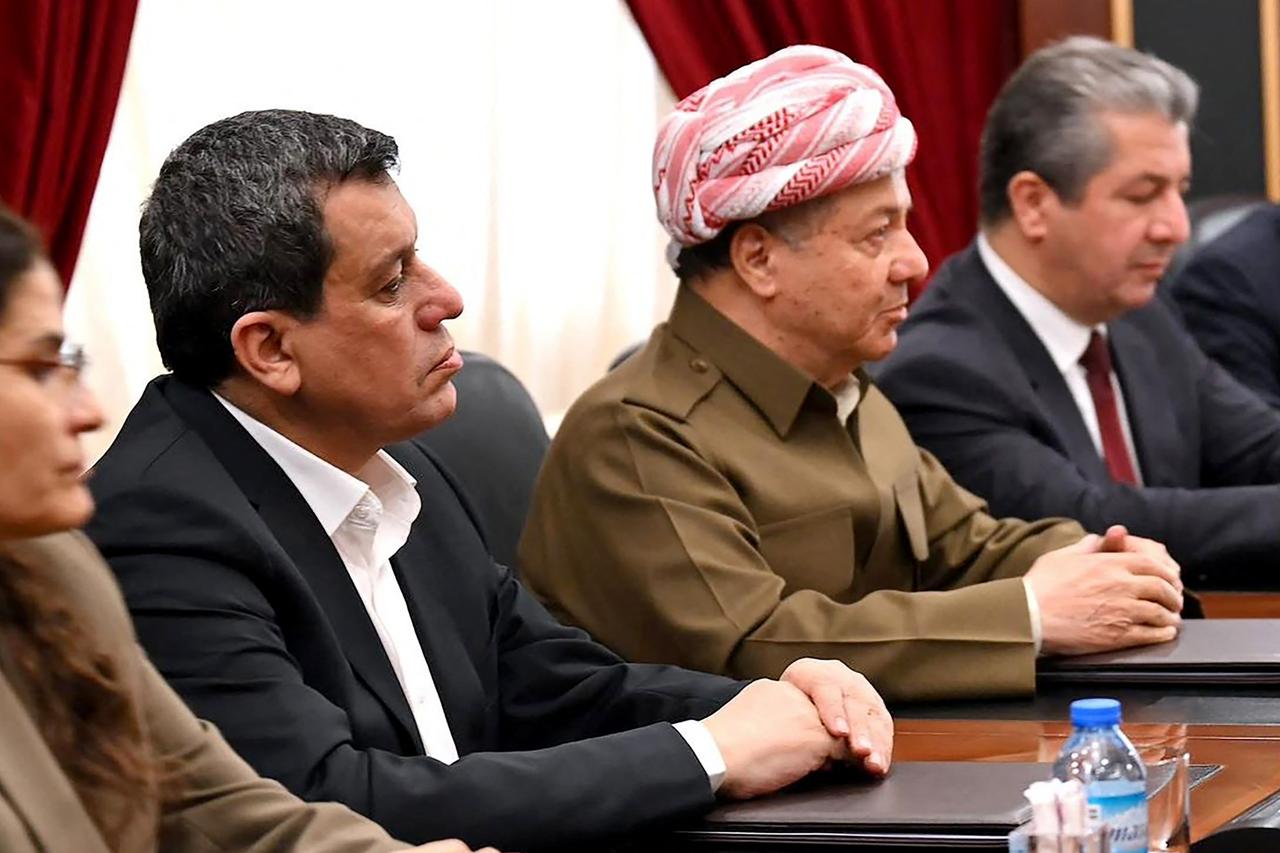


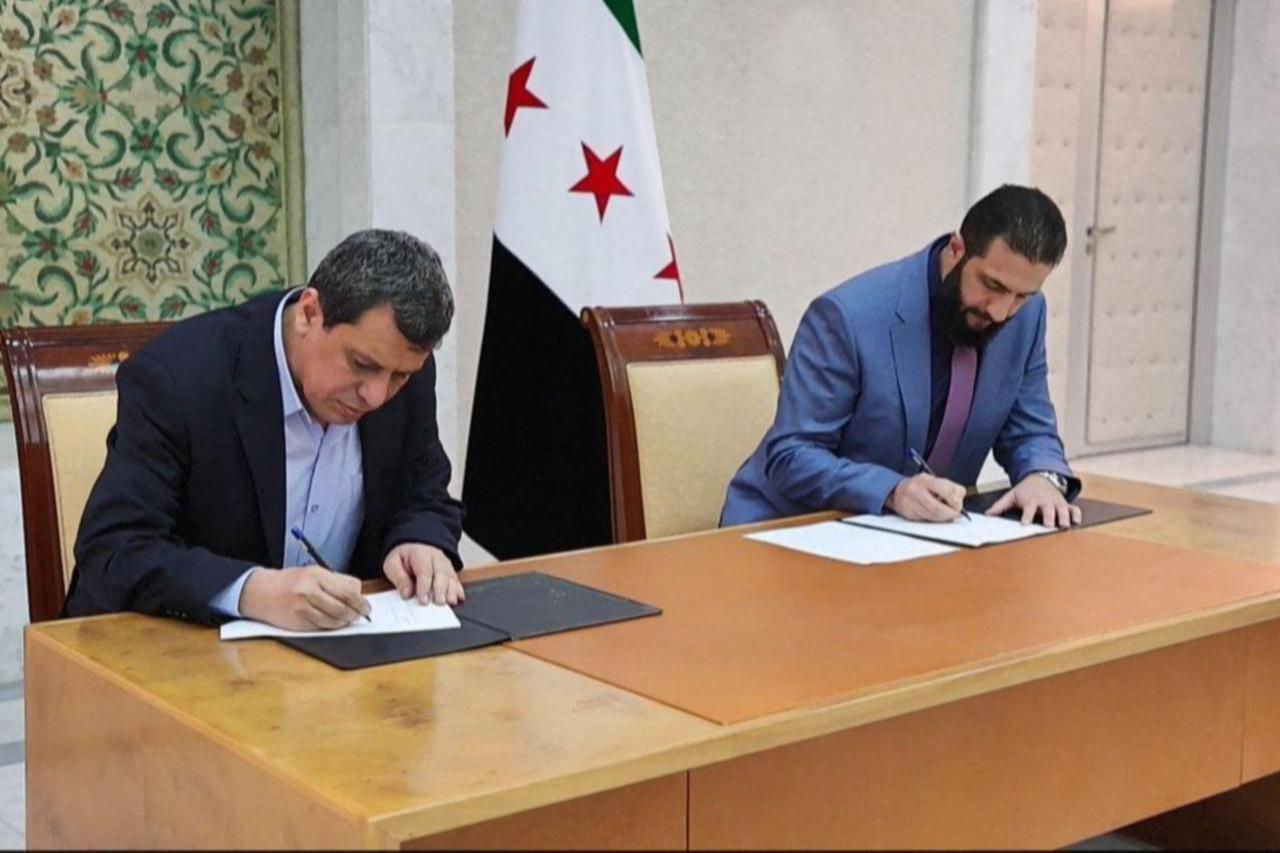
Negotiations between Syrian President Ahmad al-Sharaa and terrorist organization YPG/SDF ringleader Mazloum Abdi collapsed on Monday after the terrorist group chief insisted on maintaining control over Hasakah province, Syrian government sources told Anadolu Agency (AA) Tuesday.
"The SDF side did not show the necessary flexibility in the meeting. New meetings will be held in the coming period," a Syrian government source said.
A SDF official also confirmed the breakdown to AFP, stating, "the negotiations held yesterday in Damascus between Mazloum and al-Sharaa have collapsed entirely," while blaming the Syrian government.
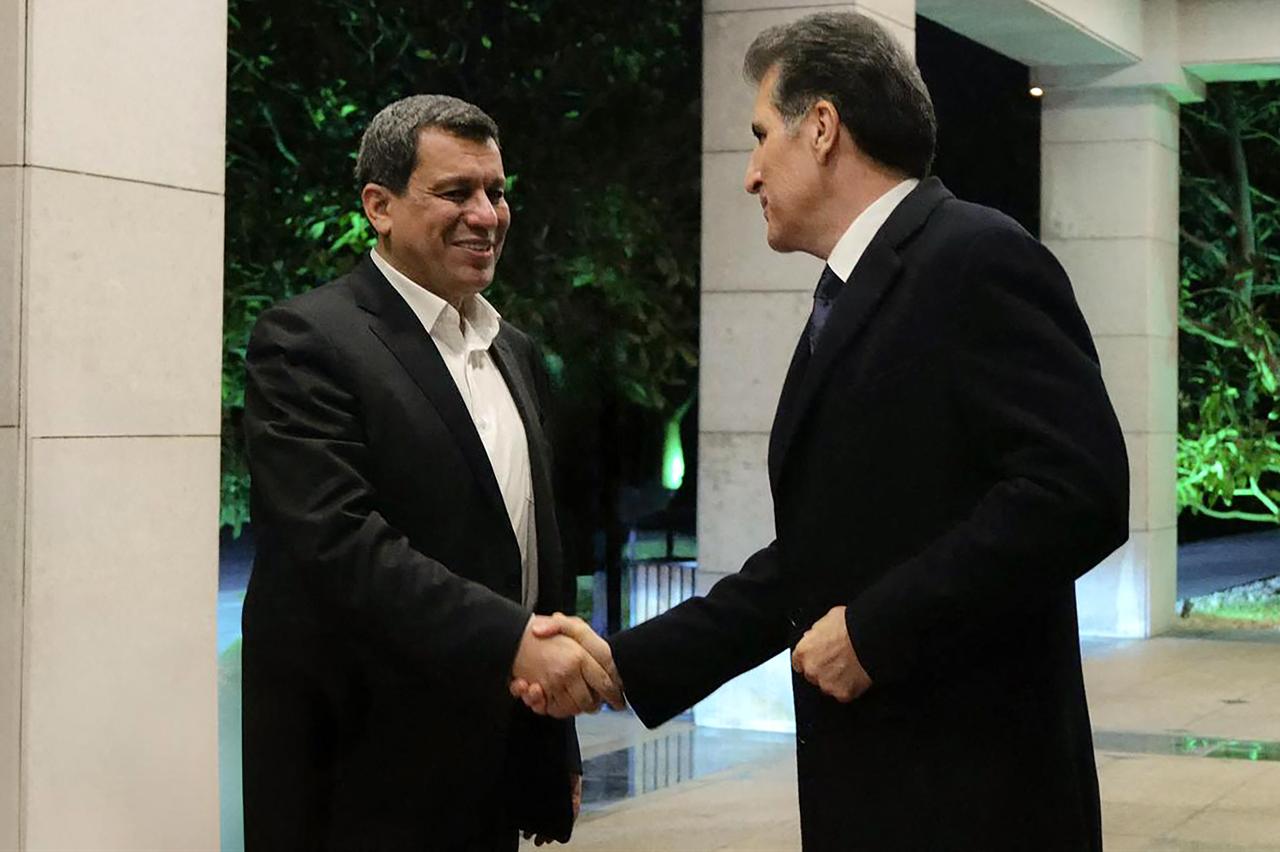

The five-hour meeting in Damascus focused primarily on the status of Hasakah province in northeastern Syria near the Iraqi border, according to Al Jazeera.
Mazloum Abdi, whose real name is Ferhat Abdi Sahin, insisted that Hasakah remain under the terrorist group's control, while Sharaa demanded that Internal Security Forces enter the city and take over state institutions.
When the terrorist group leader insisted on maintaining full control of the city, Sharaa responded that military operations would continue in that case.
Sharaa rejected Abdi's request for five additional days for consultations, demanding a final answer by Monday midnight, Al Jazeera reported.
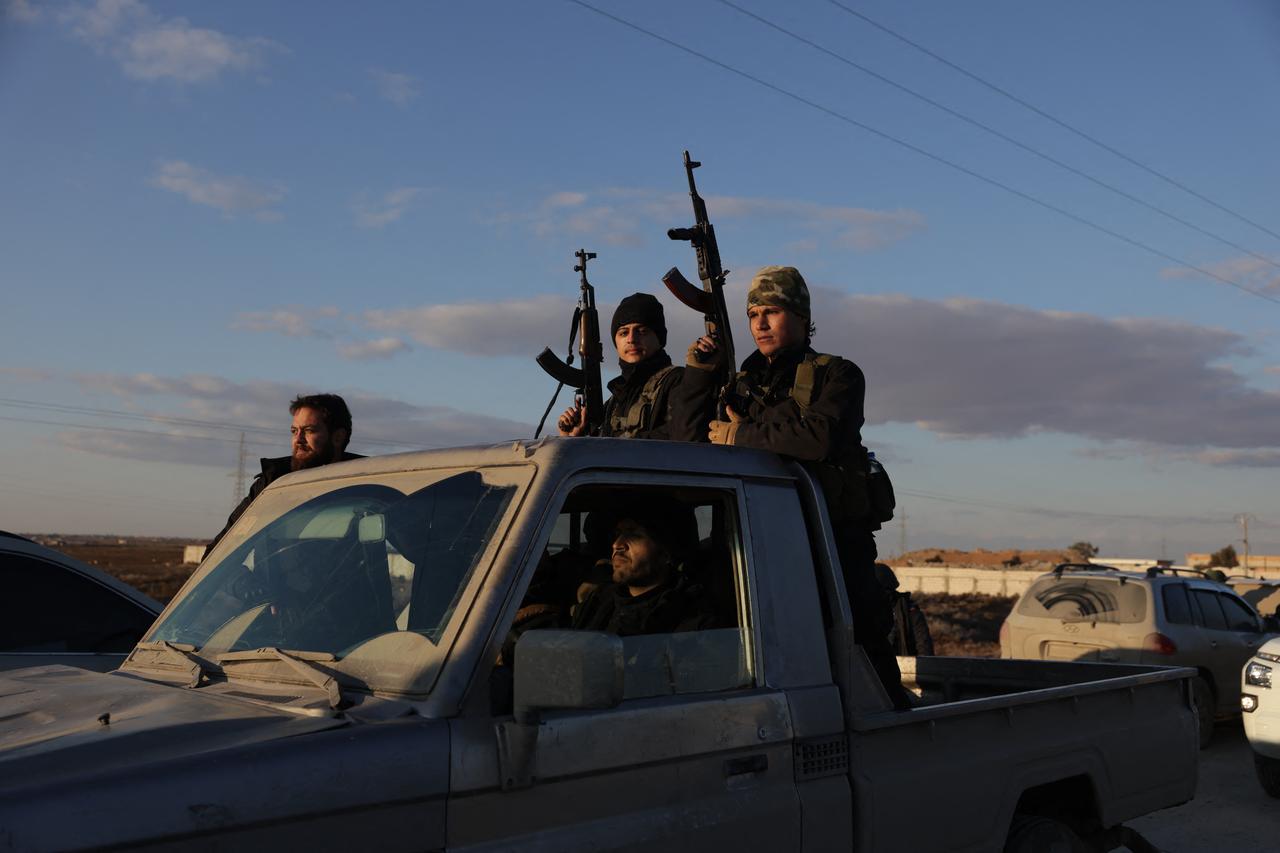
Clashes that erupted Monday around Hasakah province and in the southern areas of Ain al-Arab started once again by Tuesday, according to AA correspondents in the region.
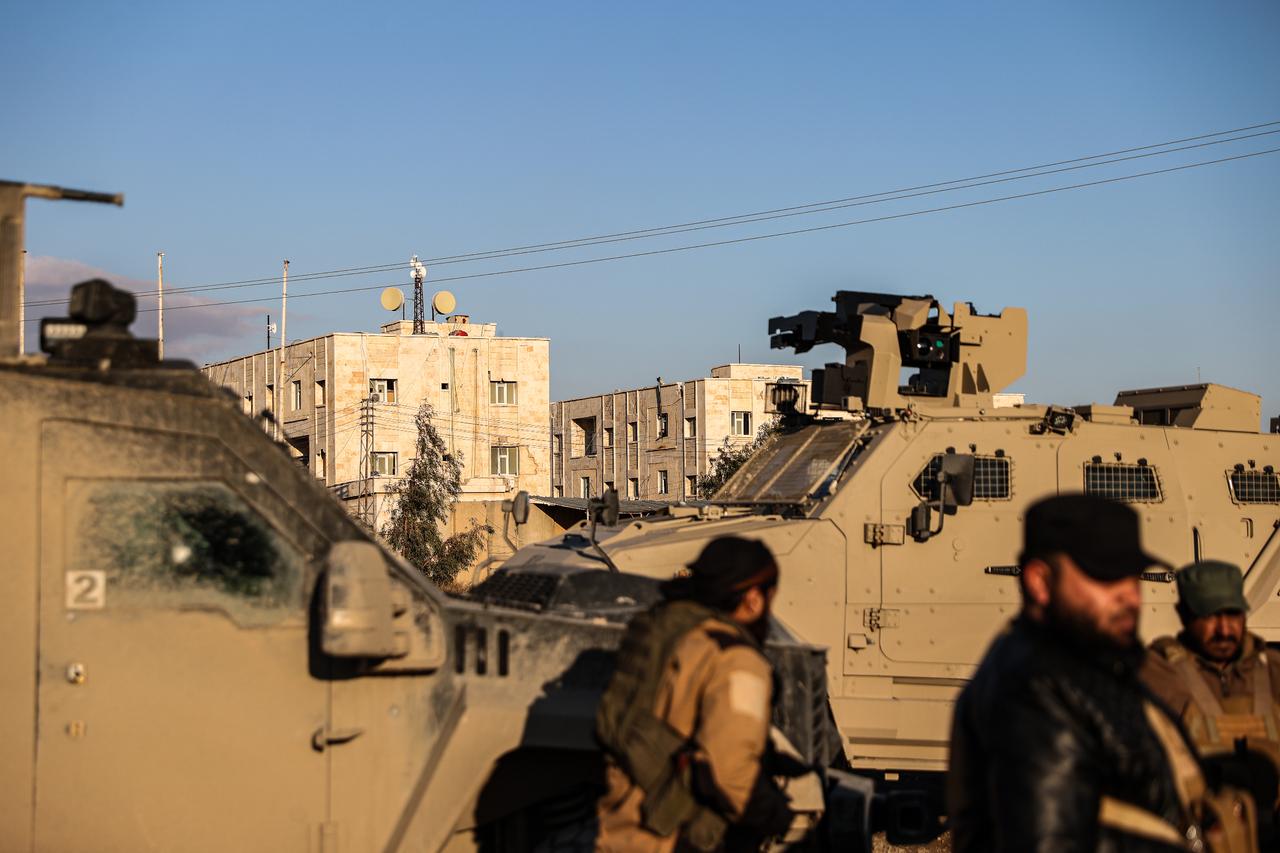
The Syrian army is positioned at four points around Hasakah province, including one at the immediate entrance to the city center. Army units are also stationed at the line just at the entrance to Sirin town in southern Ain al-Arab.
The Syrian army continues deployments to both regions.
Under the Jan. 18 agreement, all civilian institutions in Hasakah province under the terrorist group's occupation are to be integrated into Syrian state institutions and administrative structures. The agreement also includes provisions for withdrawal of heavy military presence from the Ain al-Arab region, establishment of a security force composed of city residents and creation of a local police force administratively linked to the Syrian Interior Ministry.
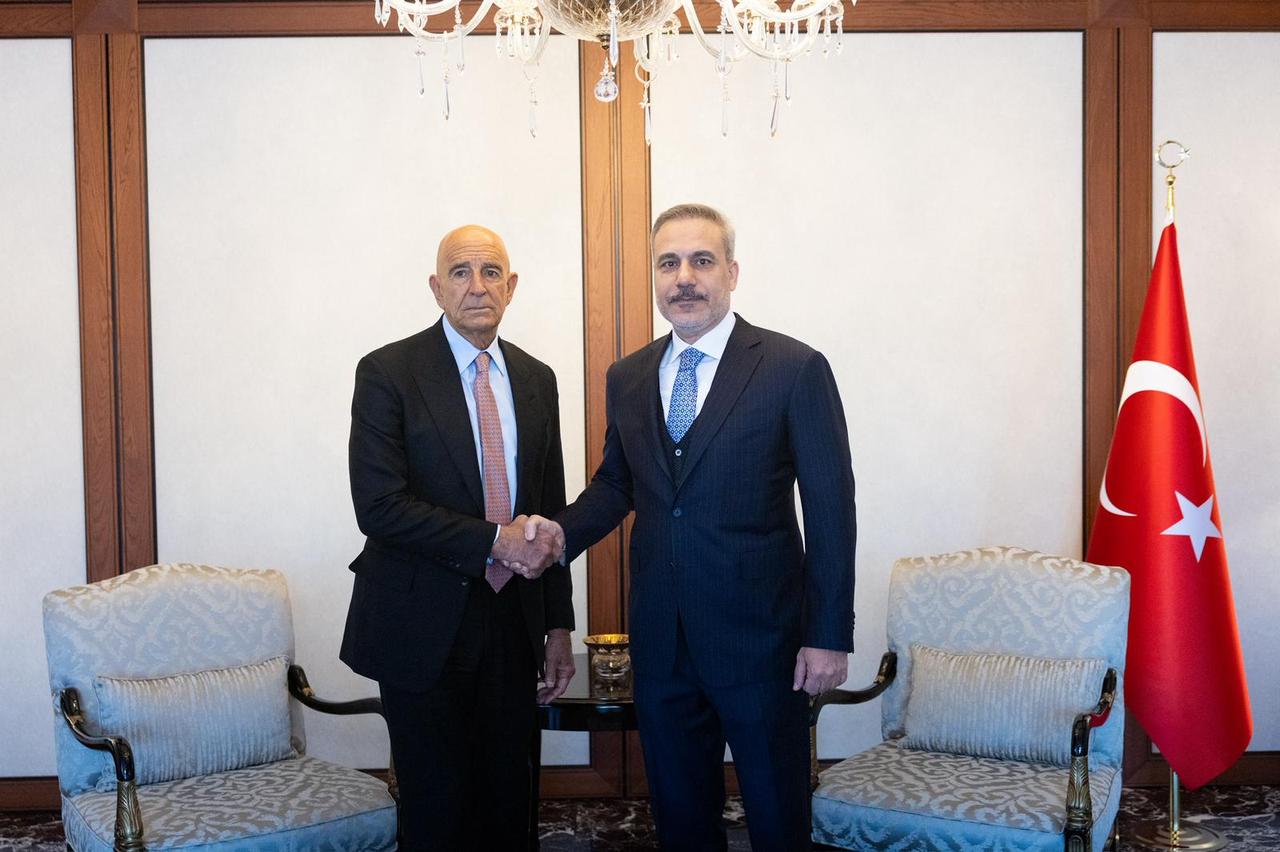
Turkish Foreign Minister Hakan Fidan received U.S. Ambassador to Türkiye and Special Envoy for Syria Tom Barrack in Ankara on Tuesday.
"Continuing discussions with Foreign Minister Hakan Fidan today," Barrack said on X.
The U.S. had welcomed the ceasefire and integration agreement on Sunday. "This agreement and ceasefire represent a pivotal inflection point," Barrack had said, adding that Syrian President al-Sharaa affirmed Kurds are an integral part of Syria.
"The challenging work of finalizing the details of a comprehensive integration agreement begins now, and the United States stands firmly behind this process at every stage," Barrack said.
Turkish Interior Minister Ali Yerlikaya warned Türkiye would not tolerate "provocations."
"We are meticulously monitoring, moment-by-moment, the recent developments in Syria and all movements along our border. We will not tolerate any initiatives, provocations or any misinformation campaign targeting the peace of our country," Yerlikaya said on X.
Türkiye's Center for Combating Disinformation rejected claims that Ankara displayed hostility toward Kurds during developments in Syria, calling such allegations "entirely unfounded."
"Claims that Türkiye has displayed a hostile attitude toward Kurds during the process unfolding in Syria, and that our President and ministers have made statements to that effect, are entirely unfounded," the center said, emphasizing that remarks by Turkish officials were directed solely at "terrorism and terrorist organizations."


 Set as preferred source
 Set as preferred source


 2 min read
 1 min read