Newsletters


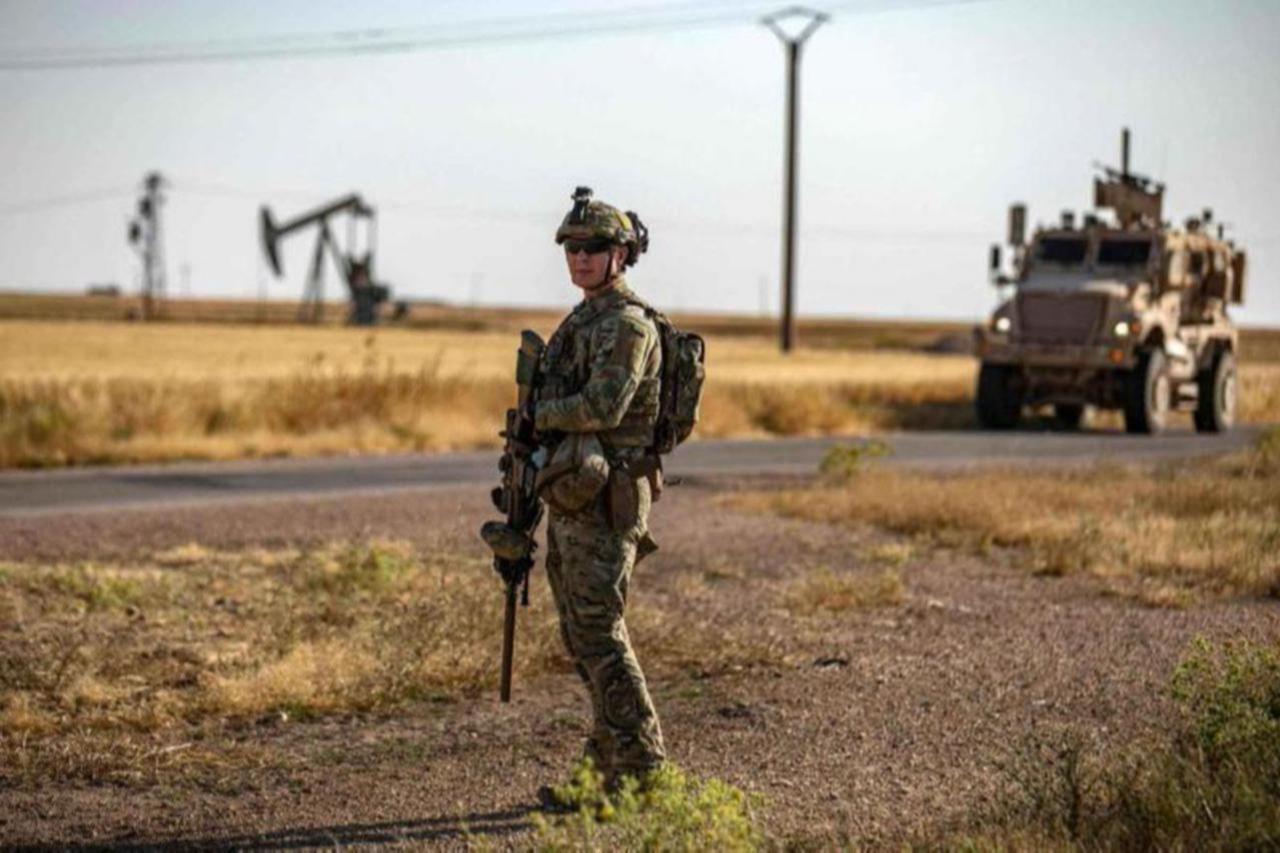


Syria said Thursday it had completed the handover of all military installations previously occupied by United States forces, formally closing a chapter that began when Washington intervened in the country more than a decade ago to fight the Daesh terror group.
The Syrian foreign ministry welcomed what it called "the completed handover of military sites where United States forces were previously present in Syria to the Syrian government," adding that the transfer was carried out "in full coordination between the Syrian and American governments."
Damascus said it viewed the move as reflecting a shared assessment that the conditions that originally required a US military presence "have fundamentally changed."
The last base to change hands was Qasrak, a major installation in the northeast that had served as a key logistics hub in recent months for convoys and equipment moving toward Iraq. An Agence France-Presse (AFP) correspondent near the city of Qamishli observed a convoy of US military vehicles heading in the direction of the Iraqi border.
According to Syria expert Charles Lister, the force that assumed control of Qasrak was the Syrian army's 60th Division, composed primarily of fighters affiliated with the SDF, the longtime US partner force. Lister added that US troops and equipment exited via Jordan to avoid potential attacks by Iranian-backed paramilitaries operating in Iraq.
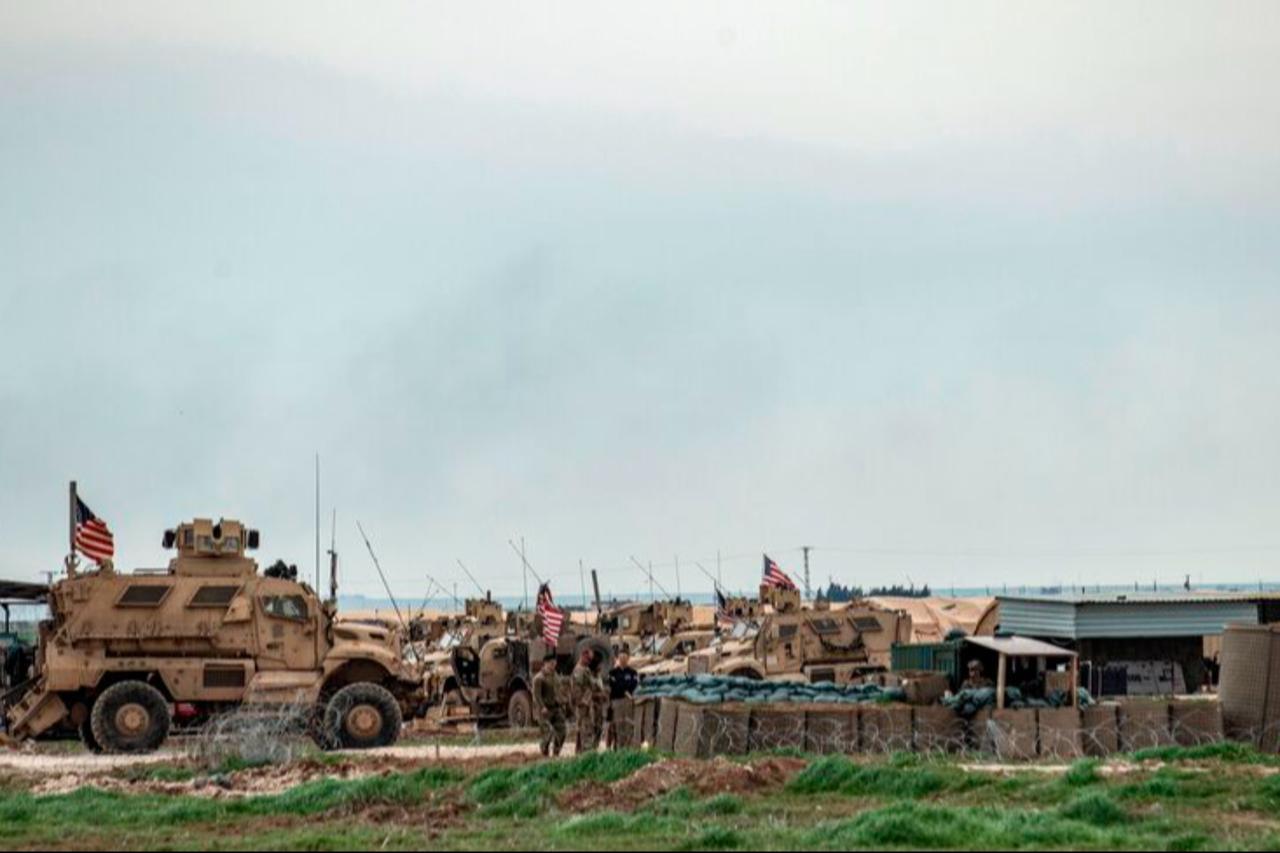

US Central Command confirmed that American forces had "completed turning over all of our major bases in Syria, as part of a deliberate and conditions-based transition," adding that US forces would continue to support partner-led counterterrorism efforts it described as "essential to ensuring the enduring defeat" of Daesh.
The withdrawal did not happen overnight. In February, days before what sources described as a broader Middle East war erupting, three sources told AFP that the US-led coalition would complete its pullout from Syria within a month. Earlier this year, American forces had already left al-Tanf in the southeast and al-Shaddadi in the northeast.
Last month, Syria announced it had taken control of the Rmeilan base, also in al-Hasakah province. Thursday's handover of Qasrak represented the final step in that phased process, ending roughly ten years of continuous US military presence on Syrian soil.
Washington intervened in Syria in 2014 to combat terror group Daesh, which had swept across large swathes of Syria and Iraq in a rapid offensive, declaring a caliphate over territory roughly the size of the United Kingdom.
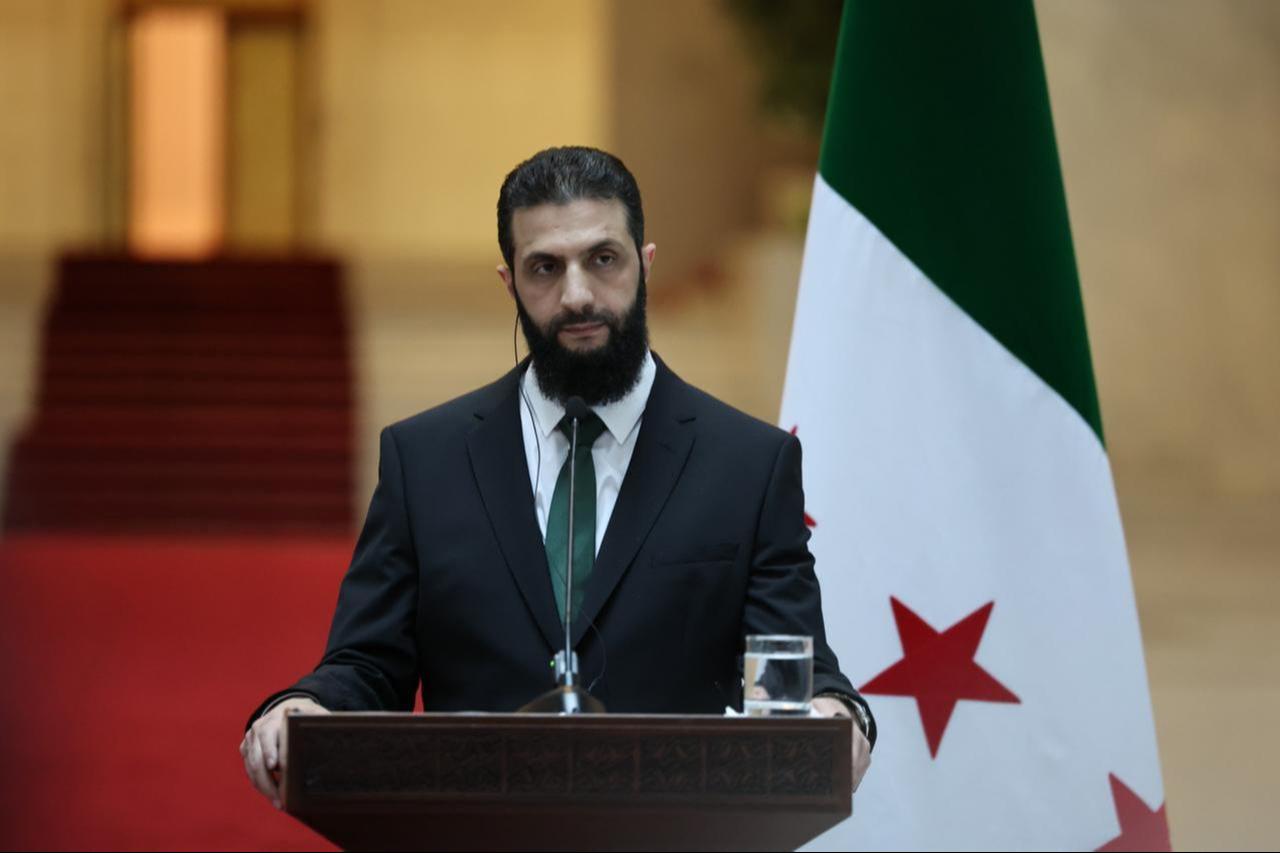
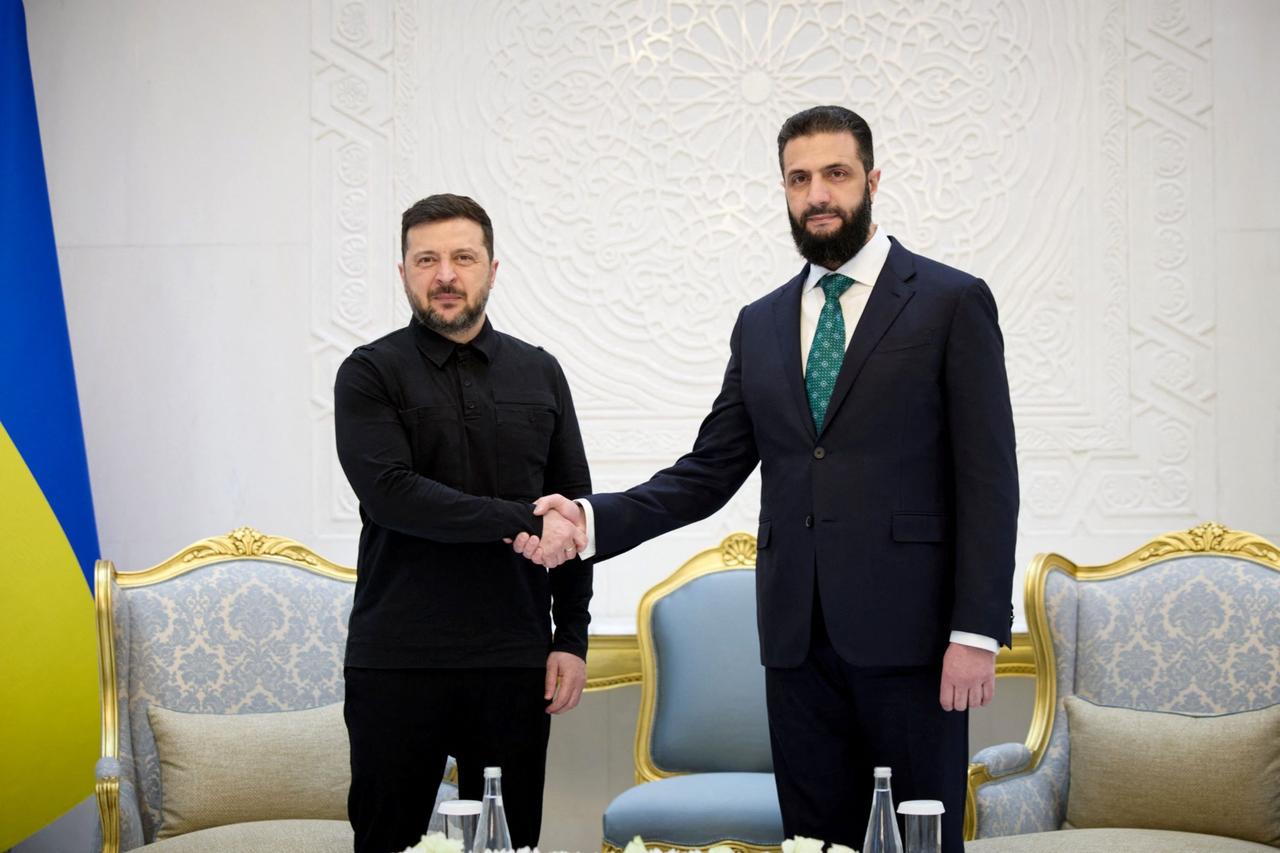
The withdrawal takes place against the backdrop of a transformed Syrian political order. President Bashar al-Assad's government collapsed in December 2024 after more than a decade of civil war, with Ahmed al-Sharaa, whose forces led the offensive, assuming the presidency.
Washington backed al-Sharaa's new government and this year facilitated an agreement between Damascus and the SDF under which agreed to integrate into national military structures, handing over control of major areas including Raqqa and Deir ez-Zor to the Syrian state.
Syria's foreign ministry framed the US handover as a direct product of those developments, saying the extension of state authority over previously ungoverned areas "is the result of the Syrian government's sustained efforts to unify the country within the framework of a single state."
The ministry also said the handover reflected the "Syrian state's assumption of full responsibility for combating terrorism and addressing regional threats on its territory."
Damascus meanwhile formally joined the international anti-Daesh coalition following a White House meeting between al-Sharaa and President Donald Trump in November 2025, a symbolic shift underscoring how dramatically Syria's geopolitical alignment has been redrawn.
 1 min read
The SDF's integration into Syrian state structures, which made the US withdrawal politically viable, was also shaped by a critical security context that Türkiye had long pressed Washington to acknowledge.
Ankara had consistently objected to the US partnership with the SDF, designating the group as an extension of the YPG terror group, itself the Syrian arm of the PKK terror organization, which has waged a four-decade insurgency against the Turkish state. Both the PKK and the YPG are recognized as terrorist organizations by Türkiye, the United States, and the European Union.
Ongoing peace talks between Ankara and the PKK over the past two years reduced the political friction that had historically complicated any Damascus-SDF accommodation.
That diplomatic opening, combined with a short-lived offensive by Syrian government forces and the intervention of US envoy Tom Barrack, ultimately produced the agreement that folded the SDF into national structures and allowed the broader security transition to proceed.
Syria said it was "fully capable of leading counterterrorism efforts from within, in cooperation with the international community," a formulation that signals Damascus intends to assume the institutional role the US-led coalition has played since 2014.


 Set as preferred source
 Set as preferred source


 1 min read