Newsletters


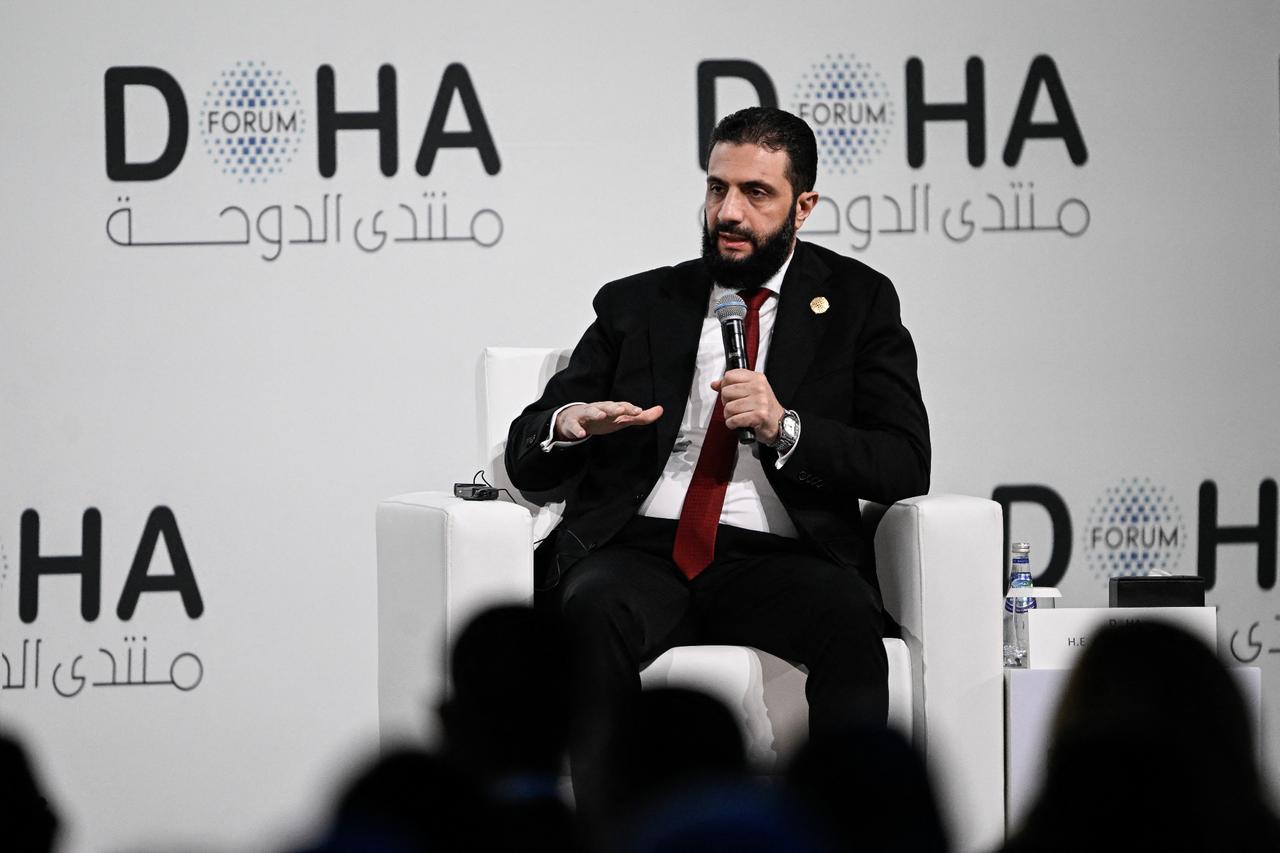


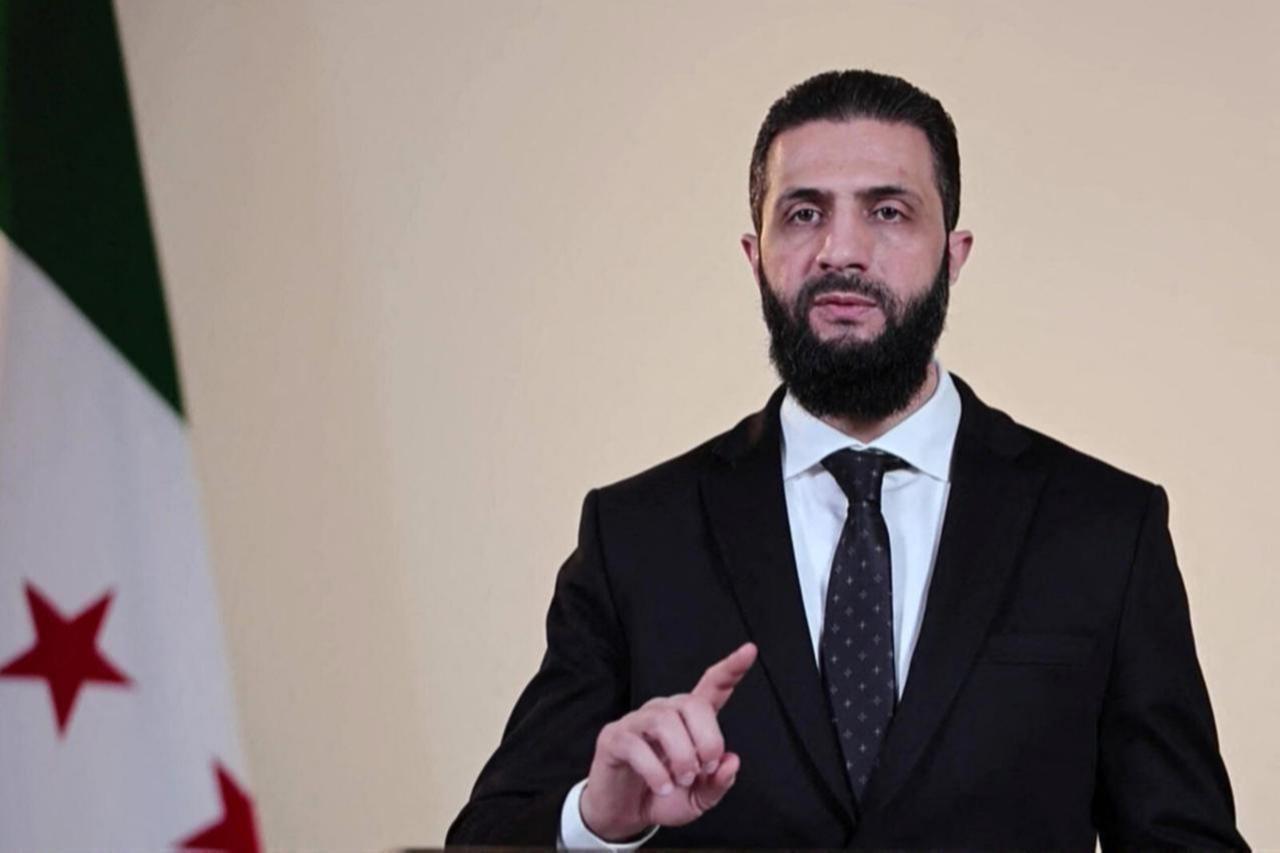
Syrian President Ahmed al-Sharaa announced Saturday that the country will hold general elections in four years, marking the first electoral timeline since the fall of the previous regime last year.
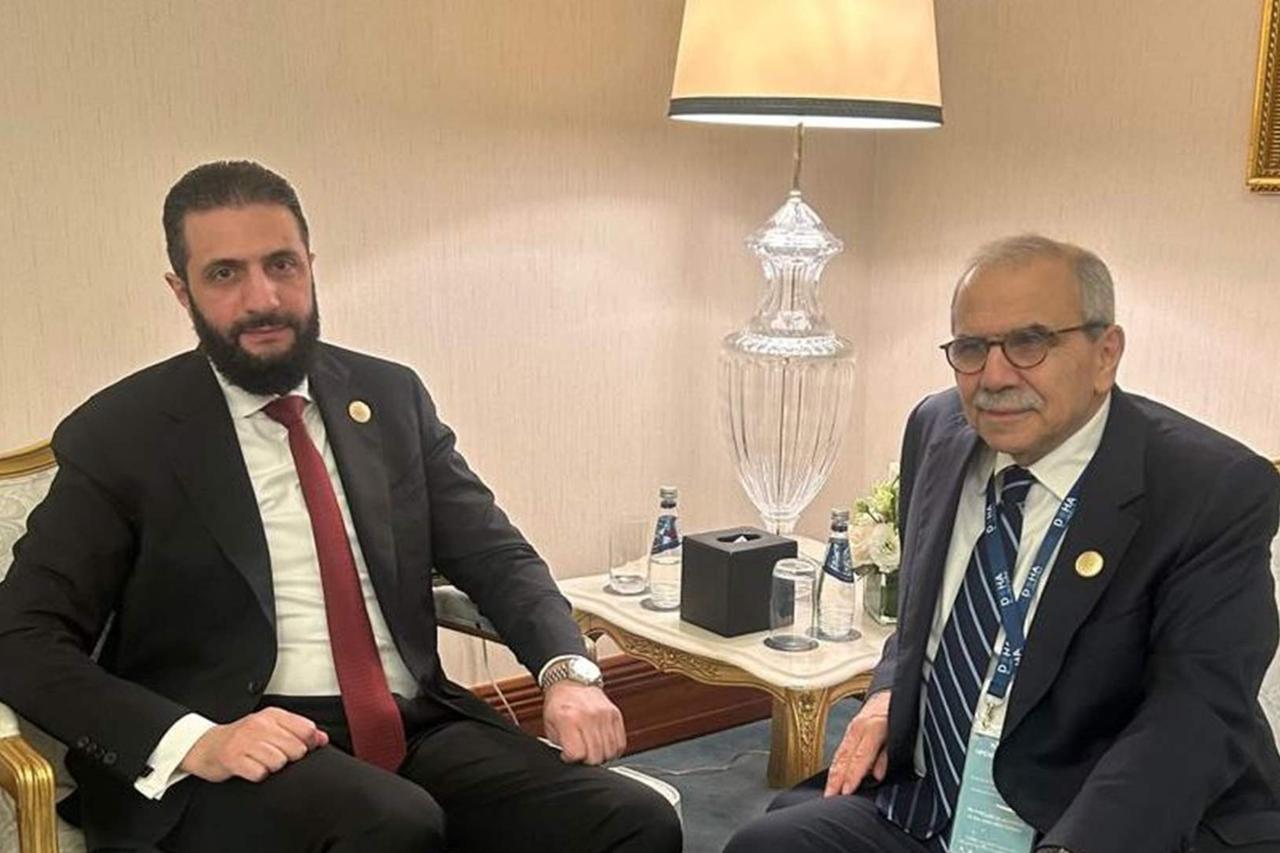
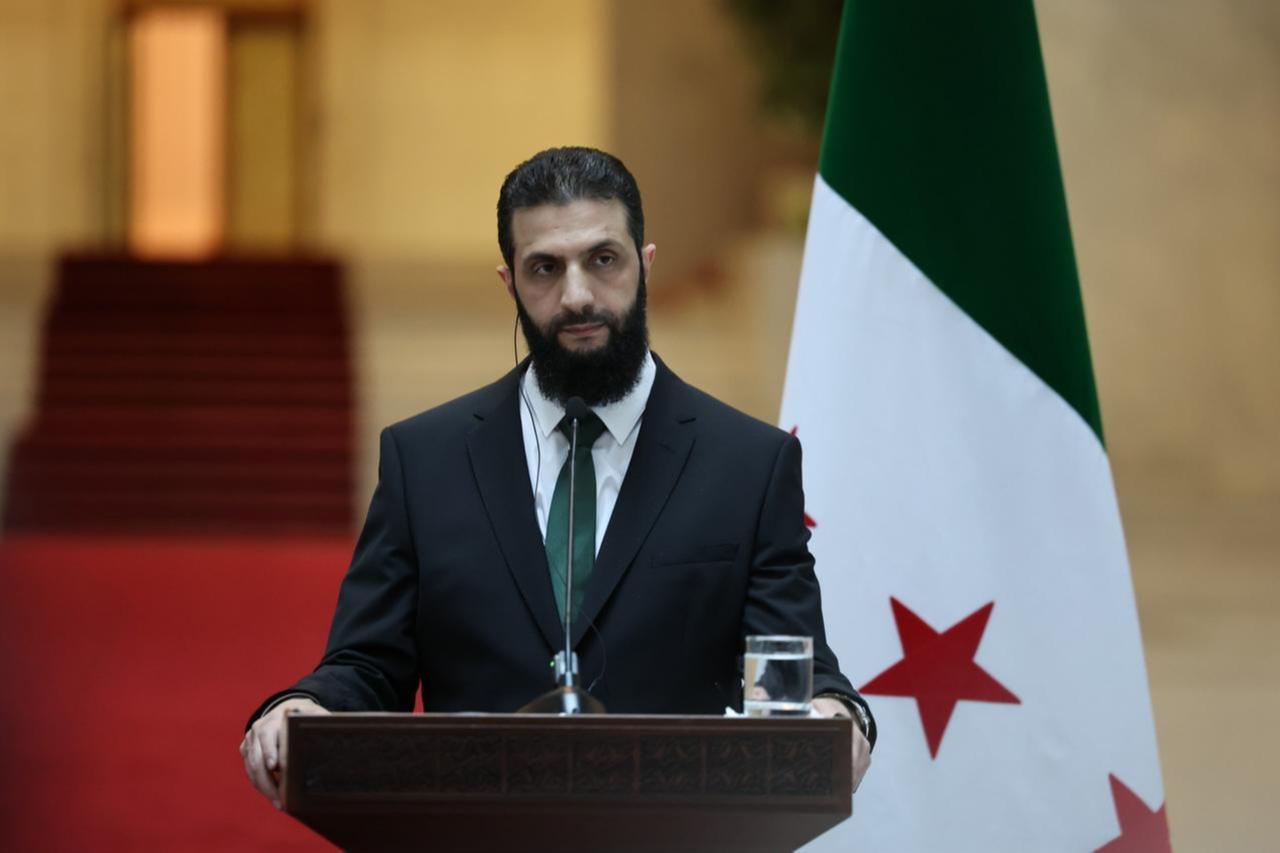
Speaking at the 23rd Doha Forum in Qatar's capital, Sharaa outlined Syria's political transition roadmap and addressed pressing security concerns, including ongoing tensions with Israel and efforts to rebuild the war-torn nation's infrastructure and economy.
"We will definitely hold general elections in four years," Sharaa told attendees at the forum, themed "Justice in Action: From Promises to Progress."
The announcement follows a five-year transition period that began after a national dialogue conference adopted temporary constitutional arrangements granting Sharaa a five-year mandate. Parliamentary elections have already been conducted in accordance with the transition process, he said.
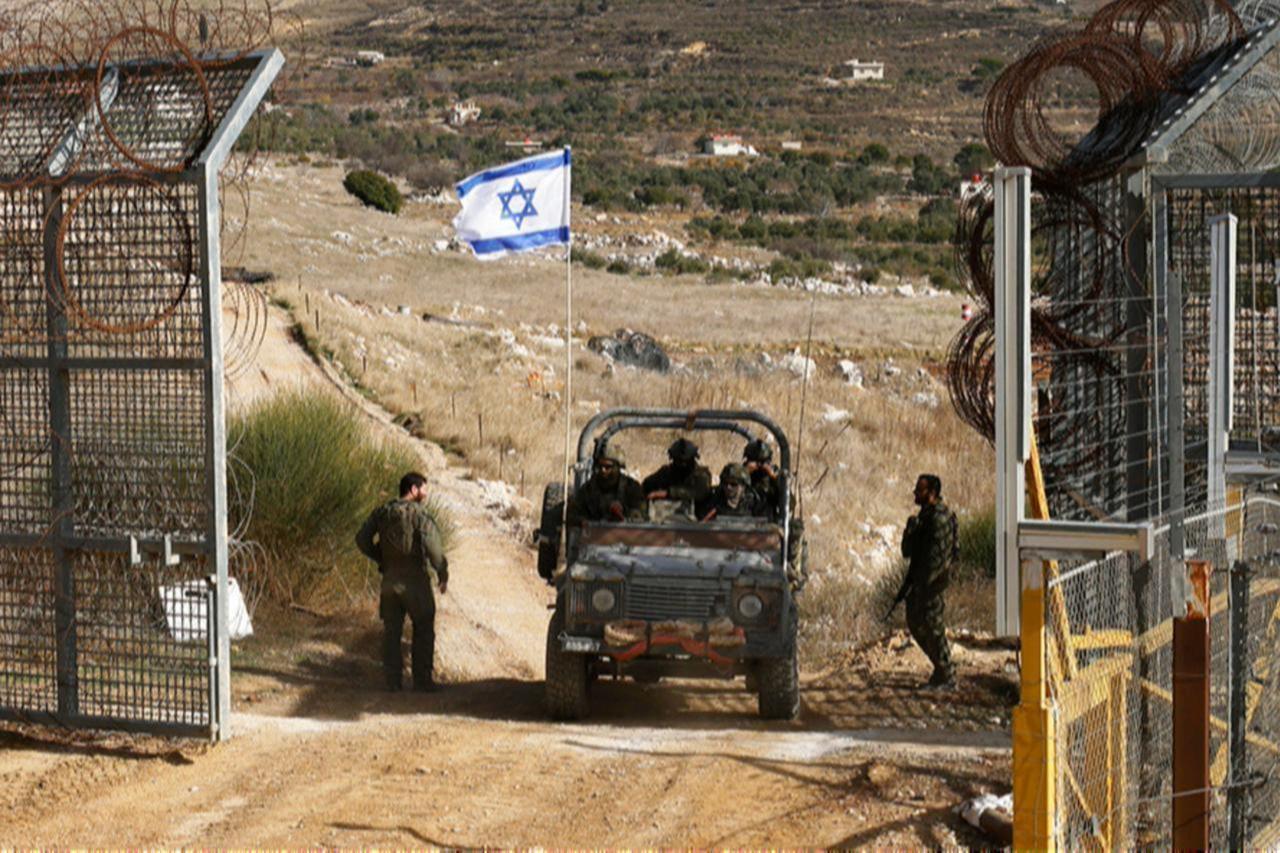

Sharaa reported that Israel has conducted more than 1,000 airstrikes and hundreds of ground incursions into Syrian territory since December 8, 2024. He cited a recent attack in Bayt Jinn in rural Damascus that killed numerous civilians.
Syria is working with international actors to secure Israel's withdrawal from areas occupied after that date, Sharaa said, adding that the demand has received broad support from other countries. The United States is participating in ongoing negotiations with Israel, he noted.
Addressing demilitarization proposals, Sharaa questioned the practicality of Israel's demand for a weapons-free buffer zone. "Israel wants a demilitarized zone. So who will protect this area?" he said, adding that Israel expresses concern about continued attacks. "If there are no army and security forces, who will protect this region?"
The Syrian leader referenced the 1974 disengagement agreement, which lasted 50 years, suggesting similar arrangements could either succeed or fail and potentially drag the region into a dangerous process.
Sharaa emphasized that the new government is building a system based on institutions rather than individuals, with representation determined by merit. He acknowledged that no government can achieve complete consensus with all population components during transition periods.
The administration has made significant progress on basic services. Electricity provision has increased from just 1.5 hours daily when the new government took power to 12 to 14 hours currently. Sharaa projected the country would reach self-sufficiency in electricity by year's end.
"Today millions of people are celebrating in the streets the fall of the old regime," Sharaa said. "Syria is moving toward its best conditions."
The president said committees have been established to investigate crimes during the transition period, with particular focus on violations in coastal regions and Suwayda. He attributed tensions in both areas to the legacy of the former government, stating that everyone was a victim of the previous regime.
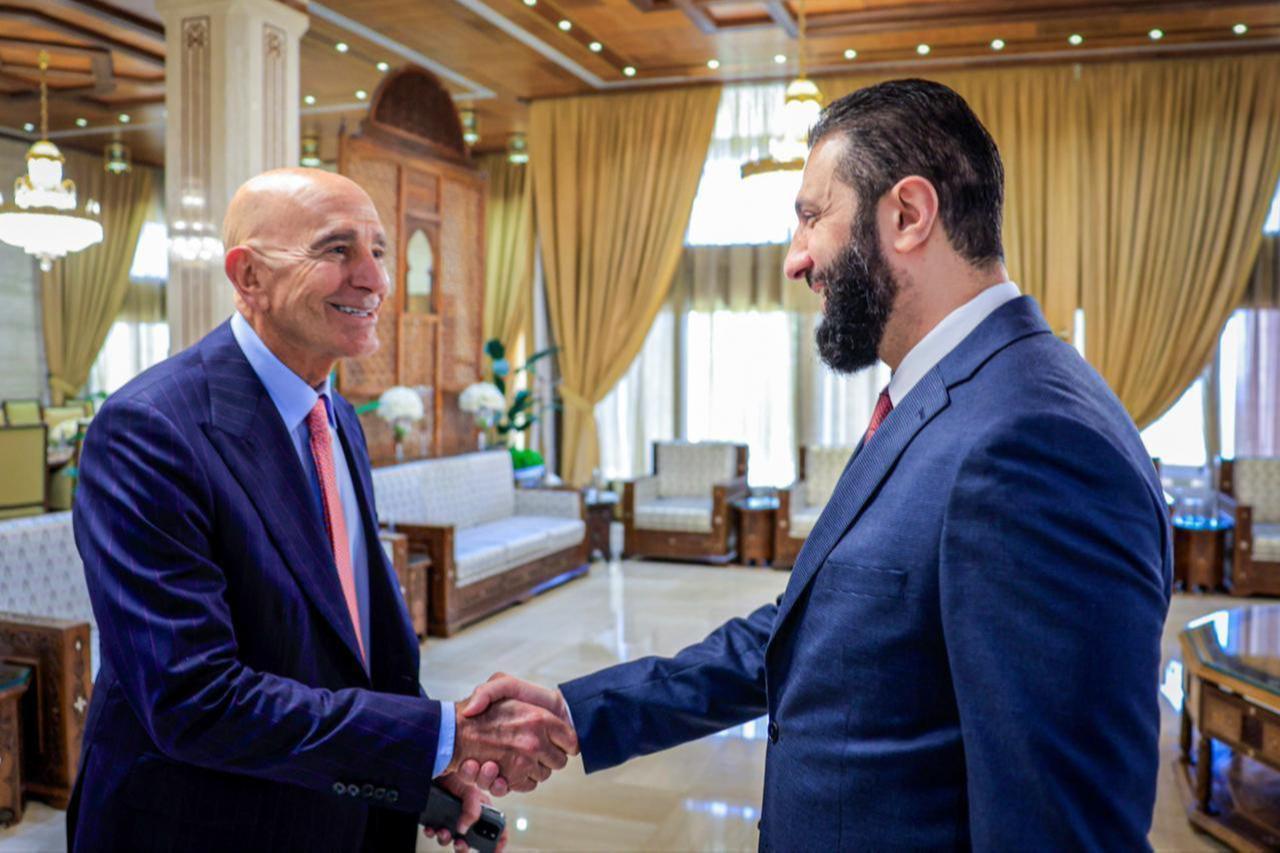
Addressing economic recovery, Sharaa said Syria has suffered years of isolation and economic blockade. He confirmed ongoing contacts with the United States regarding the lifting of Caesar Act sanctions, noting that the Trump administration has expressed support for removing the restrictions.
The Caesar Act, passed by the U.S. Congress in 2019, imposed severe economic sanctions on Syria targeting various sectors of the economy. The legislation aimed to hold the previous government accountable for human rights violations during the country's civil war.
Sharaa stressed that Syria would become "a country built on elections and institutions," contrasting the approach with the previous government's rule, which he said heightened sectarian tensions.


 Set as preferred source
 Set as preferred source


 1 min read
 1 min read