Newsletters


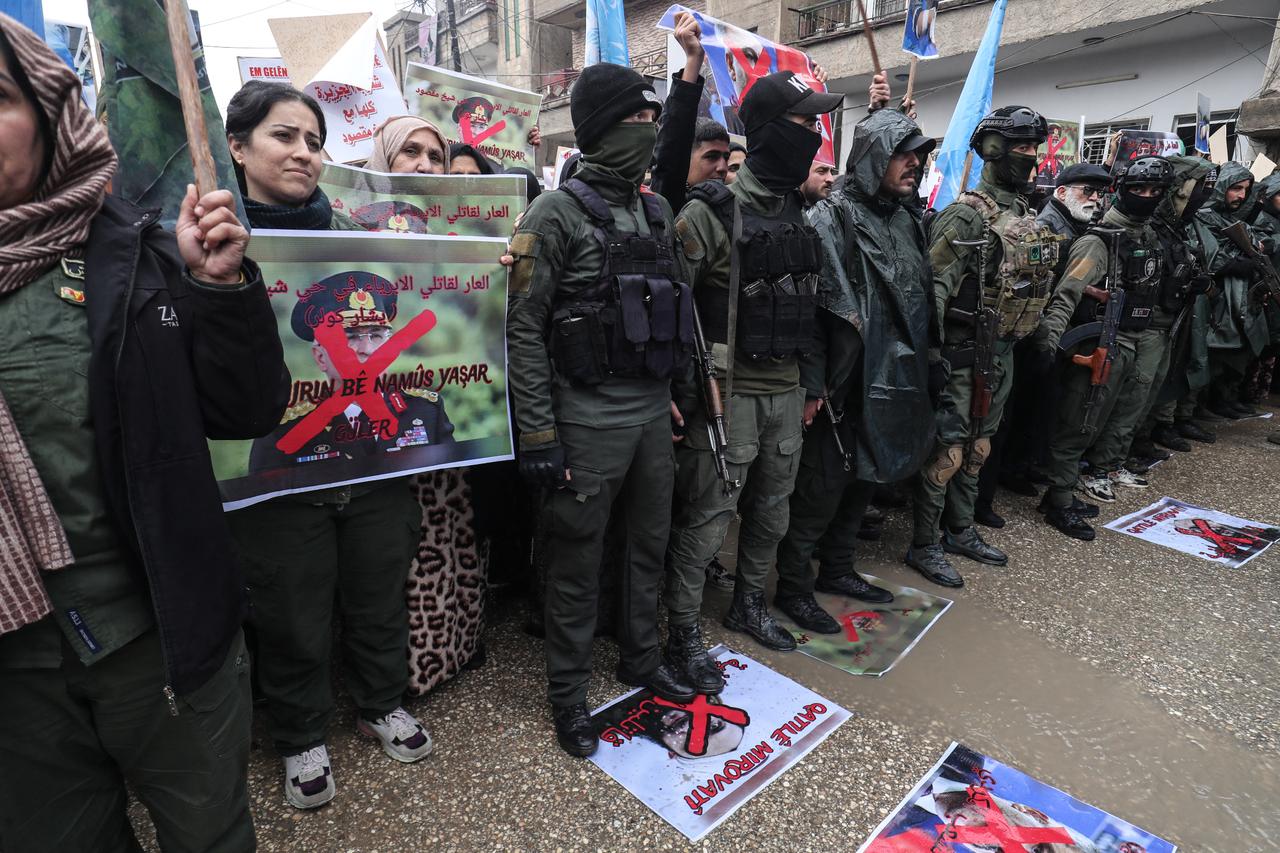


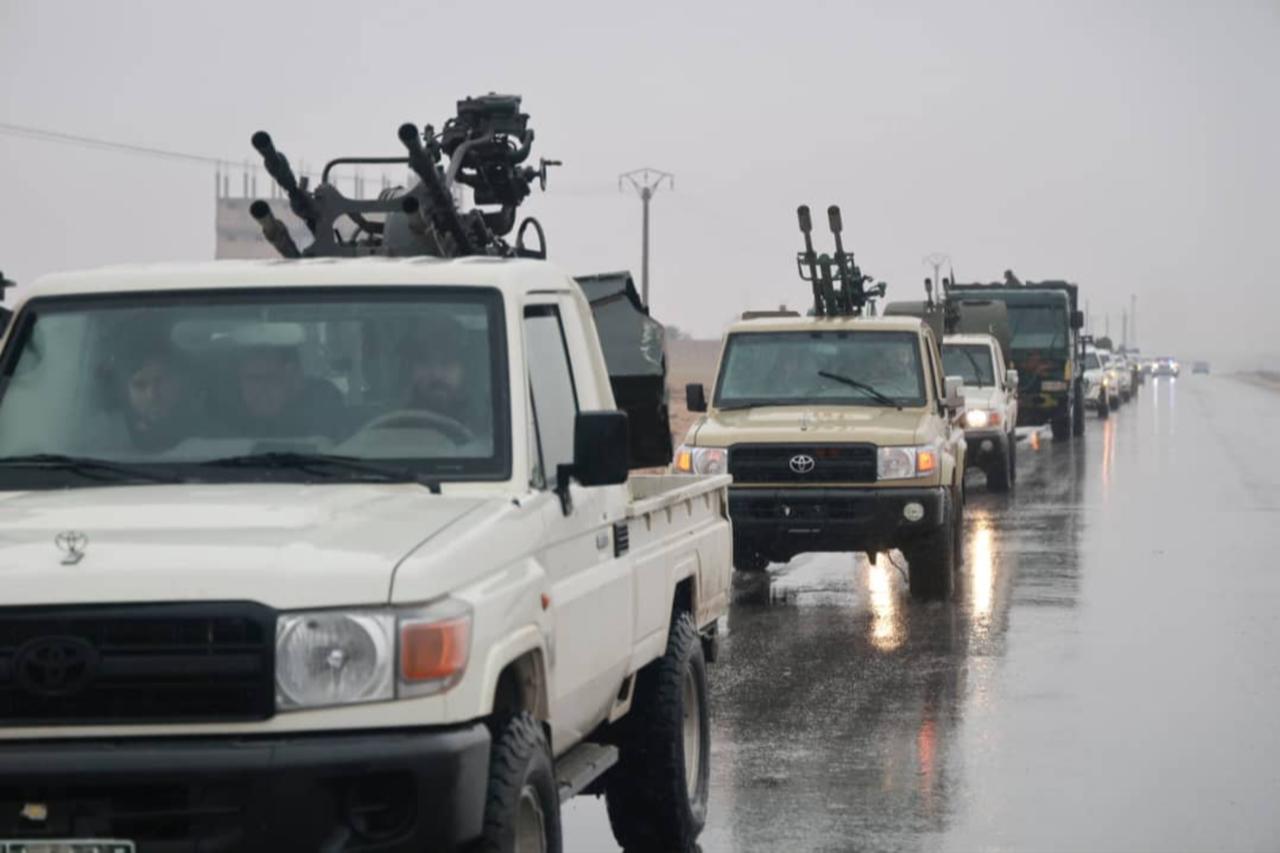
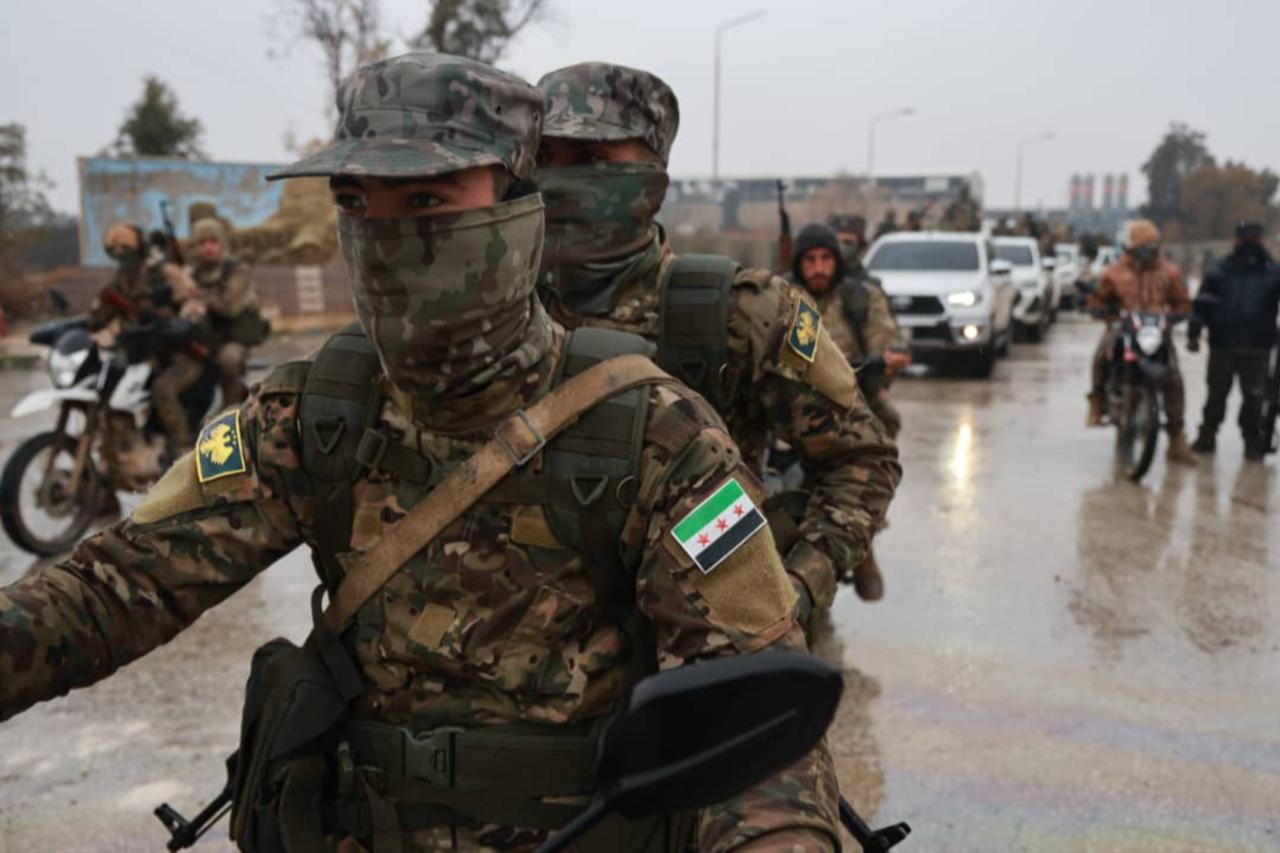
The Syrian Army on Tuesday warned against continued mobilization by the YPG/SDF terrorist organization, alongside the PKK terrorist organization and remnants of the former regime, in the northern province of Aleppo.
In a statement carried by the Syrian Arab News Agency (SANA), the army’s Operations Command said the mobilization was taking place in an area described as a launch point for Iranian-made suicide drones targeting Aleppo.
The military urged civilians to stay away from SDF positions and called on all armed groups in the area to withdraw east of the Euphrates River.
It warned that all necessary measures would be taken to prevent the area from being used as a base for attacks, adding that several locations have been declared closed military zones with immediate effect.
An intelligence source accused the SDF of recruiting fugitives and individuals wanted by Syrian authorities.
“Large numbers of remnants of the ousted regime and individuals wanted for various crimes have become fighters alongside the SDF organization,” the source told SANA, alleging that these recruits are being supported by Iran and the PKK.
The source also claimed that PKK-linked elements, in cooperation with the SDF, were responsible for shelling Aleppo using Iranian-made drones.
According to the statement, Syrian Military Intelligence thwarted several attacks during recent escalations in the Sheikh Maqsoud and Ashrafieh neighborhoods.
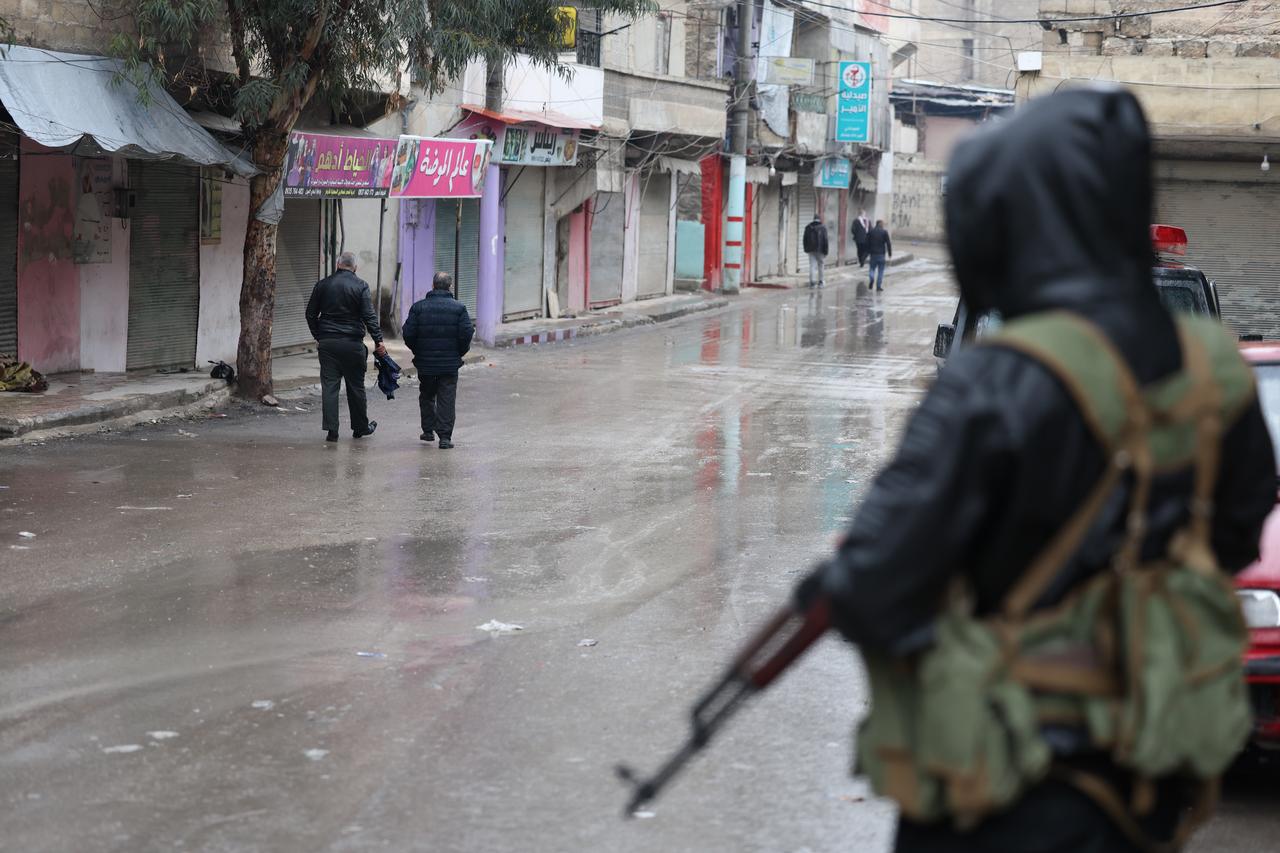
Since last week, SDF shelling of residential areas, civilian facilities and Syrian Army positions in Aleppo has killed 24 people, wounded nearly 130 others and displaced about 165,000 residents from the Ashrafieh and Sheikh Maqsoud districts, official figures show.
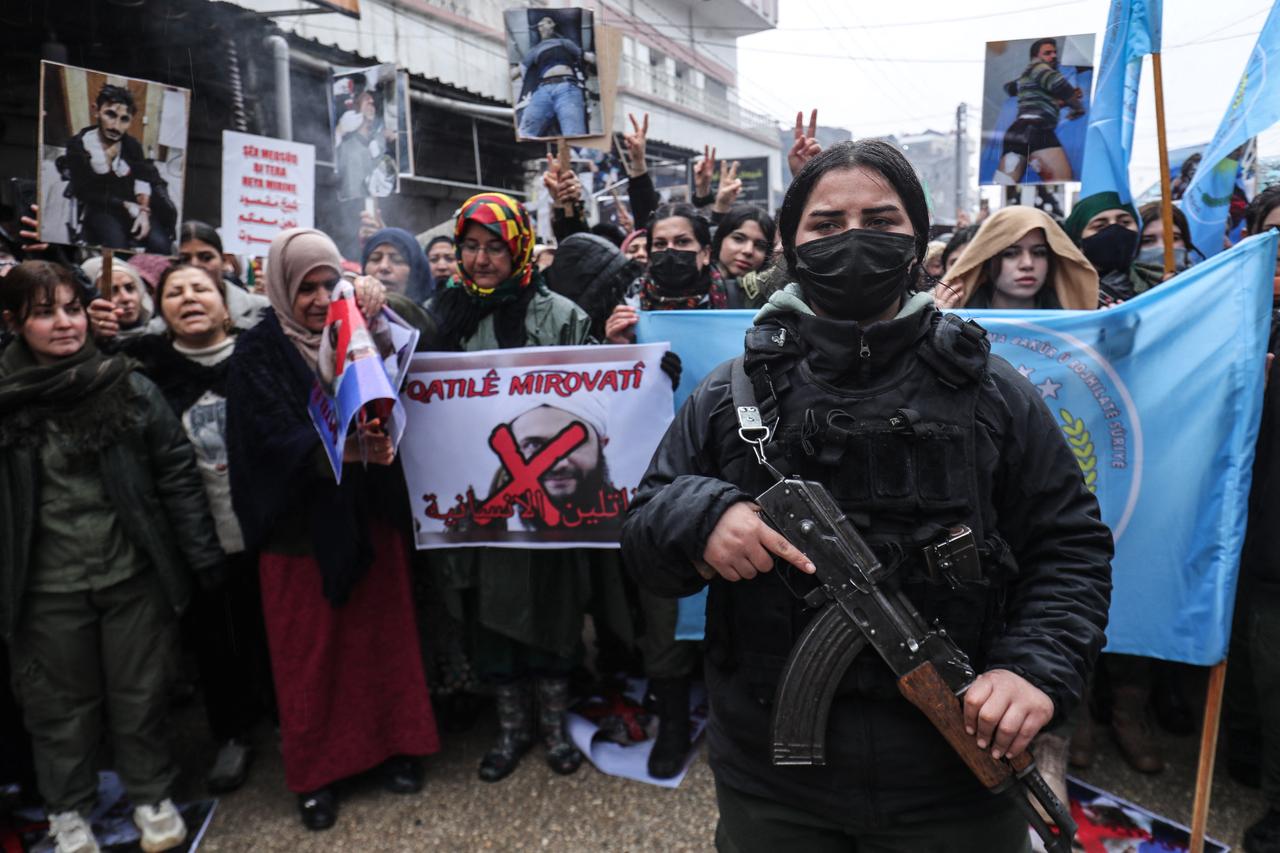

Aleppo Governor Azzam al-Gharib and Internal Security Commander Mohammed Abdel Ghani said security measures in Ashrafieh and Sheikh Maqsoud are part of broader efforts to restore stability and normal life.
Speaking at a joint press conference, Gharib said the operation was “not merely a security measure, but a comprehensive process aimed at restoring life,” noting that more than 155,000 residents from the two neighborhoods have been received and provided with suitable shelter.
He stressed that the Syrian state “harbors no intentions of revenge,” adding that crimes against civilians would be addressed through legal channels.
According to the governor, residents have begun returning to Ashrafieh, while preparations continue for the safe return of families to Sheikh Maqsoud.
Gharib also said the army designated areas between the towns of Deir Hafir and Maskanah as closed military zones after they were used by the SDF, PKK-linked militias and remnants of the former Assad regime.
Abdel Ghani said security forces are working to eliminate threats posed by tunnels used by the SDF in residential neighborhoods and confirmed that large numbers of landmines have already been cleared.
He added that authorities have sent a “clear message” to those who laid down their arms, saying the state would treat them “with mercy and justice,” and announced that two police stations will soon open in the affected neighborhoods.
He also warned against attempts to inflame sectarian tensions.
In March 2025, Syria’s presidency announced an agreement for the SDF’s integration into state institutions, reaffirming territorial unity and rejecting division.
A separate agreement signed in April 2025 regarding Sheikh Maqsoud and Ashrafieh required the withdrawal of SDF forces east of the Euphrates and restricted weapons to internal security forces.
Syrian authorities say the SDF has failed to comply with those agreements. The government has intensified nationwide security efforts since the ouster of Bashar al-Assad in December 2024, ending his 24-year rule.


 Set as preferred source
 Set as preferred source


 1 min read
 1 min read