Newsletters


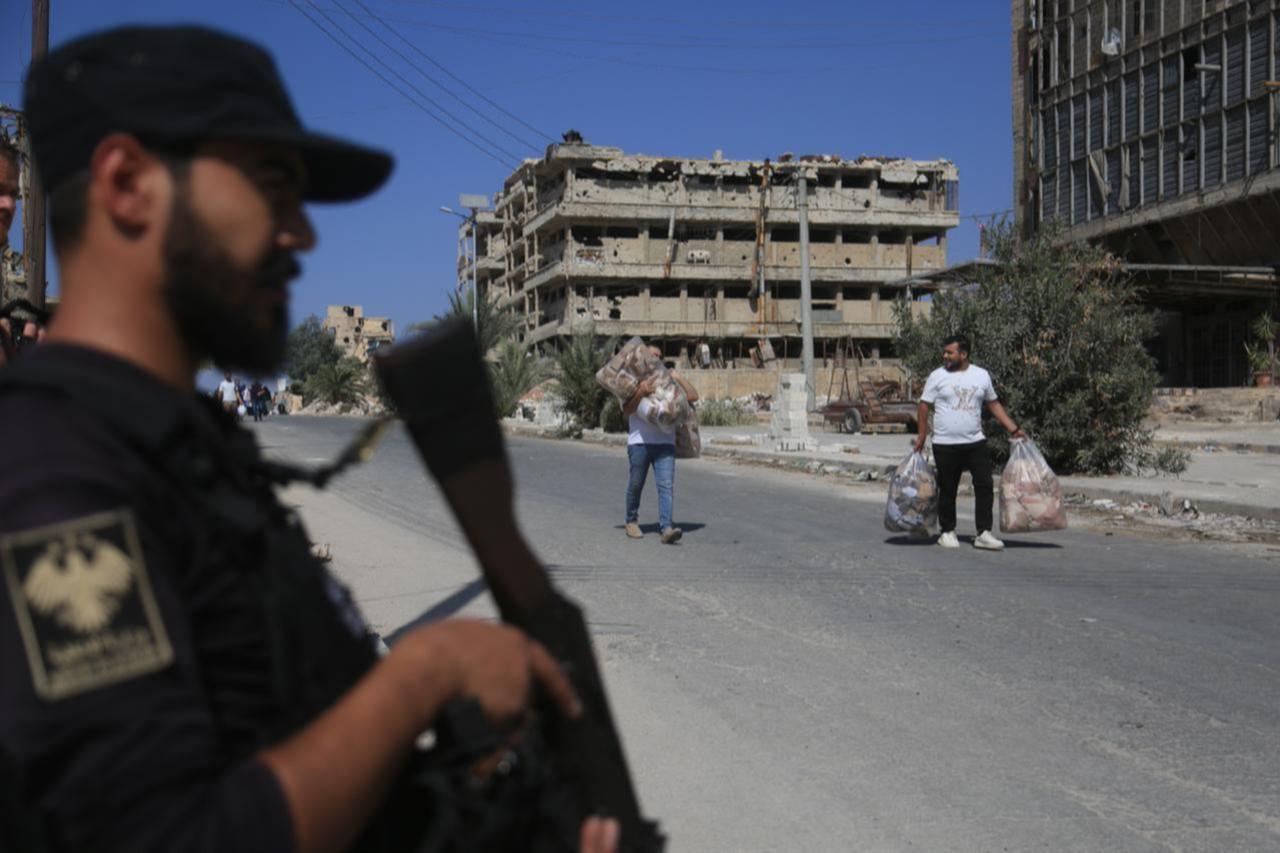


The SDF bombarded the area surrounding al-Razi Hospital in Aleppo with artillery and mortar shells Monday, as fighting between the terrorist organization and Syrian government forces wounded several people and forced dozens of families to flee their homes.
The SDF, which Syria designates as a terrorist organization, opened fire with heavy machine guns and artillery on positions of the Internal Security Forces and Syrian Arab Army near the Ashrafieh and Sheikh Maqsoud neighborhoods, according to Syrian officials. The attack also struck surrounding residential areas, with four wounded civilians taken to al-Razi Hospital for treatment following the shelling.
Syria's state news agency SANA reported that the SDF bombed al-Razi Hospital, though no casualties or injuries were reported from the hospital targeting itself. The broader assault on residential neighborhoods wounded one Internal Security Forces member and one army soldier, along with civil defense workers and several civilians, the Interior Ministry said. Among those injured were a woman and child hit during shelling of residential areas.
The Defense Ministry said the SDF launched a sudden assault on deployment points around Ashrafieh, resulting in injuries among security personnel. The ministry denied claims from SDF-affiliated outlets that Syrian forces had initiated the attack, stating the army was responding to SDF fire targeting civilian homes and military positions.


Syrian Civil Defense said a rescue vehicle carrying four responders came under direct fire while heading to the Aleppo Governorate Directorate of Emergency and Disaster Management at Shihaan Roundabout, despite the vehicle bearing clear civil defense markings and personnel wearing official uniforms.
Two civil defense members were injured while on duty at the roundabout, officials said.
The Ministry of Emergency and Disaster Management called the targeting of civil defense teams "a serious crime and a flagrant violation of humanitarian law," saying it obstructed efforts to rescue civilians in urgent need and prevented delivery of life-saving humanitarian services.
The SDF used heavy machine guns, rocket-propelled grenades and mortar shells to target areas stretching from Shihaan Roundabout to Lairmoun Roundabout, according to SANA. The Gaziantep-Aleppo highway was closed due to direct targeting of the roadway.
Continued indiscriminate gunfire threatened civilian lives and hampered the arrival of rescue teams, SANA reported. Dozens of families were displaced from targeted neighborhoods and moved urgently to safer areas, particularly al-Khalidiya and Nile Street.
The Interior Ministry said SDF units stationed in the two neighborhoods "committed an act of treachery" against Internal Security Forces manning joint checkpoints after a sudden, uncoordinated withdrawal, followed by opening fire on the checkpoints despite existing agreements.
Aleppo Governor Azzam al-Gharib said SDF units have continued repeated violations in recent weeks affecting civilians and their security. The forces abruptly removed joint checkpoints without prior coordination, followed by direct attacks on civilians, security forces and civil defense, he said.
Al-Gharib urged residents living near the clashes to avoid areas of tension and roads leading to the city center, refrain from gathering near flashpoints, and rely only on official sources for information. He said readiness levels have been raised across emergency management, health, services and social affairs directorates to ensure swift response.
"The state will not tolerate threats to Aleppo's security," the governor said.
The clashes come as Syria's foreign minister accused the SDF of stalling a March integration agreement, signaling renewed tensions over control of the country's resource-rich northeast.
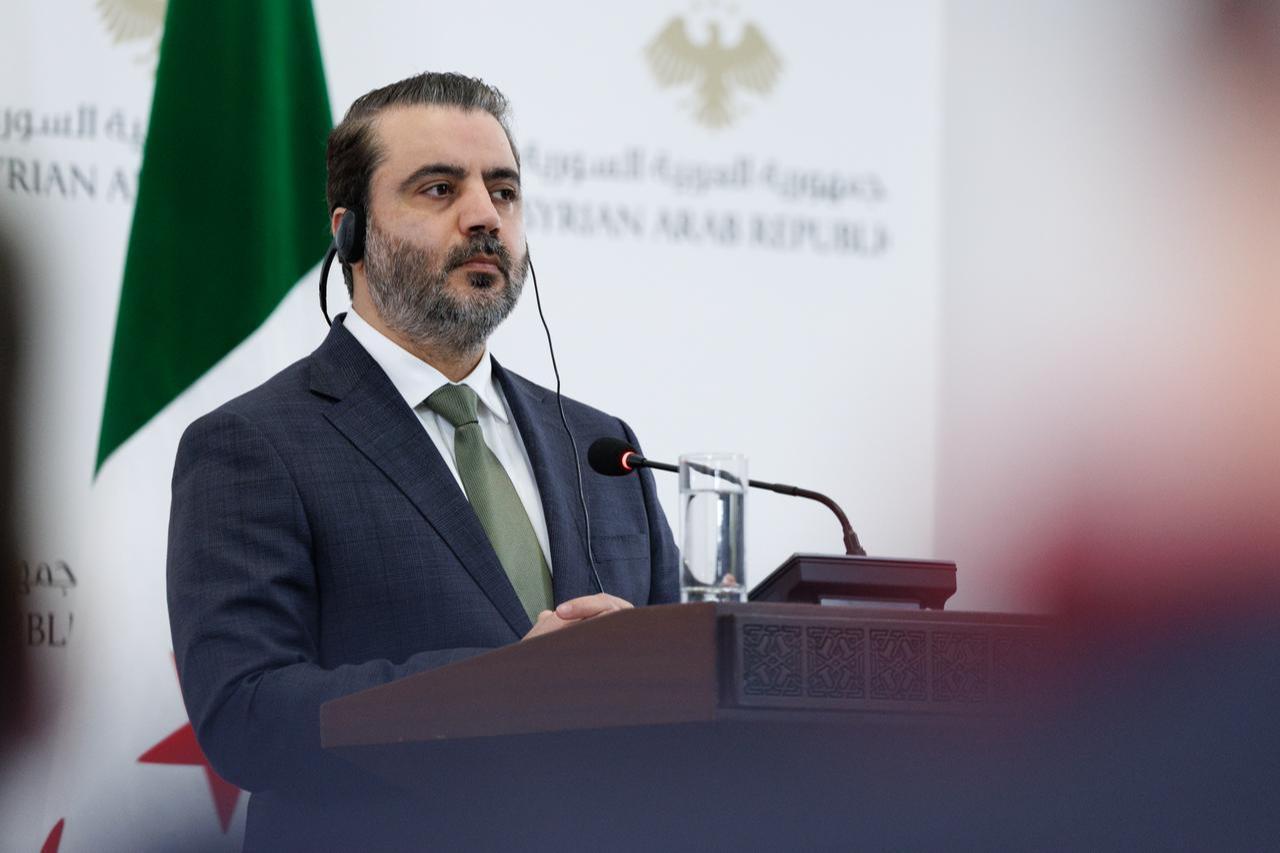
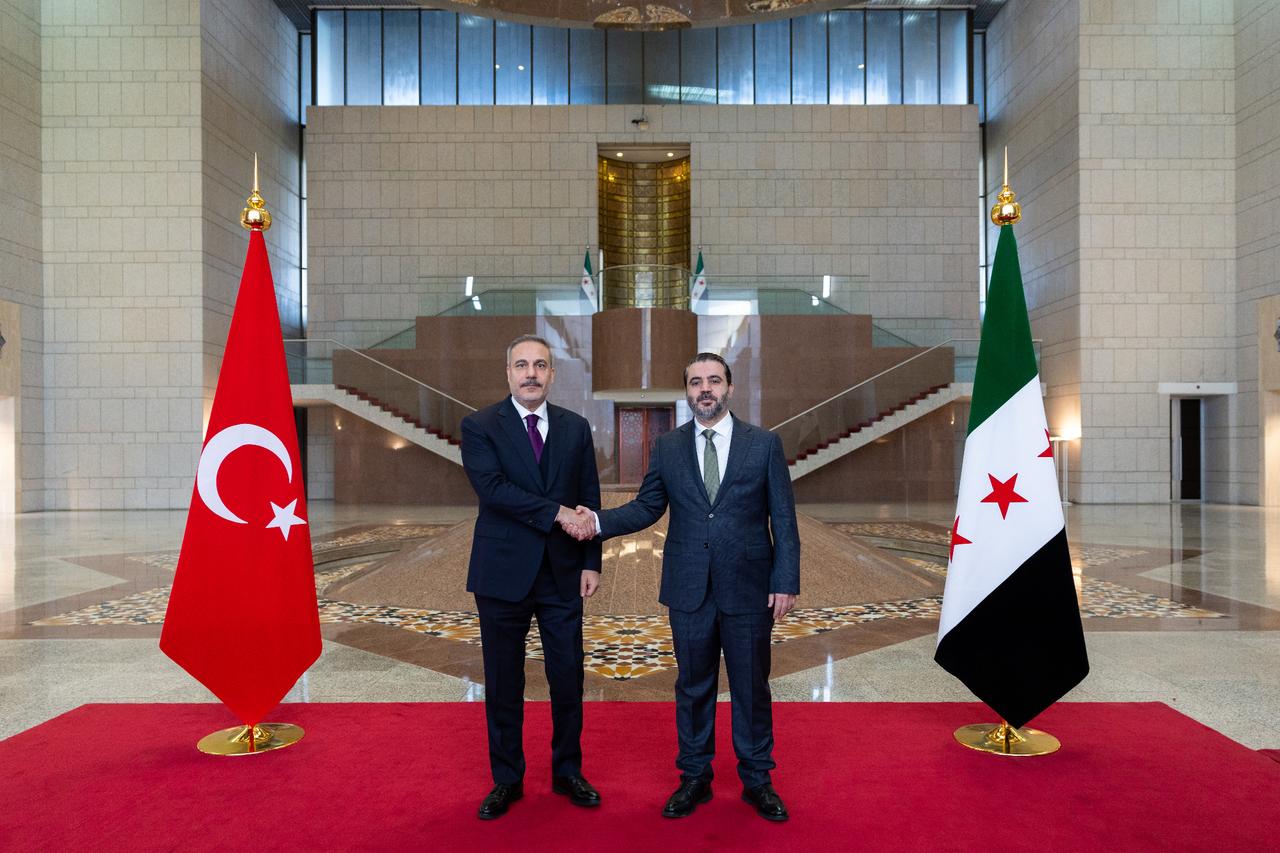
Foreign Minister Asaad Hassan al-Shaibani told reporters in Damascus on Sunday that the SDF had shown no genuine commitment to implementing the agreement signed nearly three months ago. Speaking alongside Turkish Foreign Minister Hakan Fidan, Shaibani said Damascus was now reviewing a detailed military proposal for integrating the region.
"Unfortunately, we have not seen any will from the SDF," Shaibani said, accusing the group of pursuing systematic delay tactics rather than taking concrete steps toward integration.
The Syrian government plans to assert greater authority over the Jazirah region in the country's northeast, where armed groups have maintained de facto autonomy since Syria's civil war began more than a decade ago. "We will pay more attention to the Jazirah region," Shaibani said. "The Syrian state will be there."
The March 10 agreement aimed to strengthen Syria's national unity and reunify territory through dialogue and peaceful means, according to Shaibani. Syria's Defense Ministry recently prepared a proposal on military integration, and officials received a response Saturday that they are now studying before sending a formal reply to the United States, which has maintained a military partnership with the SDF in counterterrorism operations.
The Damascus meeting between Syrian and Turkish officials covered lifting U.S. sanctions against Syria, expanding economic and trade ties, strengthening intelligence and military coordination, facilitating refugee returns, and preventing an Daesh resurgence.
Syria's goal remains implementing genuine integration while preserving territorial integrity, Shaibani emphasized, seeking to prevent any division that would undermine Syrian sovereignty.


 Set as preferred source
 Set as preferred source


 1 min read

 1 min read