Newsletters


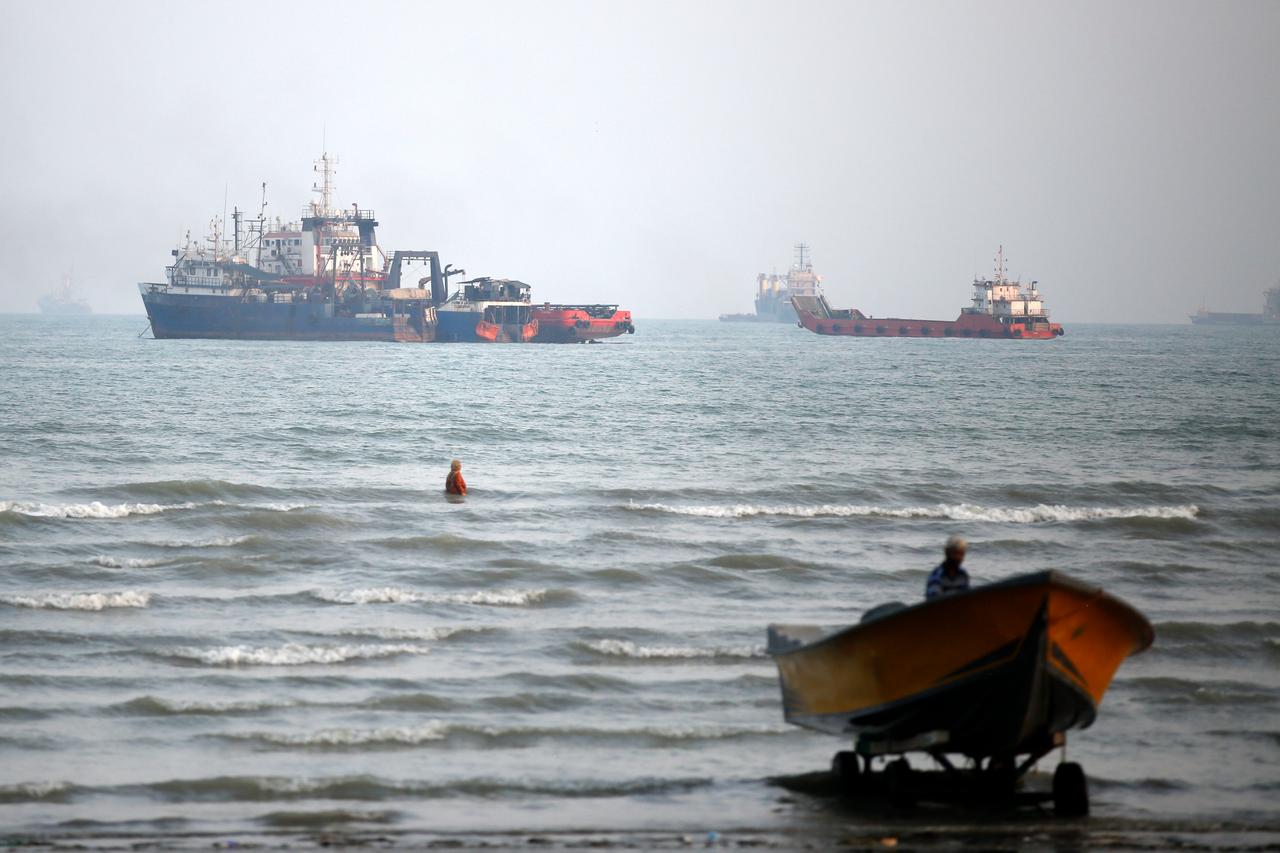


An attack on a tanker in the Strait of Hormuz damaged its engine room, a British maritime agency said Sunday, without specifying when the incident occurred.
The United Kingdom Maritime Trade Operations Centre, or UKMTO, said an “unknown projectile” struck the vessel, but the crew were unharmed.
No environmental impact had been recorded from the attack, the agency added.
UKMTO did not specify the date of the incident, the vessel’s origin or destination, or whether it was an oil tanker or an LNG carrier.
Iran has sought to impose control over the vital shipping lane since the start of its war with the United States and Israel.
Tehran has repeatedly targeted vessels in the waterway that it accuses of transiting without its authorization, while the United States has struck ships allegedly attempting to skirt a counterblockade of Iranian ports.
The Strait of Hormuz, through which about one-fifth of the world’s oil and gas transited before the war, remains a key sticking point in negotiations between Iran and the United States.
Attacks on ships in Hormuz have continued, though the United States has not launched strikes on Iran since Sept. 1.
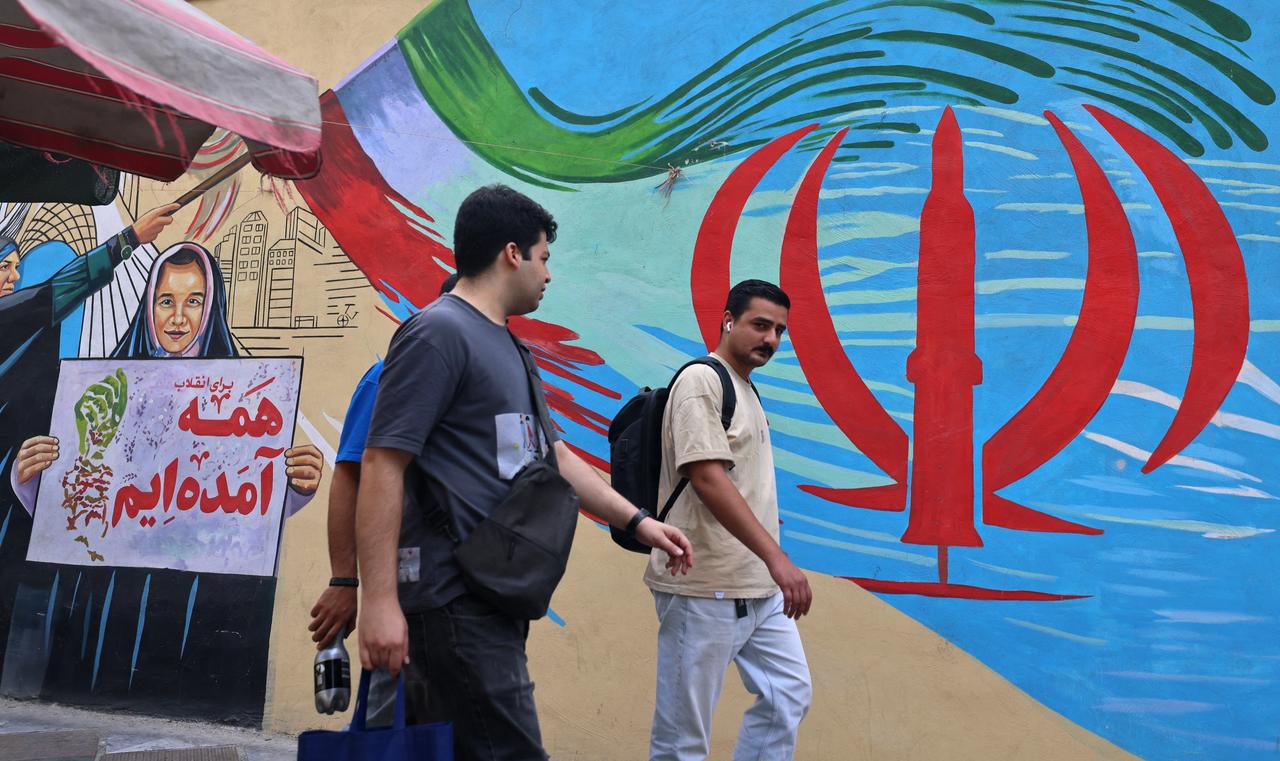

Meanwhile, Iranian Parliament Speaker Mohammad Bagher Qalibaf said Sunday that Tehran is “neither excited nor intimidated” by U.S. actions, stressing that Iran is prepared to “both fight and negotiate.”
“We are present in the military battlefield with all our strength and we will face them with new surprises, and we use the tools of diplomacy to establish our superiority in the military field and impose the rights of the Iranian people,” Qalibaf told parliament, according to Iran’s semi-official Tasnim news agency.
Qalibaf said Washington had conveyed proposals through mediators after Tehran put forward a seven-day roadmap for reopening the Strait of Hormuz.
He reiterated Iran’s position that the strait will not reopen “until our seven conditions based on the Islamabad Memorandum are met,” referring to a framework deal reached in June.
Last month, Iran conveyed a formal set of conditions to the United States through Qatari mediators for ending the war, which began Feb. 28.
Tehran’s conditions included a comprehensive cessation of hostilities on all fronts, the release of frozen Iranian funds and an end to the naval blockade of its ports.


 Set as preferred source
 Set as preferred source


 1 min read
 1 min read