Newsletters


A tanker entering the Strait of Hormuz turned back Monday after Iran's Islamic Revolutionary Guard Corps (IRGC) threatened to target it, the U.K. Maritime Trade Operations (UKMTO) said, as senior Iranian commanders warned Washington against renewed military action.
"A tanker transiting the Strait of Hormuz inbound was hailed by the IRGC and instructed to turn back or the vessel would be targeted. The Master of the tanker has confirmed that they have complied with the instruction," UKMTO said in an advisory.
The Strait of Hormuz, through which about a fifth of the world's oil and gas passed before the war, remains a key sticking point in U.S.-Iran negotiations.
Iran has repeatedly targeted vessels it accuses of transiting without authorization.
The incident took place 11 nautical miles (20 kilometers) north of Khasab, Oman, as the ship was entering the strait near the Omani coastline, UKMTO said.
Authorities are investigating, and vessels were advised to transit with caution and report any suspicious activity.
The U.S. has not launched strikes on Iran since Sept. 1, even as Iranian attacks on shipping have continued.
Tehran has said it wants to charge commercial vessels for passage through the strait.
 1 min read
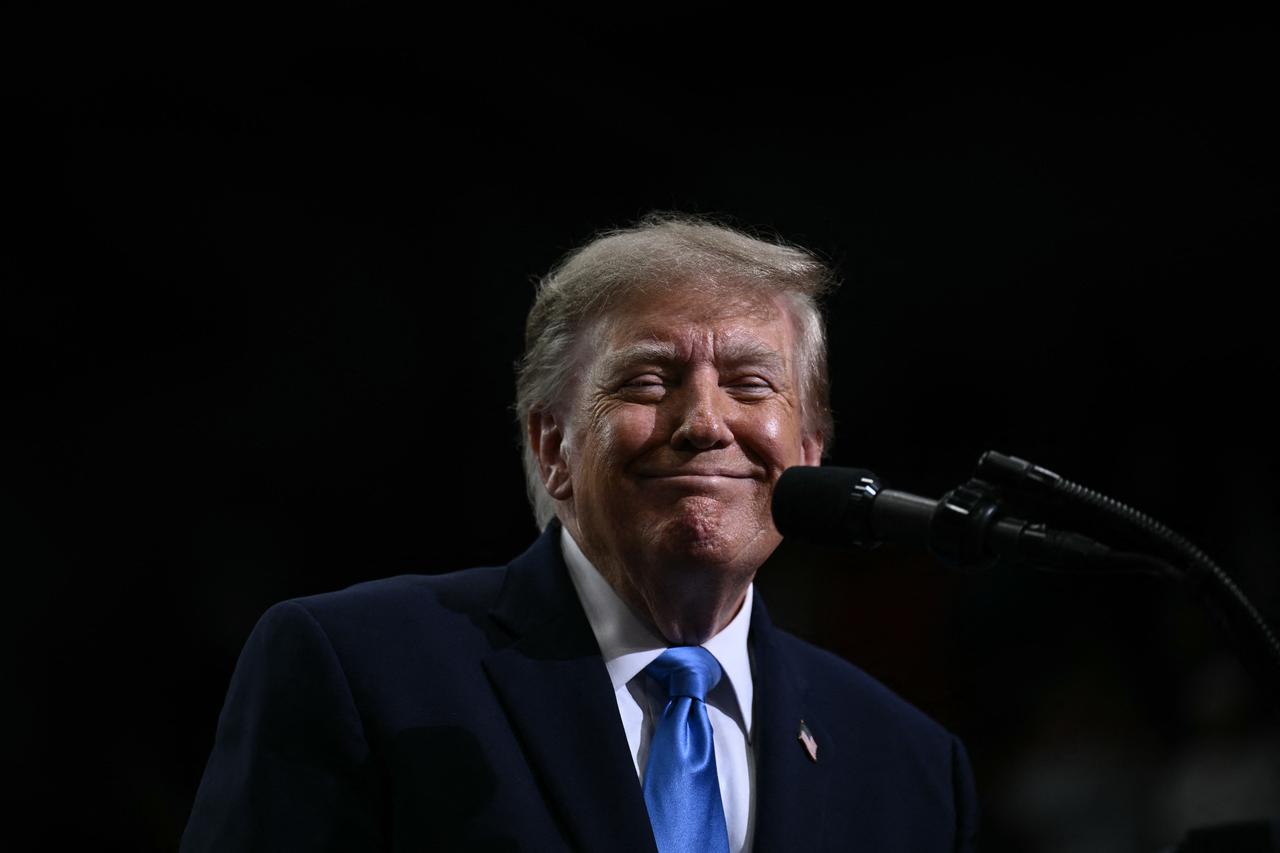
Ali Fadavi, head of the advisory group to the IRGC commander-in-chief, said in a state television interview late Sunday that the IRGC Navy has warned ships using the U.S.-supervised southern route in the strait that "their vessels may be targeted at any point."
Fadavi said only 3 million to 4 million barrels of oil a day were moving through the route along Oman's coast, dismissing the volume as "negligible."
Middle East crude exports averaged 18.5 million barrels a day in the last week of September, including routes bypassing Hormuz.
He said Iran and Oman should draw up and enforce rules governing the waterway, adding that such rules had already been prepared and were being implemented.
"If the Americans launch a ground attack, then we will target every location related to the Americans, American bases and every vessel related to the Americans," Fadavi said.
He said Americans "understand missiles hitting their warships" and "missiles hitting their bases," and that Iran's production of military equipment now exceeds the rate at which it is used.
"The Americans can only create tensions through the air, and certainly an increase in tensions will be to the detriment of the Americans," he said.
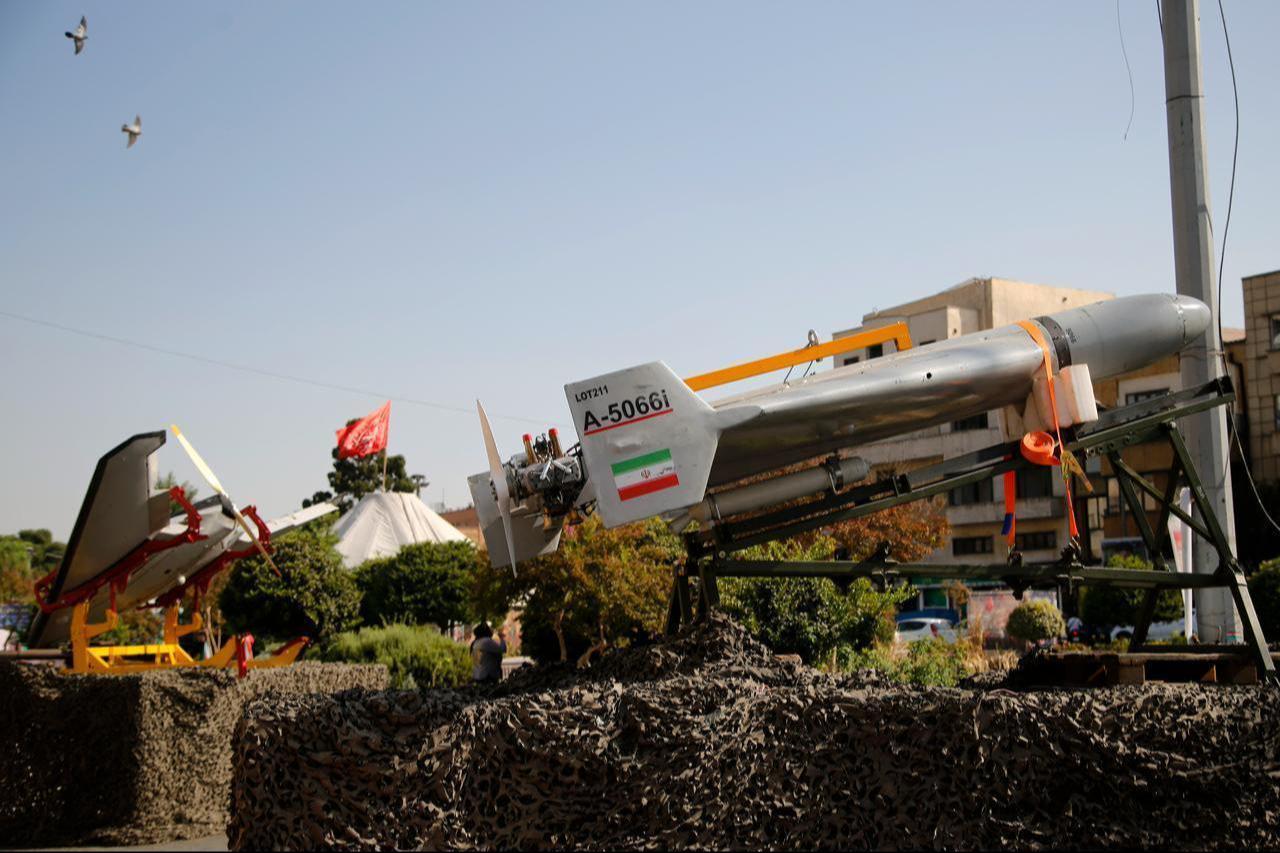

Iran's armed forces chief of staff, Maj. Gen. Ali Abdollahi, warned that any new attack on Iran would spread across the region.
"Be aware that if a new war is launched against Iran, its fire will engulf everyone," he said, according to Fars News Agency.
Abdollahi rejected as "delusional" claims that Iran's nuclear program had entered a military phase.
"Refrain from continuing to play the role of a wolf in sheep's clothing and avoid making further baseless comments regarding Iran's nuclear facilities," he said.
The warnings come as the U.S. moves additional carrier and amphibious forces toward the Middle East, while Iran continues to assert control over the Strait of Hormuz.


 Set as preferred source
 Set as preferred source


 1 min read