Newsletters


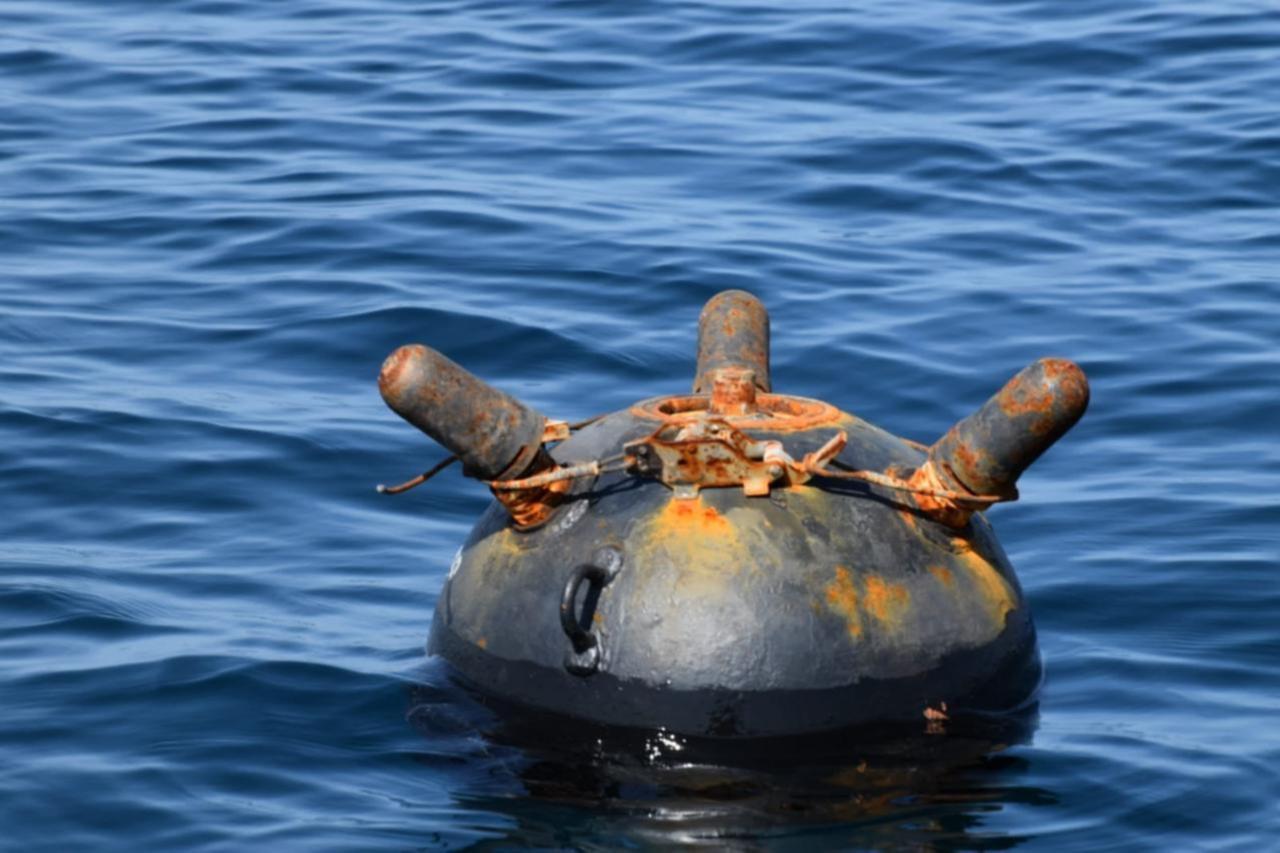


Iran rejected a French-backed proposal to conduct joint demining operations in the Strait of Hormuz on Monday, warning Paris that foreign involvement in mine-clearing efforts would not be tolerated and could further destabilize an already fragile maritime situation.
Deputy Foreign Minister for Legal and International Affairs Kazem Gharibabadi made the rejection explicit in a post on X, stating that under the Islamabad memorandum of understanding, demining operations in the strategic waterway belong "exclusively by Iran" and no other country.
"We strongly advise France not to make the situation more complicated with its provocations," he said.
The Iranian response came after French President Emmanuel Macron announced, also on X, that France and Oman had agreed to work jointly, in coordination with other partners, on demining the strait to secure maritime routes and ensure what he called "free and unconditional" passage through the waterway.
Macron made the announcement following talks in Paris with Oman's Sultan Haitham bin Tariq, who was making his first official visit to France.
Iran has consistently argued that navigation management, demining, and temporary maritime arrangements in the Strait of Hormuz fall under Article 5 of the Islamabad memorandum, which it says places coordination authority with Iran as a coastal state.
Gharibabadi reiterated that position on Monday, characterizing current conditions in the strait as "sensitive and complex" and cautioning against any parallel arrangements by outside parties.
The Islamabad memorandum entered into force on June 18, establishing a framework between Iran and the United States to restore maritime transit and put in place temporary navigation mechanisms following the outbreak of hostilities on Feb. 28.
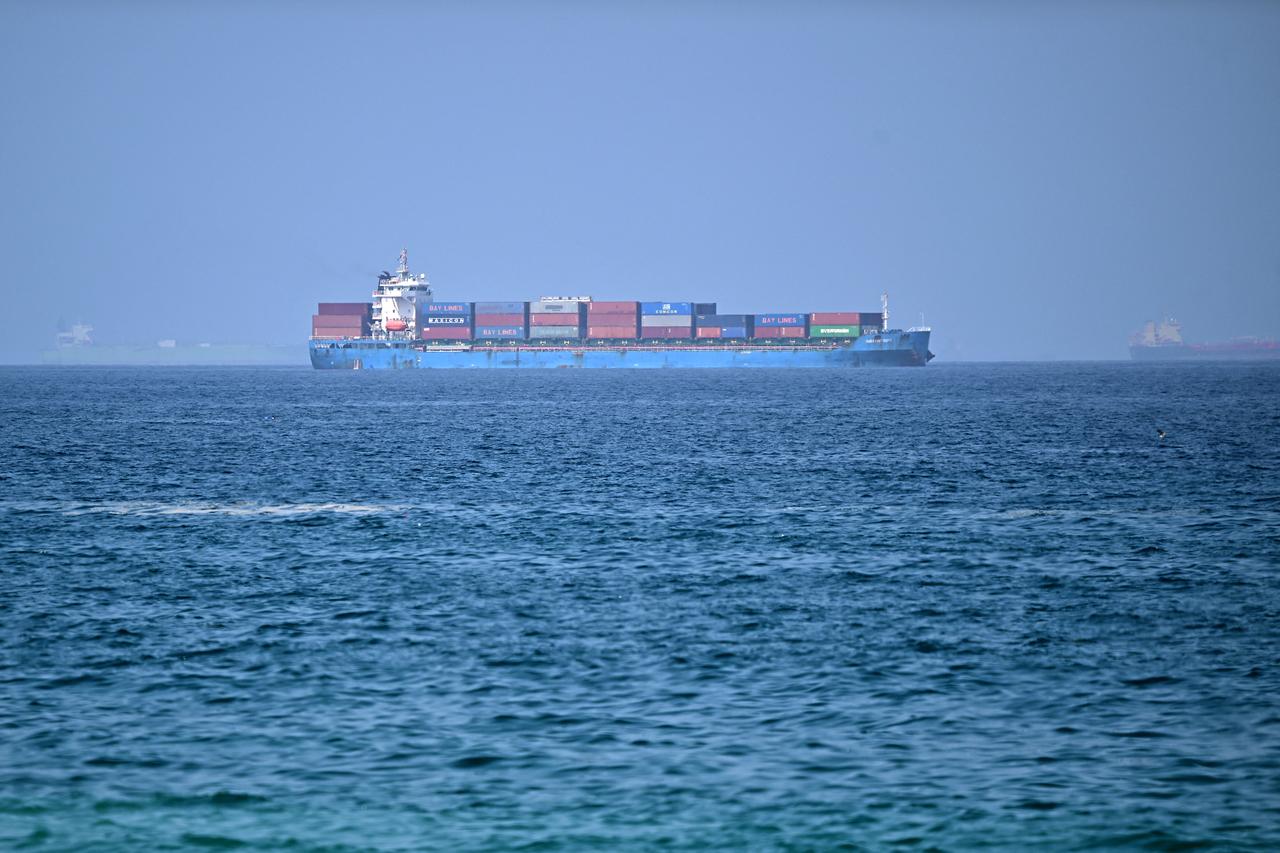
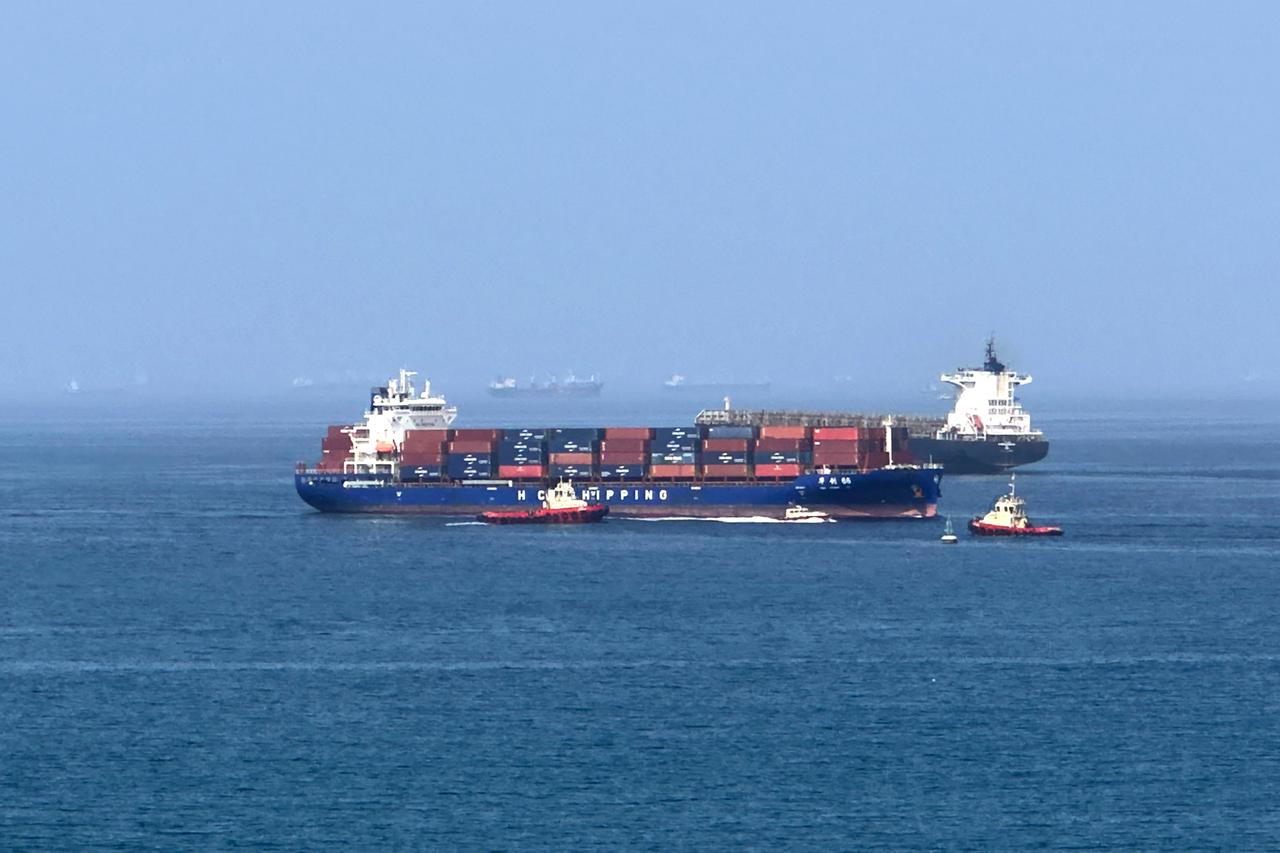
The Strait of Hormuz is one of the world's most consequential energy chokepoints, carrying a significant share of globally traded oil and liquefied natural gas.
Its vulnerability to disruption has long made it a flashpoint in regional geopolitics, and the latest diplomatic friction underscores how competing interests, among Iran, Western powers, and Gulf states, are colliding as parties attempt to stabilize the waterway in the aftermath of recent hostilities.
Oman, which shares the strait with Iran and maintains diplomatic relations with Tehran, has historically served as a quiet intermediary between Iran and Western governments, a role that lends Muscat's participation in any demining effort particular sensitivity in Iranian eyes.


 Set as preferred source
 Set as preferred source


 1 min read
 1 min read