Newsletters




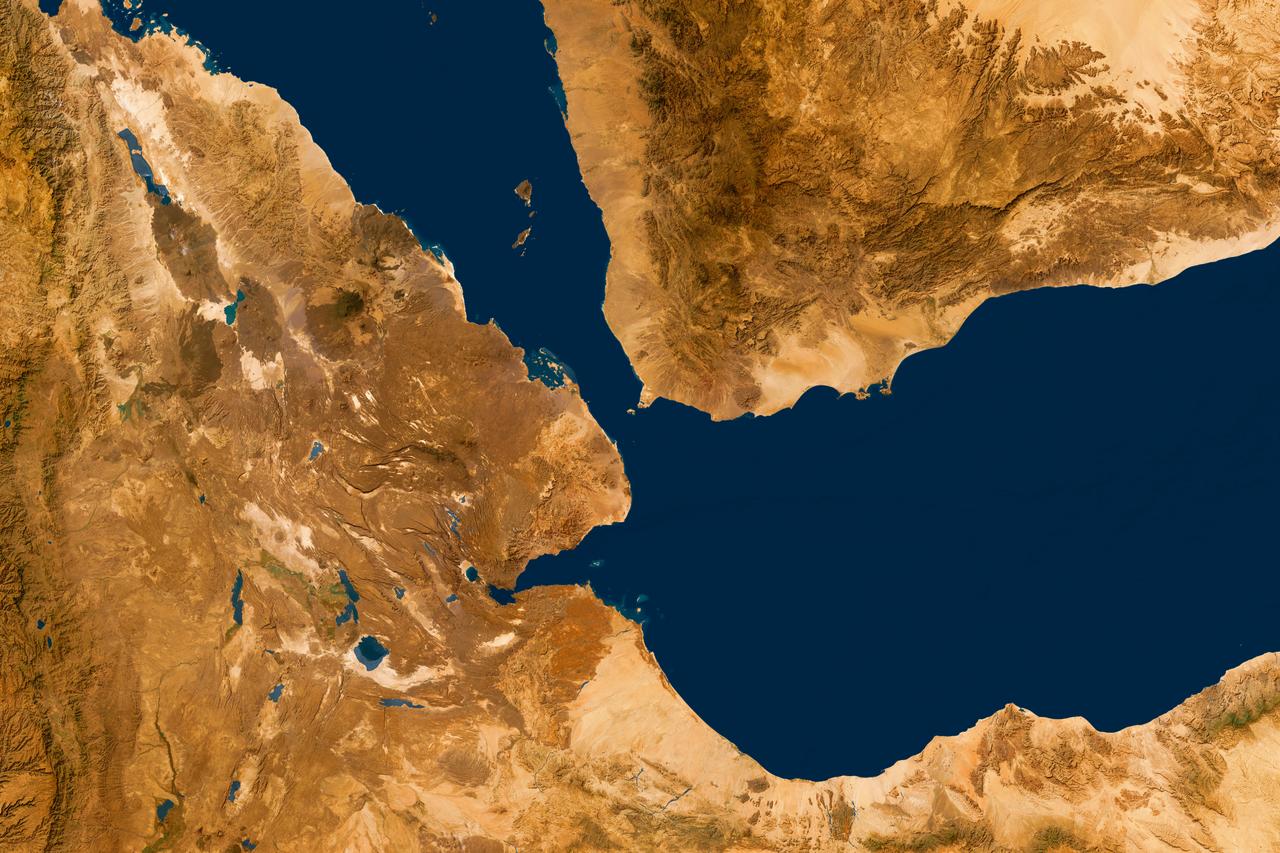
Medieval Arab sailors had a talent for naming things honestly. When they looked at the narrow, 30-kilometer passage connecting the Red Sea to the Gulf of Aden, they chose a warning, naming it Bab el-Mandab, the Gate of Tears.
Centuries of treacherous currents, sudden winds, and pirates who took no prisoners had made the math simple enough: ships went in, sailors sometimes didn't come out, and the name stuck.
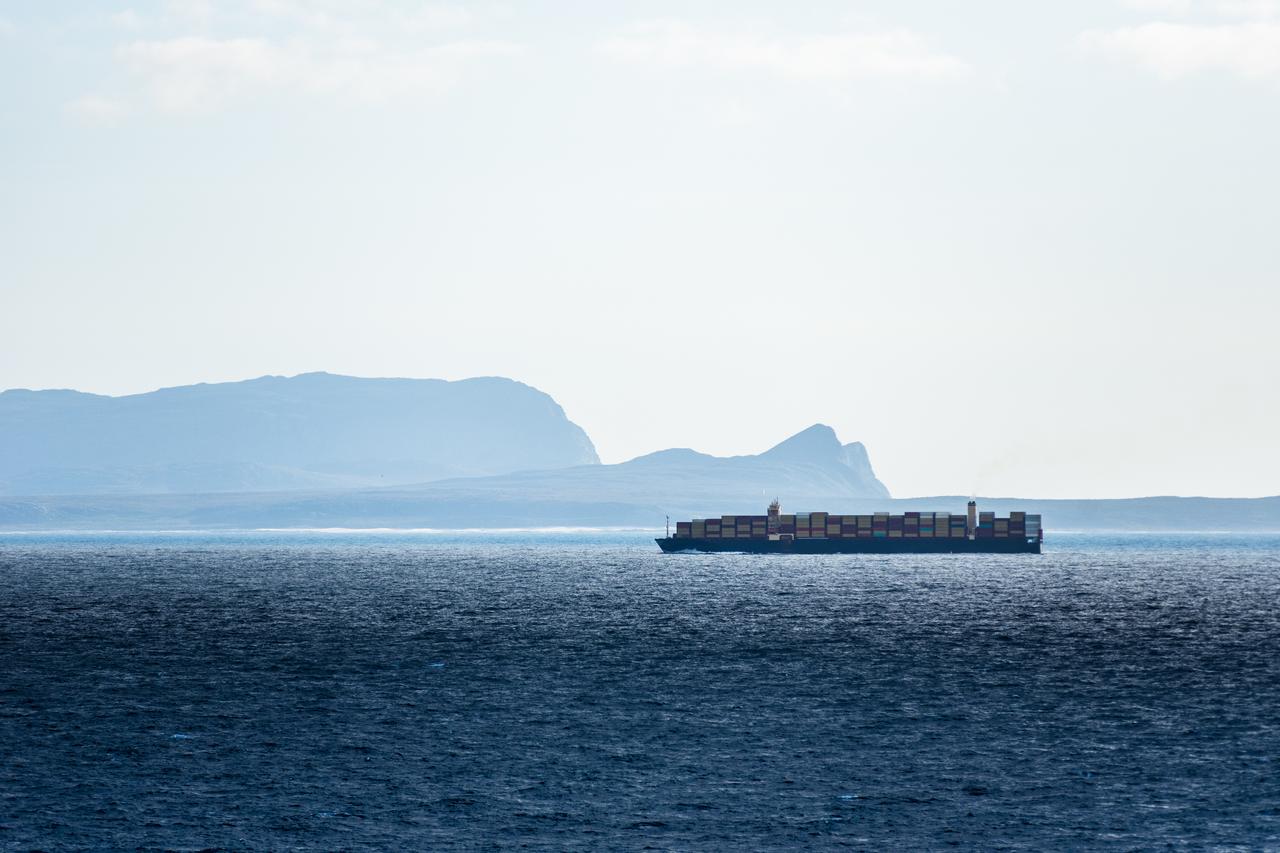
It still fits. The tears today are economic rather than personal, but the logic is the same. Between 12% and 14% of all global trade flows through the Red Sea annually—some 30% of container traffic, 40% of Europe-Asia trade, and roughly 4 million barrels of Saudi crude per day sailing out of Yanbu headed east. Close this gate, or even threaten to, and the entire circulatory system of the global economy reroutes around the Cape of Good Hope, adding 10 days of sailing, straining supply chains, and lighting a slow fuse under energy markets already under considerable strain.
Only five years ago, the United States was sanctioning Eritrea for war crimes. Today, Washington's envoys are flying to Cairo to meet its president and discuss lifting those same sanctions. The country hasn't changed anything, but the map around it has.
Which is why, while the world has been fixated on Hormuz and the escalating U.S.-Iran confrontation, Washington reportedly has been making a move in a place it paid almost no attention to, even though the idea may have occurred to it only after it launched the war against Iran.

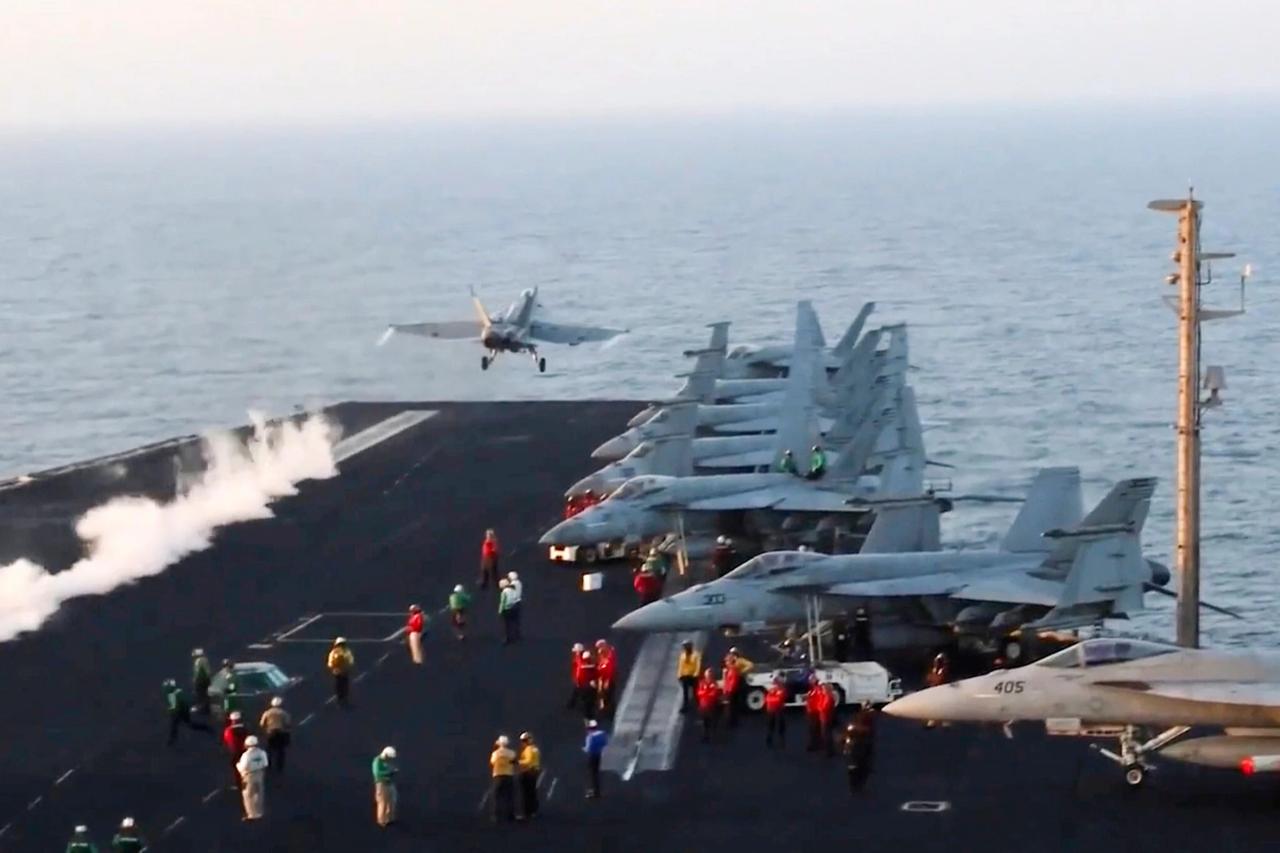
A 100,000-ton nuclear-powered aircraft carrier—the USS George H.W. Bush—recently sailed all the way around the African continent to reach U.S. operations against Iran, rather than risk the shorter route through the Red Sea.
Though coded as a precaution, a U.S. carrier strike group circumnavigating an entire continent to avoid a strait looks more like an admission. That admission arrived in the second month of the war, when the Trump administration began reviewing its sanctions regime against Eritrea.
The Red Sea sits at the western hinge of a maritime arc that runs from Suez down to Bab el-Mandab and east through Hormuz—the three chokepoints through which a staggering share of the world's oil, containers, and cargo pass every day. Right now, two out of those three are under pressure simultaneously. Iran understood this better than most.
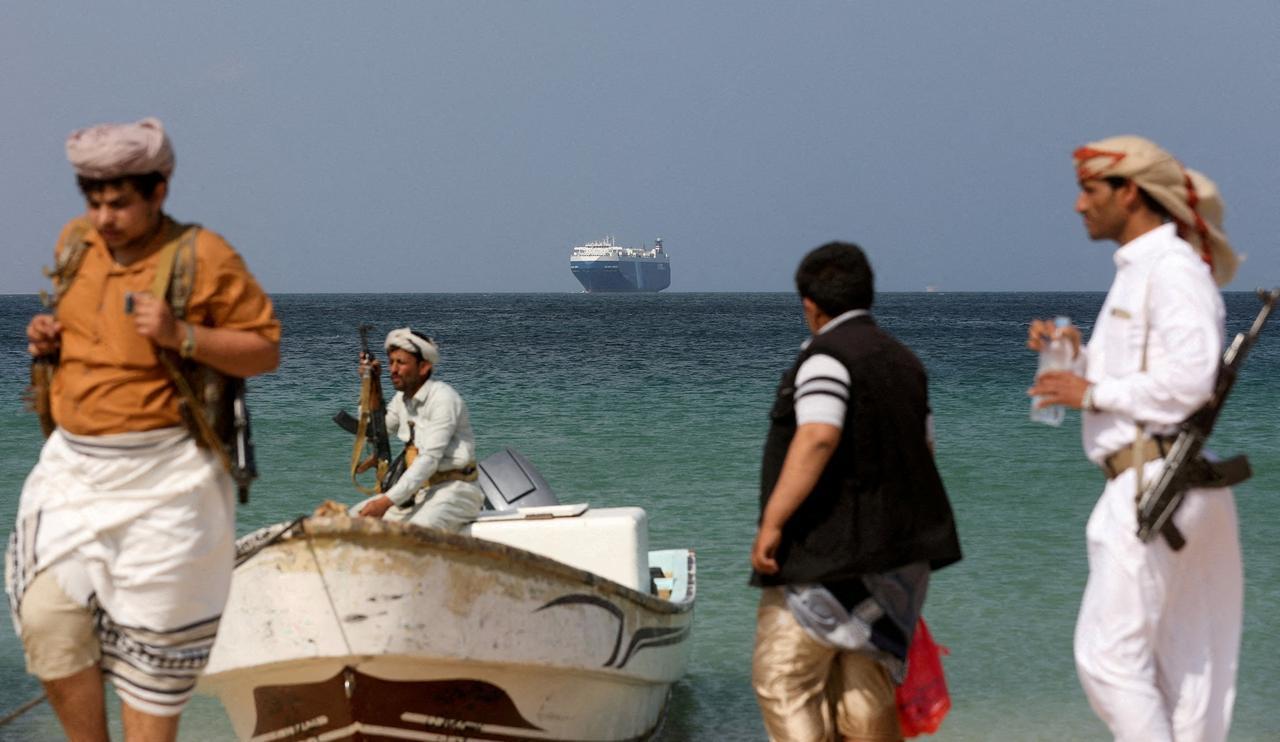
In 2025, the Trump administration launched a two-month air campaign against the Houthis after it targeted commercial shipping with missiles and drones. President Trump called it off in May after an ostensible Houthi commitment to halt attacks on commercial lanes. But then Iran's war with the U.S. and Israel intensified, the Strait of Hormuz moved toward closure, and the Houthi threat to reopen hostilities against Red Sea traffic came surging back with new credibility.
U.S. congressional commissions have taken to calling Eritrea the "North Korea of Africa," and it's not a particularly unfair comparison. Since the country gained independence from Ethiopia in 1993, President Isaias Afwerki has ruled without elections, without accountability, and without the slightest interest in Western approval.
Freedom House ranks Eritrea and North Korea side-by-side as the two most authoritarian states on the planet. U.N. experts have documented systematic torture, religious persecution, forced disappearances, and mandatory indefinite military service—men and women conscripted for entire decades of their lives. Thousands flee every year.
In 2021, the Biden administration imposed sweeping sanctions against Eritrea's ruling party, the People's Front for Democracy and Justice, its military leadership, and senior officials implicated in the Tigray war, where Eritrean forces were accused of summary executions and worse.
Then Afwerki did something unexpected: he congratulated Trump on his return to the White House and pivoted sharply toward Washington, signaling "mutually beneficial cooperation" in a tone that represented a near-complete reversal of Asmara's previous rhetorical posture toward the United States. The Trump administration—pragmatists above all—took the signal seriously.
While American rivals such as China, and indeed a number of middle powers, had spent years consolidating their presence across various corners of East Africa, Washington had elevated its own disengagement to something resembling policy. That posture was now beginning to crack.
Washington isn't looking for a democratic partner in Eritrea. It's looking for staging areas.
The problem with Djibouti, the current anchor of American military presence in the Horn of Africa, is that it has become something of a luxury resort for foreign militaries. Camp Lemonnier hosts U.S. forces. China's first overseas military base is also there. Some other powers, like France, Japan, and Italy, are all present in the same area. The strategic value of the location is obvious to everyone, which is precisely the problem: Washington operates cheek-by-jowl with Beijing's military in a country that is, by now, entirely saturated.
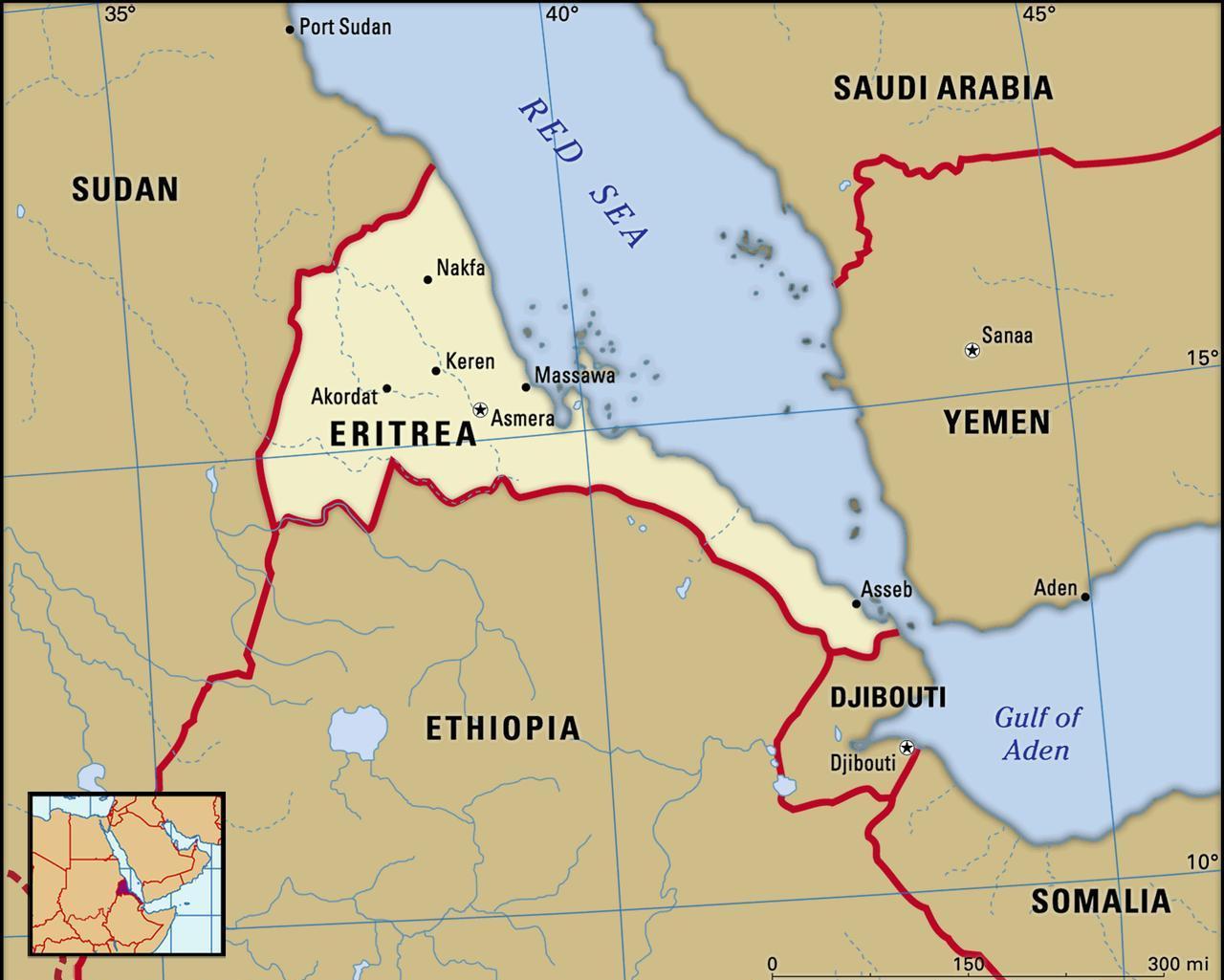
Eritrea seems to offer something different with a mainland coastline running up the African side of the Red Sea corridor, ports where ships can be refueled and repaired, runways from which drones can operate, and crucially, a location that isn't already shared with the competition.
The port of Assab in Eritrea, sitting roughly 120 kilometers from Bab el-Mandab, was used by the UAE as a military and logistical platform during the Yemen war until it was dismantled. Then there's the Dahlak Archipelago, 50 kilometers off the Eritrean coast, where the USSR ran a naval logistics point from 1977 to 1991, servicing warships across the Red Sea, the Persian Gulf, and the Indian Ocean. What Moscow found useful then, Washington is finding useful now.
The diplomatic machinery has been running in the background for months, mostly out of sight, before it gained the necessary speed.
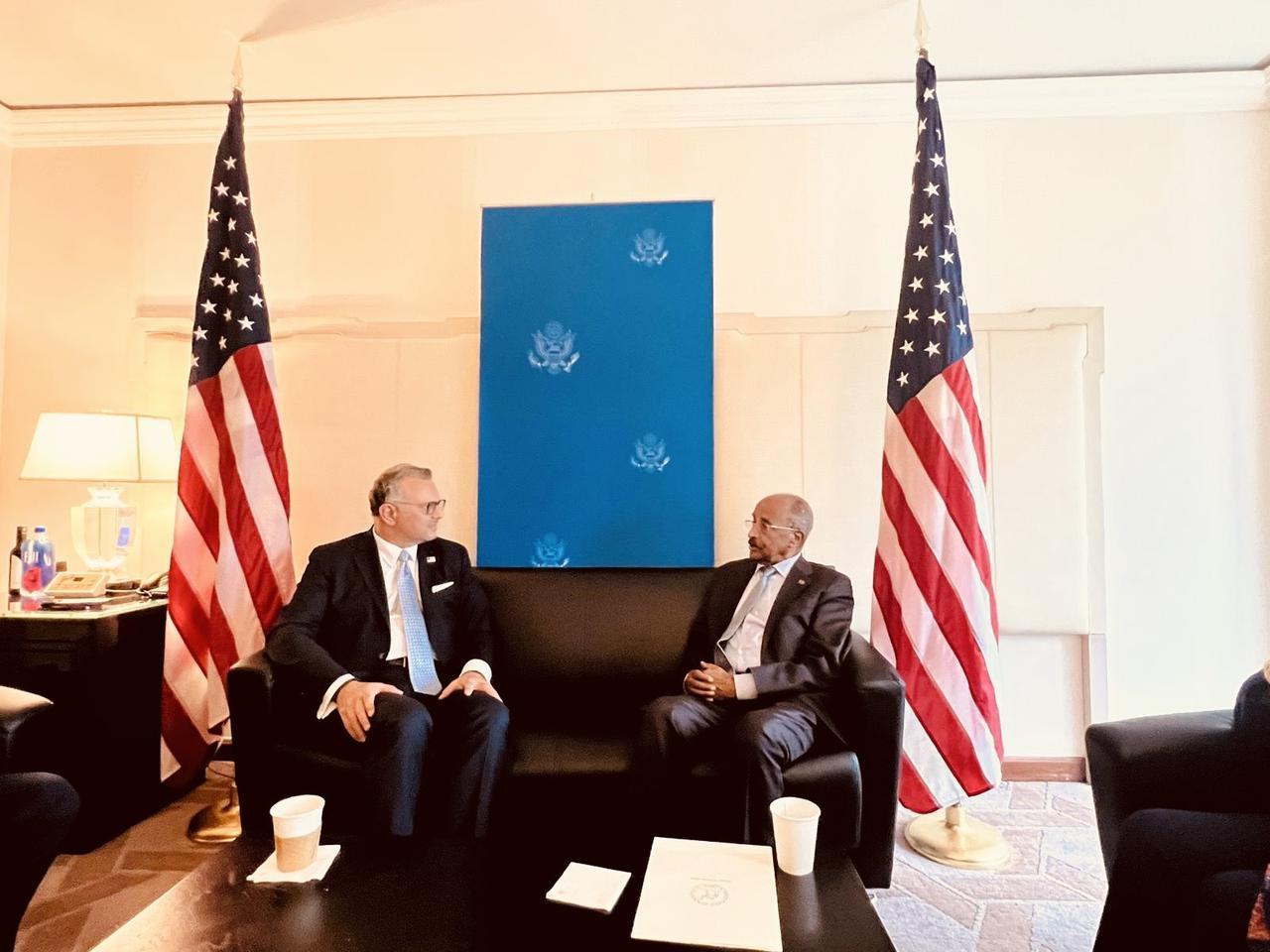
In September, Trump's special envoy for Africa, Massad Boulos, met with Eritrean Foreign Minister Osman Saleh Mohammed in New York on the sidelines of the U.N. General Assembly. Then, late in 2025, Boulos met directly with Afwerki himself in Cairo. In April of this year, he returned to Cairo to meet with Egyptian President Abdel Fattah el-Sisi and reportedly informed him that the lifting of sanctions on Eritrea was imminent.
Egypt's role as intermediary deserves more attention than it typically receives. The war in Iran and Red Sea disruption have cost Cairo somewhere in the range of ten billion dollars in lost Suez Canal revenues. But Cairo's interest in Eritrea runs deeper than that.
Ethiopia inaugurated the Grand Ethiopian Renaissance Dam last year and has made no secret of its hydropower ambitions on the Nile, which is, for Egypt, an existential threat. Cairo followed the historic Eritrea-Ethiopia antagonism to apply pressure on Addis Ababa.
Eritrea, whose leadership reads Prime Minister Abiy Ahmed's public assertions of a "right to sea access" as barely coded territorial aggression, is a willing participant. It’s only recently that Washington became involved by backing Eritrea and siding with Egypt, even if it is not saying so publicly.
According to a Reuters report, an internal State Department document showed the U.S. has " repeatedly communicated to Ethiopia" that it opposes any attempt to acquire sea access by force.
The critics of this logic are not hard to find. Cameron Hudson, a former U.S. intelligence and State Department official who tracks the region, finds the move unprecedented: "Normally, when we lift sanctions, the country has done something to merit it. It is the exact same militarized, autocratic state that it has been since 1993. If we are going to reward them with lifting sanctions then what are we getting for it?"
The regime in Asmara hasn't reformed, hasn't released political prisoners, and hasn't meaningfully altered the conditions that produced the sanctions in the first place. What it has done is sit on a strategically critical coastline at exactly the moment when the United States needs more options than it currently has.
The regional consequences deserve an honest accounting. A Washington-Asmara alignment—however transactional—gives Afwerki external cover and arguably emboldens a government that does not need encouragement to be more aggressive. The dynamic that the United States is counting on to stabilize the Red Sea corridor may be precisely the dynamic that ignites the Horn of Africa.
The Gate of Tears hasn't changed much in a thousand years. The winds are treacherous, the currents are punishing, and the people navigating them—sailors and diplomats alike—are still placing bets they hope they won't regret.


 Set as preferred source
 Set as preferred source


 1 min read
 1 min read