Newsletters


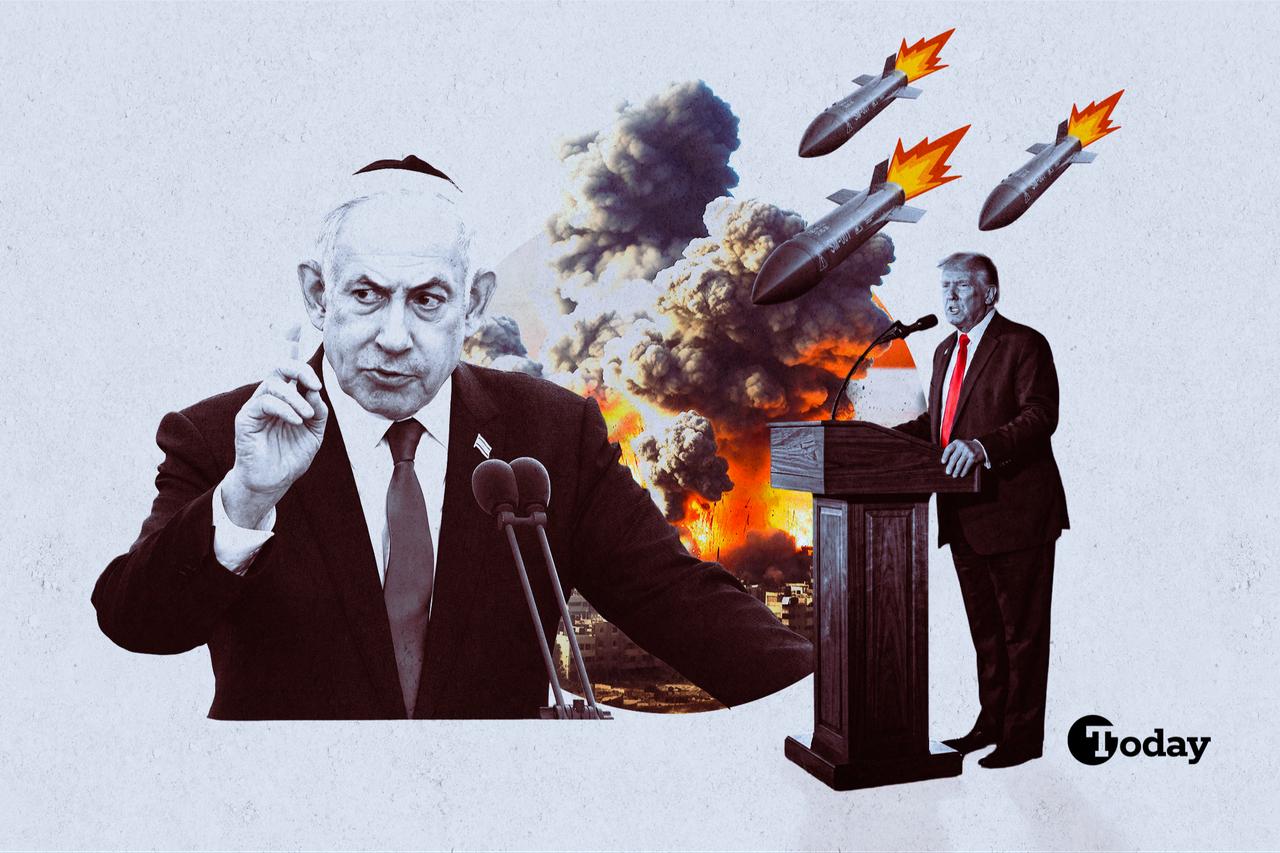


There is a particular elegance to declaring an outcome before it has fully materialised. It simplifies the narrative, if not the reality. The U.S. President's PR team and long-time media network try hard to spin Ali Khamanei's death as regime change, and the Iranian navy's destruction as a major military win.
The U.S.' strategic goals declared on Feb. 28 were not met, and Trump looks cornered politically, as the Iran war stains his legacy inside core MAGA groups. Listening to Israeli Premier Netanyahu and his allies in Trump's close circle is costing him politically, as he is likely to turn to other allies in the region.
The war with Iran has accelerated a realignment of Trump's alliance relationships across the Middle East and Europe, one in which silence is being recorded and, by some accounts, will be remembered.
On Tuesday, Trump made that calculus explicit, warning allies that the United States "won't be there to help you anymore, just like you weren't there for us," while simultaneously signalling which partners are being rewarded.
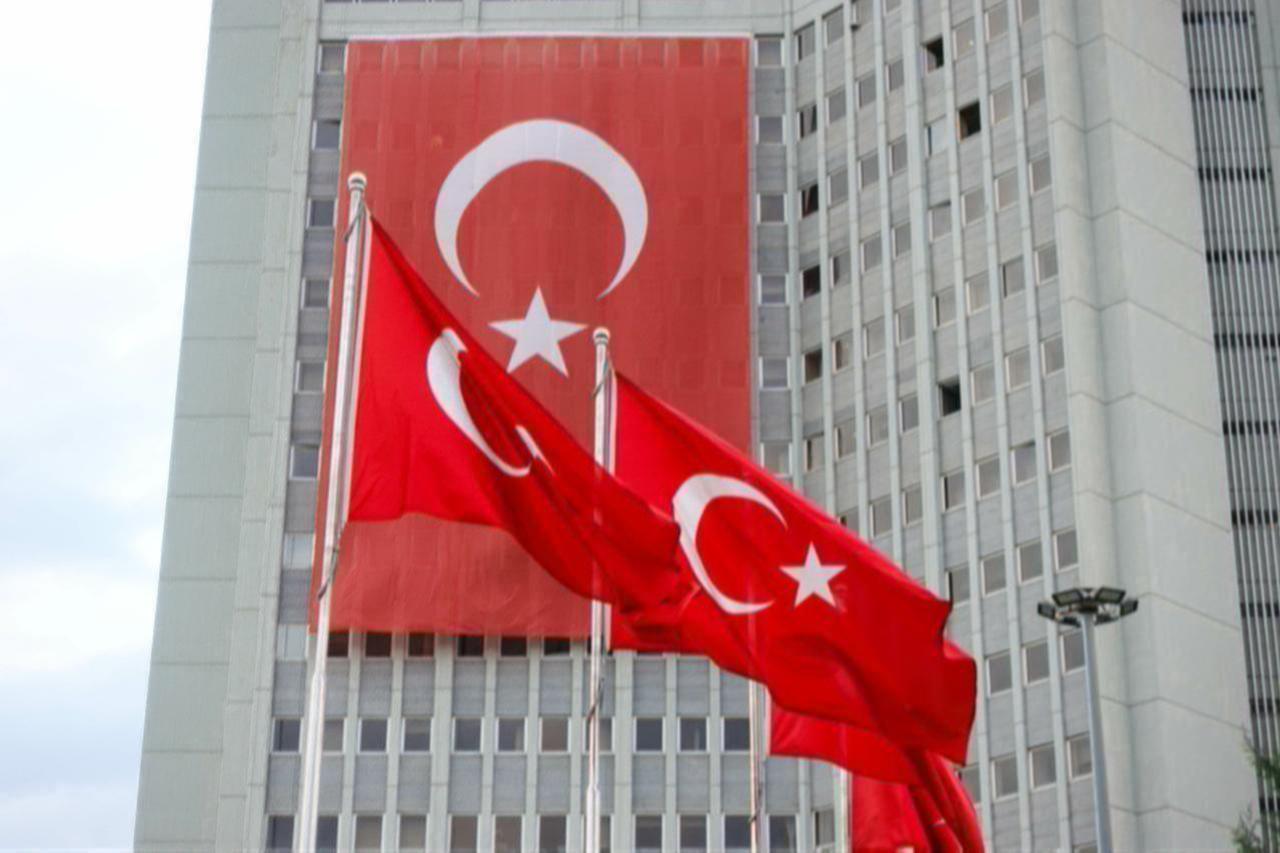
Among those, Türkiye has emerged as a notable constant. As the conflict compresses timelines and narrows options, Ankara’s positioning as intermediary has gained weight. The shift is visible not rhetorically but in the redistribution of military support, suggesting that in a conflict defined by uncertain outcomes, utility may matter more than alignment.
The war has widened existing fractures between the United States and its traditional allies, particularly in Europe, where governments have grown increasingly wary of becoming entangled in a confrontation they did not initiate.
“Trump and most of the European allies have been quibbling since his first term, when he chided them, with some validity, for not spending enough of their GDPs on defense,” Ivan Eland, senior fellow and director of the Center on Peace and Liberty at the Independent Institute, told Türkiye Today.
“Now, after not notifying or consulting them about the attack on Iran, they are reluctant to help the United States undertake the dangerous and expensive mission to open, and keep open, the Strait.”
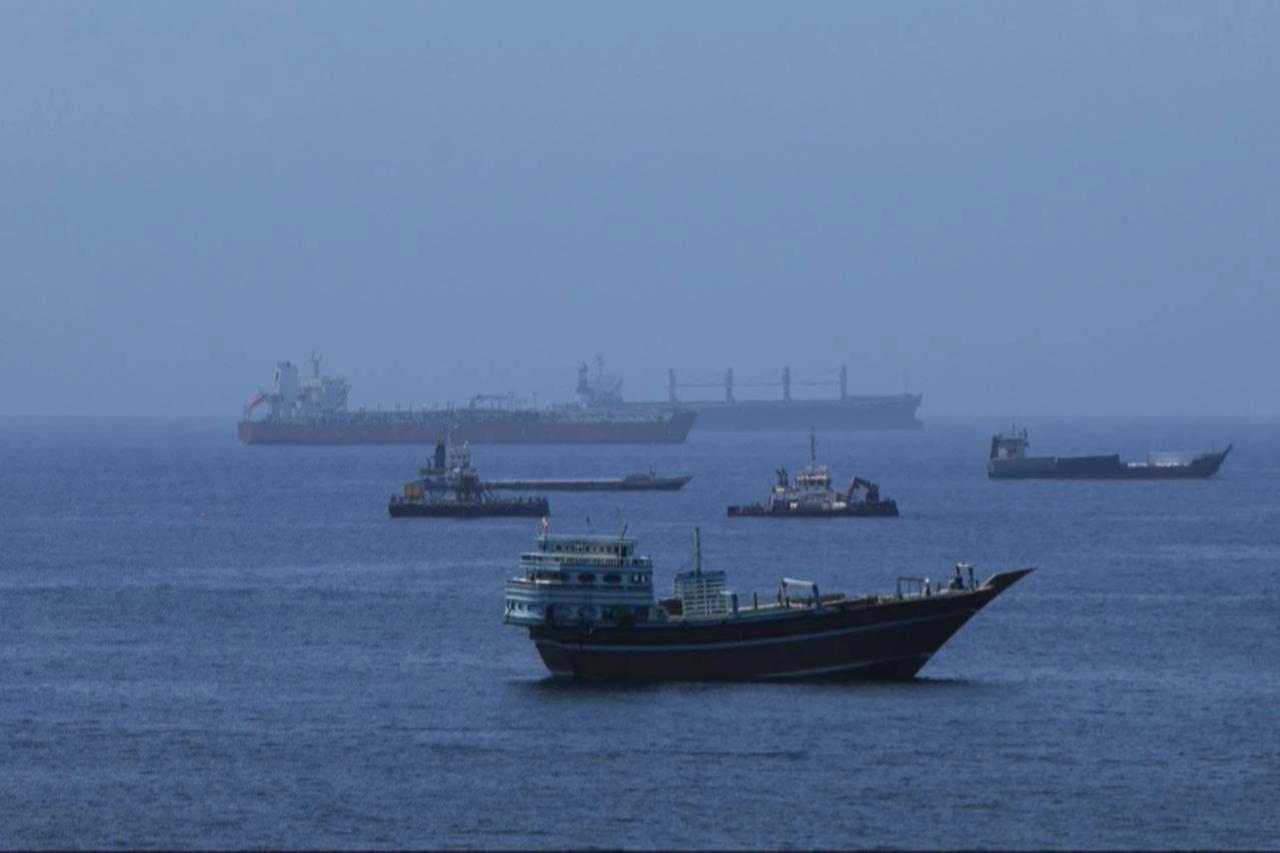
European governments were not merely excluded from deliberations over the Iran strikes; they were presented with a fait accompli. The consequence, Eland argues, is directly material: Washington now lacks the coalition support it needs to sustain pressure on the Strait of Hormuz. "Trump now wants them to 'go get their oil' by opening or going through the Strait of Hormuz themselves," Eland said.
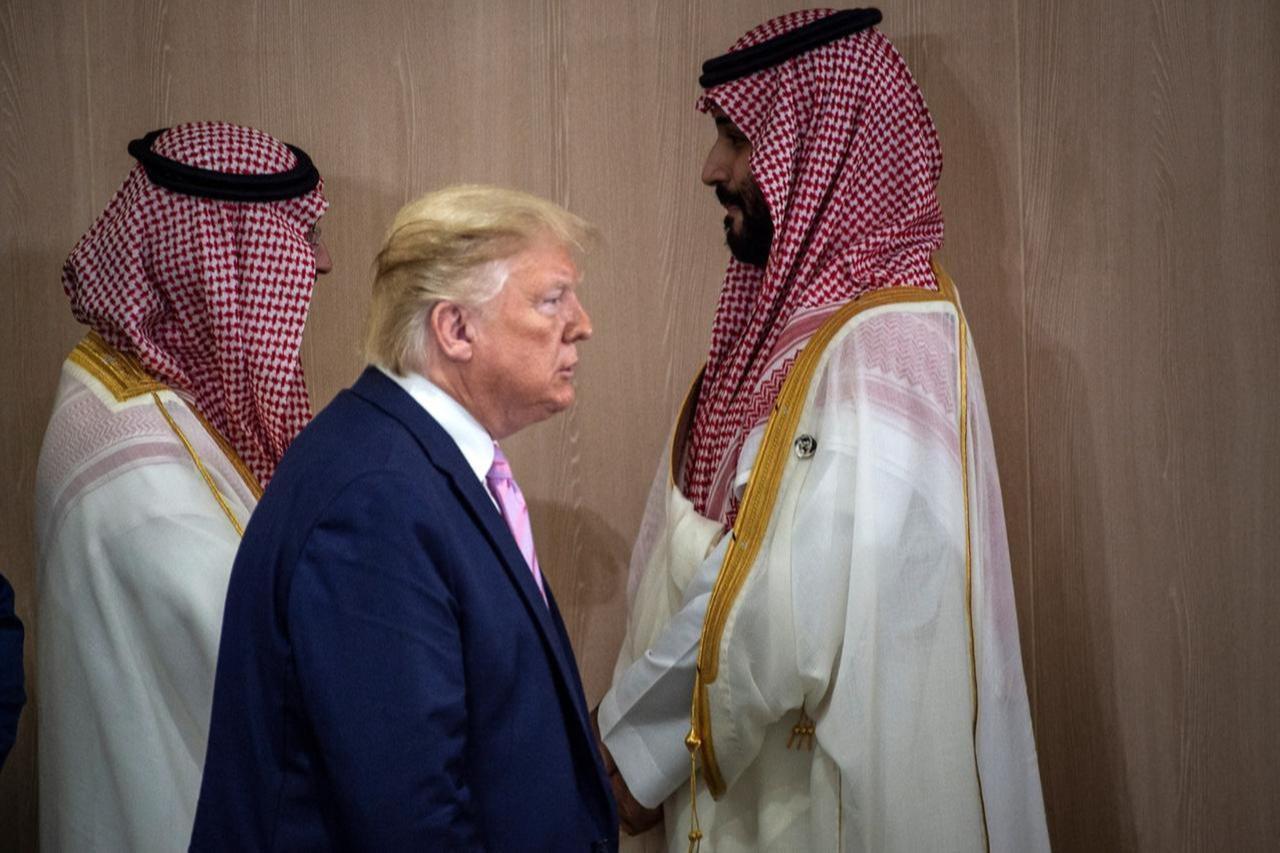

If European allies are reluctant partners, Gulf states face a more immediate dilemma. Many governments in the region initially viewed the confrontation with Iran as a crisis generated elsewhere, one that they were compelled to manage rather than one they sought.
“There is a wide perception among key U.S. allies in the region, especially in the GCC, that this war is not their war, that they were dragged into it by the United States, which was dragged into it by Israel,” Merissa Khurma, chief executive of AMENA Strategies, speaking to Türkiye Today.
The perception reflects a long-standing strategic calculation among Gulf monarchies: maintaining economic growth while insulating themselves from the region’s persistent geopolitical rivalries. That assumption is now under pressure as Iranian retaliation expands across the region.
“However, now that they are under attack, there is more coordination with Washington in order to ensure that Iran will no longer pose a threat to them,” Ms Khurma said.
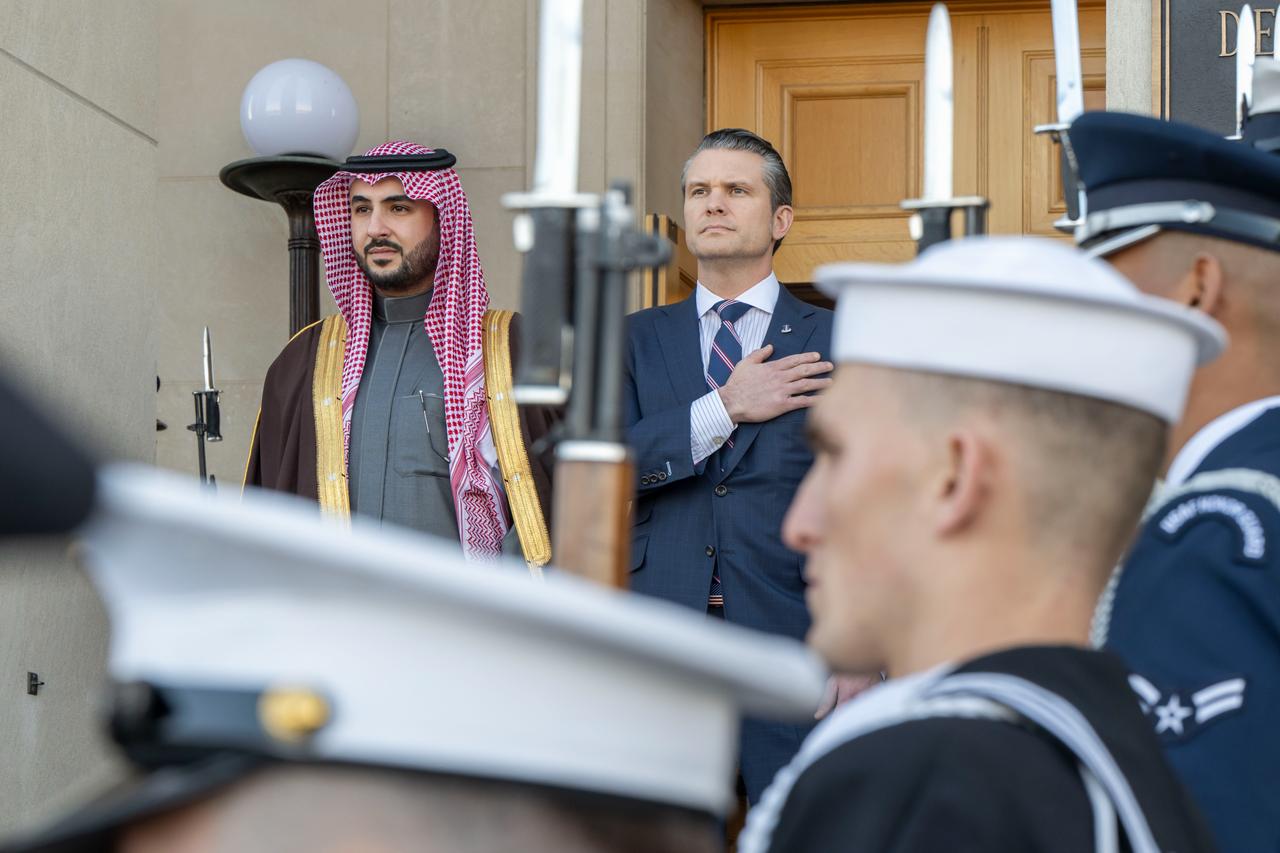
The shift from reluctance to coordination highlights the paradox facing Gulf states. While wary of escalation, they remain dependent on U.S. military protection, particularly missile defense systems, intelligence sharing and naval presence in the Gulf.
At the same time, the conflict is prompting a broader rethink of the region’s long-term strategic framework. “Many countries are already talking about a reassessment of the security architecture across the region,” Ms Khurma said.
Such discussions remain preliminary, but analysts say they could influence everything from defence cooperation arrangements to economic diversification strategies across the Gulf.
Against this backdrop of strained alliances and regional uncertainty, Ankara has found itself in an unexpectedly advantageous position as it maintains working relationships with every party involved.
“Trump badly needs friends now and Türkiye has constructive relations with both the U.S. and Iran,” Mr Eland said. “Personally, Trump gets along with Erdogan well, and Türkiye is acting as a back-channel intermediary between the two warring nations.”
The role reflects Türkiye’s longstanding strategy of maintaining diplomatic flexibility across competing geopolitical blocs. A NATO member with deep economic ties to Europe and security interests in the Middle East, Ankara has repeatedly positioned itself as a mediator in regional disputes.
Khurma said the war is likely to push Washington and Ankara closer together, at least temporarily.
“There are some areas of cooperation and there are some tensions,” she said. “But right now, the impact of the war probably focuses more on the cooperative side.”
If Türkiye were to facilitate a ceasefire or de-escalation agreement, the diplomatic payoff could be significant. “If there is success in brokering a ceasefire, of course, Ankara will get credit for it,” Khurma added.
The potential reward is not merely reputational; it lies in long-term alignment with U.S. objectives.
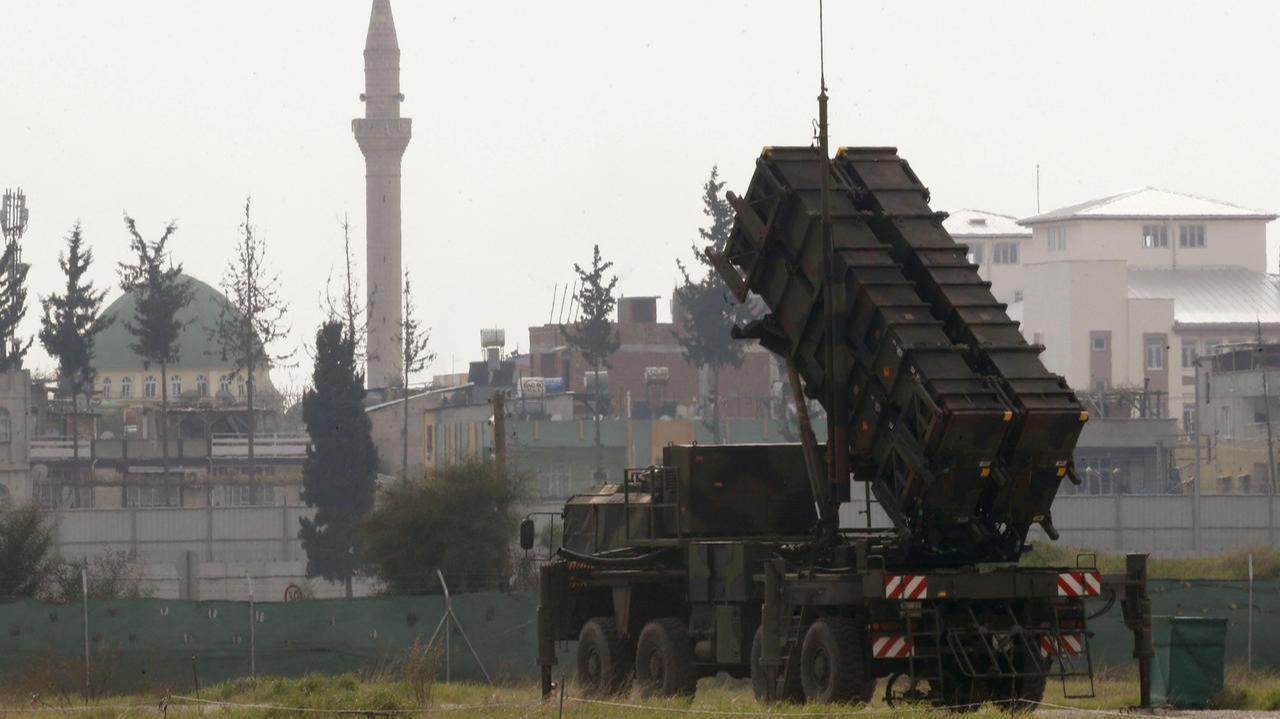
Events on the ground in the past month are already highlighting Türkiye’s strategic value to the United States and NATO.
U.S. naval assets have reportedly defended Turkish airspace against Iranian ballistic threats using SM-3 interceptors, systems that cost between $10 million and $28 million per unit, according to U.S. defense data.
At the same time, NATO has reinforced Türkiye’s air defenses. Ankara announced on March 18 that an additional MIM-104 Patriot system would be deployed in Adana province, supplementing the existing Spanish systems. This level of reinforcement stands in contrast to the more cautious posture adopted toward other American partners.
The difference between the Trump administration’s rhetoric toward Europe and Türkiye’s stance lies not so much in Trump himself as in the way U.S. foreign policy operates, according to the retired U.S. Marine Corps officer and lawyer Haytham Faraj.
Faraj argued that U.S. policy in the Middle East has long been guided less by ideology than by geography and resources. “The U.S. doesn’t care about the relationship as much as it cares about the region,” he said. “The region is strategic because of the resources and because it allows the U.S. to impact events across a wide area.”
That logic, he suggested, explains why Washington continues to invest heavily in regional bases and alliances regardless of shifting political dynamics.
“The U.S. needs Türkiye way more than Türkiye needs the United States,” Faraj said. “Türkiye is the closest to Russia that the United States has influence over.”
From that perspective, Türkiye’s geographic position, bridging Europe, the Middle East and the Black Sea region, makes it indispensable to American strategic planning.
“If U.S. planners are thinking ahead, they’re probably realizing that Türkiye is capable of leading the region in a direction away from constant wars and instability,” Faraj said.
The partnership between Trump and Erdogan, who have managed to work together effectively so far, has the potential to reach a new level as the war in Iran unfolds, especially when set against European hesitation and Gulf uncertainty.


 Set as preferred source
 Set as preferred source


 2 min read