Newsletters




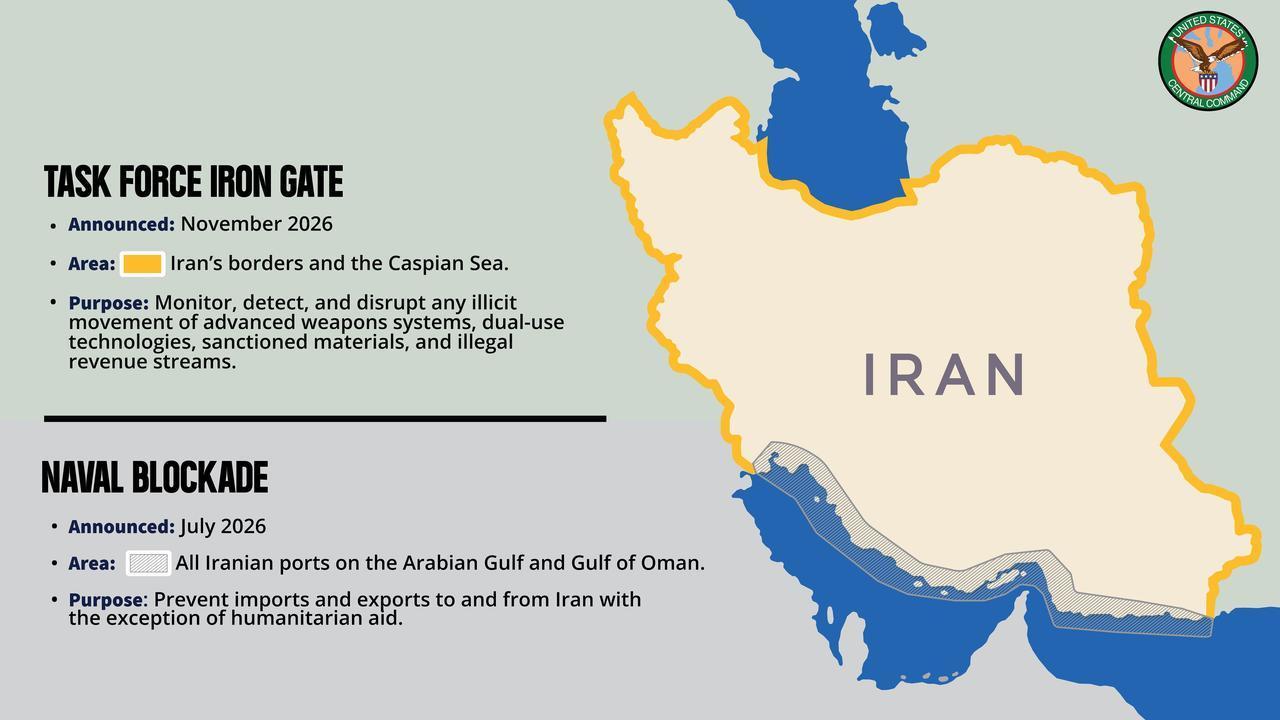
Iran loaded no crude in September or October. The U.S. naval blockade, announced in summer, covers every Iranian port on the Gulf and the Gulf of Oman, and CENTCOM says it has kept more than $25 billion in oil from leaving.
A country that cannot ship by sea still has to buy and sell. Iran did $42 billion of non-oil trade with eight land and Caspian neighbors in 2024-25, and none of it needed a Gulf port. It goes by road and across the Caspian.
On Saturday, Washington’s answer took the form of about 20 civilian and military staff in Tampa, Florida. The team is called Task Force Iron Gate. A gate is only useful where there is a wall, and this one has a map.

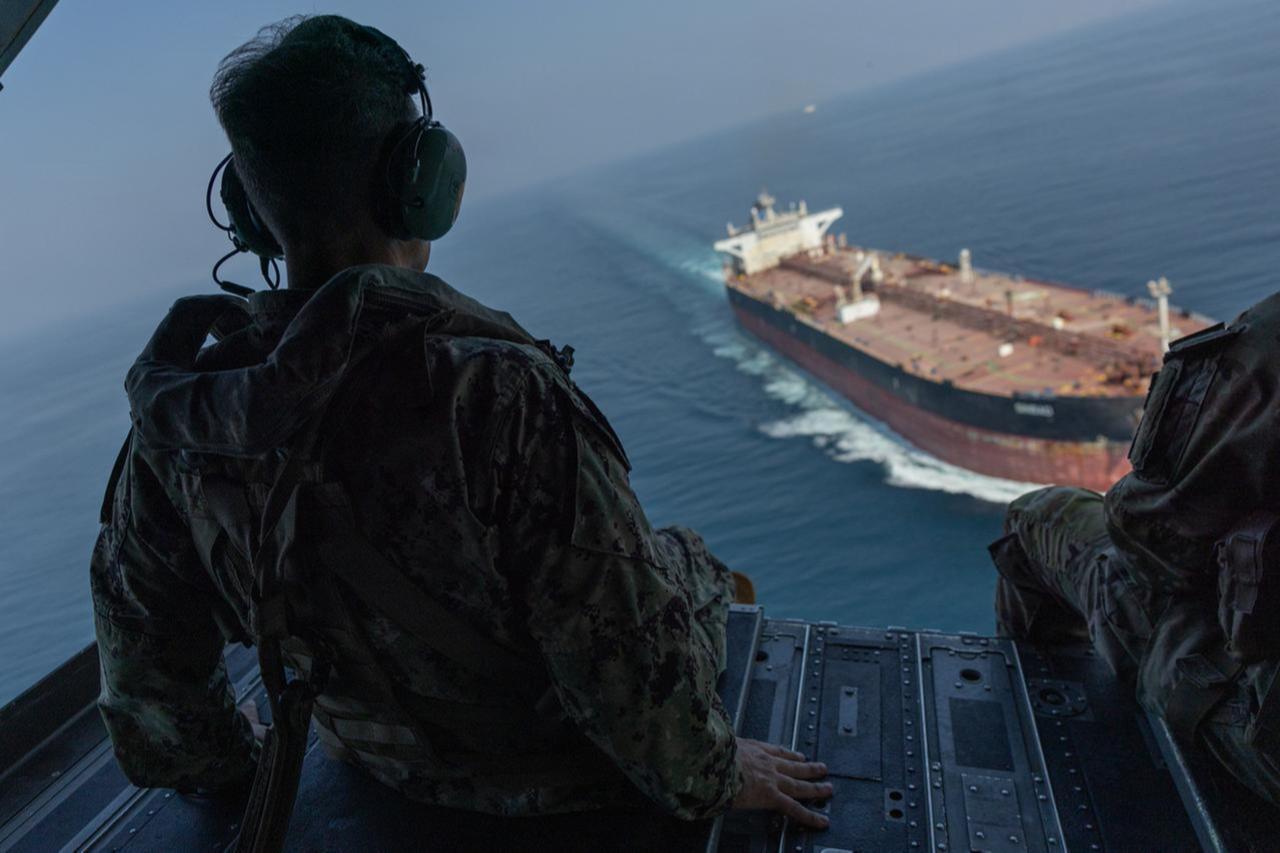
On Oct. 25, CENTCOM released a photo of its commander, Adm. Brad Cooper, in a CH-47 Chinook over the Strait of Hormuz, watching a commercial vessel pass below. Two weeks later, he directed the formation of Iron Gate.
According to CENTCOM, the team will “monitor, detect, and disrupt” illicit movement of advanced weapons systems, dual-use technologies, sanctioned materials and illegal revenue streams across Iran’s borders and the Caspian Sea. Cooper described it as a reinforcement of the “ironclad blockade” at sea.
The timing has a second logic. Iran says it will reopen Hormuz only if the blockade is lifted. Talks are moving through Qatar, which sees possible “good news” soon, and Tehran has denied a reported $8 billion deal. The blockade is at full strength and is also the one thing Tehran is asking Washington to remove. New pressure has to come from somewhere else.
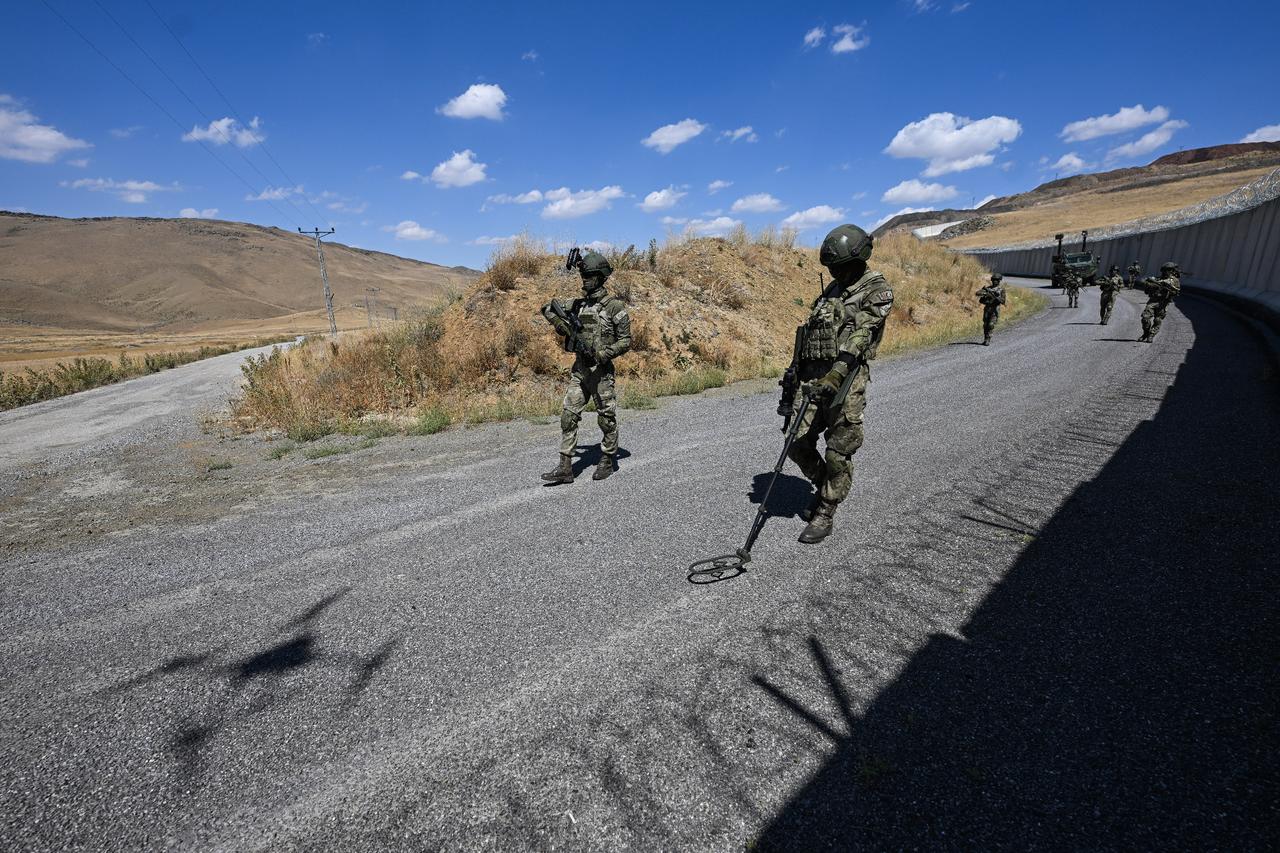
CENTCOM did not say which crossings or neighbors the task force will focus on. Its graphic lists Iraq, Türkiye, Armenia, Azerbaijan, Pakistan, Afghanistan and Turkmenistan without putting the names of the countries.
Twenty staff in Tampa cannot patrol seven borders and a sea, and the command’s statement does not claim they will. The work it describes is coordination with other U.S. agencies.
Brett Erickson, a financial crimes expert and managing principal at Obsidian Risk Advisors, told Türkiye Today the task force will likely involve diplomatic pressure on neighboring countries and better identification and documentation of individuals and companies, so that sanctions can be enforced more aggressively.
The result he expects is higher shipping and logistics costs, passed on to Iran’s economy.
Danny Citrinowicz, an Israeli national security and intelligence expert, reaches a similar place from another direction. Writing on X, he says that Iran has smuggling networks and decades of practice at getting around sanctions, and the United States “cannot simply seal Iran off from the outside world.”
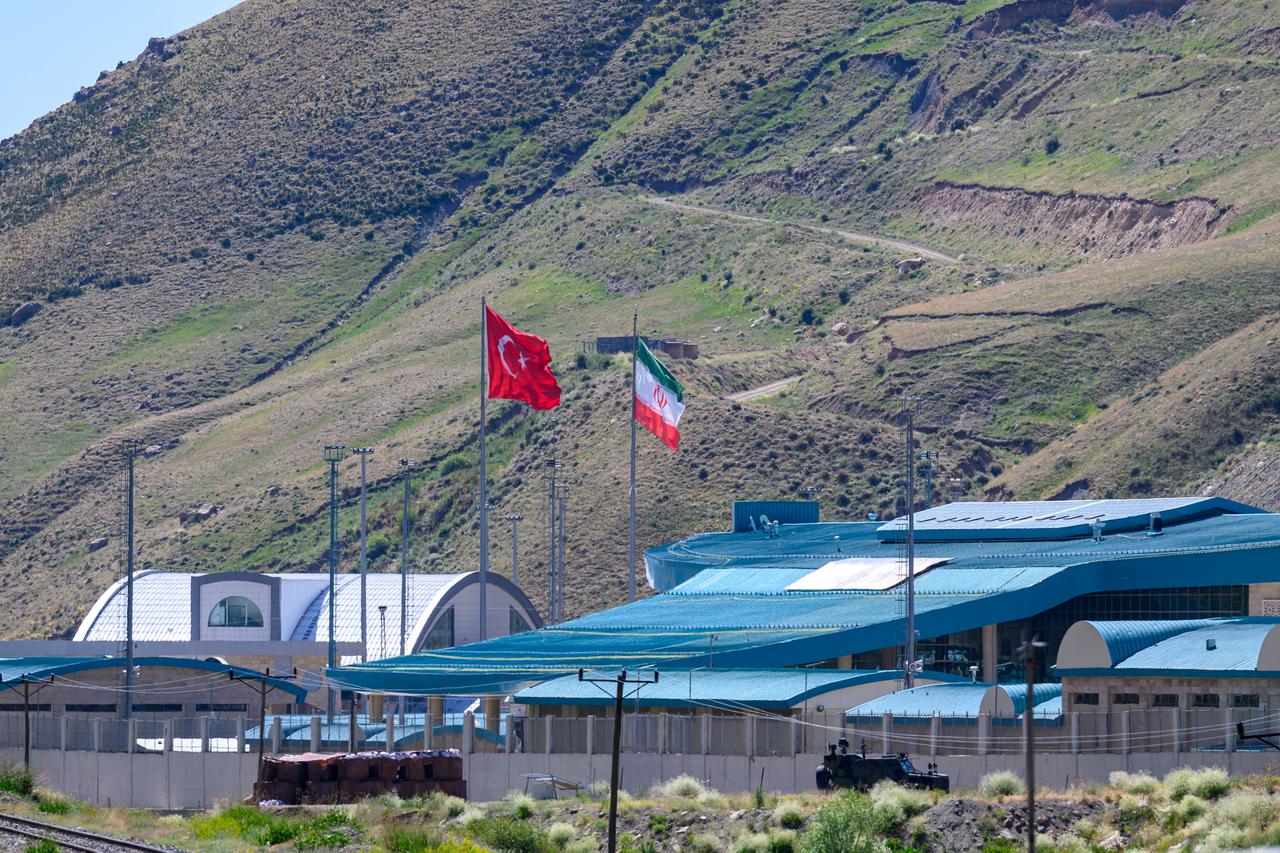
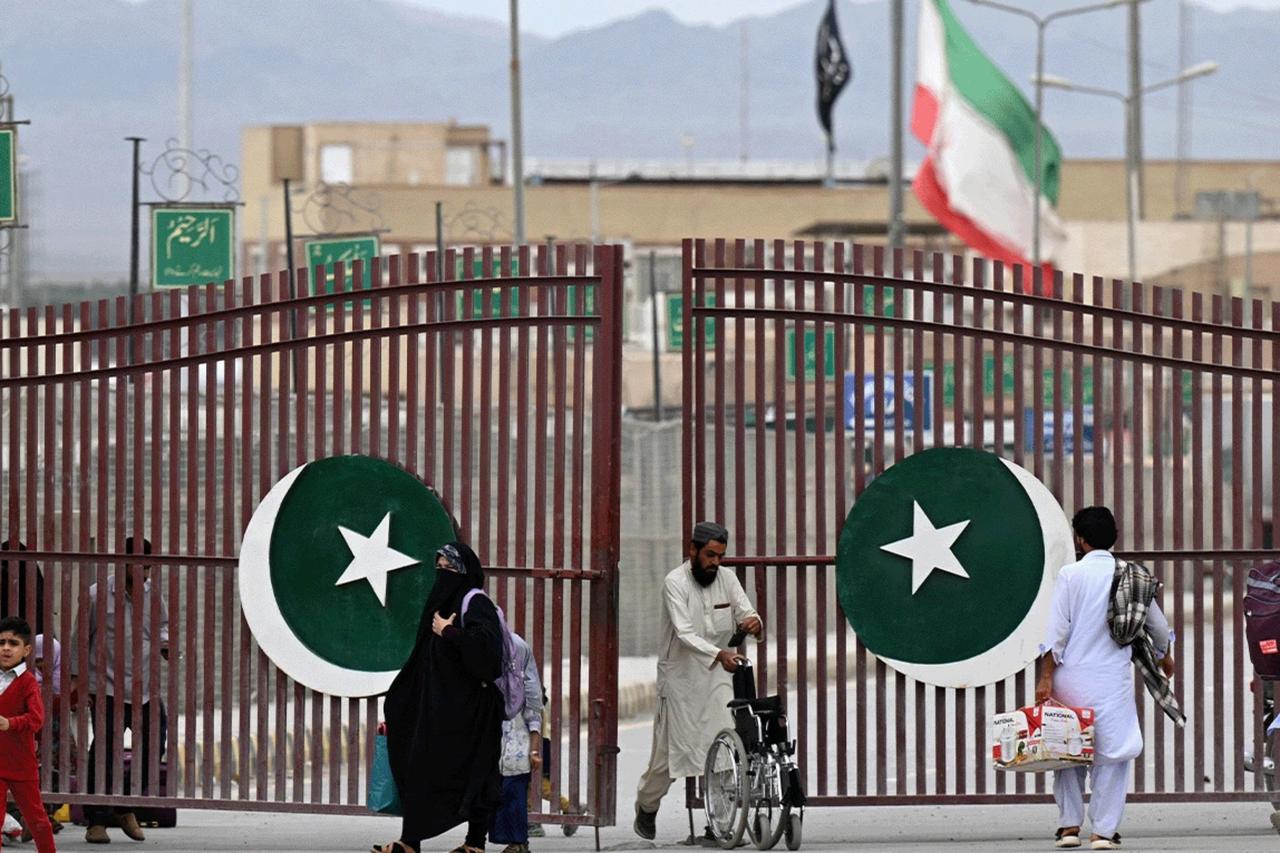
The 2024-25 figures show where a closed gate would matter: Türkiye $19.4 billion, Iraq $12.5 billion, Pakistan $3.1 billion, Afghanistan $2.5 billion, and Russia $ 2.4 billion, mostly across the Caspian.
Türkiye and Iraq carry three of every four dollars. Whatever Iron Gate achieves, it will be decided at those two borders.
Baghdad has already been asked. According to Iraq’s foreign minister, Hussein, the U.S. Treasury wants Iraq to close all but two of its crossings with Iran, one of them in Kurdistan, Iraq’s northern region. Hussein said closing them all “would be difficult” for Iraq’s economy.
The numbers explain the difficulty. Iraq trades $12.5 billion a year with Iran. Its own oil leaves through the Strait of Hormuz under a deal with the United States, and the country has absorbed $60 billion in war losses. Iraq is stuck between its trading partner and its protector.
Pakistan shows the pattern at a smaller scale. It halted trade at two crossings with Iran, and Tehran pointed to border security as the reason. No task force was needed; a neighbor made a decision.
Türkiye is the largest slice of the trade and the hardest to read. Last month, Türkiye Today reported that Washington is working with Ankara and Islamabad to seal Iran’s land routes.
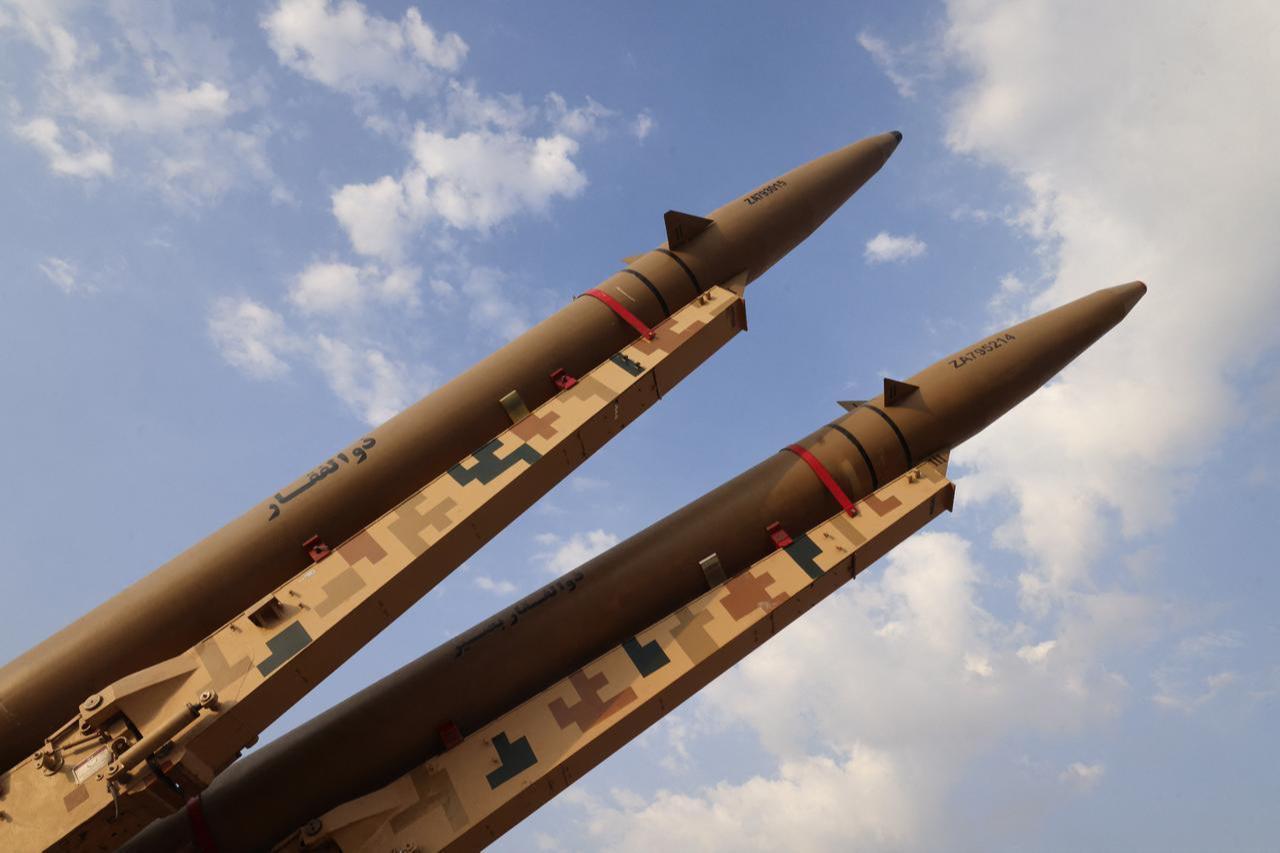
Citrinowicz’s objection is about purpose. Disrupting supply routes is “a tool, not a strategy,” he writes, and the more effective the pressure becomes, the likelier an aggressive Iranian response.
Tehran has shown it will absorb high economic costs to protect what its leadership treats as core security and ideological interests. His question for Washington is what political outcome all this pressure is supposed to produce, and whether that outcome is realistic.
Erickson questions the mission itself. He sees no convincing evidence that a task force can stop enough military equipment and components from reaching Iran.
In his reading, its main effect is to tighten the economic squeeze through higher shipping and logistics costs, and it could extend to cutting off certain essential goods, which would spread “fear and despair” among Iranians. He expects Tehran to answer with escalation.
The two assessments meet on one point. The stated targets are weapons and dual-use technology; the effects they both describe land on prices and households.
Of Iraq’s crossings with Iran, Washington has asked that two stay open, one of them in Kurdistan. Which two Baghdad chooses will show how far a 20-person task force and a diplomatic request can travel. Iron Gate supplies the gate; the wall belongs to the neighbors.


 Set as preferred source
 Set as preferred source


 1 min read
 1 min read