Newsletters


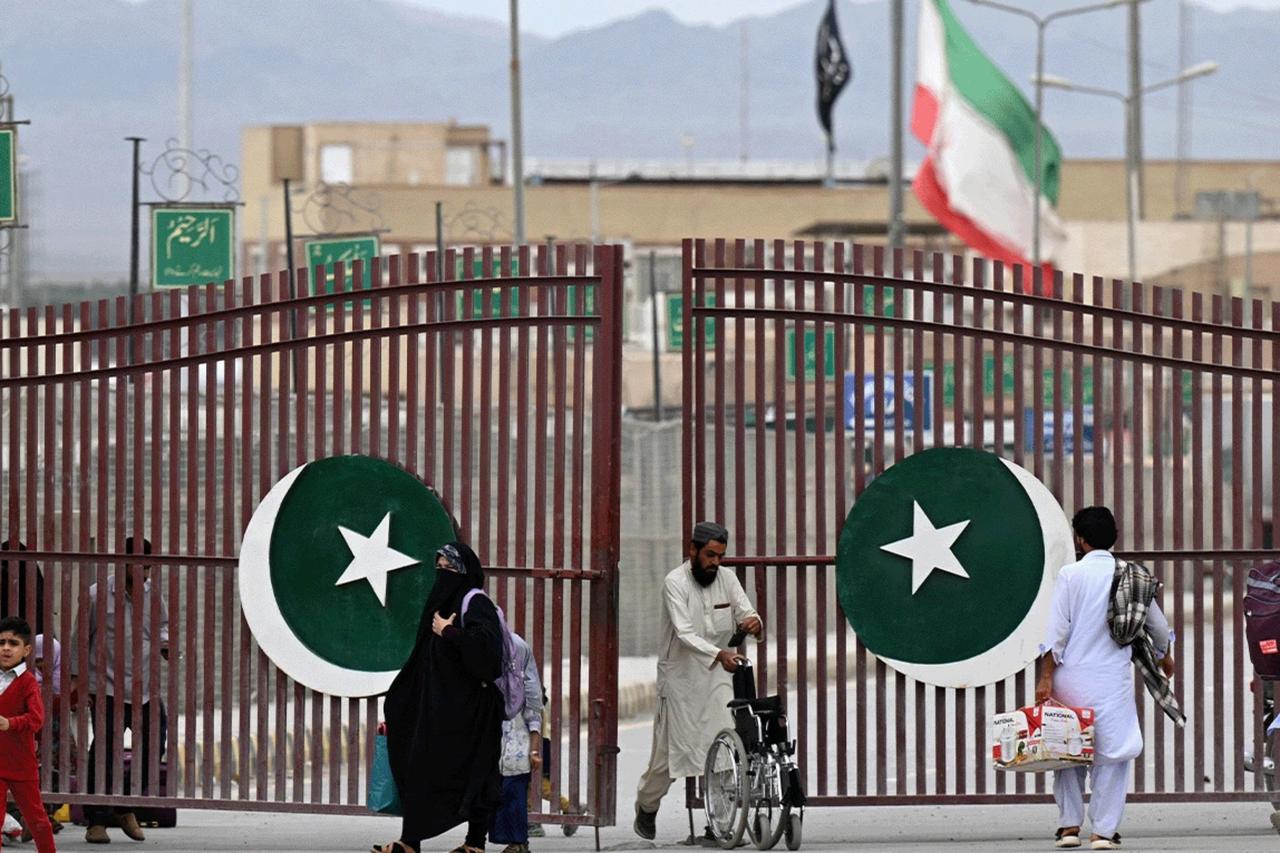


Trade between Pakistan and Iran has stopped at the Taftan and Gabd-Rimdan crossings in Pakistan's Balochistan province, with cargo stuck on either side.
The suspension surfaced Saturday as the Quetta Chamber of Commerce and Industry (QCCI) in the provincial capital said roughly 2,000 trucks had been left waiting on both sides.
Iran’s WANA news agency reported that passengers still cross at Gabd-Rimdan.
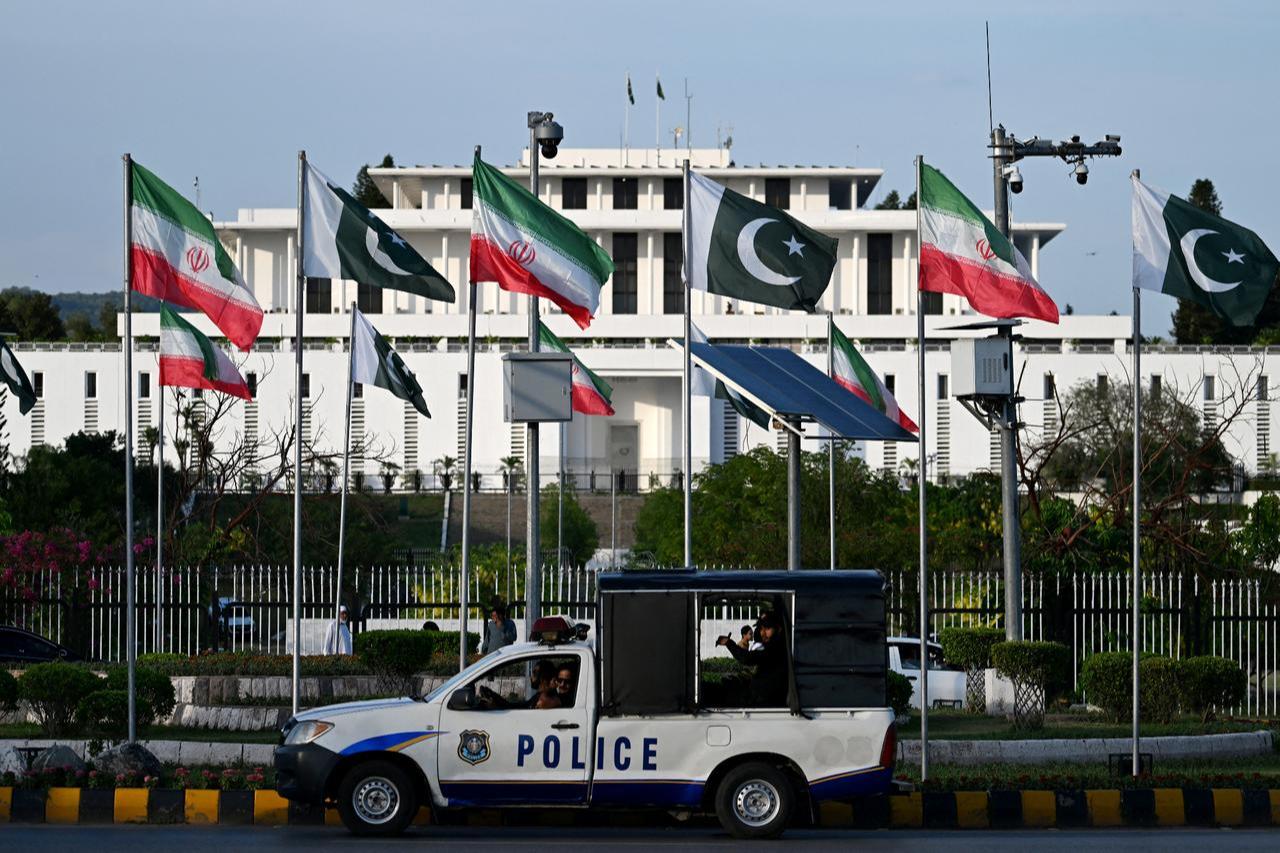

Bakhtiar Ismail, the deputy commissioner of Chagai district, home to the Taftan crossing, called the step a security measure.
"Pakistan-Iran border closure is a temporary measure to improve border management to support counterterrorism efforts. The border will be opened as soon as effective measures are in place," he stated in an X post Saturday.
Shahid Rind, who advises Balochistan’s chief minister on political and media affairs, posted on X the same day that the shutdown aims to tackle security worries, curb smuggling and make border management more efficient.
Iranian Foreign Ministry spokesman Esmaeil Baghaei offered another account.
"Due to certain technical issues and the necessity of implementing precautionary measures, cross-border movement and exchanges have been temporarily halted," he said, as reported by the IRNA state news agency.
When asked what the issue is and why the border has been closed, Baghaei said, "This is a long-standing issue. The issue of security on the eastern borders is not a recent one; it has always been on our agenda, both in our interactions with Afghanistan and in our interactions with Pakistan. All three countries know very well that security is a common and expensive commodity, and any laxity or complacency in dealing with security problems on either side of the border can spread insecurity to the other side. This common understanding, in my opinion, is very important."
"We pay attention to this issue in every conversation we have with Pakistani or Afghan officials, and good measures have been thought out, both with the Afghan and Pakistani sides. We hope that joint cooperation in combating terrorism will, Allah willing, prevent any insecurity-causing and terrorist acts in each of the countries," he added.
Imtiaz Baloch, an independent researcher in Quetta who studies Balochistan’s security landscape, said that factor may account for only part of the decision.
"Although Pakistani officials have cited security concerns, the decision to close the border appears to be motivated by broader strategic considerations, with security as a possible factor amid economic sanctions on Iran," he told Al Jazeera.
Iranian media reported Saturday that banking sanctions have "temporarily" halted exports to Pakistan, while shipments in the opposite direction continue.
Peyman Sanandaji, who chairs the Transportation Commission at the Tehran Chamber of Commerce, told Mehr News Agency that the shared land frontier stays open, dismissing reports of a crossing closure.
"Importers in Pakistan must file electronic forms via their country’s banking system to buy Iranian goods," he added.
Sanandaji stated that restrictions on Iranian banks complicate that procedure, causing trouble for exporters and importers on both sides.
Iranian purchases of Pakistani goods continue, though, he noted Saturday.
If the banking curbs persist, Iranian exports to Pakistan will effectively stay stopped, he warned.
Sweeping U.S. sanctions hit Iran’s banking sector, restricting transactions with its institutions and exposing foreign lenders that deal with sanctioned entities to American measures.
U.S. Treasury Secretary Scott Bessent said in an Oct. 9 interview that his country is waging what he called an "absolute isolation campaign" against Iran. "We’re working with Pakistan and Türkiye to cut off all the land routes," he added at Newsmax’s NPolicy Summit in Washington.


 Set as preferred source
 Set as preferred source


 1 min read
 1 min read