Newsletters




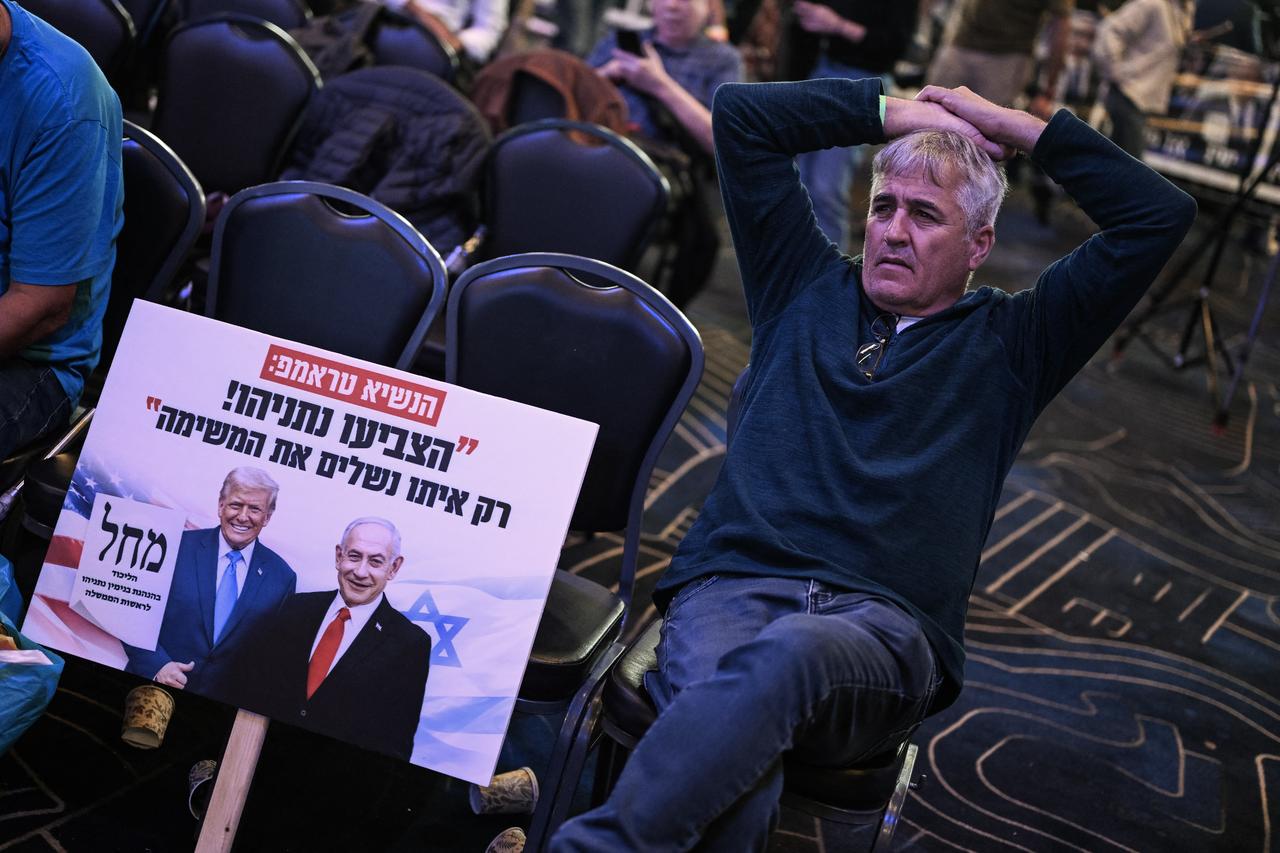
In the final hours of Election Day in Israel, right-wing activist Rene Gispan posted a video of herself in tears, saying, “You are sitting at home and they are uniting against us.”
Netanyahu’s account commented on it with a four-word instruction: hear what she has to say.
She claimed that the results would be celebrated in Gaza through tears and screaming.
What the video could not show was where the mobilization came from. No party called it, and no leader gave the order.
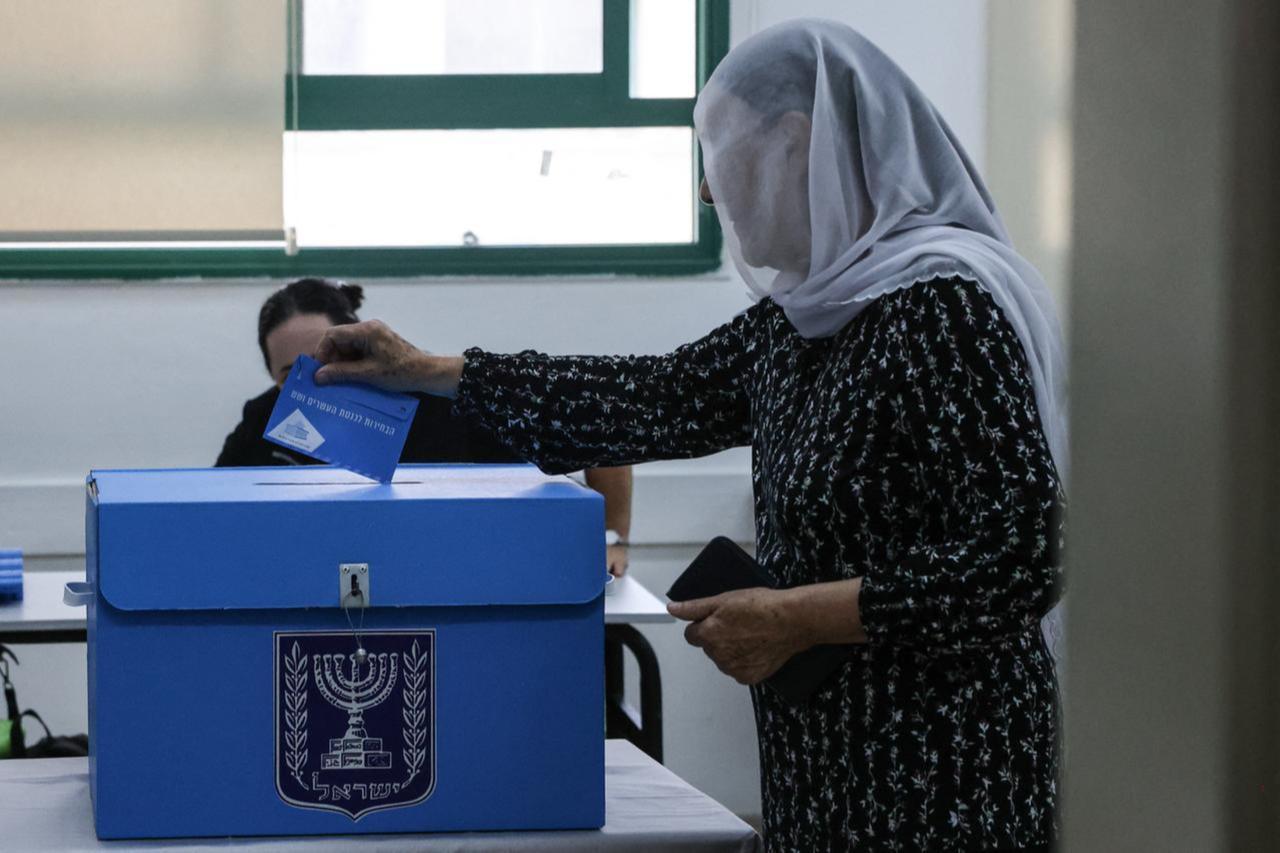
Arab Israelis, long divided over whether voting merely legitimizes a state that sidelines them, turned out as a grassroots movement, using the one tool they had left.
Why would a community that treated the ballot as recognition of someone else’s state suddenly line up for it? Most people think of Gaza, and it’s indeed influential, but the story touches directly upon the Arab society living in Israel.

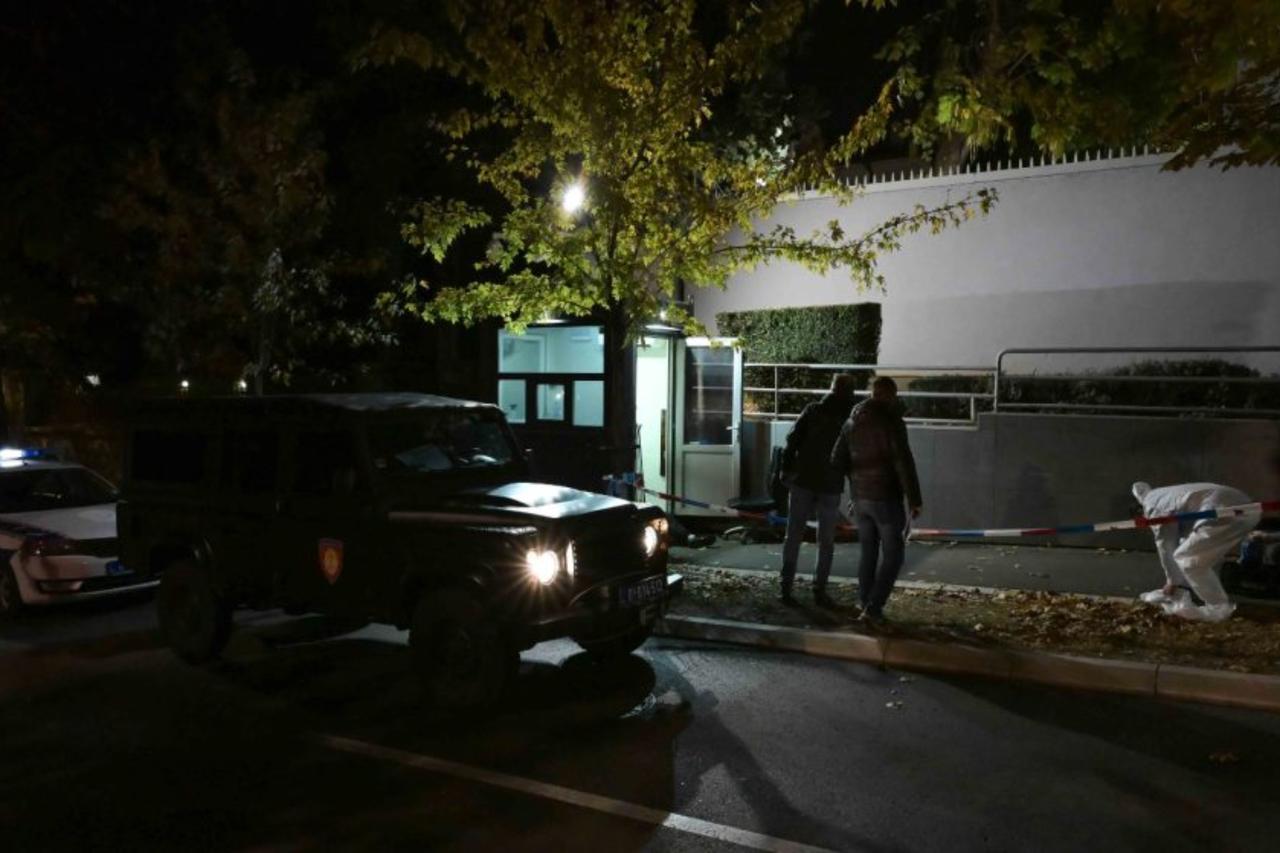
Start with the funerals. Murders in Arab communities reached a record 252 last year, about five times the toll among Jewish Israelis, according to the Abraham Initiatives. At least 175 more Arab citizens have been killed since January.
Arab Israelis accuse the police, answerable to far-right minister Itamar Ben-Gvir, of letting the gangs run. In a September Israel Democracy Institute poll, 54% of Arab citizens named crime as their top voting issue.
Then came the bulldozers. Authorities demolished around 80 structures in the Bedouin village of Al-Dahiya in the Negev, and families in Tayibe wait on frozen demolition orders.
In September, Jewish settlers tried to set up an outpost on land belonging to Majd al-Krum, and Finance Minister Bezalel Smotrich held a rally at the site. He has also promised to “Judaize” parts of the Galilee and Negev.
Muhannad Ayyash, a sociology professor at Mount Royal University, offers two numbers to explain the rest. In 2016, he said, nearly half of Israeli Jews favored expelling Palestinians from Israel. The share has since risen to 56%.
Smotrich and Ben-Gvir, he adds, have spoken in plain terms about wanting Palestinian citizens gone.
“We see an intensification of that discourse over the tenure of this government,” Ayyash says, “which is what made a lot of the Palestinians vote in great numbers.” They saw it, in his words, “as an existential threat, as a moment for survival.”
Two answers competed for the Arab vote. Mansour Abbas of the Islamist Ra’am party runs on what his movement calls the “New Approach”: budgets, crime, infrastructure, and a seat at the table. In 2021, he became the first Arab party leader to sit in an Israeli governing coalition, under Naftali Bennett and Yair Lapid.
The coalition couldn’t survive long-term, but the experiment did not cost its participants at the ballot box. Ra’am went from four seats to five in 2022, while Balad, which had stayed out, failed to clear the threshold.
Bennett is now a member of Eisenkot’s bloc, and Avigdor Lieberman leads his own party in the same opposition. The same faces are back, and none of them is asking for forgiveness for the Ra’am years.
The Joint List answers differently. Led by Yousef Jabareen, with Ahmad Tibi and the Hadash faction, it combines secular and nationalist currents and offers an outside “safety net” to any government that removes Netanyahu, without joining one. Sami Abu Shehadeh’s Balad runs a harder Palestinian-nationalist line.
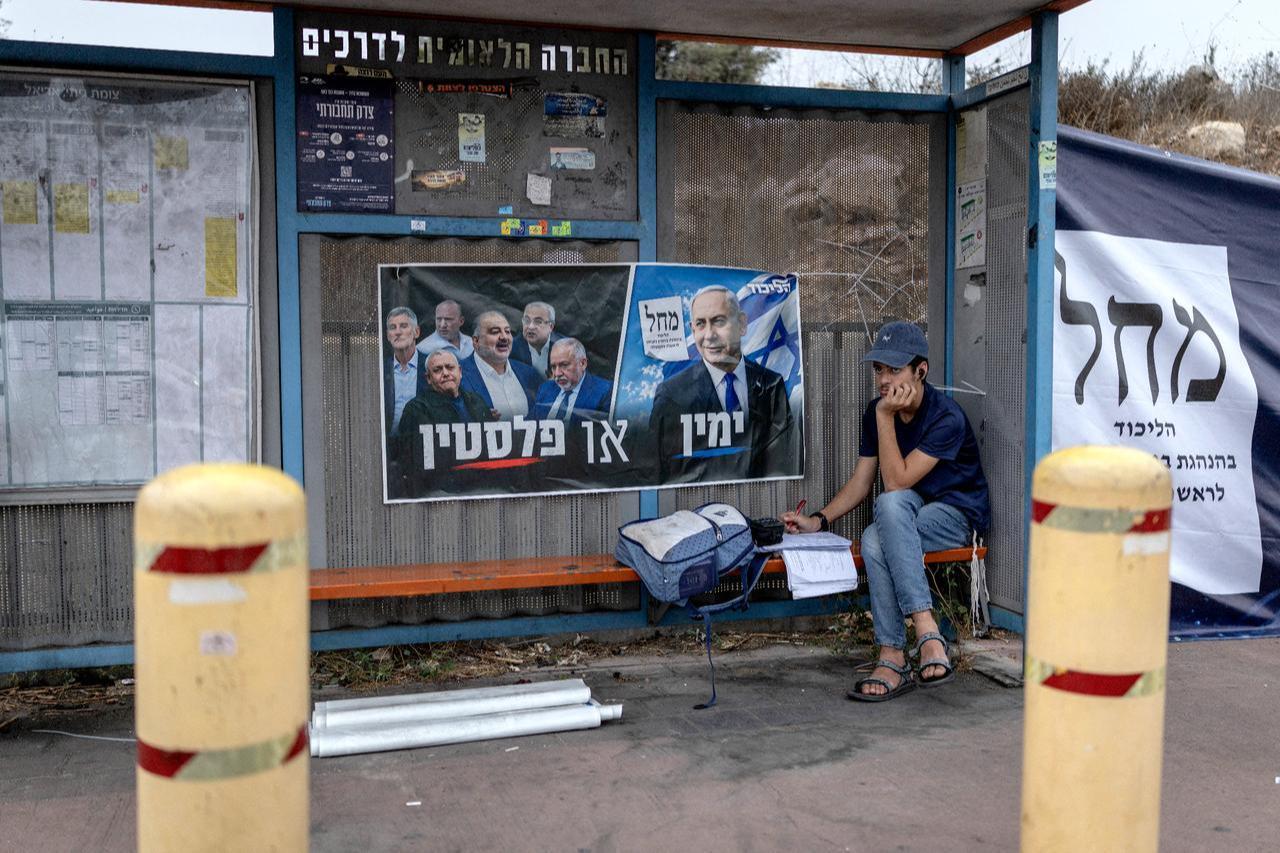
Netanyahu had his own reading of the crowds. On election day, he described Arab voters as “Muslim Brotherhood supporters” and accused them of “raiding the polling stations and stealing the elections.” He posted a photo of an Arab town’s polling queue and told right-wing voters to turn out for Likud, calling it a matter of life and death.
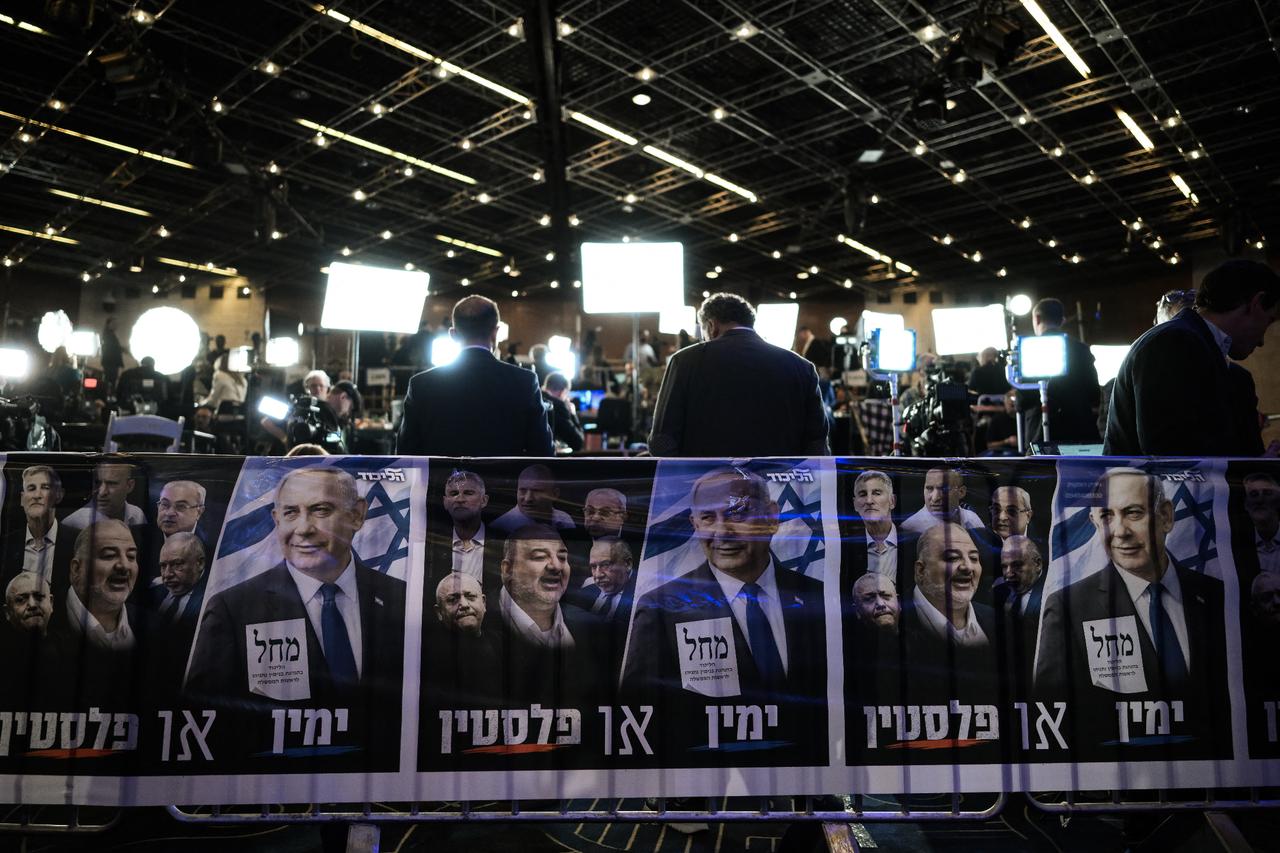
His campaign had earlier used billboards reading “Right or Palestine” and AI-generated videos of rivals embracing Arab leaders. Likud and Smotrich’s party sent nearly 2,000 activists to Arab polling stations, with no official function, which raised concerns about intimidation. Abbas called it a scare tactic to drive right-wing voters to the polls.
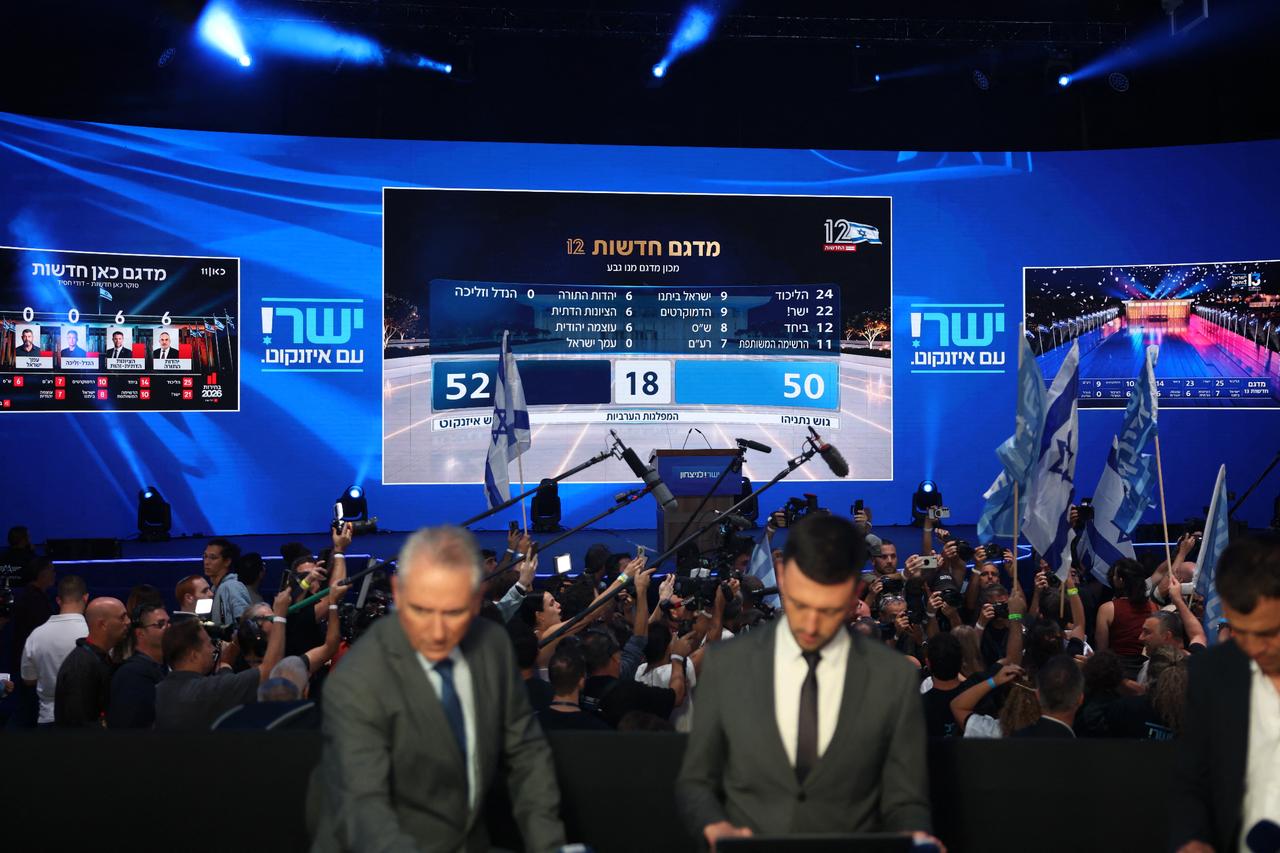
With exit polls forecasting Arab-led parties holding 17 or 18 seats, up from 10, the minority that Israeli politics has long treated as a footnote now holds the balance. Eisenkot has said he will not align with any Arab party, setting four conditions: recognition of Israel as a Jewish and democratic state, acceptance of the declaration of independence, conscription for Arab citizens, and a denunciation of Hamas.
Most opposition parties say they will only partner with explicitly Zionist platforms. The votes that could remove Netanyahu come attached to partners his rivals have promised not to take.
There is a second wrinkle. Higher turnout raises the number of votes needed to clear the 3.25% threshold, which can shut out smaller parties, among them small hard-right factions on Netanyahu’s side of the ledger. Seats vanish, and the map redraws itself.
The outcomes are uncomfortable for everyone. Eisenkot could form a fragile minority government propped up from outside. The two sides could assemble a unity government that includes Likud. Or talks could collapse, and Israel could return to the polls with Netanyahu in a caretaker role.
At the Joint List’s party in Nazareth in the early hours, one official put the choice to the other side. “The Zionist opposition will have to choose between supremacy and building democracy,” he said.
The deeper cost came from a different direction. In May 2021, the war with Hamas in Gaza was accompanied by riots in Acre, Jaffa, Haifa, Lod and Ramla, as well as in Arab towns across the Galilee and the Negev. They were the most widespread disturbances of their kind since the founding of the state, and mixed cities looked like war zones for days. Since then, the fear has stayed with arrests and workplace firings over social media posts, and police raiding Arab homes.
The result is a community that has largely stopped taking to the streets over Gaza. The ballot box is the one form of protest left that cannot be photographed as a riot.
However, Arabs form just a distinct community within the same country.
Thus, they shared in the overall excitement and turned out to vote in an election that saw one of the highest turnouts since 1999. Whether this will yield any tangible results, or if they can maintain that same level of momentum should elections be called again, remains to be seen in the coming days.


 Set as preferred source
 Set as preferred source


 1 min read
 1 min read