Newsletters


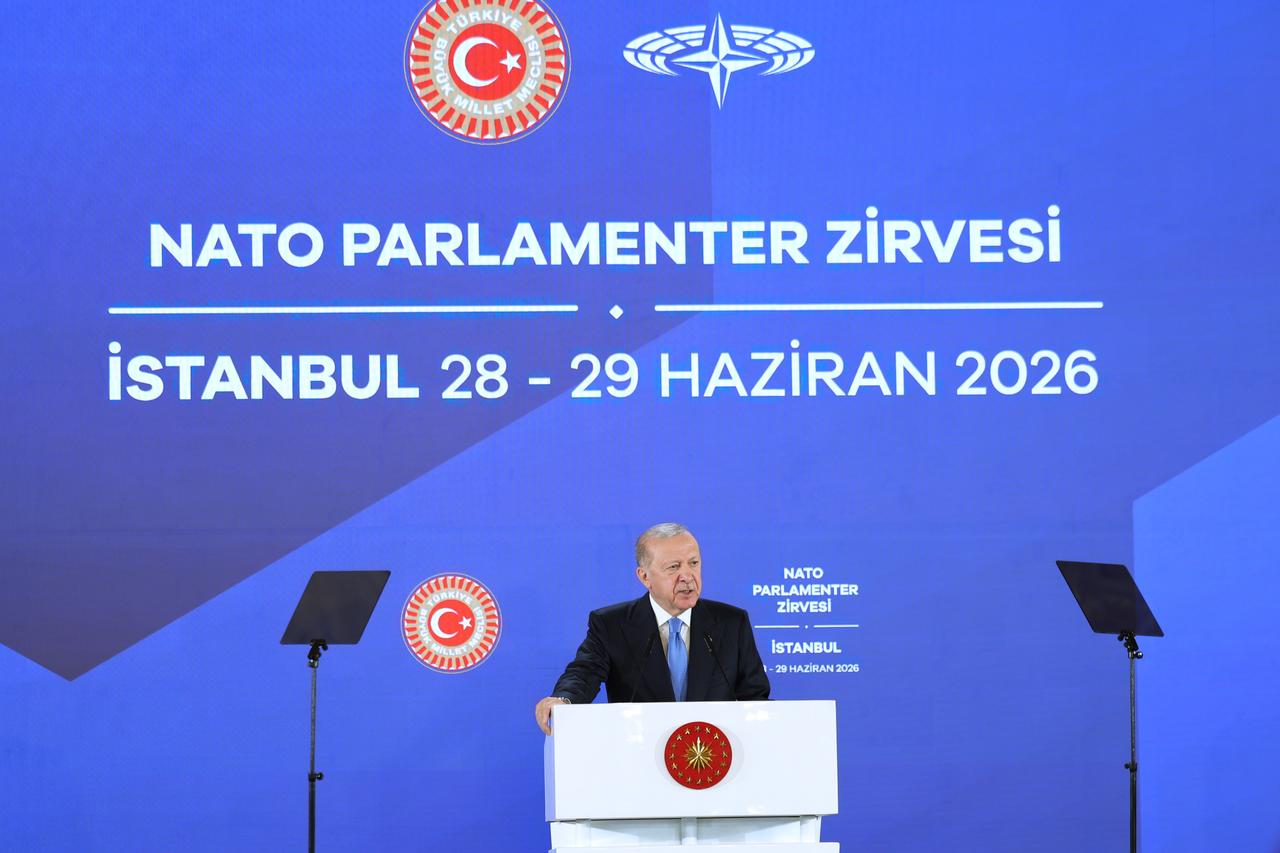
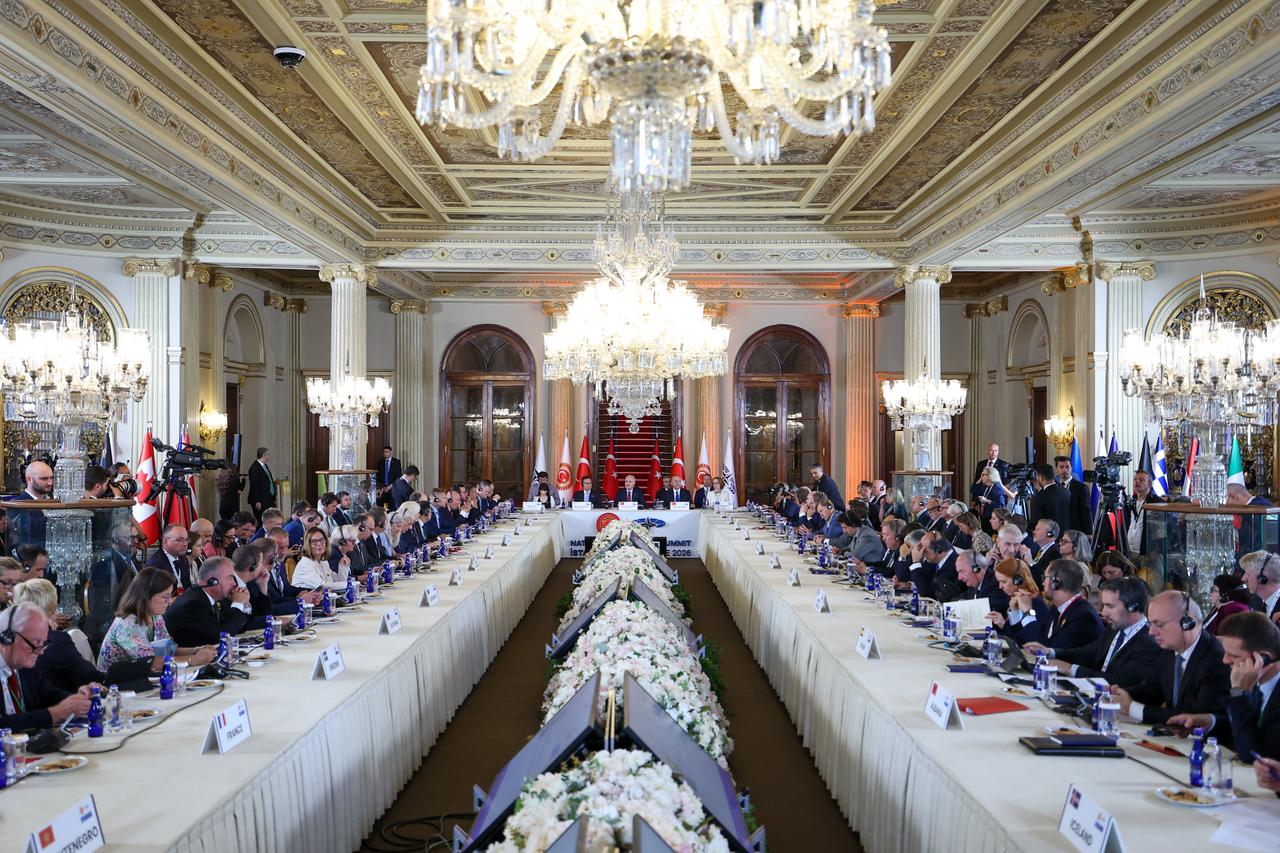
EU foreign policy chief Kaja Kallas said the NATO summit set for Ankara on July 7-8 will be a genuinely historic gathering given the strain currently facing transatlantic relations, while describing Türkiye as holding "an extremely important position" within NATO due to its military strength and defense industrial capacity.
"Every summit is called historic, but this time it truly is. Transatlantic relations have come under serious pressure recently. That's why sending a message of unity is extremely important," Kallas told Anadolu Agency in Brussels, ahead of her visit to Türkiye.
Kallas said Türkiye occupies a uniquely significant role within the alliance given its military and industrial capacity.
"Türkiye is a candidate country for the EU. Of course, there are long-standing issues regarding fundamental rights and freedoms that form the basis of membership, but from a NATO perspective, Türkiye has the alliance's second-largest army and a very strong defense industry. That's why it holds an extremely important position within NATO," she said.
"When we look at the overall framework of European security, and particularly when we assess regional stability, for example stability in the Caucasus, we need to maintain dialogue with Türkiye," Kallas said.
In a separate English-language account of the interview, Kallas described Türkiye as "the second biggest army in NATO" with "a very strong defense industry," adding that the country has "a very, very prominent role" in European security and regional stability.
"Definitely we need to have the talks with Türkiye," she said, referring to developments in the Caucasus and the broader security environment.
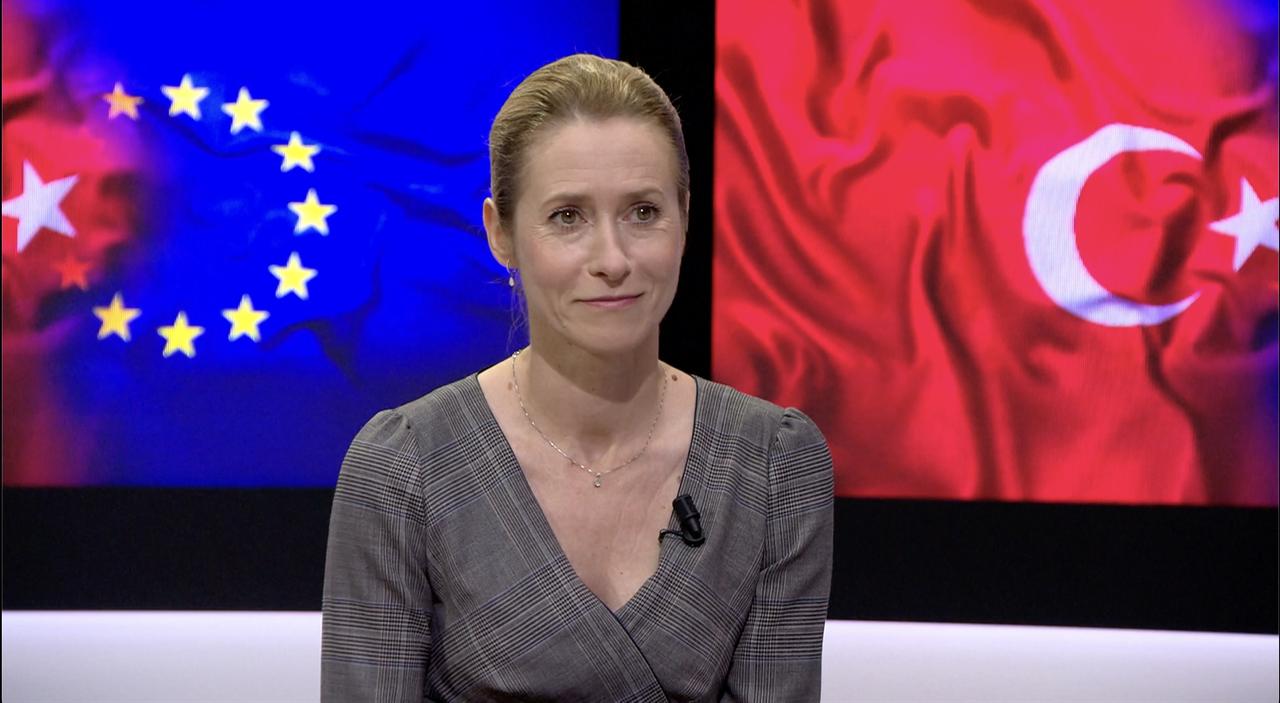

Kallas said she would travel to Türkiye alongside EU Commissioners for Enlargement, Marta Kos, and for Home Affairs and Migration, Magnus Brunner, given Türkiye's central role across a range of geopolitical issues.
"Türkiye is a partner of strategic importance. It's an important country not only on issues like migration but also in terms of defense and regional stability. When we think about developments in the Middle East, Türkiye has an important role there too," she said.
She said the visit would also address connectivity issues.
"Looking beyond the Middle East to the Caucasus, we see that Türkiye plays a very important role there as well. That's why it's important to hold these talks and assess what we can do together," Kallas said.
 2 min read
Asked whether Europe needs a joint army, Kallas said no.
"Every member state has its own army, and these are already part of NATO's overall defense structure. So it's not possible for every EU member to also build a second army under separate European leadership. That's why we have to work with the tools we have.
We need to strengthen our defense capabilities and invest more in defense, but it's also important to do this together, because the threats are regional, so the response must be regional too," she said.
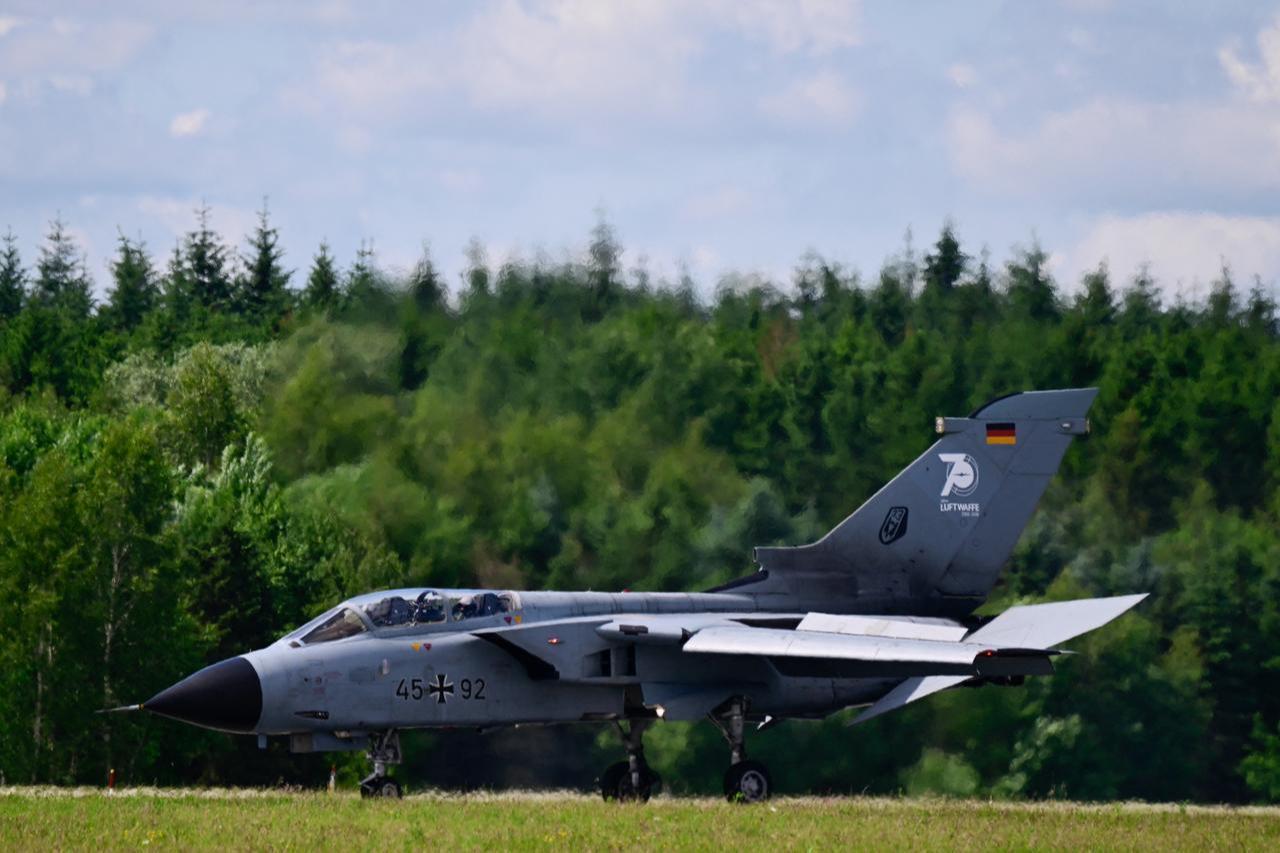
On how European capitals can build up defense capacity without duplicating NATO efforts, Kallas said the goal is to avoid any redundancy, which is why the EU remains in constant close contact with NATO.
"What matters to us is strengthening the European pillar within NATO, and thereby making NATO stronger overall. To that end, we are identifying current capability gaps. We are also directing member states toward joint procurement projects, because some defense capabilities are too costly for any single country to acquire on its own. We are also assessing how defense spending can be used more efficiently," she said, adding that Europe has much to learn from Ukraine regarding new capabilities such as drone defense.
Kallas said the EU and Türkiye also need to address the Cyprus issue, expressing support for U.N. Secretary-General Antonio Guterres' mediation and negotiation efforts between the parties.
She said reaching a peaceful settlement on Cyprus would unlock progress on many other issues.
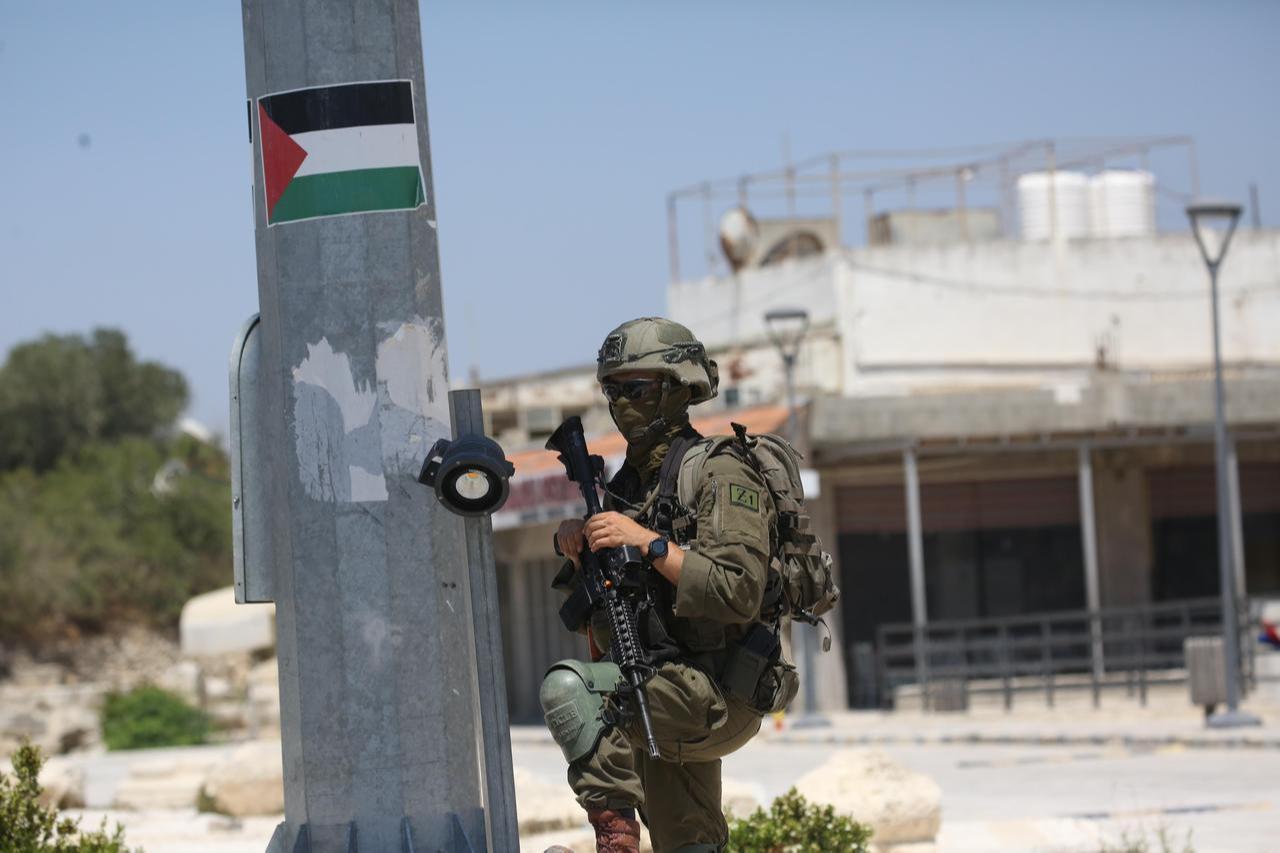
Turning to the Middle East, Kallas said Israel's violations of international law remain a difficult subject regularly discussed at EU Foreign Affairs Council meetings.
"This is a difficult topic that we address at every Foreign Affairs Council meeting attended by European foreign ministers. Israel's actions are widely condemned in Europe. In particular, the actions of violent settlers and settlement activity are making the two-state solution practically impossible," she said.
Kallas said Europe remains the "strongest supporter" of both the two-state solution and the Palestinian people.
Asked about Israeli Foreign Minister Gideon Saar's decision to cut off contact with her, Kallas defended continued dialogue.
"Dialogue is the only way to raise these issues and make our voice heard," she said.
Asked how dialogue is possible if one side refuses to engage, Kallas acknowledged the difficulty, saying, "That's a genuinely difficult question. Right now, Minister Saar has said he won't meet with me, but I don't think that's the right response when faced with criticism."
Kallas, Kos and Brunner were set to visit Türkiye, with the commissioners expected to meet Turkish Foreign Minister Hakan Fidan.
Kos is also expected to hold separate talks with Treasury and Finance Minister Mehmet Simsek, Transport and Infrastructure Minister Abdulkadir Uraloglu, and Trade Minister Omer Bolat.
The simultaneous visit by three commissioners is seen as a signal of the EU's growing emphasis on ties with Türkiye amid a shifting global landscape, and came just ahead of Ireland's EU Council presidency beginning July 1.
Fidan is expected to reiterate that Türkiye's goal of full EU membership remains a core strategic priority under President Recep Tayyip Erdogan's vision, and to call for the complete removal of the EU Foreign Affairs Council's July 15, 2019 decisions restricting Türkiye-EU relations.
He is also expected to push for an expedited start to Customs Union modernization talks, Türkiye's interest in joining the Single Euro Payments Area (SEPA), full resumption of European Investment Bank activities in Türkiye, and progress on the long-stalled Visa Liberalization Dialogue.
EU Council President Antonio Costa and European Commission President Ursula von der Leyen, along with Kallas, are also expected to visit Türkiye for the NATO Ankara Summit on July 7-8.
The EU is Türkiye's largest trading partner, and Türkiye is the EU's fifth-largest, with bilateral trade volume reaching approximately $233 billion in 2025.
A Türkiye-EU High-Level Economic Dialogue meeting is planned for Istanbul on July 2.


 Set as preferred source
 Set as preferred source


 1 min read