Newsletters


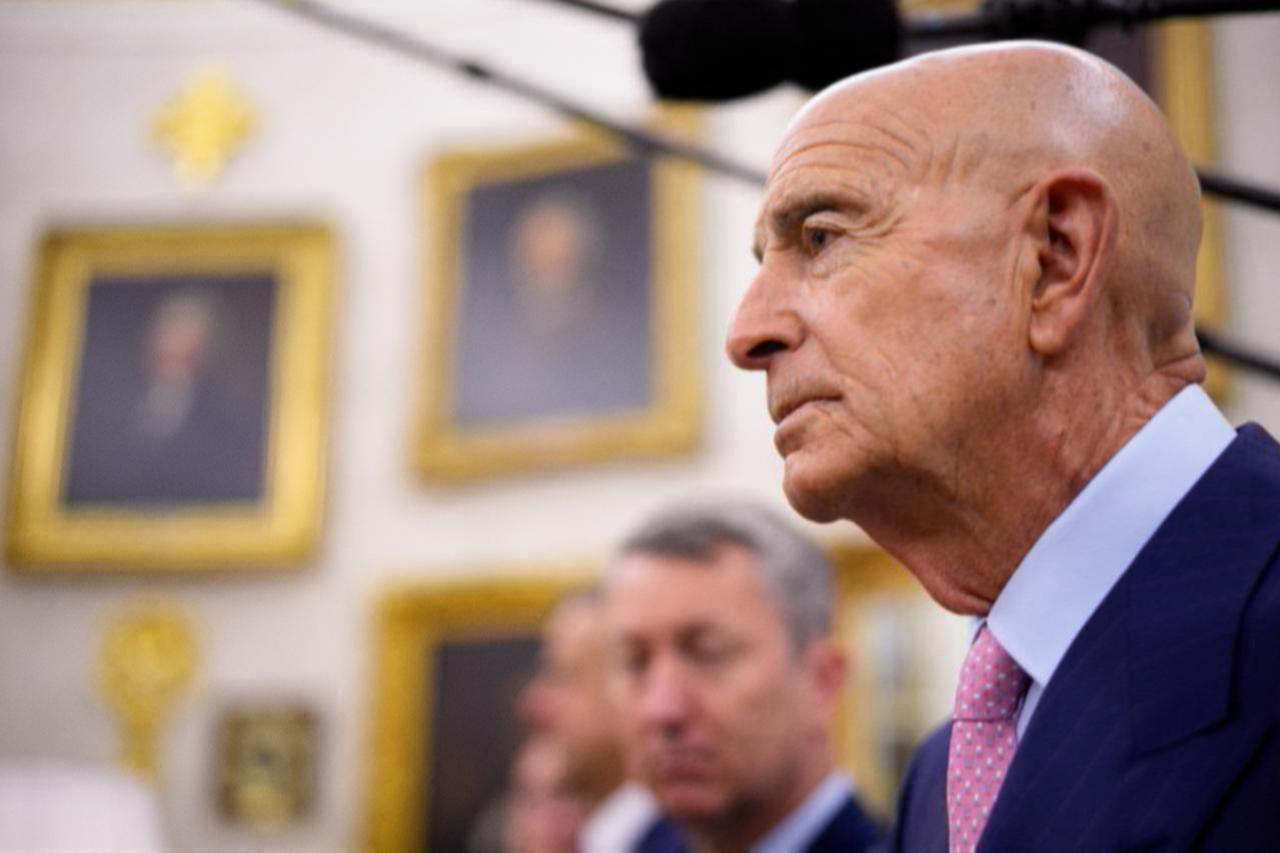


Mark Savaya, the Christian Iraqi-American entrepreneur appointed by President Donald Trump as special envoy for Iraq in October, is no longer serving in that role, according to sources familiar with the personnel change. The departure comes as Washington escalates pressure on Baghdad to limit Iranian influence in Iraqi politics.
The shift in diplomatic personnel follows what one source described as Savaya's mishandling of critical situations, particularly his inability to prevent the nomination of former Iraqi Prime Minister Nouri al-Maliki for the premiership, a development Trump had publicly warned against. U.S. Ambassador to Türkiye and Special Envoy to Syria Tom Barrack is expected to assume responsibility for the Iraq portfolio, according to a source and a senior Iraqi official.
Neither the White House nor the State Department would confirm Savaya's status or discuss potential replacements. A spokesperson for Barrack declined to comment on the matter.
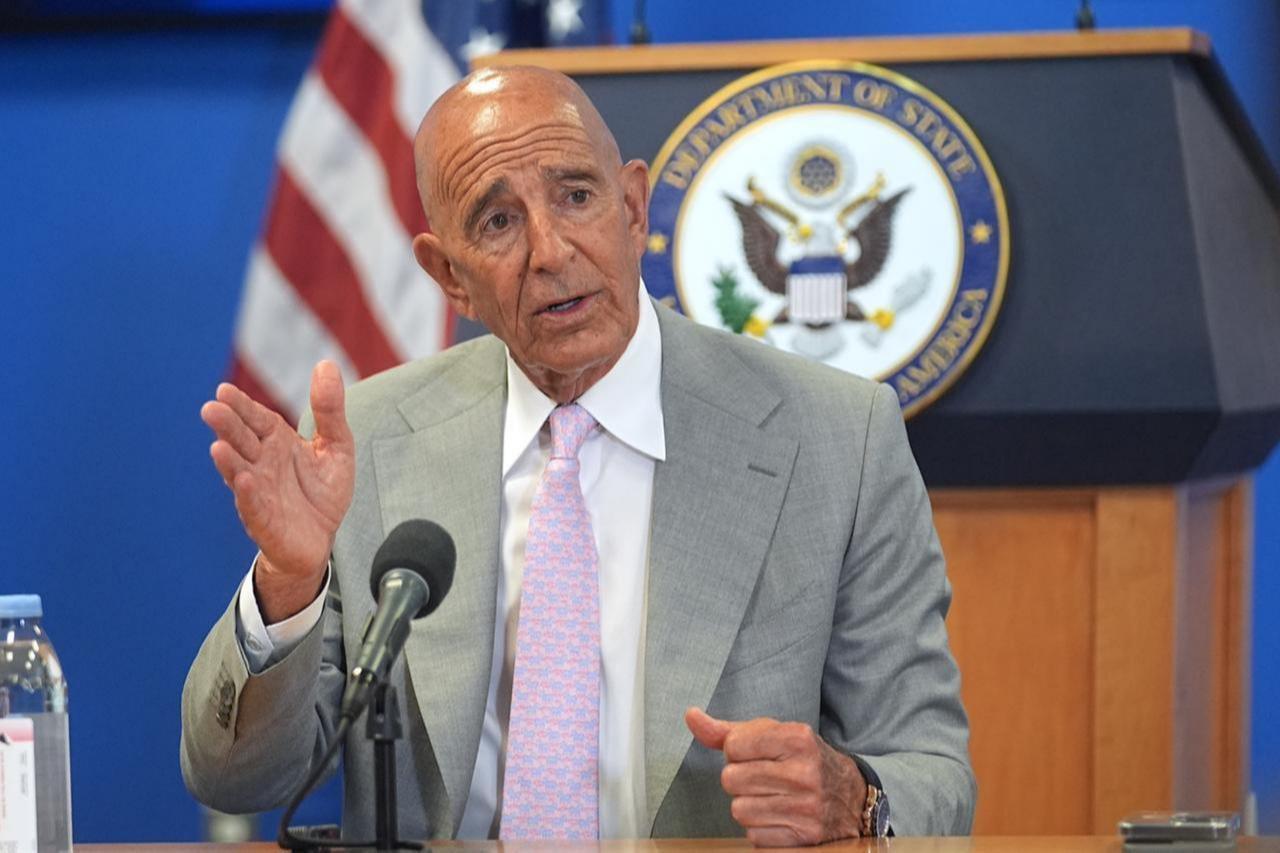

When contacted by Reuters on Thursday, Savaya denied any change in his position, stating he was still completing administrative procedures necessary to formally assume the role. However, a source familiar with the situation said Savaya never became an official State Department employee.
Savaya's social media account on X, previously active, became unavailable Thursday. He did not respond to subsequent inquiries Friday and Saturday requesting clarification about his status or the disappearance of his account.
The Detroit-based cannabis entrepreneur had not traveled to Iraq in an official capacity since his appointment, two sources confirmed. Iraqi officials said Savaya was scheduled to visit the country last Friday for meetings with senior leadership but abruptly canceled the trip.
Savaya's selection surprised diplomatic observers given his lack of foreign policy experience. He was among several Arab Americans Trump appointed to senior positions following an intensive campaign to court Arab and Muslim voters in Michigan and nationwide during the 2024 presidential election.
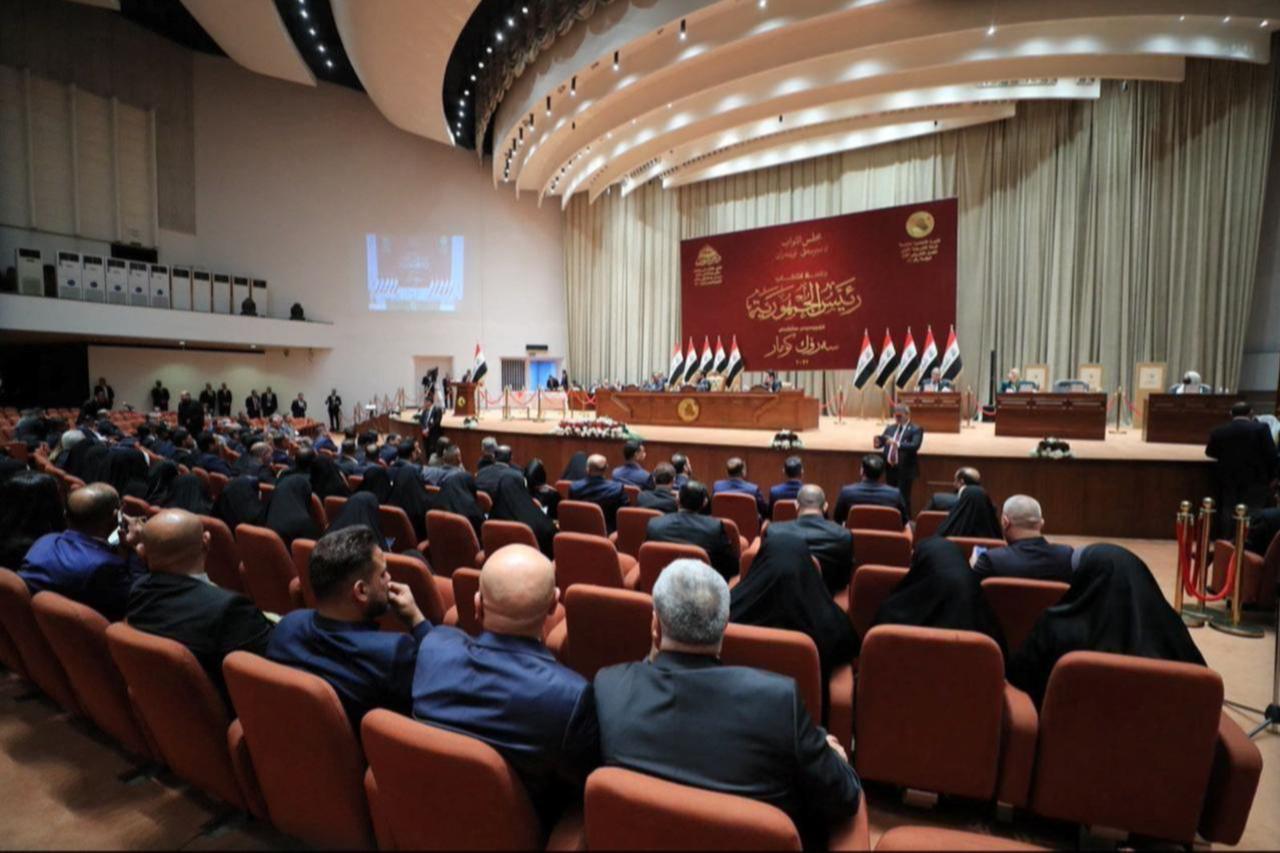
The personnel change occurs against a backdrop of heightened U.S.-Iraq tensions. Days before Savaya's departure became known, Trump issued a stark warning to Baghdad: choosing Maliki as prime minister would cost Iraq American assistance. The United States has accused Maliki of inflaming sectarian divisions and enabling the rise of the Islamic State group during his previous tenure in office. Iraq's largest parliamentary bloc had nominated Maliki for the position shortly before Trump's statement.
The developments came as the most explicit manifestation yet of Trump's effort to diminish the role of Iran-aligned factions in Iraqi governance. Iraq has historically maintained delicate relationships with both Washington and Tehran, its two principal allies, navigating competing pressures from each capital.
Barrack, who traveled to Erbil earlier this week to meet with the terror group SDF appears positioned to manage Iraq policy alongside his existing responsibilities for Türkiye and Syria. The consolidation of these portfolios under one diplomat could result in a more coordinated U.S. approach to the interconnected challenges spanning the region.


 Set as preferred source
 Set as preferred source


 1 min read
 1 min read