Newsletters




U.S. President Donald Trump said Iran attempted to restart its nuclear program following U.S. strikes over the summer, warning "we're going to do very bad things to you" if Tehran pursues a new site.
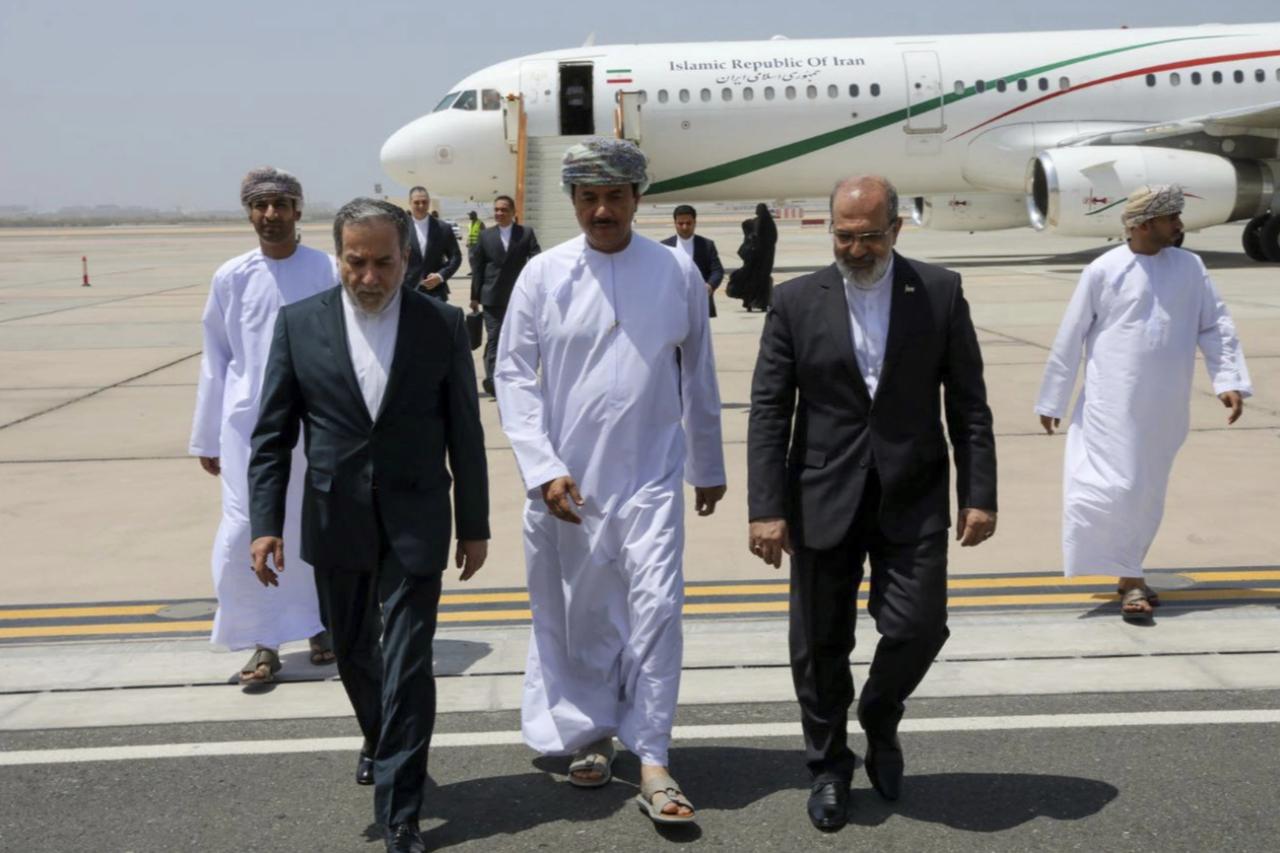
Talks between Washington and Tehran are scheduled for Feb. 6, shifted from Istanbul to Muscat amid disputes over format and scope.
In an interview with NBC News on Thursday, Trump said Iran tried to return to its nuclear site after U.S. strikes in June 2025.
"They tried to go back to the site. They weren't even able to get near it, there was total obliteration," Trump said.
"But they were thinking about starting a new site in a different part of the country. We found out about it. I said, 'You do that, we're going to do very bad things to you,'" he added.
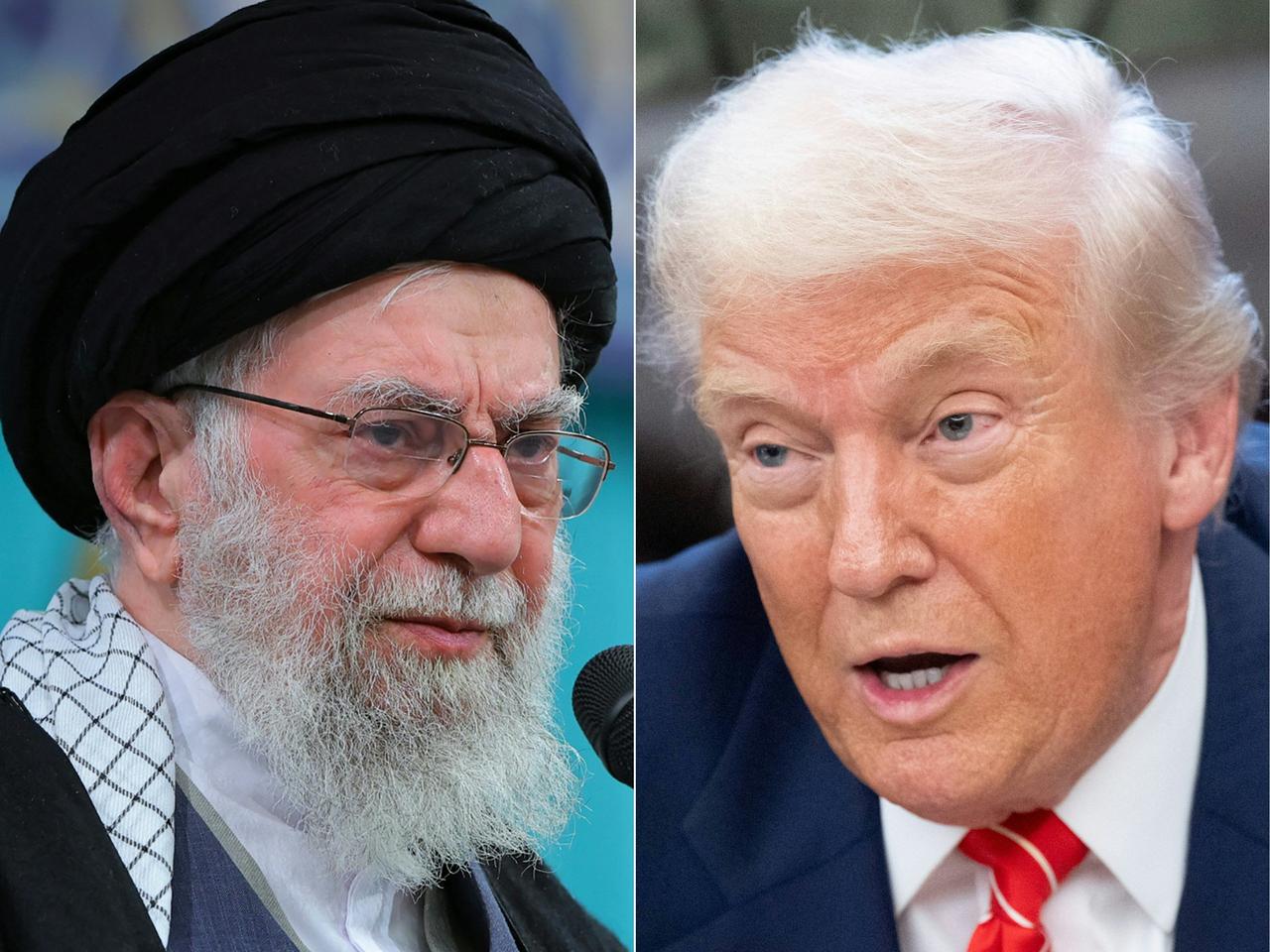
Trump also said Supreme Leader Ali Khamenei "should be very worried."
"He should be very worried. Yeah, he should be. As you know, they're negotiating with us," he said.
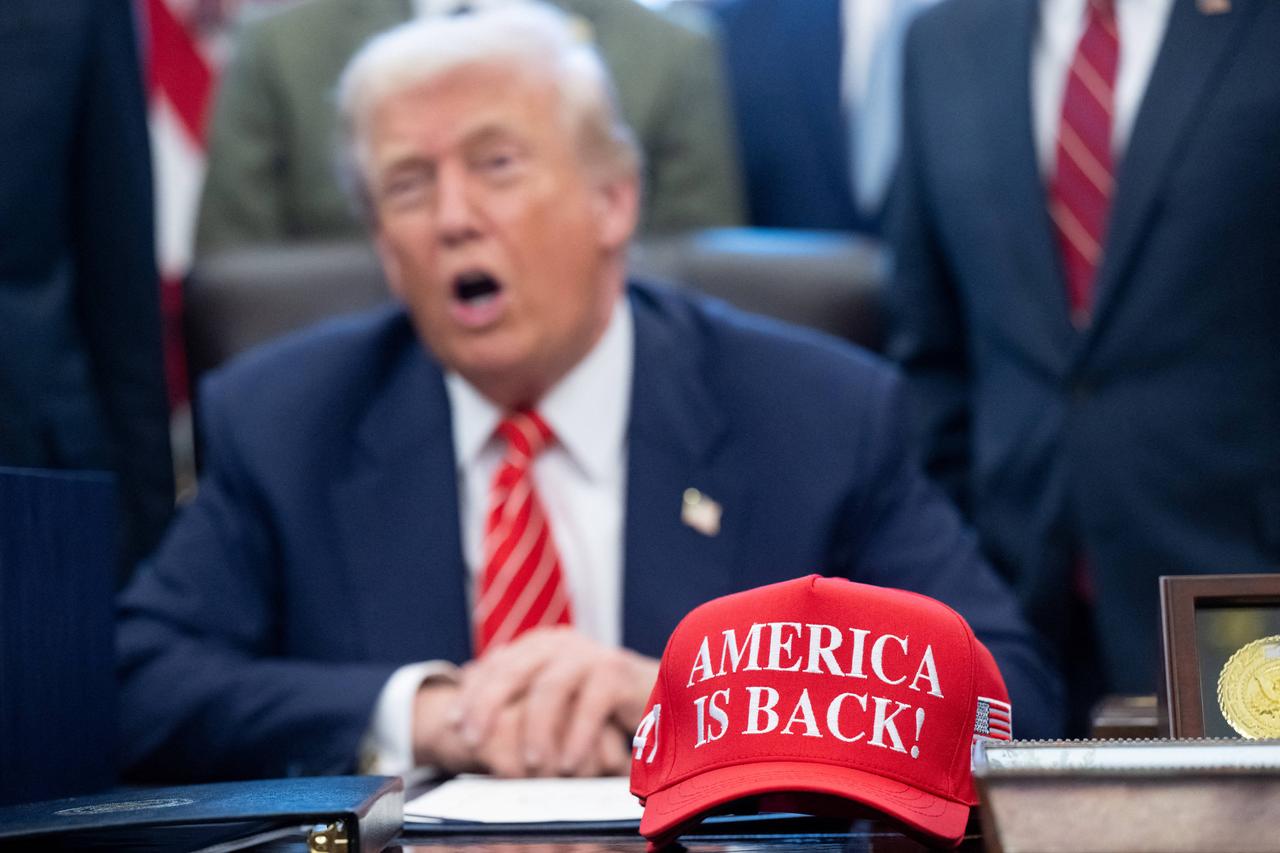

Trump claimed credit for enabling Middle East peace through the strikes on Iran's nuclear facilities.
"That country is a mess right now because of us. We went in, we wiped out their nuclear. Peace in the Middle East. If I didn't take out their nuclear, think of it. If we didn't take out that nuclear, we wouldn't have peace in the Middle East, because the Arab countries could have never done that. They were very, very afraid of Iran," Trump said.
Asked about Iranian protesters, Trump said: "We've had their back."
A White House official confirmed to state-run Anadolu Agency (AA) that talks would take place Friday in Oman's capital Muscat, after Istanbul had initially been proposed as the venue following Türkiye's successful intervention to ease tensions.
Iranian Foreign Minister Abbas Araghchi said the talks would begin Friday morning.
U.S. Secretary of State Marco Rubio said the venue is "still being worked through."
"We thought we had an established forum that had been agreed to in Türkiye. It was put together by a number of partners who wanted to attend and be a part of it. I saw conflicting reports yesterday from the Iranian side saying that they had not agreed to that, so that's still being worked through," Rubio said.
Secretary Rubio outlined a broader U.S. agenda for the talks, saying, "Discussions must address Tehran's ballistic missiles, nuclear program, regional sponsorship of terrorist organizations, and the treatment of its people."
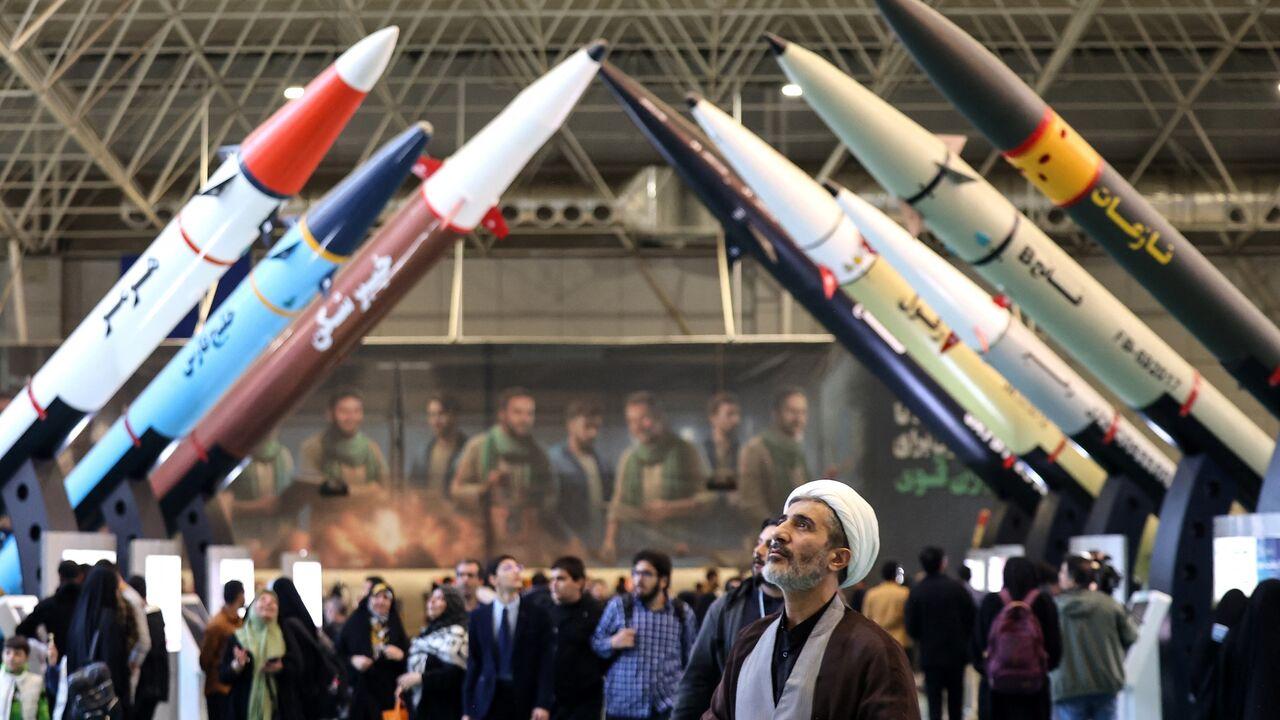
Iran has insisted its ballistic missile program is not subject to negotiation and that talks must solely focus on the nuclear program.
Axios reported that Washington told Tehran it would not agree to demands to change the location or format of the talks.
"We told them it is this or nothing, and they said, 'Ok, then nothing,'" the news outlet quoted an unnamed U.S. official as saying.
The official said if Iran is willing to return to the original format, the U.S. is ready to meet this week or next.
"We want to reach a real deal quickly or people will look at other options," the senior official said.
Iran's semi-official Mehr News Agency reported that the U.S. is seeking to "expand the scope of negotiations" to include Iran's defense capabilities.
A "knowledgeable source" said Iran entered talks "with a transparent and clear approach," considering the framework "strictly limited to nuclear issues."
"These demands are not only unrelated to the nuclear file but are directly tied to national security and the country's deterrent capability and are fundamentally non-negotiable," the source said.
Iran is "ready to negotiate within a defined framework based on mutual respect on nuclear matters," but "insistence on excessive demands and raising issues beyond the agreement is the main factor behind any potential deadlock," the source added.
Oman previously served as a mediator in indirect contacts between the two sides before the 12-day Israel-Iran war in June 2025 stalled diplomatic efforts.
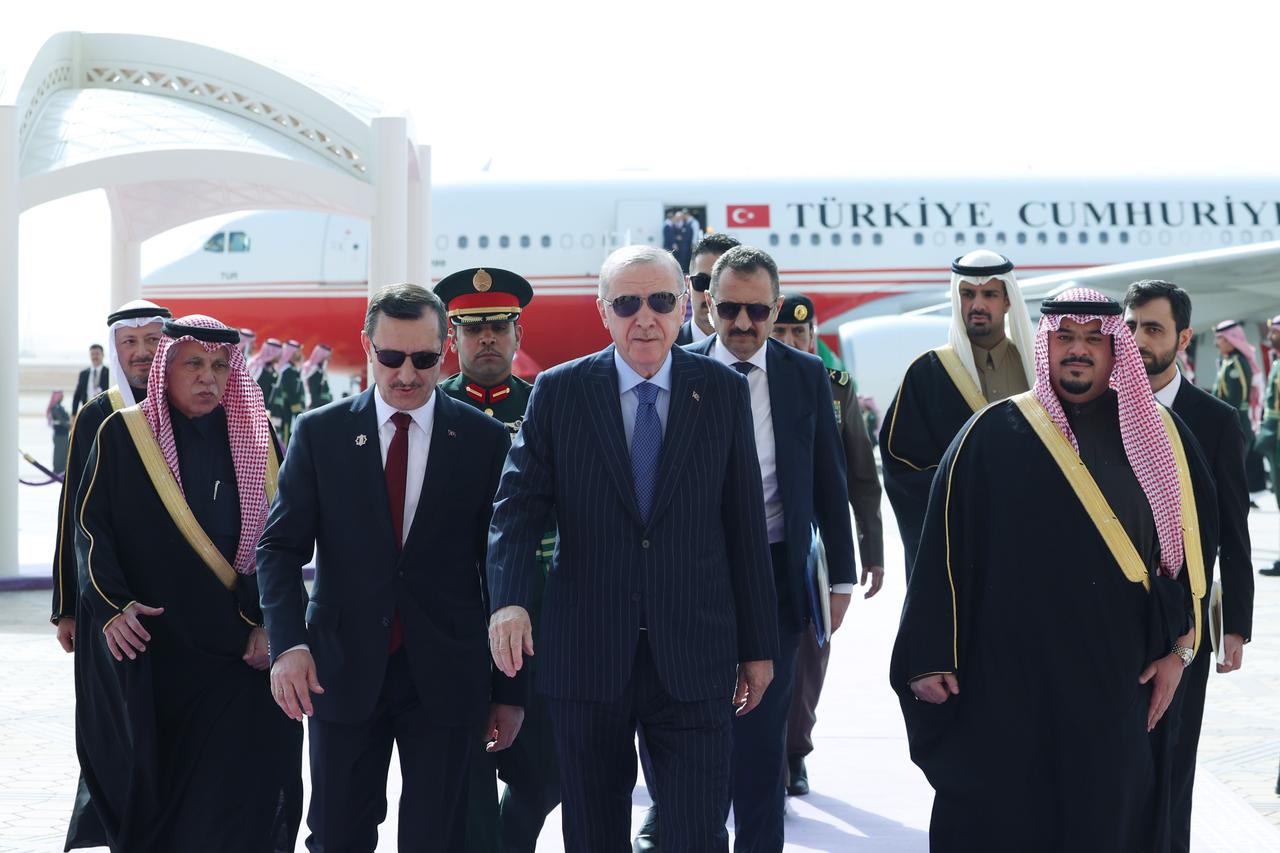
In recent days, several countries have stepped in to mediate between Tehran and Washington, with Türkiye playing a "particularly active role."
The planned talks come amid rising tensions fueled by an American military buildup in the Persian Gulf and repeated threats of military action by Trump.
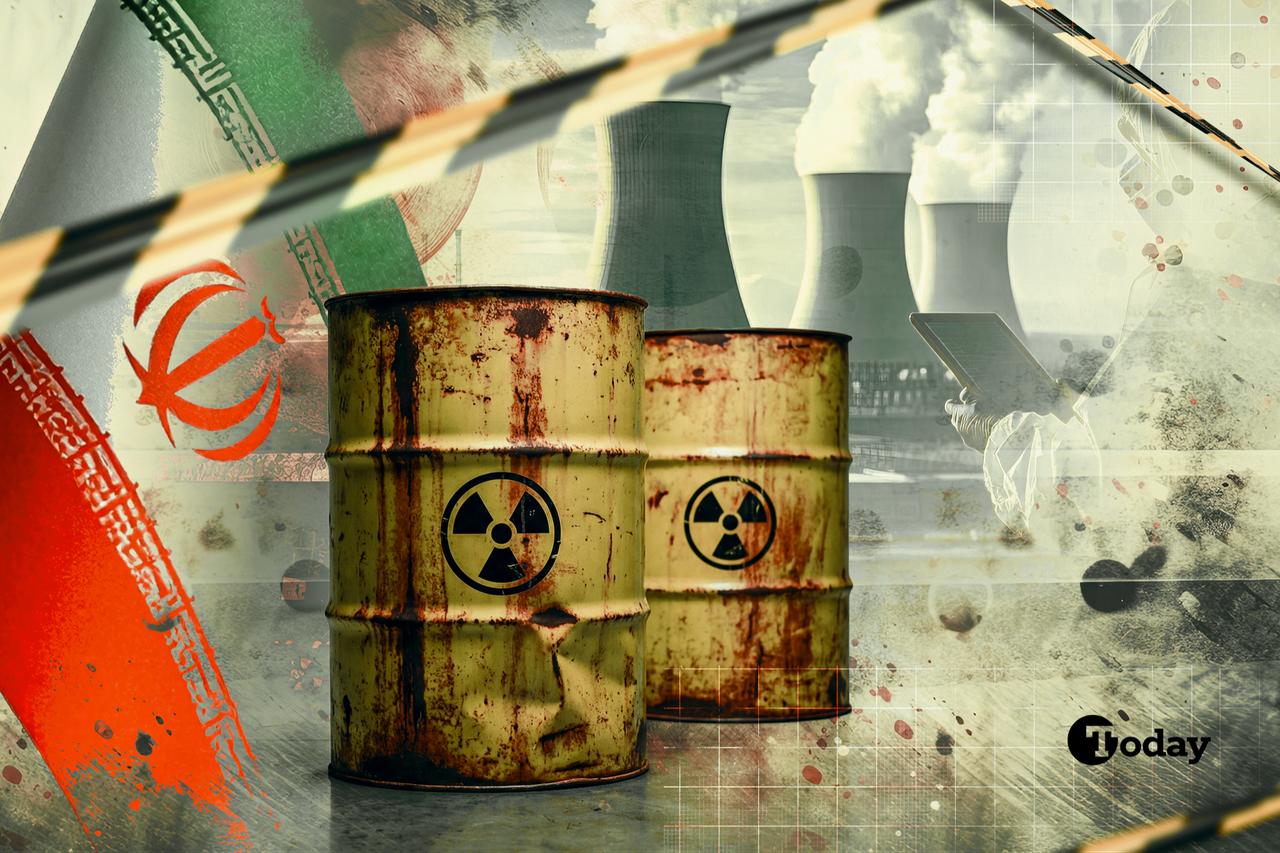
The U.S. and Israel accuse Iran of seeking to produce nuclear weapons, while Tehran says its nuclear program is designed for peaceful purposes, including electricity generation.


 Set as preferred source
 Set as preferred source


 1 min read
 1 min read