Newsletters


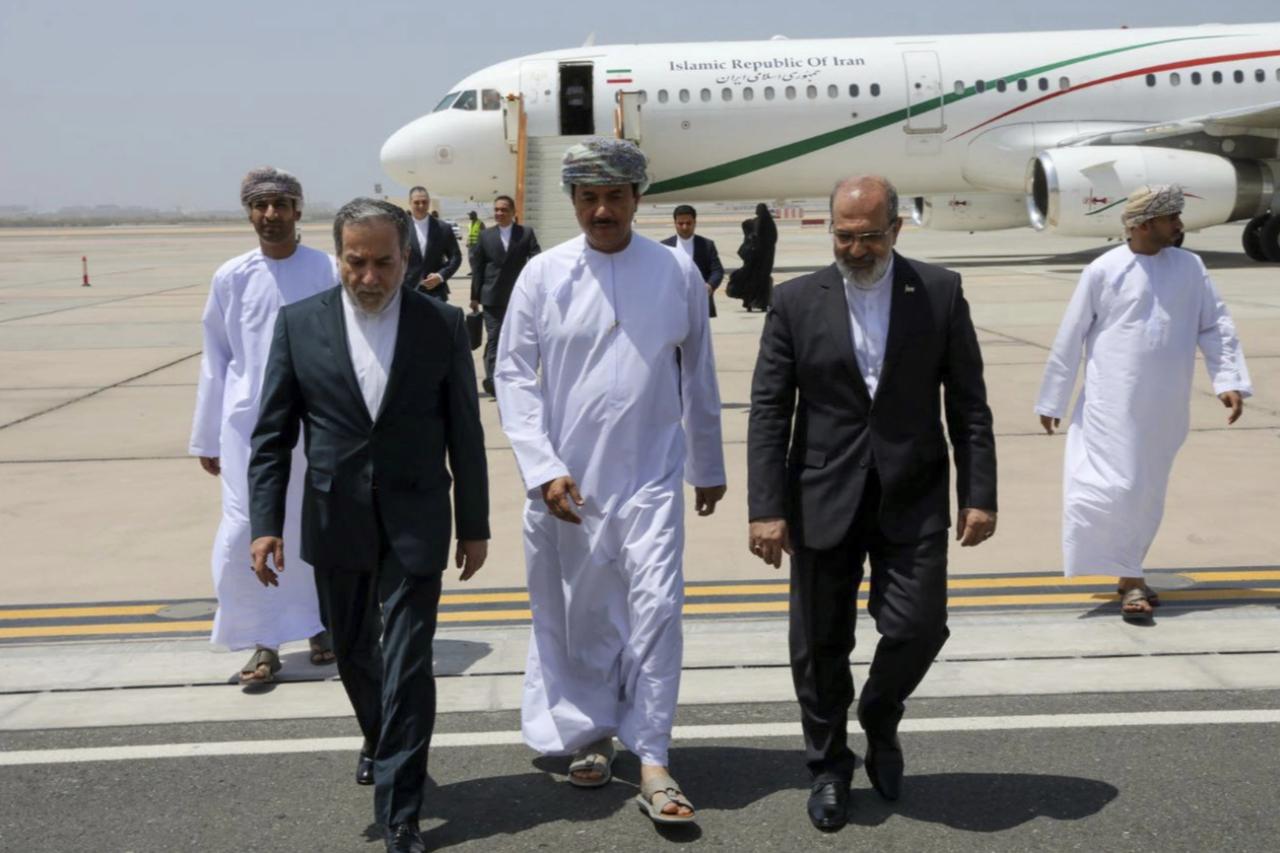


Nuclear talks between the United States and Iran will proceed Friday in Muscat, Oman, a White House official confirmed, reversing an earlier breakdown over the location and format of the negotiations.
Iranian Foreign Minister Abbas Araghchi announced the talks on social media, saying they are scheduled for approximately 10 a.m. Friday in the Omani capital.
"Nuclear talks with the United States are scheduled to be held in Muscat on about 10 am Friday. I'm grateful to our Omani brothers for making all necessary arrangements," Araghchi wrote.
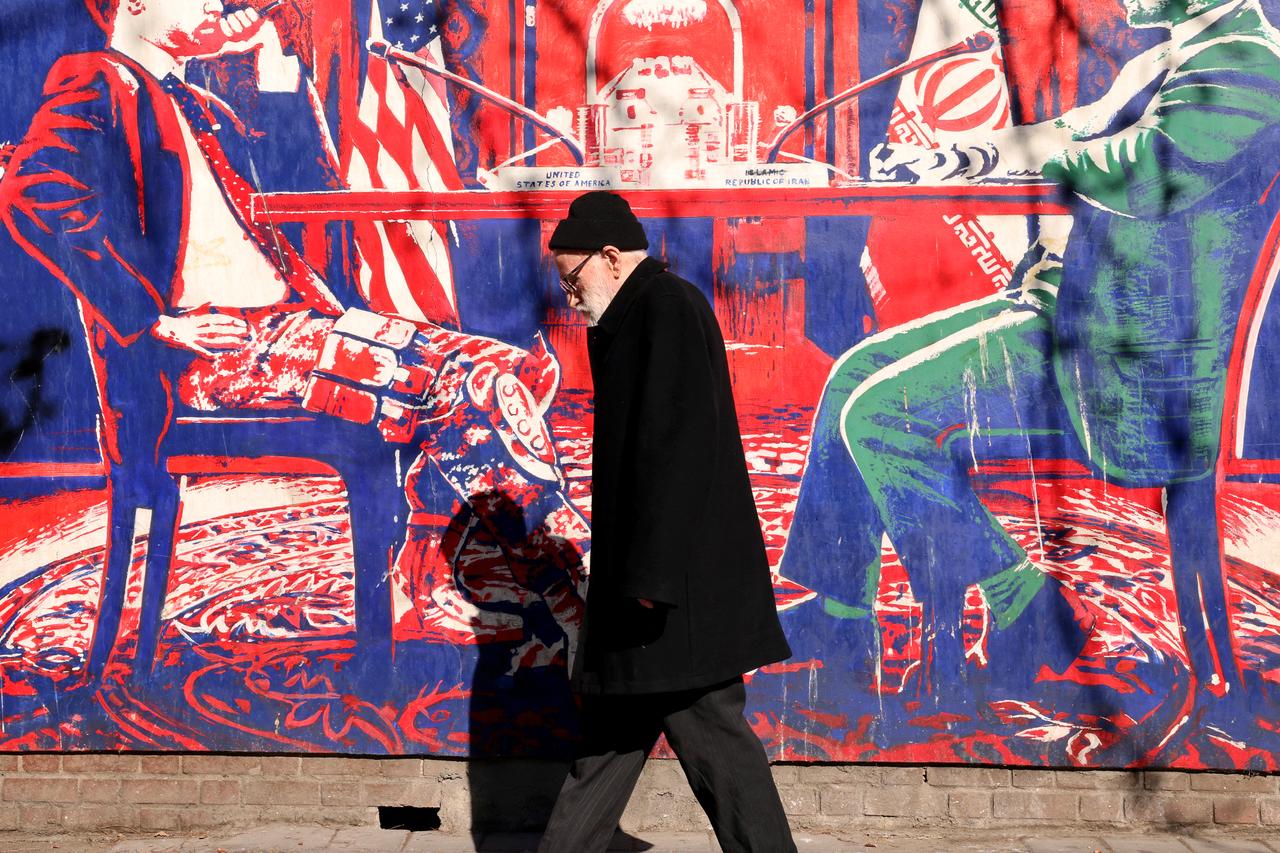
The confirmation marks a dramatic turnaround after intense disagreement Wednesday over Tehran's demand to move the talks from Istanbul to Oman and shift from a multilateral format to bilateral discussions. A senior US official had earlier described an ultimatum delivered to Iran, saying Washington told Tehran "it is this or nothing, and they said, 'Ok, then nothing.'"

The agreement to hold talks in Muscat represents acceptance of Iran's preferred location, moving negotiations from the originally planned Istanbul meeting that was to include Middle Eastern countries as observers. Oman has a long history of facilitating discreet diplomatic contacts between Washington and Tehran, making it a trusted neutral ground for sensitive discussions.
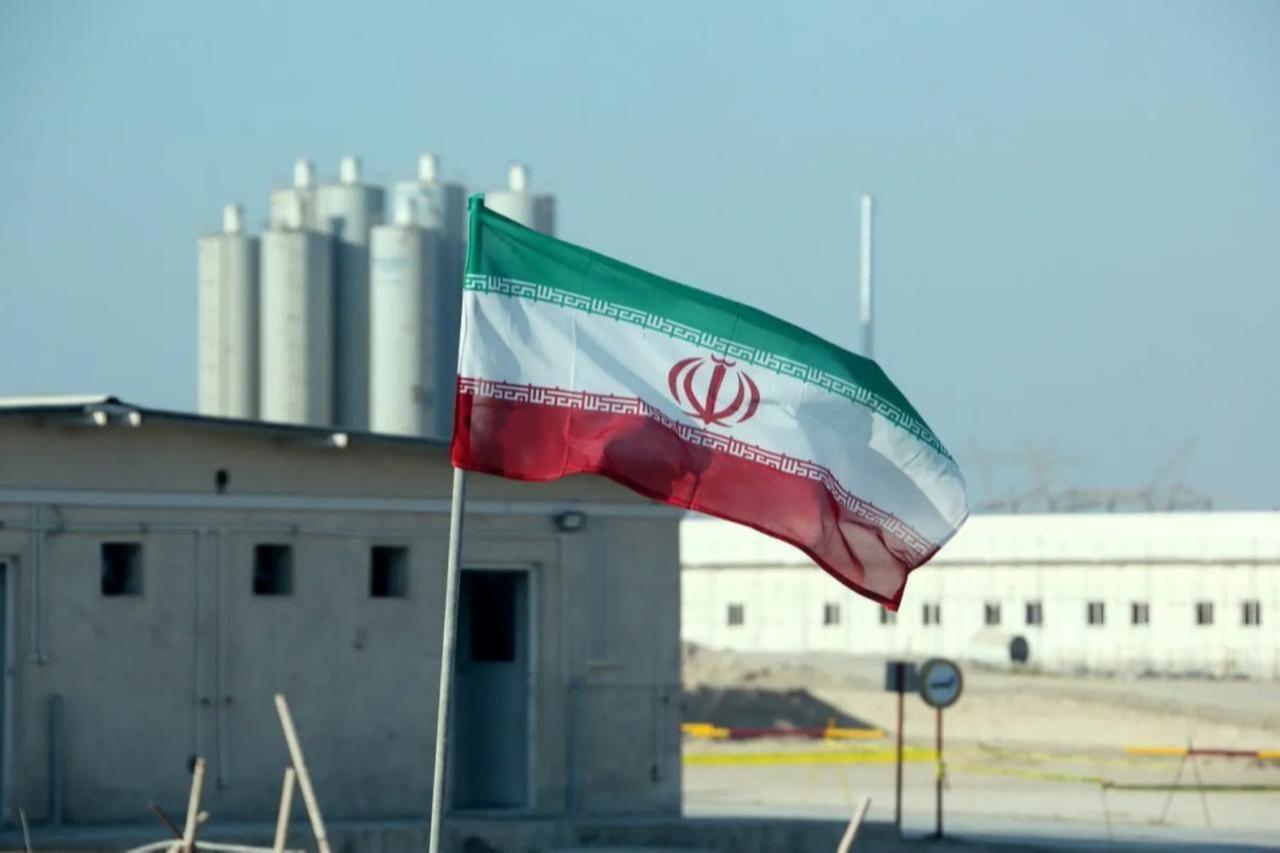
The format of the talks—whether they will remain strictly bilateral as Iran requested or include some observer participation—was not immediately clear from the announcements. Iran had sought to limit discussions to nuclear issues rather than addressing ballistic missiles and regional activities that are priorities for the US and regional countries.
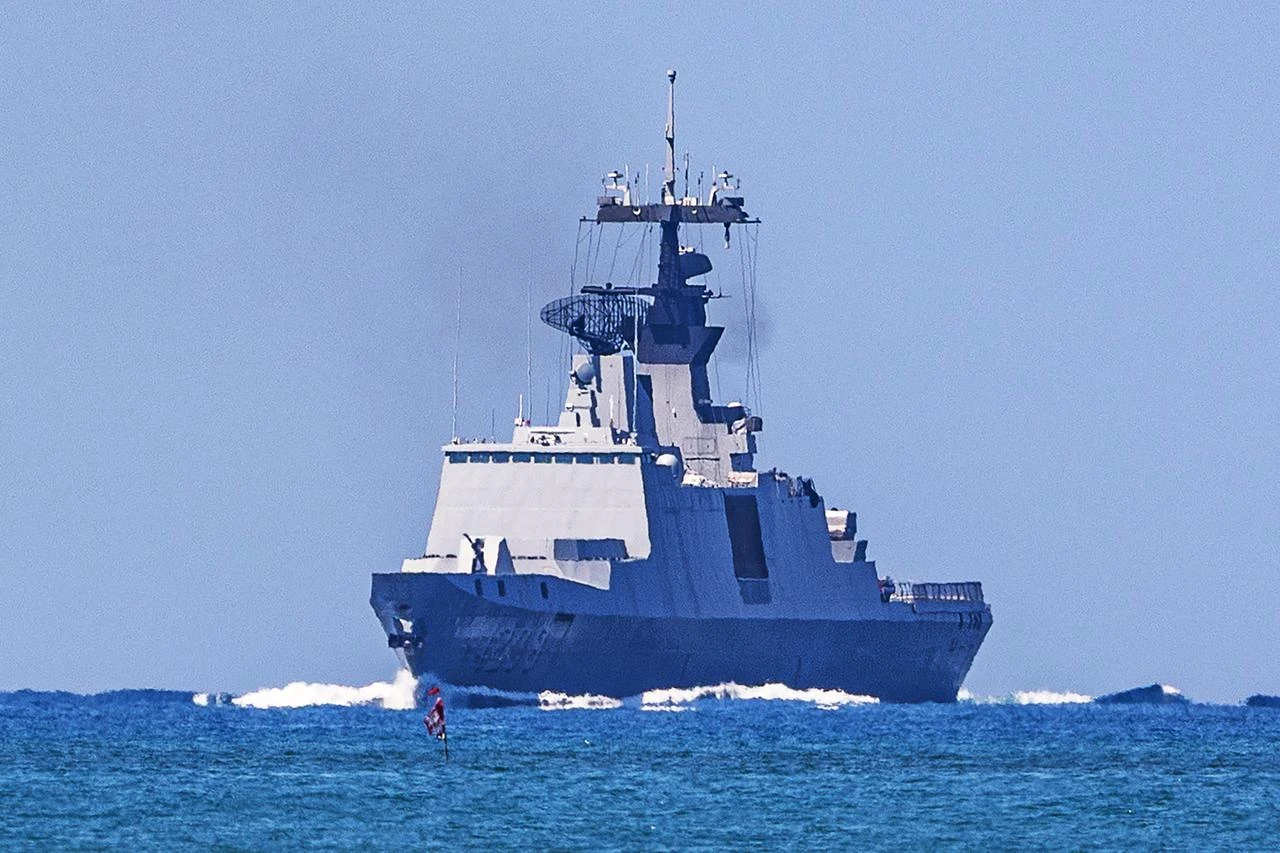
The resumption of talks comes as a diplomatic breakthrough after Wednesday's standoff had raised the prospect of military action. A senior US official had warned that without rapid diplomatic progress, the Trump administration would "look at other options," alluding to President Donald Trump's repeated threats of military action against Iran.
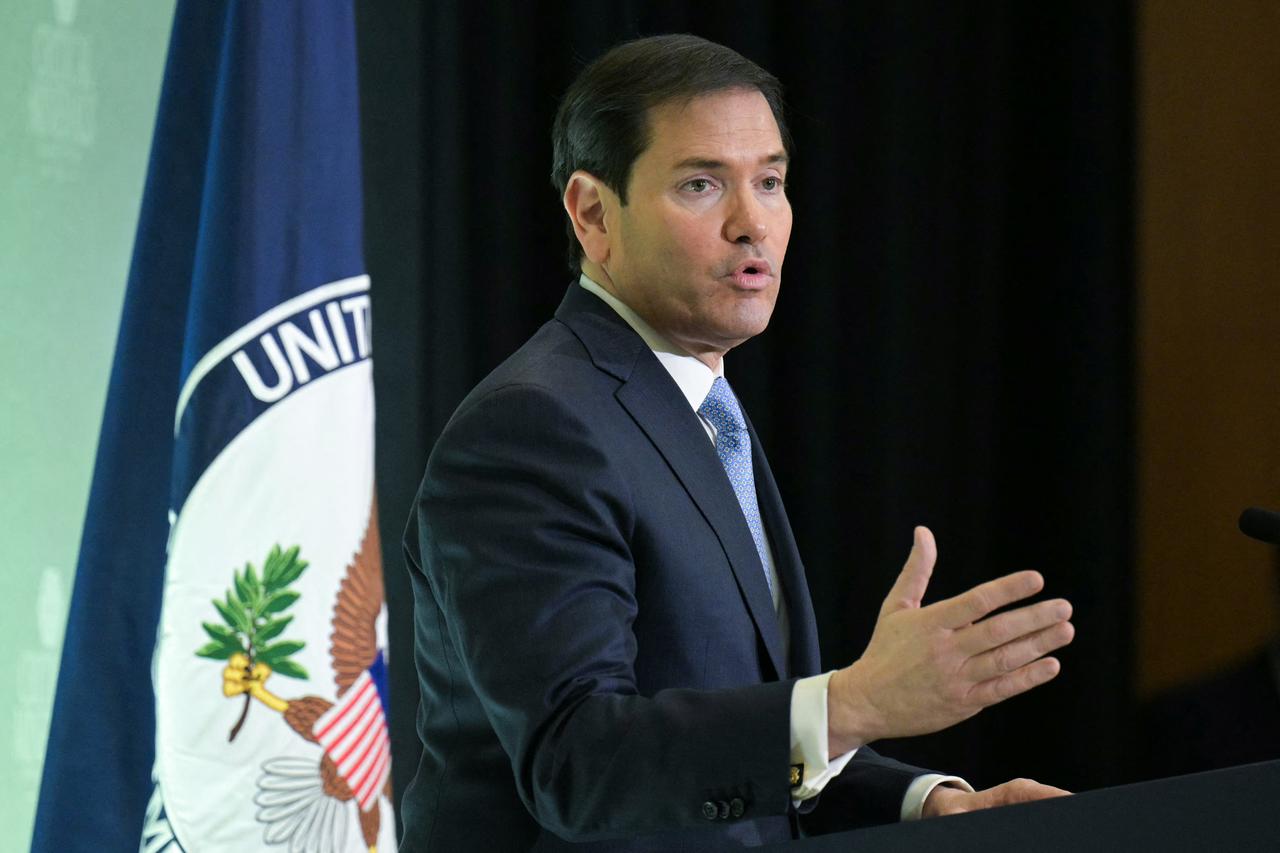
The Trump administration has assembled substantial military forces in the Gulf region, creating conditions where diplomatic failure could have led to escalation. Secretary of State Marco Rubio said Wednesday that any meaningful talks must address not only Iran's nuclear program but also Iran's ballistic missile capabilities, sponsorship of regional militant groups, and treatment of its own people.
White House envoy Steve Witkoff is expected to lead the American negotiating team, while Araghchi will represent Iran. The talks come at a critical moment for both countries, with the potential to either de-escalate tensions or confirm that diplomatic options have been exhausted.


 Set as preferred source
 Set as preferred source


 1 min read
 1 min read