Newsletters


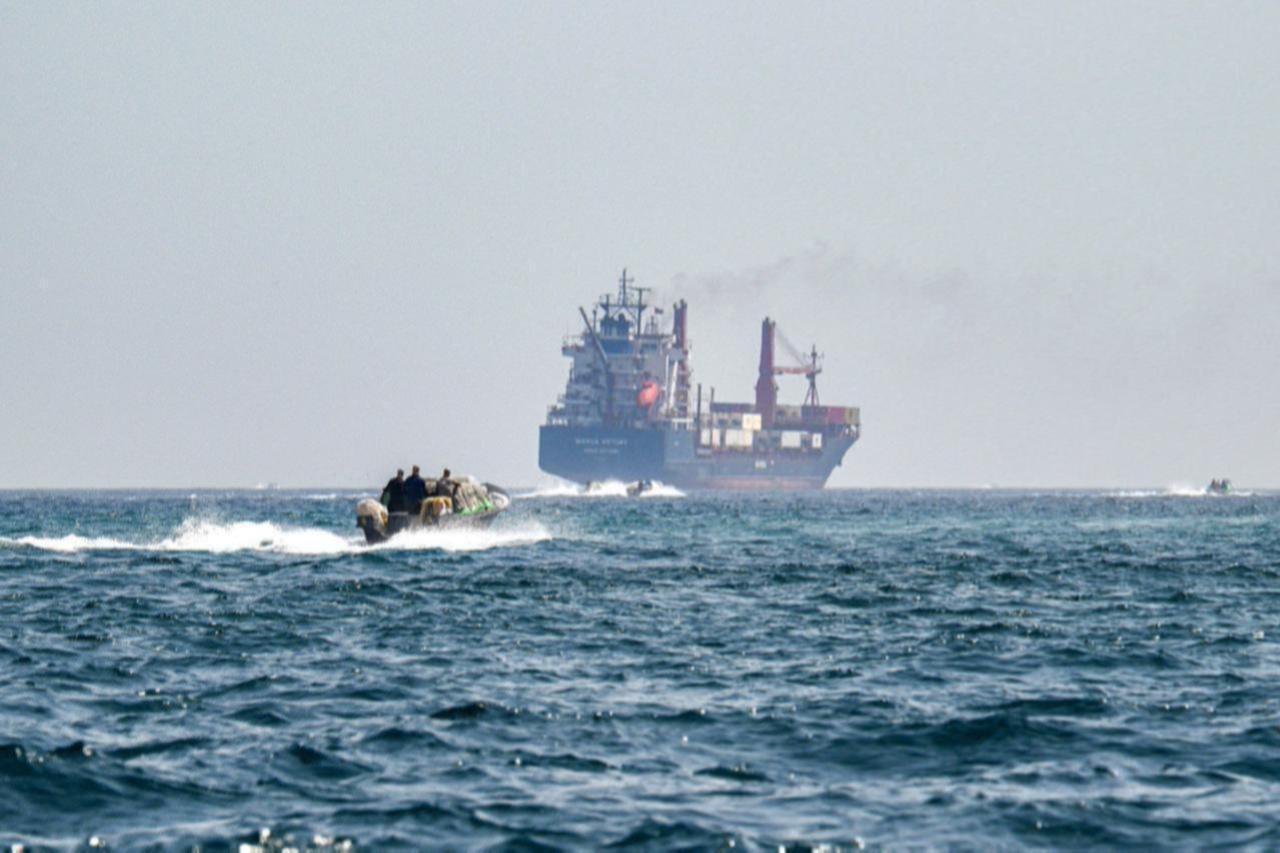


The head of one of Europe's largest energy companies warned Monday that a prolonged closure of the Strait of Hormuz could trigger serious fuel shortages within months, as a naval blockade of Iranian ports adds new pressure on already strained global energy markets.
Patrick Pouyanne, CEO of the French energy giant TotalEnergies, said reopening the waterway was essential regardless of the cost. "It's clear that reopening and the free circulation through the Strait of Hormuz, even if you have to pay to anybody, is fundamental for the freedom of markets and global markets," he said at the Semafor World Economy Conference, held on the sidelines of the International Monetary Fund and World Bank spring meetings in Washington.
The Strait of Hormuz, a narrow waterway between Iran and the Arabian Peninsula, is the world's most critical oil and gas chokepoint, with roughly a fifth of global supply passing through it. Shipping across the strait has been largely paralyzed since the start of the Middle East war on February 28.
On Monday, U.S. President Donald Trump ordered a naval blockade of Iranian ports, a move Pouyanne said would add "a layer of less liquidity in the market." The compounding restrictions, he suggested, raise the stakes for global energy stability at an already delicate moment.
Pouyanne noted that Western nations have so far been cushioned from the worst effects of the conflict through their strategic stockpiles of oil and gas. But he cautioned that a prolonged crisis would eventually erode that buffer. "If this war and this blockade last more than three months, we'll begin to face some serious supply issues," he said, pointing specifically to jet fuel and diesel.
Beyond fuel, Pouyanne flagged an often-overlooked risk: the cascading effect on food supply. Fertilizers, which are derived from petroleum products, could face significant shortages, a problem he described as "almost a system risk." Supply disruptions in that sector could push food prices higher, feeding into broader inflationary pressures, he warned.
Pouyanne drew a distinction between physical shortages and market psychology, noting that fees are routinely paid by ships transiting other major waterways such as the Panama and Suez canals, and that a similar arrangement for the Strait of Hormuz would be preferable to its continued closure.
"The real problem is the threat" of sudden closure, he said, arguing that it is the unpredictability of access, more than any immediate supply gap, that drives energy prices upward and unsettles global markets.


 Set as preferred source
 Set as preferred source


 1 min read

 1 min read