Newsletters





Trump administration is preparing to shut down a U.S.-run coordination centre in Israel that was established to monitor the Gaza ceasefire and oversee aid deliveries to Palestinians, according to seven diplomats and officials familiar with the matter speaking to Reuters.
The closure of the Civil-Military Coordination Centre, known as the CMCC, would represent a significant setback to Washington's Gaza strategy at a moment when the ceasefire it was designed to support has frayed badly. More than 800 Palestinians and four Israeli soldiers have been killed since the truce took effect, and Israel has continued pushing its armistice line deeper into Gaza territory.
The centre, which operates from a warehouse in southern Israel, was a cornerstone of Trump's 20-point plan for Gaza. Its responsibilities are expected to be absorbed by a broader U.S.-commanded international security mission, the International Stabilization Force, and the centre itself rebranded as the International Gaza Support Centre. U.S. Major General Jasper Jeffers, the White House-appointed ISF commander, would likely lead the reconstituted body.
All sources spoke on condition of anonymity because they were not authorized to discuss the matter publicly.
The CMCC drew personnel from dozens of countries, including Germany, France, Britain, Egypt and the United Arab Emirates, with military planners and intelligence officials sent to participate in shaping discussions on Gaza's future. But diplomats say the centre was hamstrung from the start: it held no authority to enforce the ceasefire or compel aid access, leaving its practical impact limited even when fully operational.
Participation has since dwindled. Some countries now send representatives as infrequently as once a month, one diplomat said, while another noted that only a handful of nations showed up with any regularity.
Within the CMCC facility, U.S. forces have established a walled-off annex for the ISF that is tightly restricted, with three sources saying American troops regularly deny allied country representatives entry to the space. The arrangement has added to friction with partners whom Trump had personally encouraged to commit personnel and funds to his Gaza rebuilding plan.

Under the reorganization, the number of U.S. military personnel working within the revamped ISF would fall sharply, from around 190 to approximately 40, with Washington seeking civilian staff from partner nations to fill the gap.
U.S. officials have framed the move internally as an overhaul rather than a shutdown, but diplomats say the distinction is largely semantic: once ISF assumes control, the CMCC would effectively cease to exist in its current form.
The ISF was originally intended to deploy directly into Gaza to establish security and maintain order. That has not happened. Only a small number of countries have pledged troops, and none have committed to security roles inside the territory. Washington has said American forces will not deploy to Gaza.
An official with Trump's Board of Peace, the body set up to oversee Gaza policy, declined to address the CMCC's future directly, but said the centre plays "a critical role in ensuring aid deliveries and coordinating efforts." The White House and U.S. Central Command both directed questions to the Board of Peace.
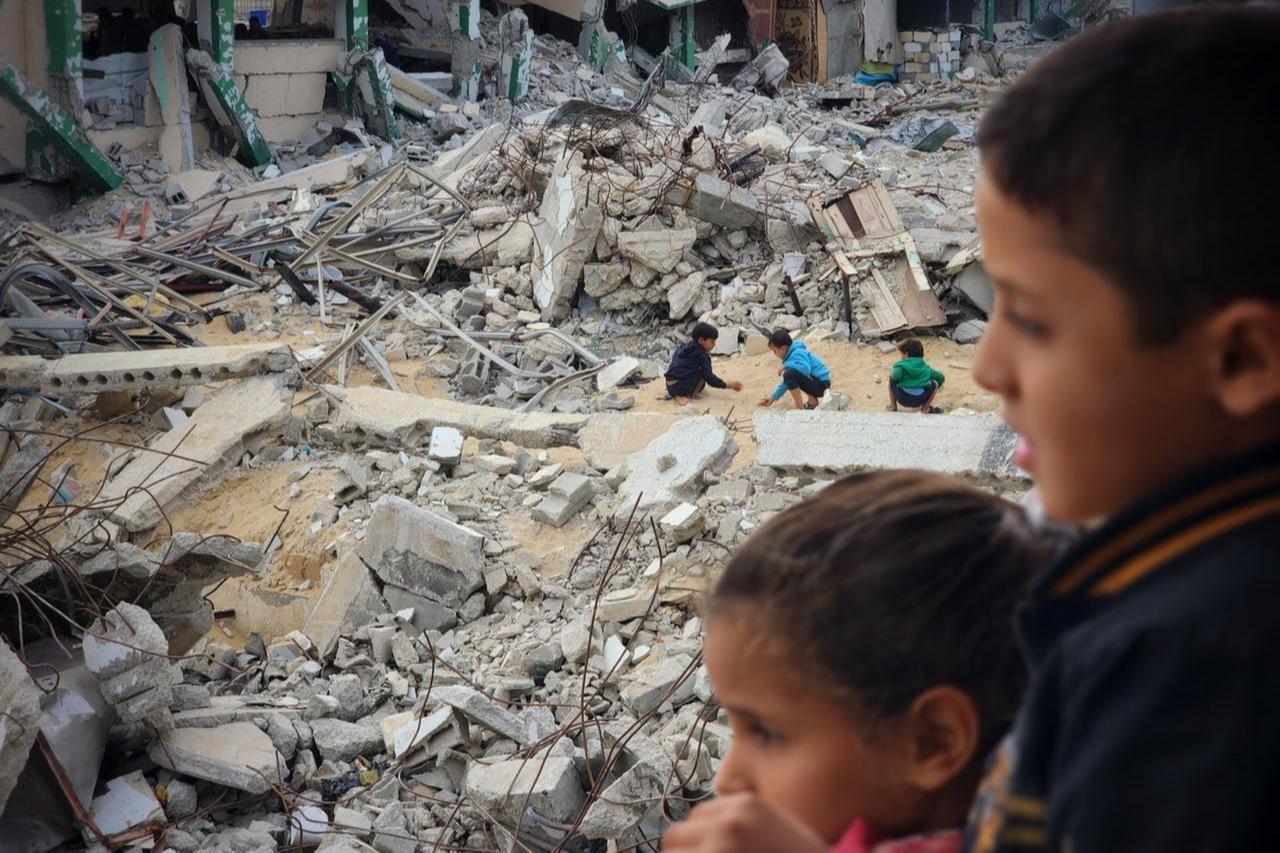
The centre's original mandate included ensuring humanitarian supplies reached Palestinians in a territory where Israel's military campaign has displaced nearly the entire two-million-person population, destroyed much of the infrastructure for water, sanitation and electricity, and reduced large sections of Gaza to rubble.
Diplomats say aid levels have remained largely stagnant despite some increase in commercial goods entering the territory. Israel has barred a range of items it designates as having potential dual military and civilian uses, a category that has included tent poles for displaced persons camps and heavy machinery needed for rubble clearance.
COGAT, the Israeli military body that controls Gaza access, says 80 percent of trucks entering daily carry commercial goods purchased in Israel, describing them as a supplement to humanitarian supplies. Palestinian officials and international aid groups dispute that framing, arguing essential humanitarian goods remain severely restricted.
Israel says its ongoing strikes target Hamas threats or individuals approaching the armistice line. Palestinian representatives say the campaign is a pretext to absorb more territory ahead of any eventual settlement.
The Board of Peace official said Gaza ultimately requires "a sustainable civilian administration to truly transform from the years of aid dependency and cycles of violence that have clouded its past."


 Set as preferred source
 Set as preferred source


 1 min read

 1 min read