Newsletters


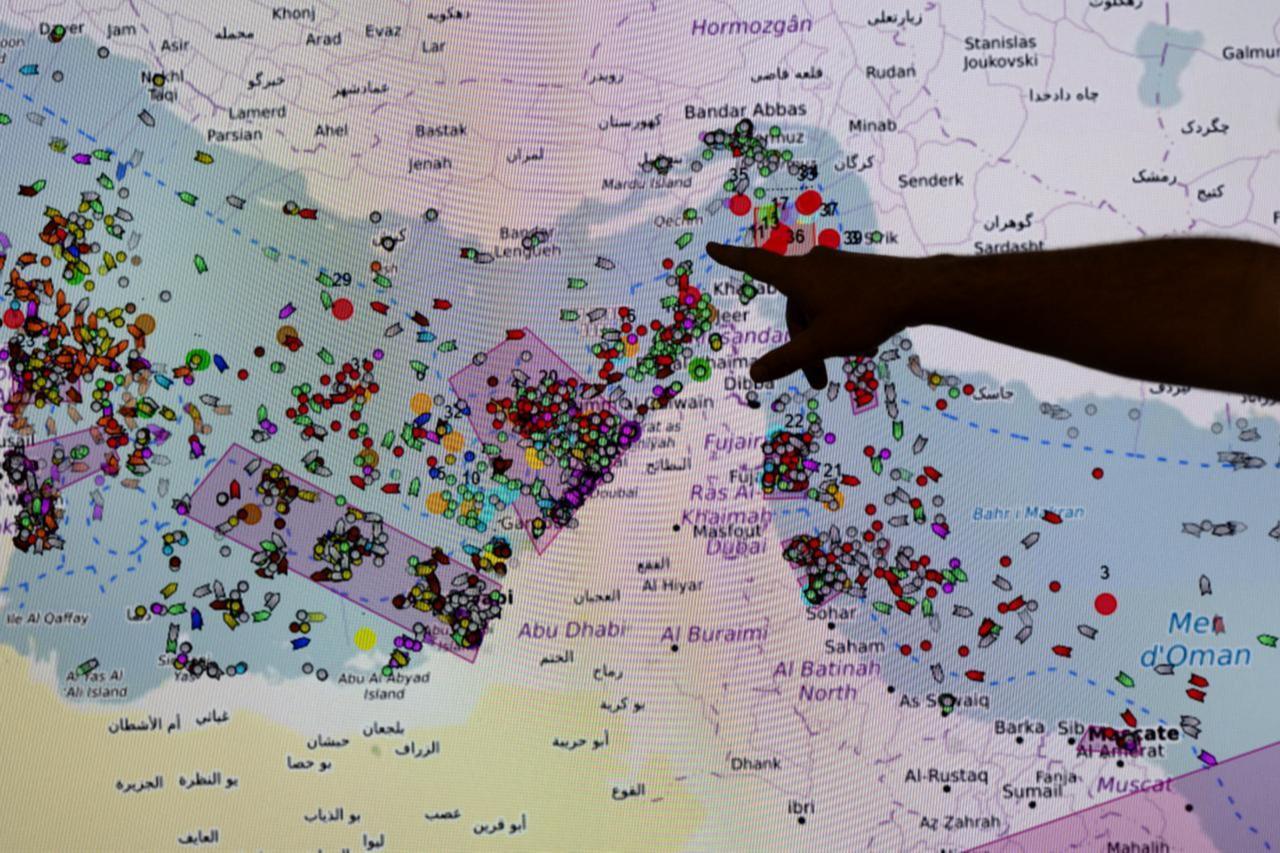


Iran's deputy parliament speaker has described the Strait of Hormuz as the country's "atomic bomb" and asserted Tehran's "natural right" to control the strategic waterway, in remarks that signal a hardening of Iran's posture over one of the world's most critical maritime chokepoints.
Ali Nikzad, speaking in comments reported by Iran's Tasnim news agency, said the strait "is not an international waterway" but rather Iran's sovereign domain, adding that the country stands "firmly" in what he called a "rightful position."
He further stated that Supreme Leader Ali Khamenei has issued a directive that the Strait of Hormuz "not return to its previous state," suggesting an intentional shift in how Tehran intends to manage access to the passage.
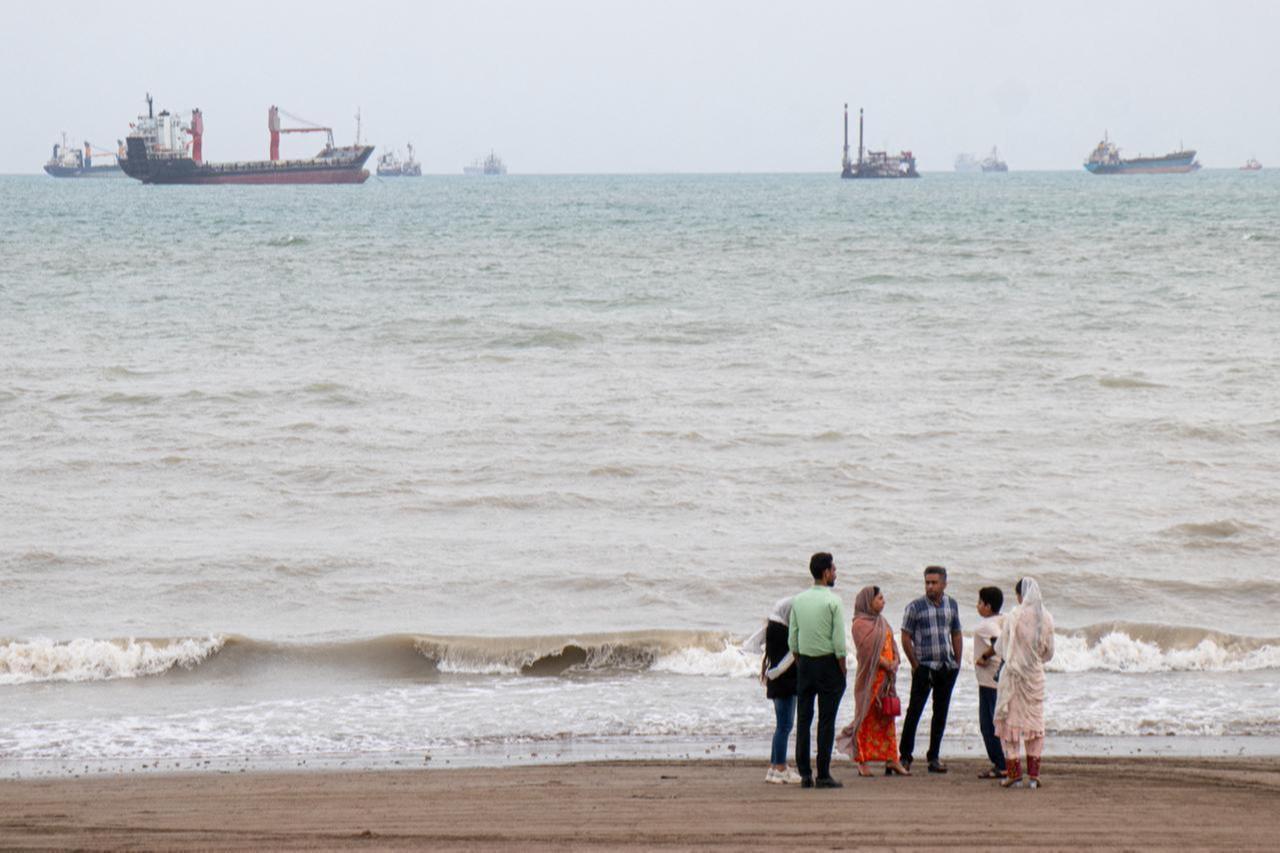

Nikzad also pointed to Iran's nuclear program as evidence of the country's scientific authority and independence, citing uranium enrichment at 60 percent as a symbol of "dignity and scientific power."
He framed the nuclear advances alongside control of the strait as twin pillars of national sovereignty, crediting what he described as Khamenei's "unmatched management" in defense, military, and nuclear affairs with preserving Iran's territorial integrity and national honor.
The 60 percent enrichment level sits below the roughly 90 percent threshold required for weapons-grade material, but well above the 3.67 percent ceiling set under the 2015 Joint Comprehensive Plan of Action, the nuclear deal from which the United States withdrew in 2018.
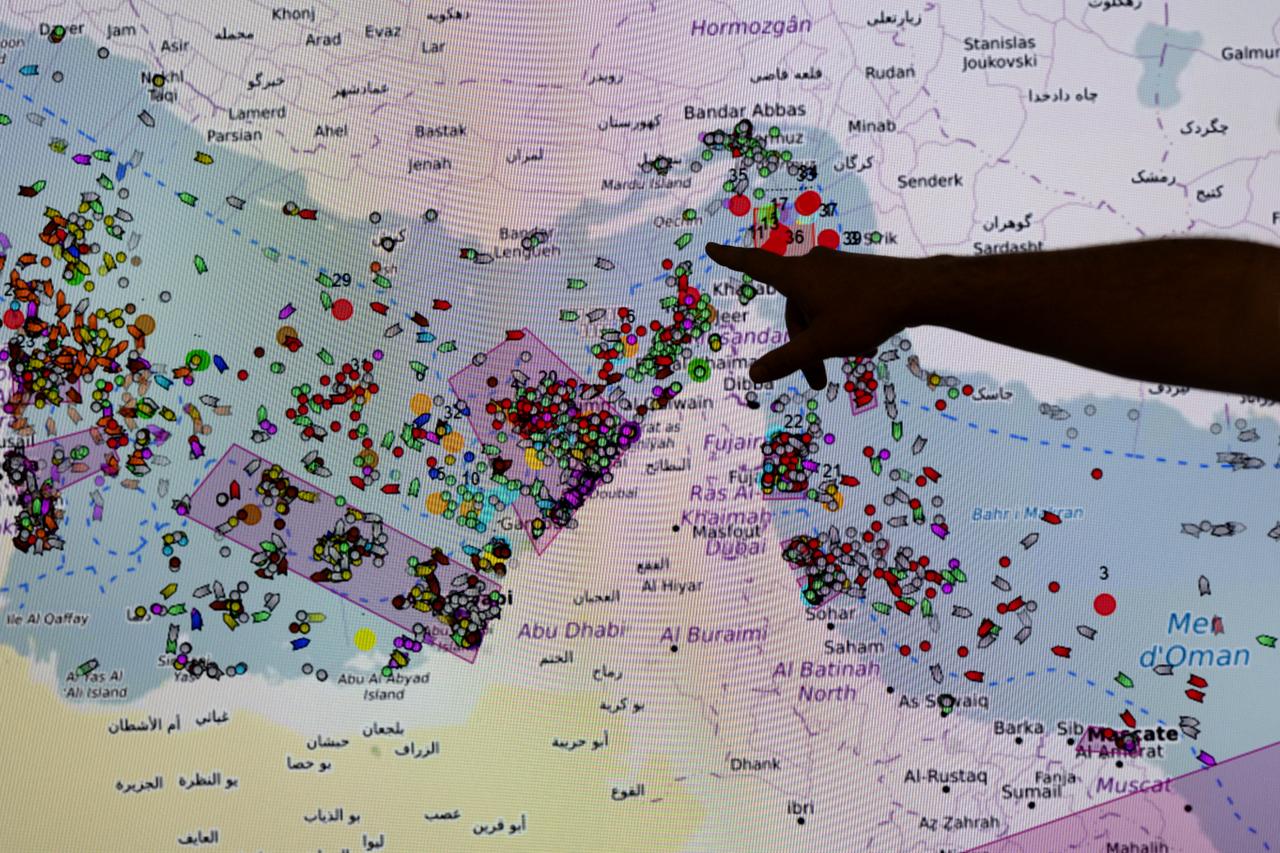
The Strait of Hormuz, a narrow passage between Iran and Oman at the mouth of the Persian Gulf, is the world's most important oil transit chokepoint.
Roughly one-fifth of global petroleum liquids and significant volumes of liquefied natural gas pass through the strait, making any disruption to navigation a matter of acute concern for global energy markets.
Iran has previously threatened to close the strait during periods of heightened tension with the United States and its Gulf Arab neighbors, though it has never done so.
Nikzad also called on Iranian officials to neutralize the pressure of international sanctions by relying on the Supreme Leader's directives, framing economic resilience as part of the same strategic posture.
The remarks come as Iran and the United States have engaged in intermittent negotiations over Tehran's nuclear program, with the status of any potential agreement remaining uncertain.
Nikzad described what he called a "strategic defeat" for the United States in the region, though he offered no specifics. The deputy speaker's framing of the Strait of Hormuz as Iran's "atomic bomb" underscores the extent to which Tehran views leverage over the waterway as a geopolitical instrument equivalent in weight to its nuclear capabilities.
International maritime law, specifically the United Nations Convention on the Law of the Sea, classifies straits used for international navigation as subject to the right of transit passage, a designation Iran has long contested with respect to Hormuz.


 Set as preferred source
 Set as preferred source


 1 min read
 1 min read