

 Newsletters


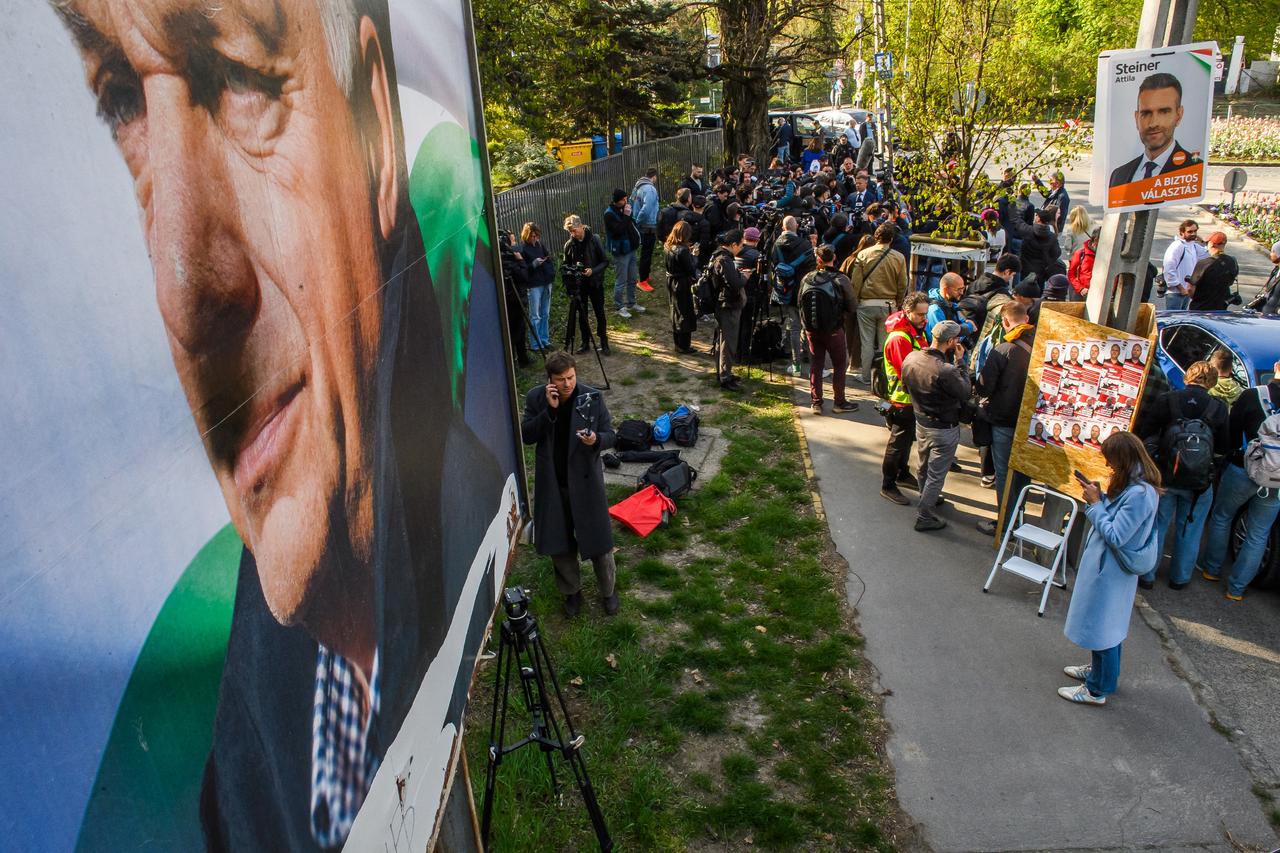


Peter Magyar announced Sunday night that Prime Minister Viktor Orban had called to concede defeat, bringing an extraordinary end to the nationalist leader's 16-year grip on power and capping a stunning rise by a political newcomer who had entered public life just two years earlier.
With nearly half of ballots counted, Magyar's pro-European Tisza party held 51.98 percent of the party-list vote to Orban's Fidesz-KDNP coalition's 39.38 percent, translating into a projected seat tally of 135 for Magyar's movement against 57 for the incumbent government in the 199-seat parliament.
With nearly half of ballots counted, Tisza held 51.98% of the party-list vote to Orban's Fidesz-KDNP coalition's 39.38%, translating into a projected seat tally of 135 for Magyar's movement against 57 for the incumbent government in the 199-seat parliament. The far-right Mi Hazank party was on course to win 7 seats with roughly 6% of the vote.
Magyar, 45, a political newcomer who burst onto the scene just two years ago, described himself as "cautiously optimistic" after polls closed with a record turnout of 77.8% , a figure analysts had anticipated would favor the challenger.
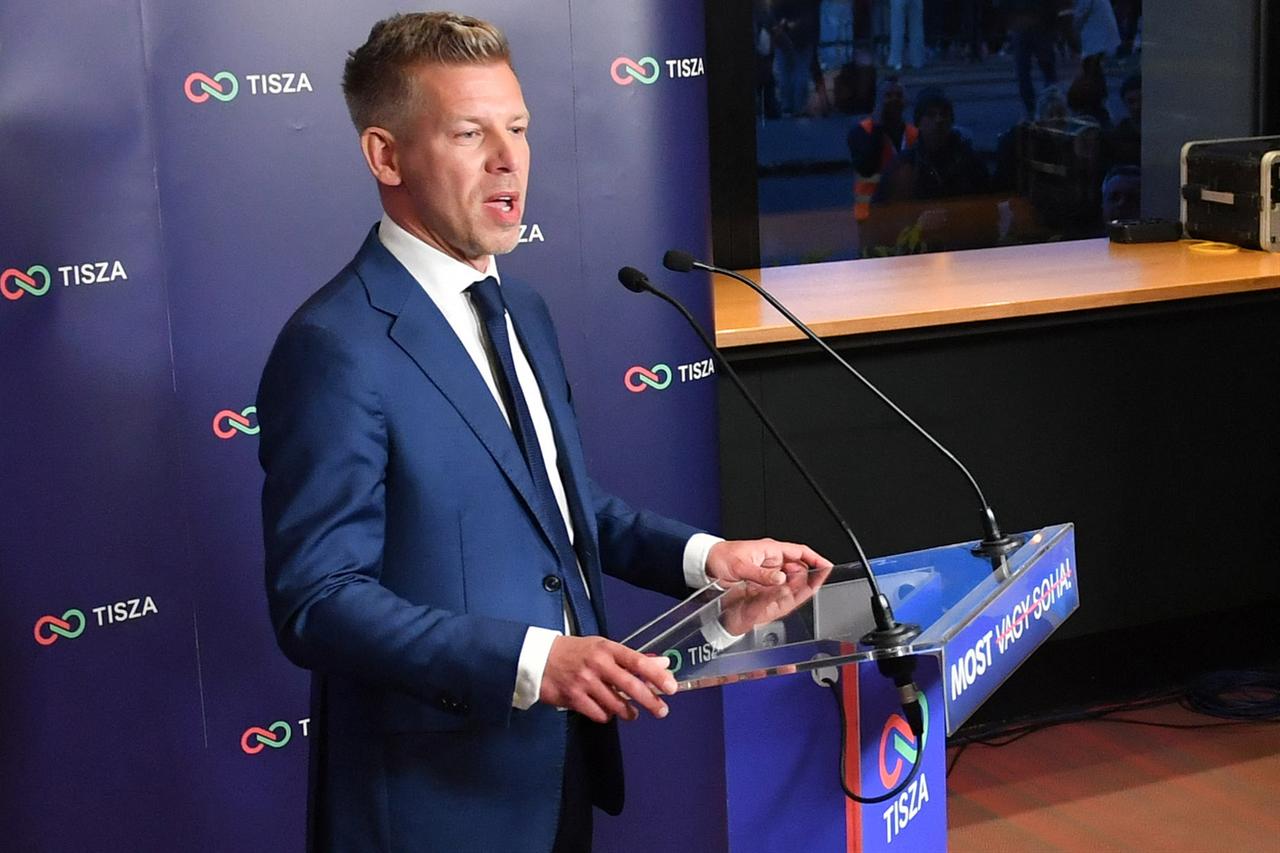

The scale of public participation, unprecedented in modern Hungarian electoral history, electrified supporters of the Tisza party, who gathered in a festive atmosphere in central Budapest. "I came to this event full of hope," said Orsolya Rozgonyi, a 28-year-old HR manager among the crowd. "I'm optimistic about the change."
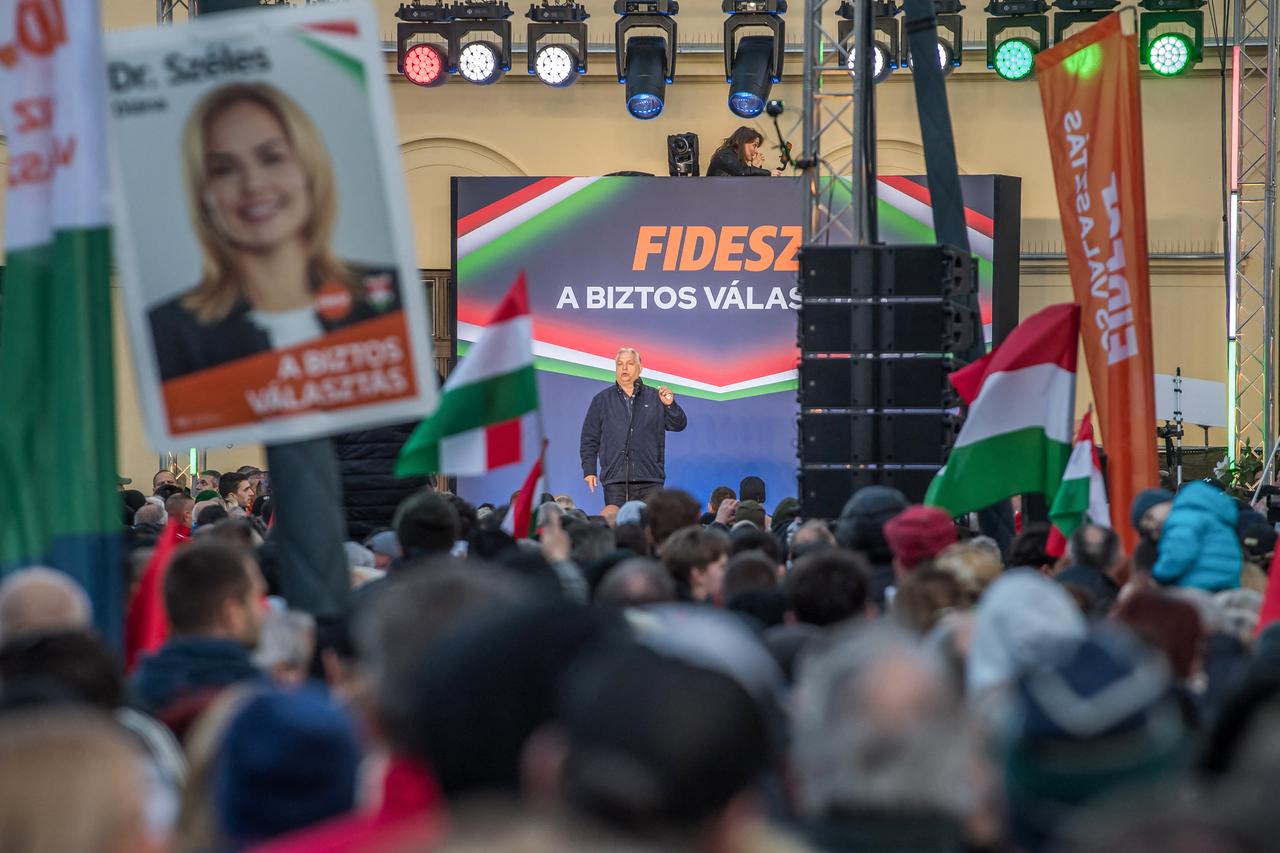
The mood was markedly different among hundreds of Fidesz supporters assembled near the press centre, where the atmosphere was described as subdued. Orban's chief of staff, Gergely Gulyas, maintained that "the governing parties have a realistic chance of getting the necessary 100 seats to form a majority," citing internal polling, though the early official data pointed sharply in the other direction.
A post-closing survey by the Budapest-based 21 Research Centre put Tisza at 55% nationally, with Fidesz-KDNP at 38% . Several other surveys produced comparable findings.
The election drew unusual international attention, partly because of the involvement of U.S. President Donald Trump, who publicly backed Orban and dispatched Vice President JD Vance to stand alongside the Hungarian leader in the days before the vote. The U.S. ambassador to the European Union denied any American "meddling," though Trump had separately promised to bring U.S. "economic might" to Hungary should Orban's party prevail.
Orban, 62, has governed Hungary since 2010, transforming the country into what he calls an "illiberal democracy," repeatedly clashing with Brussels over rule-of-law standards and positioning himself as one of the EU's most outspoken internal critics.
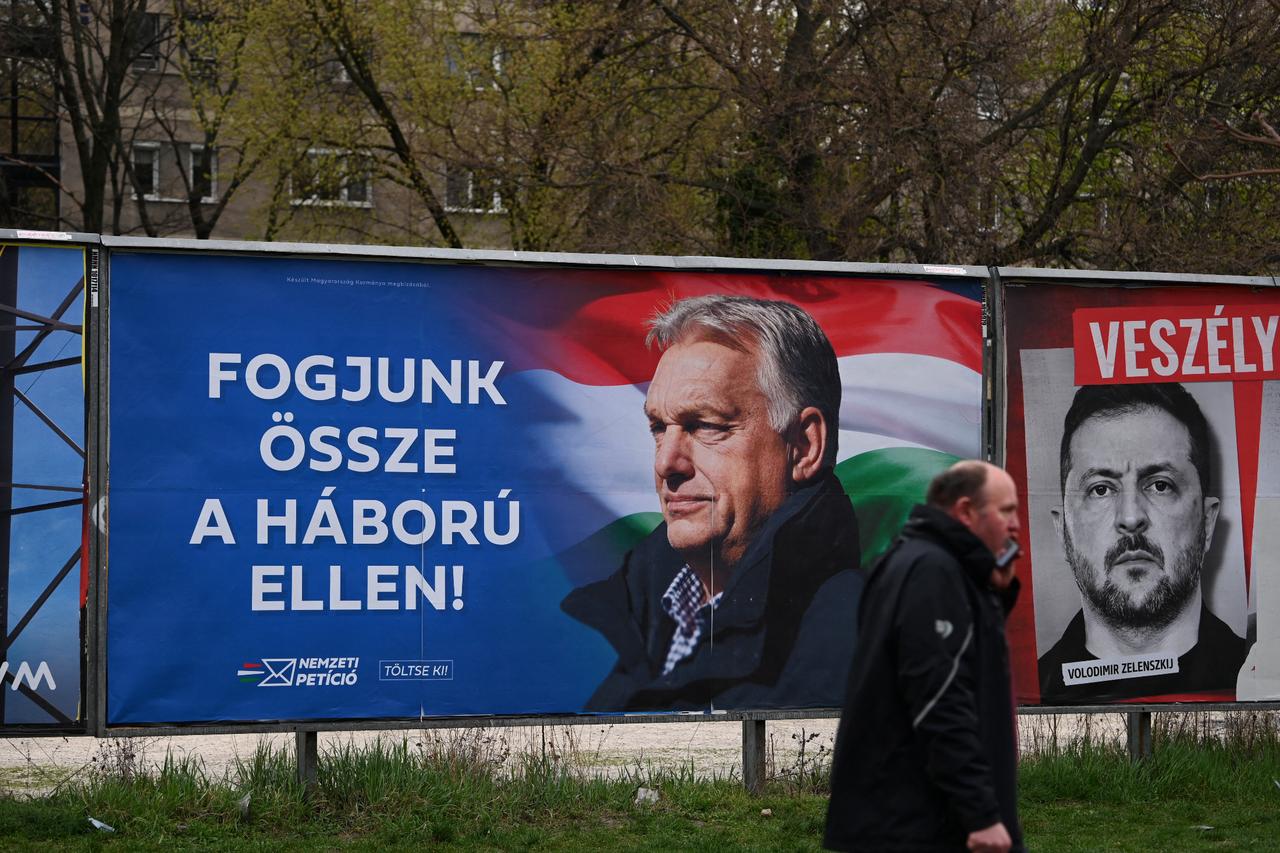
He has cultivated ties with both Trump and Russian President Vladimir Putin, and made opposition to Western support for Ukraine a centerpiece of his campaign, portraying the neighboring country, currently fighting off a Russian invasion, as "hostile" to Hungarian interests.
Magyar, by contrast, ran on a platform of anti-corruption reform and improved public services, drawing support against a backdrop of economic stagnation. He rose rapidly despite an electoral system widely regarded as structurally advantageous to Fidesz.
Both sides alleged foreign interference during the campaign. Vance, during his visit, attacked what he described as meddling by Brussels "bureaucrats," while Magyar urged voters after polls closed to report any suspected vote-buying, intimidation, or other violations, calling for calm as counting proceeded.
Orban, after casting his ballot, warned of a "major crisis" facing Europe and invoked a broad network of international allies: "From America to China to Russia and the Turkish world," he said.
Some observers expressed concern about what might follow a Fidesz defeat. "If Fidesz wins now, that will clearly mean a shift towards authoritarianism," said Andrea Szabo, a senior research fellow at ELTE University's Centre for Social Sciences, inverting the concern to suggest the stakes of continued Orban rule. The opposition has also voiced fears that Orban might not accept an adverse result, though Gulyas said he did not see, for now, "any infringement that would put the final result in question."
Because of the complexity of Hungary's mixed electoral system, a definitive winner may not be officially confirmed until counting is fully completed, a process the National Election Office said could extend to Saturday, April 18, if the final margin proves narrow.


 Set as preferred source
 Set as preferred source


 2 min read
 1 min read



