Newsletters


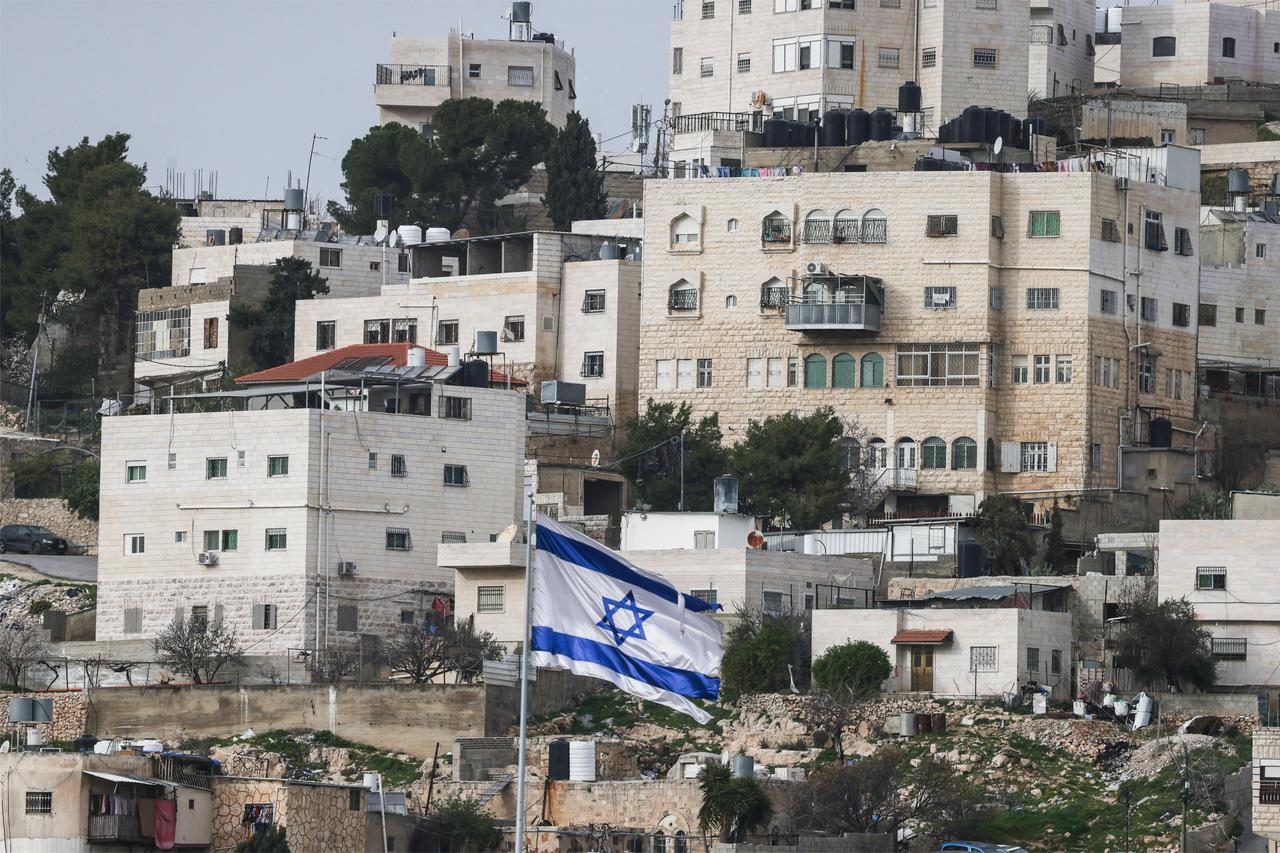


U.S. President Donald Trump opposes Israel's annexation of the occupied West Bank, the White House official confirmed on Tuesday.
International condemnation mounted over the Israeli Security Cabinet's sweeping decisions to expand control in the territory through measures critics say violate international law.
"A stable West Bank keeps Israel secure and is in line with this administration's goal to achieve peace in the region," Axios correspondent Barak Ravid reported, citing a White House official.
Trump has previously stated he will not allow Israel to annex the occupied West Bank.


On Sunday, Israel's Security Cabinet ordered measures that Palestinian officials and international observers say contain multiple violations of international law:
Legalizing settlement outposts: Approving plans to build thousands of settler homes and legalizing outposts previously considered "illegal" under Israeli law violates Article 49 of the Fourth Geneva Convention, which prohibits an occupying power from transferring its civilian population into occupied territory, and contravenes U.N. Security Council Resolution 2334.
Stripping Palestinian powers in Hebron: Withdrawing planning and construction authority from Hebron Municipality and transferring it to Israel's Civil Administration violates the Hebron Protocol of January 1997.
Expanding into areas A and B: The measures expand Israeli oversight and enforcement into areas classified as Area A and Area B, citing alleged violations related to construction, water issues and damage to archaeological sites. This violates the Oslo II Accord signed in 1995, which specifies that Area A falls under full Palestinian control.
Financial sanctions: Withholding clearance revenues violates the Paris Economic Protocol of 1994, which obliges Israel to transfer taxes regularly without political conditions.
Land sale changes: The Cabinet repealed a Jordanian-era law allowing only West Bank Palestinians to purchase land and opened land registries for public access, enabling Israeli buyers to contact Palestinian landowners directly.
Restricting Palestinian officials: Revoking VIP cards for Palestinian officials contradicts security understandings attached to the interim agreements, guaranteeing freedom of movement.

Far-right Israeli Finance Minister Bezalel Smotrich stormed the town of Ni'lin in the central West Bank on Monday, a day after the cabinet decisions.
"This tour came a day after the decision of the security cabinet, which I led together with Defense Minister Israel Katz, granting security forces strong enforcement powers against environmental terrorism, even within Areas A and B," Smotrich wrote on X.
Separately, the Israeli army forced several Palestinian families south of Jenin to evacuate their homes in preparation for returning to a military camp evacuated in 2005.
More than 50 people were given until Tuesday morning to leave, according to affected resident Jamal Rashid.

U.N. Secretary-General Antonio Guterres expressed deep concern over Israel's measures.
"The secretary-general is gravely concerned by the reported decision of the Israeli security cabinet to authorize a series of administrative and enforcement measures in Areas A and B of the occupied West Bank," spokesperson Stephane Dujarric said.
Guterres "warns that the current trajectory on the ground, including this decision, is eroding the prospect for the two-state solution" and called on Israel to reverse the measures.
"He reiterates that all Israeli settlements in the occupied West Bank, including East Jerusalem, and their associated regime and infrastructure, have no legal validity and are in flagrant violation of international law," Dujarric added.
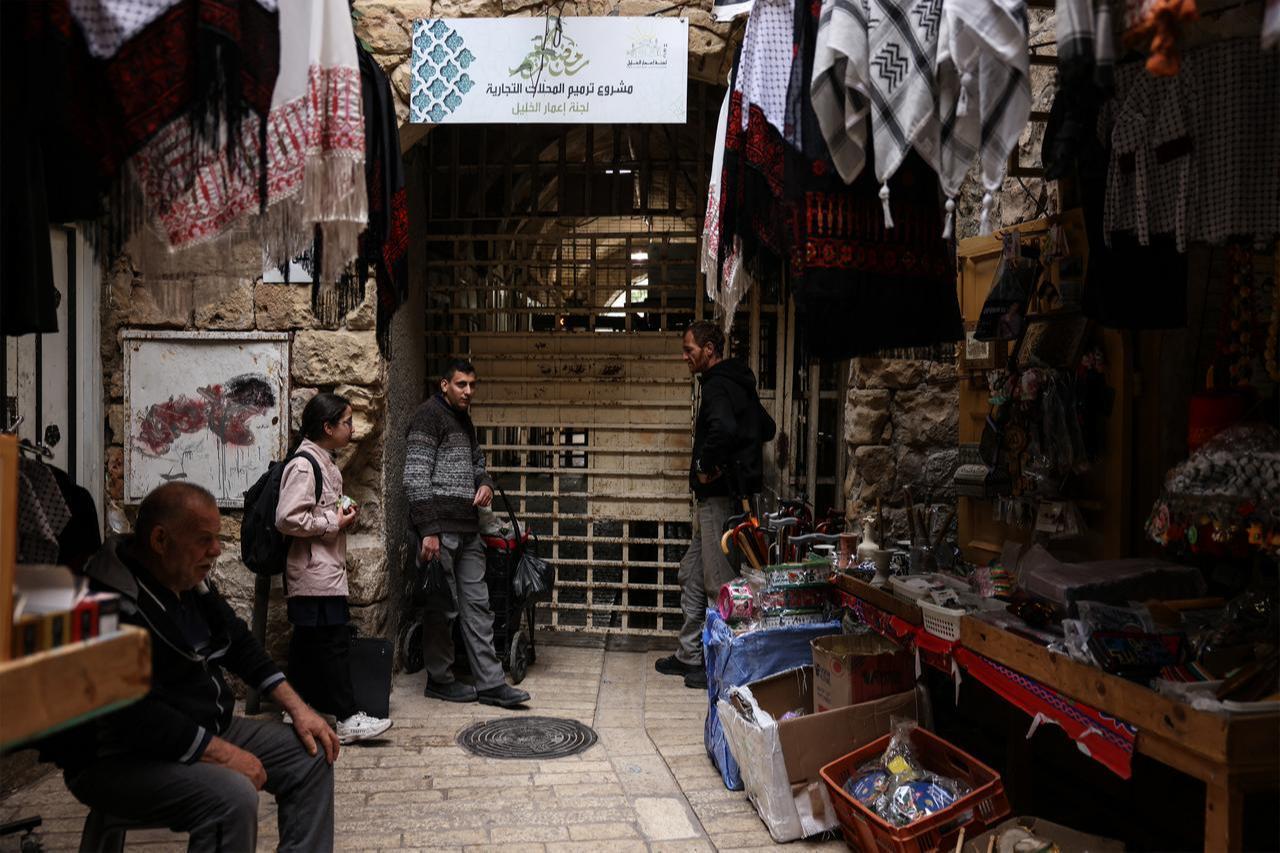
The U.K. strongly criticized the decision, warning that it risks undermining peace and breaches international law.
"Any unilateral attempt to alter the geographic or demographic make-up of Palestine is wholly unacceptable and would be inconsistent with international law. We call on Israel to reverse these decisions immediately," the Foreign Office said in a statement.
Spain condemned the measures, saying they "alter the status quo in the West Bank and undermine the territorial and political unity of a Palestinian state."
"These measures and any attempt at annexation are unacceptable and jeopardize current efforts to implement the Peace Plan and the ceasefire, increasing the risk of triggering a new wave of violence," Spain's Foreign Ministry said in a statement.
The Left group in the European Parliament also criticized the body for rejecting their request to debate Israel's expansion of control.
"Once again, the Parliament decided to turn a blind eye to violence in Palestine," the group wrote, saying the request was opposed by center-right and far-right coalition members.

The International Court of Justice declared Israel's occupation of Palestinian territory illegal in a landmark opinion in July 2024 and called for the evacuation of all settlements in the West Bank and East Jerusalem.
Over the past three years, the Israeli government has reviewed plans for building around 50,000 settlement units in the West Bank and confiscated 60,000 dunams (14,826 acres) of land during the war.
Since October 2023, Israeli operations in the West Bank have killed at least 1,112 Palestinians, wounded about 11,500 and detained more than 21,000.


 Set as preferred source
 Set as preferred source


 1 min read

 1 min read