Newsletters


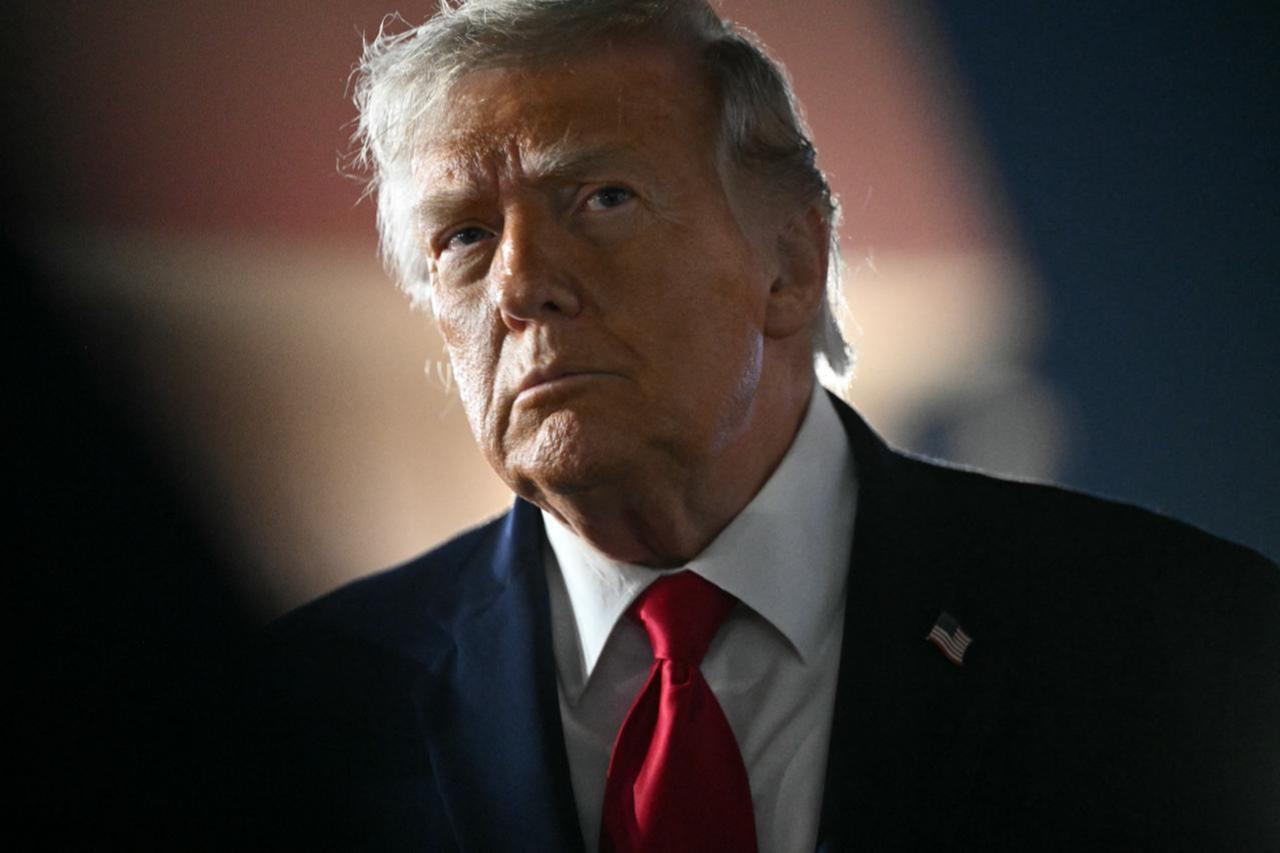


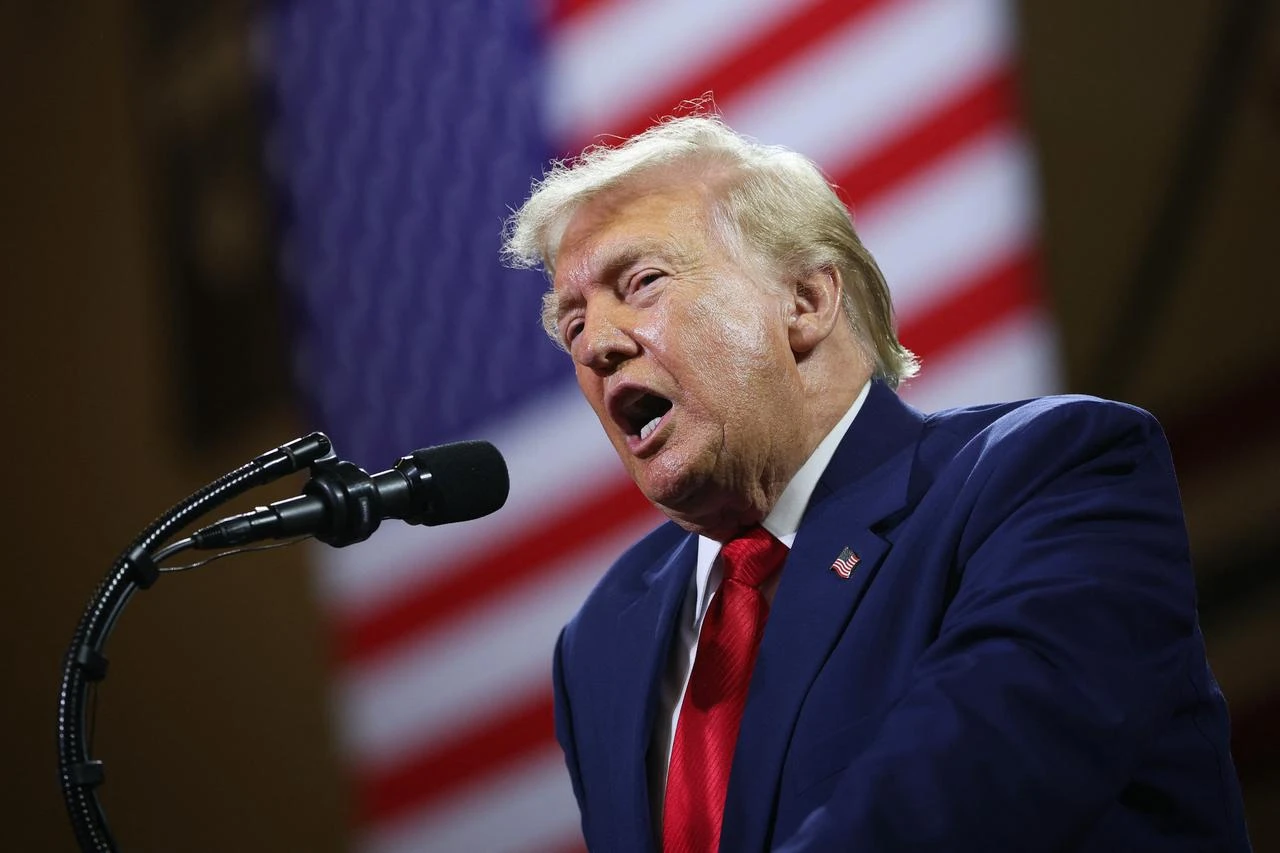
U.S. President Donald Trump announced Thursday that he had canceled a round of military strikes against Iran that had been scheduled for later that evening, citing a diplomatic breakthrough in which discussions had been elevated to the highest levels of Iranian leadership and approved.
"Based on the fact that discussions with the Islamic Republic of Iran have been brought to the highest level of Iranian leadership and approved, I have, as president of the United States of America, cancelled the scheduled strikes and bombings against Iran this evening," Trump said in his announcement.
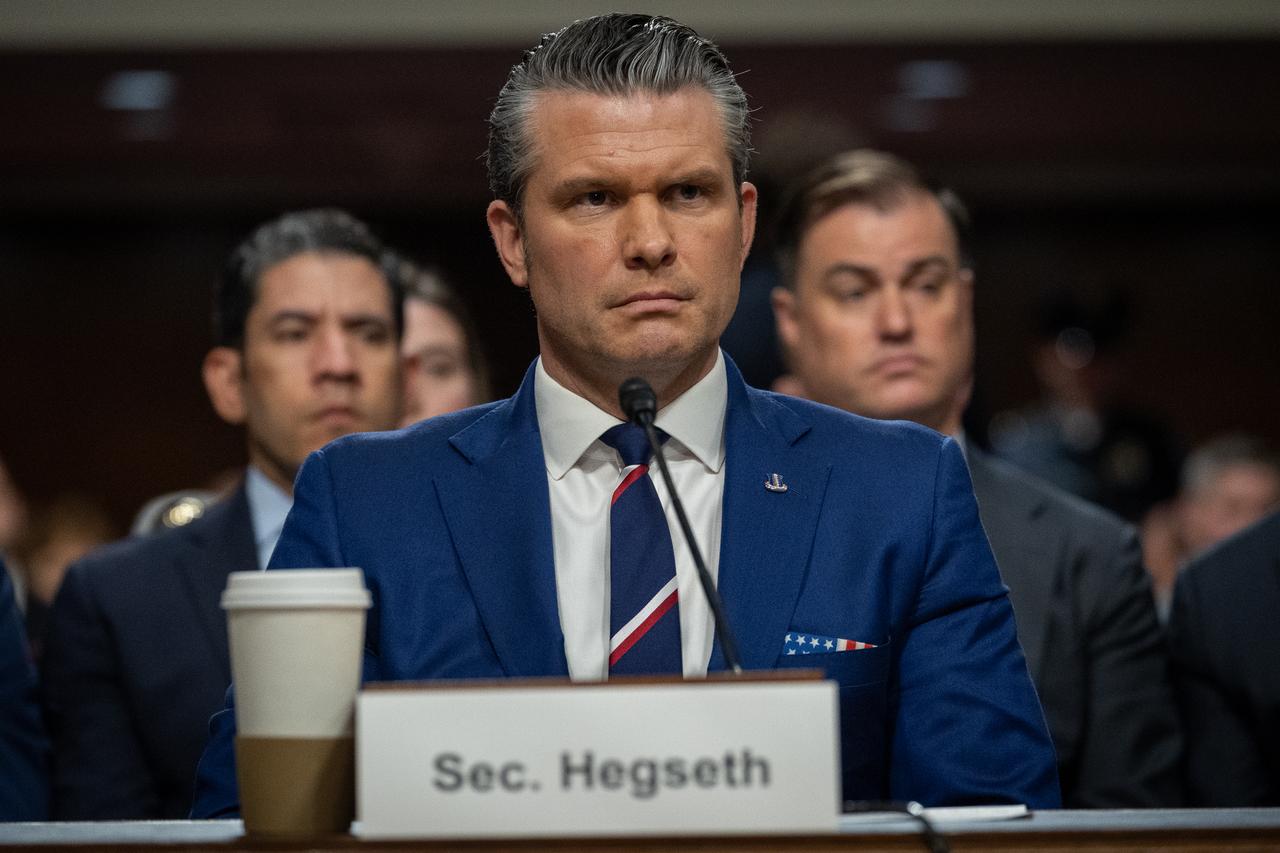
The decision comes as a reversal from the aggressive military posture the administration had projected only hours earlier, when both the president and Defense Secretary Pete Hegseth had signaled that Washington intended to strike Iran hard that night.
The cancellation came after what had been a day of escalatory rhetoric from the White House and Pentagon. Hegseth said Wednesday that the U.S. military would launch "strong and clear" strikes against Iran on Wednesday night and Thursday night if needed, adding that "CENTCOM, Central Command, will be busy tonight because President Trump said we will be hitting Iran hard, and we will be."
Trump had also warned that Washington would take over Iran's Kharg Island and other oil infrastructure points, saying the U.S. would hit Iran "very hard tonight."
The Defense Secretary had framed the ongoing strikes as a negotiating instrument, defending the military campaign as part of the broader effort to secure a permanent ceasefire. Hegseth declared at one point that the U.S. controls the Strait of Hormuz, citing a blockade that has halted nearly 140 ships linked to Iranian ports.
Trump said Thursday that an agreement with Iran has been reached and that a signing would be announced shortly, though details of the accord were not immediately available.
He had previously told Fox News that he believed he had been only days away from finalizing an agreement before renewed fighting between Israel and Iran complicated the diplomatic track.
Trump has repeatedly stated his belief that Tehran wants to sign a deal and that such an agreement would be in both sides' interest. Gulf states including Qatar, Saudi Arabia, and the United Arab Emirates have played a mediating role in the talks, and Trump has previously credited their pressure as a factor in his decisions to pause strikes at critical junctures.


 Set as preferred source
 Set as preferred source


 1 min read

 1 min read